
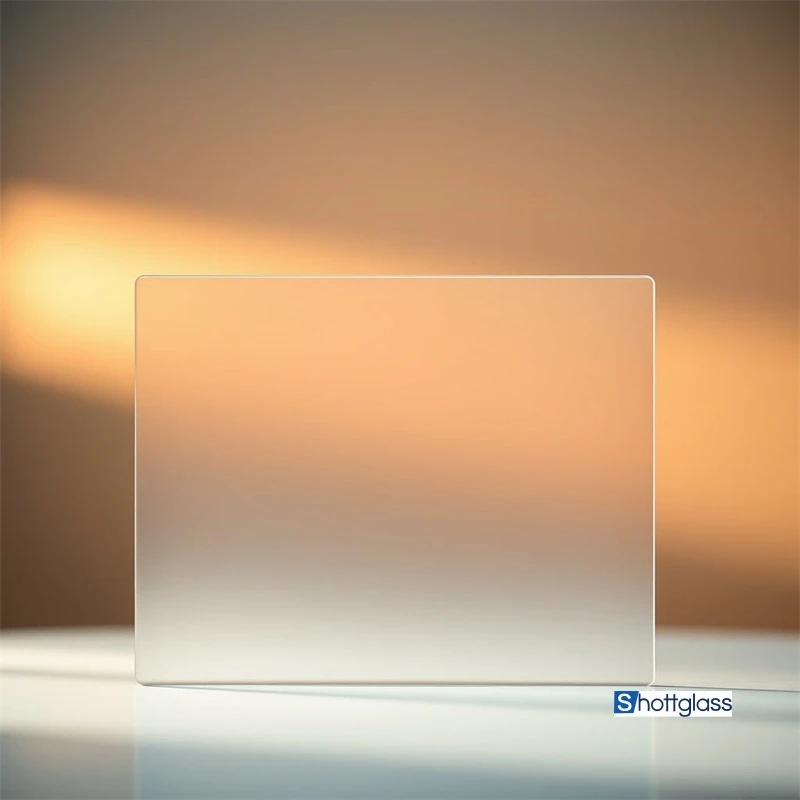
High-Performance Reflective Glass Solutions for Uganda's Modern Architecture

Advanced deep-processing glass engineering designed to withstand the tropical climate of East Africa, ensuring energy efficiency and structural durability.

High-Performance Reflective Glass Solutions for Uganda's Modern Architecture

Providing Kampala and Entebbe with premium architectural glass that balances aesthetics with thermal insulation, featuring everything from clear float glass to specialized safety coatings.

Analyzing the Glass Manufacturing Landscape in Uganda

Navigating the challenges of thermal stress and urban development in East Africa.

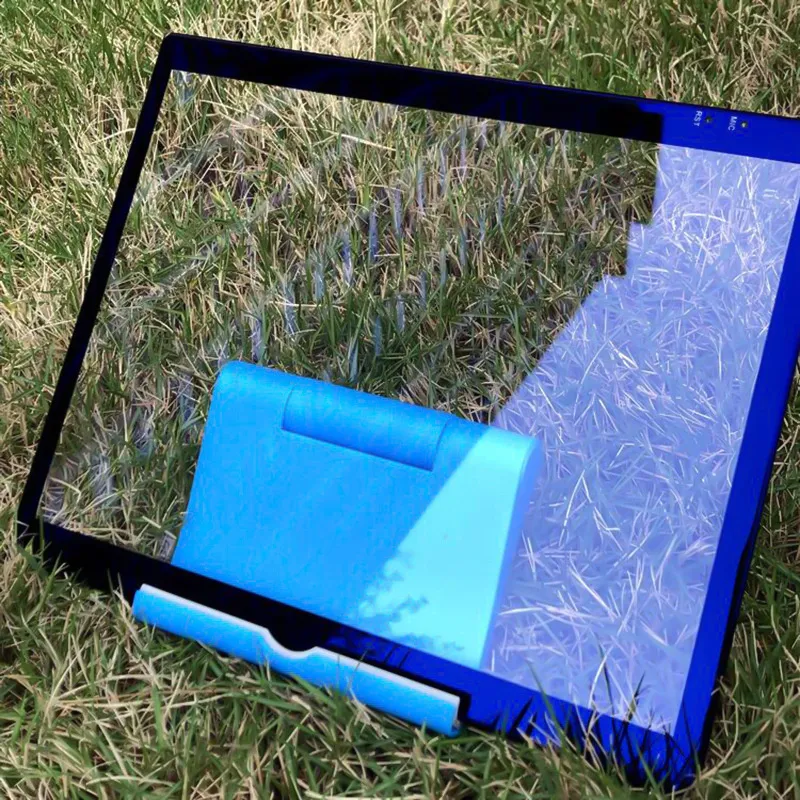
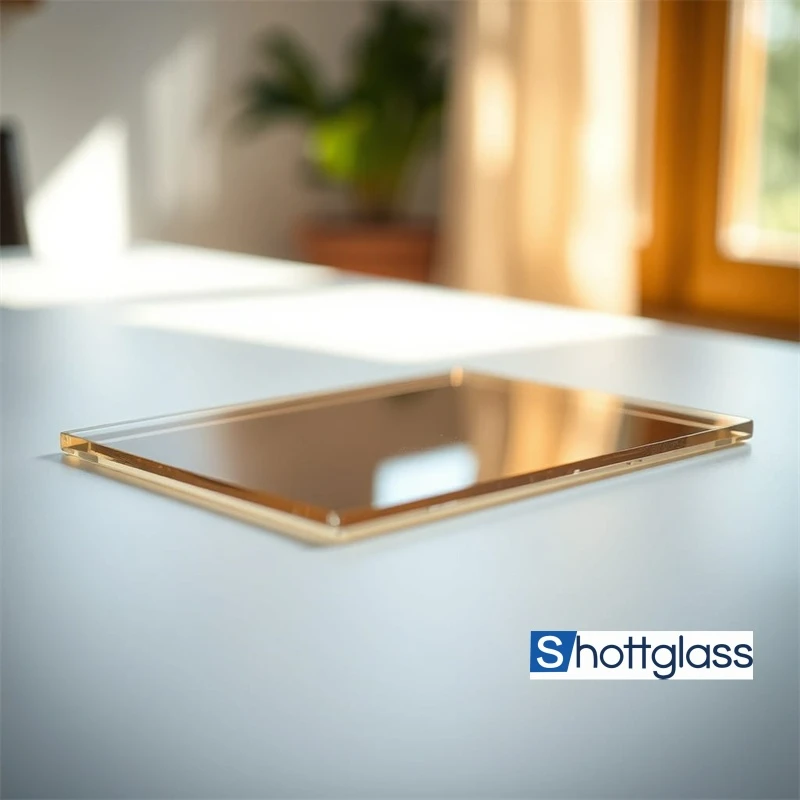
Uganda's construction sector is experiencing a rapid transition toward sustainable urbanism. However, the equatorial climate presents significant challenges; high solar radiation levels in Kampala necessitate the use of reflective glass to reduce indoor heat gain and lower cooling costs for commercial skyscrapers.

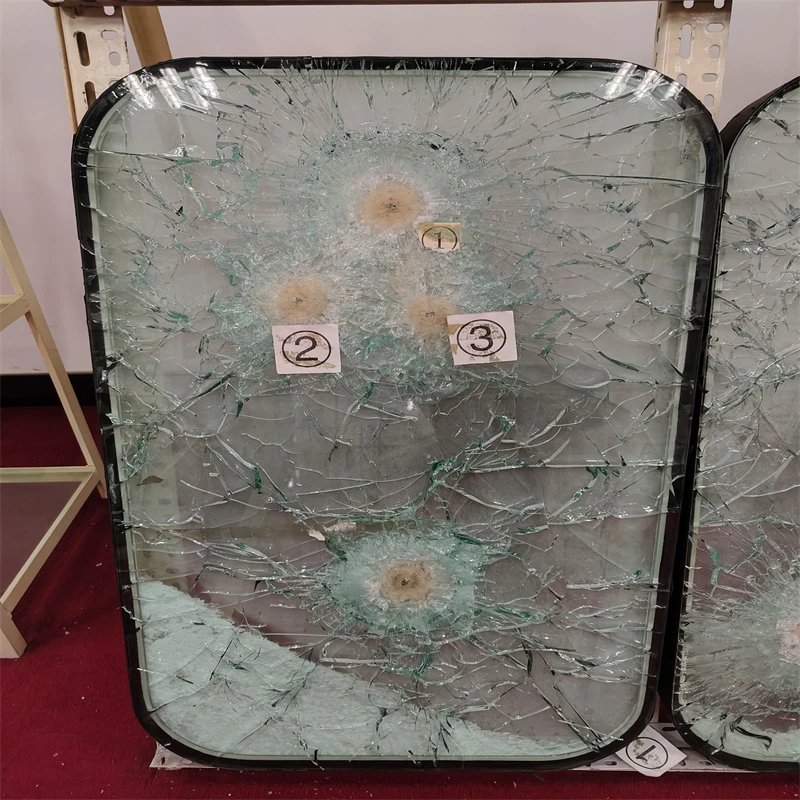
The local market has historically relied on basic imports, but there is a growing demand for specialized safety solutions. The integration of tempered laminated glass has become essential for government infrastructure and luxury hospitality projects to ensure public safety and structural integrity against unforeseen impacts.

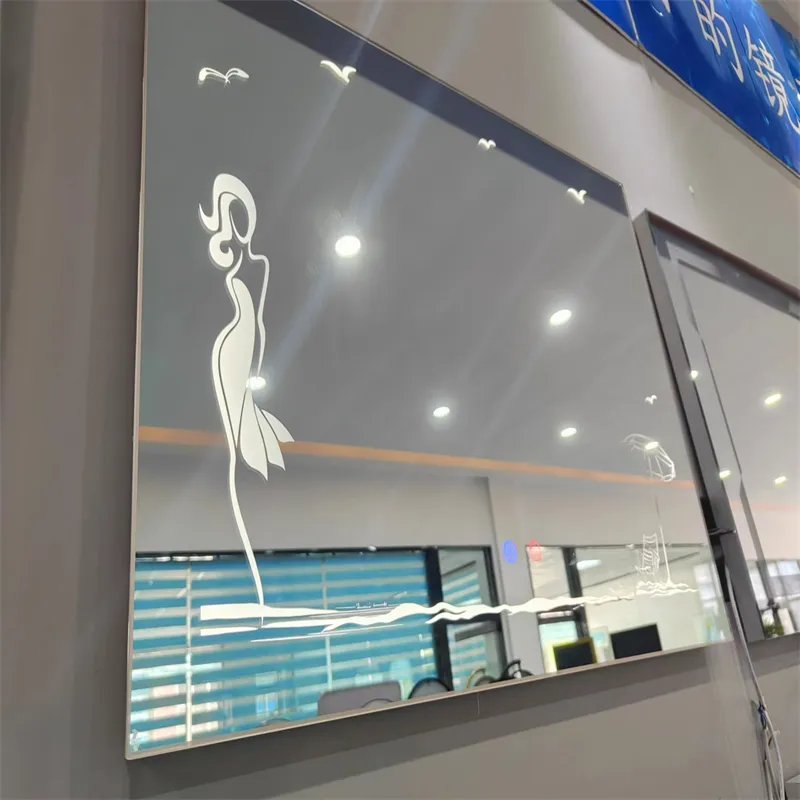
Furthermore, the interior design trend in Uganda is shifting toward privacy and minimalism. This has led to an increase in the adoption of acid etched glass for office partitions and residential bathrooms, replacing traditional frosted options with more durable, chemically treated surfaces.

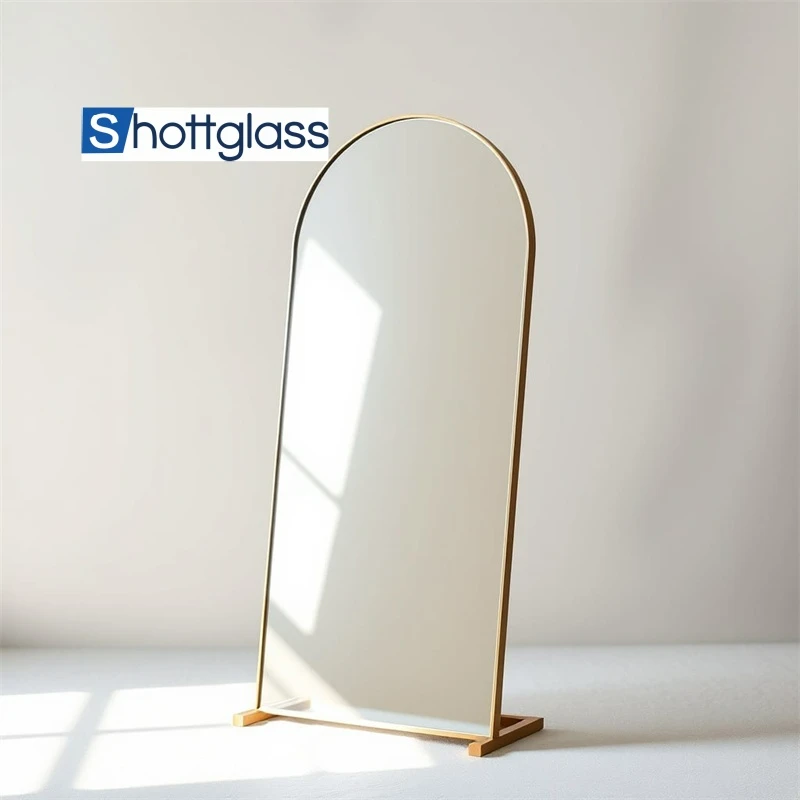
Evolution of Deep-Processing Glass Technology

From basic transparency to intelligent light management.

Market Development History

In the early 2000s, the Ugandan market was dominated by standard clear float glass, focusing primarily on basic visibility and low cost. During this phase, thermal insulation was secondary to basic shelter requirements.

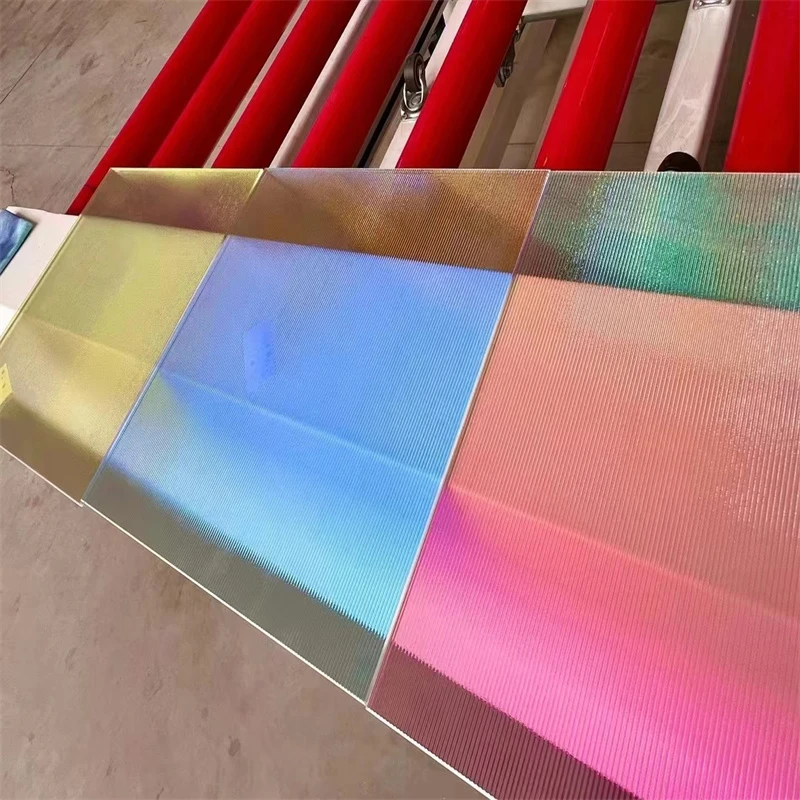
Between 2010 and 2020, the "Green Building" movement hit East Africa. This era saw the introduction of solar-control coatings, where manufacturers began implementing high-performance reflective layers to combat the intense tropical sun, significantly reducing the carbon footprint of new office complexes.

From 2021 to the present, the focus has shifted toward "Smart Glass" and extreme safety. The industry has moved toward multi-layered composites, integrating tempering and lamination processes to meet international safety standards for high-rise constructions.

Future Development Trends

Ultra-Low Reflectivity for Natural Light

The rise of ar glass (Anti-Reflective) is expected to grow as museums and high-end retail centers in Uganda seek to maximize natural light while eliminating glare.

Integrated Photovoltaic Glass

Integration of energy-harvesting layers within glass panels will likely emerge as Uganda seeks to leverage its abundant sunlight for decentralized power generation.

Advanced Bio-based Laminates

A transition toward sustainable, eco-friendly PVB interlayers in laminated glass to align with global ESG (Environmental, Social, and Governance) targets.

Strategic Trends and Future Outlook

Predicting the trajectory of the non-metallic mineral products industry in Uganda.

Thermal Efficiency Optimization
Increasing adoption of low-E and reflective coatings to mitigate Uganda's high UV index.
Urban Safety Standards
Stricter enforcement of safety glass requirements for all public-facing commercial builds.
Aesthetic Diversification
Growth in custom textures and matte finishes for high-end Ugandan interior architecture.
Sustainable Sourcing
Focus on reducing the carbon footprint of glass logistics into the East African region.

Industry Outlook

Google search trends indicate a sharp increase in "energy-efficient building materials" within the East African region. We predict that over the next 3-5 years, the demand for integrated glass solutions will outpace simple raw material procurement, as Ugandan developers prioritize long-term operational savings over initial capital expenditure.

The convergence of architectural innovation and environmental necessity will drive the adoption of hybrid glass products. We anticipate a shift toward "intelligent facades" that can adapt to the Ugandan sun, moving from static reflective surfaces to dynamic light-control systems.

Localized Application Scenarios in Uganda

Tailored glass engineering for the specific environmental and economic needs of the region.

01. Kampala Commercial Skyscrapers

Utilization of high-performance reflective glass to mitigate extreme solar heat gain in the capital's densest business districts.

02. Entebbe Airport & Transit Hubs

Installation of tempered laminated glass for overhead canopies and security partitions to ensure maximum impact resistance and passenger safety.

03. Luxury Lodges in Queen Elizabeth Park

Applying ar glass for panoramic viewing decks, allowing tourists to see the wildlife clearly without distracting reflections.

04. Modern Healthcare Facilities in Jinja

Integrating acid etched glass for sterile environment partitions, providing visual privacy while maintaining light flow.

05. Residential Green-Homes in Wakiso

Using high-clarity clear float glass for large windows to optimize natural lighting in sustainable residential developments.

Brand Story

Global Development History of Shahe City Xiaote Glass Co., Ltd.

Foundation of Excellence

Established with a vision to revolutionize deep-processing glass, we focused on mastering the core physics of tempering and coating to solve fragility issues.

Technological Breakthroughs

Invested heavily in R&D to develop advanced chemical etching and lamination techniques, reducing distortion and increasing structural strength.

Global Quality Certification

Achieved international certifications (ISO, CE), allowing us to enter the most demanding architectural markets in Europe and the Middle East.

Strategic Expansion to Africa

Recognized the unique needs of the Ugandan market, optimizing our product lines for high UV environments and extreme thermal fluctuations.

Commitment to Sustainability

Now leading the transition toward carbon-neutral glass manufacturing, helping Uganda build a greener, safer future.

Complete Product Portfolio for the Ugandan Market

A comprehensive range of engineered glass solutions for every architectural requirement.

Common Inquiries for Glass Procurement in Uganda

Expert answers to technical and logistical questions.

Which glass is best for reducing heat in Kampala offices?

For high-heat urban areas, reflective glass is the optimal choice as it reflects a significant portion of solar radiation, reducing air conditioning loads.

How does tempered laminated glass improve safety in public buildings?

By combining the strength of tempered glass with a plastic interlayer, the glass remains intact even if shattered, preventing injuries and maintaining a weather seal.

What is the difference between frosted glass and acid etched glass?

While frosted glass is often sandblasted, acid etched glass is chemically treated, resulting in a smoother, more consistent finish that is easier to clean and more scratch-resistant.

Can AR glass be used in outdoor installations in Uganda?

Yes, ar glass can be used outdoors, provided it is combined with tempering for strength. It is ideal for showcases and information kiosks.

Is clear float glass suitable for structural facades?

Standard clear float glass is not recommended for structural use. It must undergo tempering or lamination to meet safety codes for facades.

How to maintain architectural glass in humid tropical climates?

Regular cleaning with non-abrasive solutions is recommended. For specialized coatings, avoiding harsh chemicals ensures the longevity of the solar-control properties.

Consult Our Glass Engineering Experts

Ready to elevate your construction project in Uganda? Our technical team provides full support from specification to installation.

Contact Us Now

If you are interested in our products, you can choose to leave your information here, and we will be in touch with you shortly.