
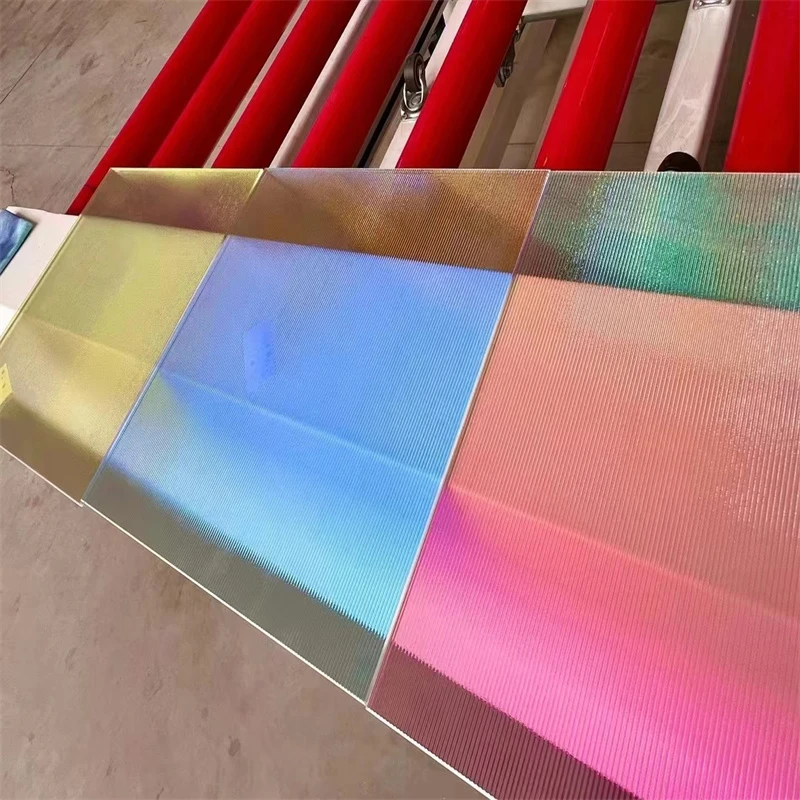

High-Performance Reflective Glass Solutions for Turkmenistan

Engineering advanced glass technologies to withstand the extreme desert climates of Asia - Turkmenistan, blending thermal efficiency with architectural elegance.

High-Performance Reflective Glass Solutions for Turkmenistan

Providing the Turkmenistan construction market with specialized deep-processing glass that prioritizes solar heat rejection and structural integrity for modern urban developments.

Glass Industry Landscape in Turkmenistan

Adapting material science to the harsh Karakum Desert environment.

Turkmenistan's architectural landscape is characterized by grand governmental projects and a rapid shift toward modern urbanization. However, the extreme temperature fluctuations and high UV index in the region put immense pressure on standard clear float glass, often leading to excessive solar gain and increased energy costs for cooling.

Currently, there is a growing demand for specialized reflective glass to mitigate the intense sunlight. The local market is transitioning from basic glazing to high-performance systems that can sustain structural stability despite the arid climate and salty soil conditions prevalent in some coastal areas.

The integration of tempered laminated glass has become a priority for safety and security in Ashgabat's high-rise buildings, ensuring that architectural transparency does not compromise occupant safety during unforeseen seismic activities or thermal stress.
Evolution of Glass Processing in Turkmenistan

From basic transparency to intelligent thermal control.

Market Development History

In the early 2000s, the Turkmenistan market relied heavily on imported standard float glass, where the primary focus was basic enclosure and weatherproofing without significant thermal consideration.

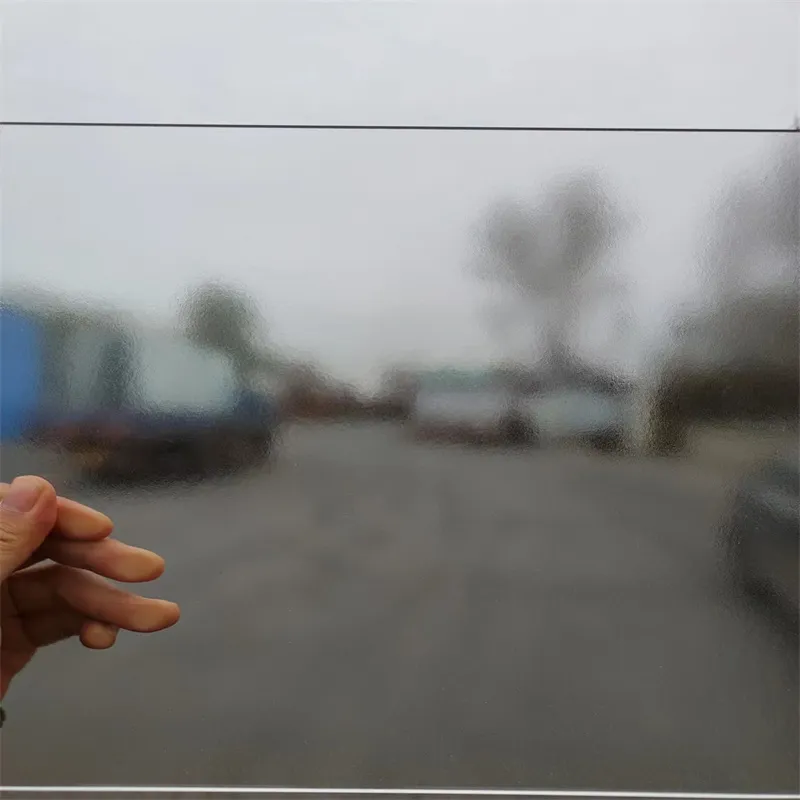
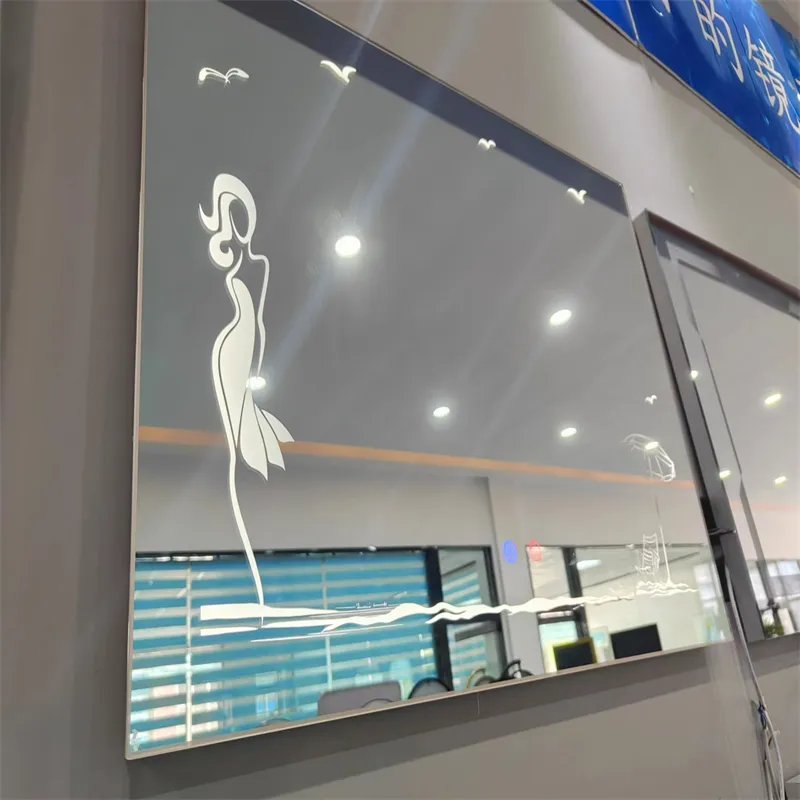
Between 2010 and 2020, the trend shifted toward aesthetic luxury. This period saw the introduction of acid etched glass for interior partitions and decorative facades, reflecting a desire for privacy and sophisticated matte finishes in luxury residential projects.

From 2021 to the present, the focus has pivoted toward "Green Building" standards. The adoption of ar glass (Anti-Reflective) for specialized displays and energy-efficient coatings has surged to reduce glare and optimize light transmission.

Future Development Trends

Smart Thermal Adaptation

Expect a rise in dynamic coatings that adjust based on the intense Turkmen sun to maintain indoor temperatures automatically.

Enhanced Structural Safety

Increased implementation of multi-layer safety glass to combat the high wind loads found in open steppe regions.

Sustainable Raw Material Sourcing

A shift toward recycled glass content to align with global ESG goals while maintaining high optical clarity.

Industry Trends and Future Outlook

Predicting the next frontier of glass technology in Central Asia.

Solar Heat Control
Advanced coatings designed to reject 70% of solar infrared radiation in arid zones.
Optical Clarity
Implementing high-transparency materials to reduce internal artificial lighting needs.
Seismic Resilience
Development of flexible laminated interlayers for earthquake-prone regions.
Low-E Integration
Combining Low-Emissivity layers with tempering for ultimate thermal insulation.

Industry Outlook

Based on Google search trends for architectural glass in the Asia-Pacific and Central Asian regions, there is a significant uptick in queries regarding "energy-saving glazing" and "heat-reflective facades." This indicates that Turkmenistan is moving toward a more sustainable urban development model.

Over the next 3-5 years, we anticipate that the market will move away from simple aesthetics and toward functional integration, where glass is no longer just a partition but a tool for energy management and environmental control.

Local Application Scenarios in Turkmenistan

Real-world deployment of high-tech glass in Turkmen environments.

01. Governmental Administrative Centers

Utilizing large-scale reflective glass to maintain a majestic appearance while drastically reducing the air conditioning load required for massive internal volumes.

02. Luxury Residential Villas in Ashgabat

Integration of acid etched glass for bathroom partitions and sliding doors, providing a frosted luxury feel and essential privacy.

03. High-End Commercial Showrooms

Deployment of ar glass for product displays to eliminate glare from strong sunlight, ensuring crystal clear visibility of luxury goods.

04. Public Infrastructure and Transit Hubs

Application of tempered laminated glass for canopy roofing and safety railings in new airports and railway stations to ensure public safety.

05. Desert-Edge Industrial Facilities

Installation of heavy-duty clear float glass with reinforced coatings to resist sand abrasion and extreme thermal expansion.

Brand Story

Global Development History of Shahe City Xiaote Glass Co., Ltd.

Foundational Excellence

Established as a specialist in deep-processing glass, we focused on solving the fundamental problem of glass fragility and thermal inefficiency.

Technological Breakthrough

Developed proprietary tempering and laminating processes that exceed international safety standards, enabling us to enter the global market.

Market Expansion

Expanded our footprint across Central Asia, tailoring our product line to meet the specific climatic challenges of regions like Turkmenistan.

Quality Certification

Achieved global certifications for energy efficiency and impact resistance, cementing our status as a trusted technical glass partner.

Sustainable Future

Currently leading the transition toward carbon-neutral glass manufacturing, ensuring our growth benefits the planet and our clients.

Complete Product Portfolio for Turkmenistan

A comprehensive range of glass solutions engineered for durability and efficiency.

Turkmenistan Localized FAQ

Expert answers to common challenges in deep-processing glass application.

How does reflective glass perform in Ashgabat's peak summer?

Our reflective glass is specifically designed to bounce back a high percentage of solar radiation, significantly lowering indoor temperatures and reducing the electricity load on AC systems during the extreme Turkmen summer.

Is tempered laminated glass suitable for seismic zones in Central Asia?

Yes, the combination of tempering for strength and lamination for fragment retention makes it the safest choice for buildings in seismic regions, preventing shards from falling during a tremor.

Can acid etched glass be used for exterior facades in desert climates?

While acid etched glass is primarily used for interiors, it can be used externally if properly protected. However, for facades, we recommend reflective coatings to manage heat.

What are the advantages of ar glass for commercial signage in Turkmenistan?

Anti-reflective (ar glass) minimizes the "mirror effect" caused by the intense overhead sun, ensuring that customers can see displays clearly without distracting reflections.

How do I choose between clear float glass and treated glass for industrial use?

Clear float glass is ideal for basic partitions. However, for industrial areas with high thermal stress or safety risks, treated glass like tempered or laminated options is mandatory for durability.

Does your glass withstand sand abrasion common in the Karakum region?

Our deep-processed glass undergoes surface hardening and optional protective coatings that increase resistance to the micro-abrasions caused by wind-blown sand.

Consult Our Glass Specialists

Ready to upgrade your architectural project in Turkmenistan with industry-leading glass technology? Our engineers are here to help.

Contact Us Now

If you are interested in our products, you can choose to leave your information here, and we will be in touch with you shortly.