
High-Performance reflective glass Solutions for the US Market

Engineering precision-grade technical glass for North American architectural and industrial standards, blending energy efficiency with superior optical clarity.

High-Performance reflective glass Solutions for the US Market

We provide a comprehensive range of deep-processed glass engineered to withstand the diverse climatic challenges of the United States, from the humid Southeast to the arid Southwest.

The State of Technical Glass Processing in the United States

Analyzing the intersection of energy regulations and glass innovation in North America.

In the United States, the demand for high-efficiency glazing is driven by rigorous LEED certifications and state-specific energy codes. The widespread use of clear float glass serves as the essential substrate, but the market is rapidly shifting toward value-added processing to reduce HVAC loads in extreme climates.

Geographically, the US market shows distinct preferences: the Sun Belt requires advanced solar control through specialized coatings, while the Northeast prioritizes thermal insulation. This has led to a surge in the adoption of tempered laminated glass to meet both safety standards and sound attenuation requirements in dense urban hubs like New York and Chicago.

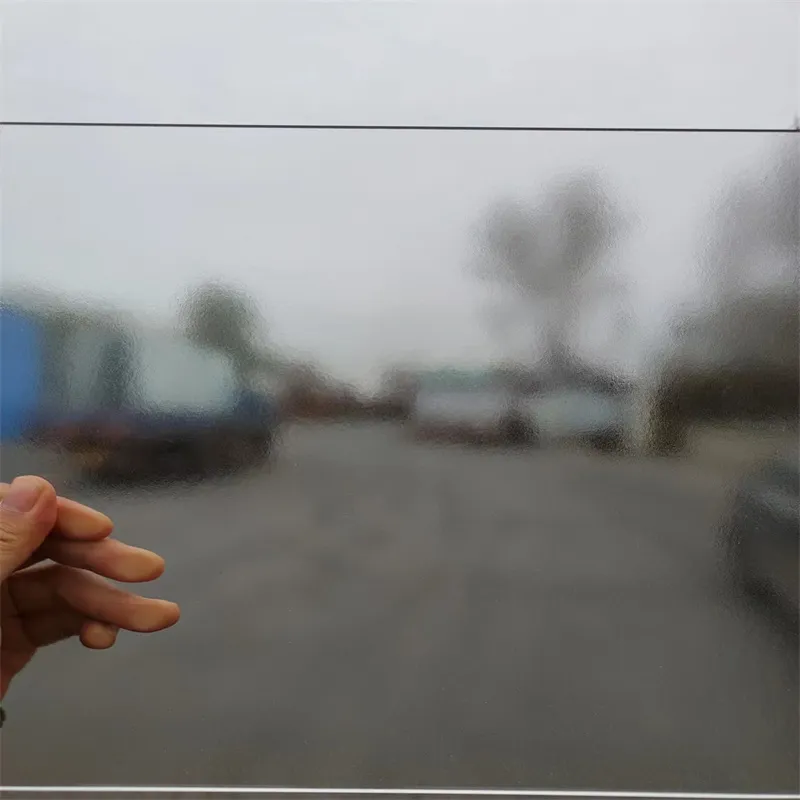
Economic volatility and the push for sustainable "Green Building" have forced manufacturers to optimize the supply chain. There is a growing trend toward integrating acid etched glass in commercial interiors to balance the need for natural light with the necessity of privacy in open-office layouts.
Evolution and Trajectory of Glass Processing Technology

From basic float processes to advanced optical engineering.

Market Development History

During the late 20th century, the US market relied heavily on standard annealing and basic coloring. The initial phase was dominated by basic clear float glass, which provided the transparency needed for the post-war architectural boom but lacked thermal efficiency.

By the early 2000s, a technical pivot occurred with the introduction of high-vacuum sputtering. This allowed for the mass production of ar glass (anti-reflective) and low-E coatings, significantly reducing the solar heat gain coefficient (SHGC) for American skyscrapers.

In the last decade, the focus has shifted toward hybrid safety and aesthetics. The integration of ion-exchange strengthening and polymer interlayering evolved the industry toward high-impact tempered laminated glass, meeting the stringent ASTM safety standards of the US.

Future Development Trends

AI-Driven Coating Precision

Expect a shift toward AI-controlled deposition for ar glass to achieve near-zero reflectance for specialized medical and aerospace displays.

Dynamic Solar Control

Electrochromic technologies will merge with reflective properties, allowing glass to change transparency based on real-time US weather data.

Sustainable Etching Processes

The transition from traditional chemicals to laser-based frosting will replace standard acid etched glass to minimize environmental impact.

Future Trends and Industry Outlook

Strategic projections for the next 3-5 years of deep-processed glass.

Ultra-Low Reflectance
Advancements in nanostructured coatings for high-end AR applications.
Net-Zero Glazing
Integration of BIPV (Building Integrated Photovoltaics) with reflective glass.
Smart Privacy Glass
Switchable opacity combining etching textures with electronic control.
Ultra-High Strength
Chemical strengthening for thinner, lighter architectural membranes.

Industry Outlook

Google search trends in the US indicate a 25% increase in queries related to "energy-saving glass" and "sustainable glazing," suggesting that the market is moving beyond mere aesthetics toward functional performance. The convergence of AR technology and architectural glass will likely create new niches in the "Smart City" infrastructure.

Consequently, manufacturers who can provide a unified solution—combining the safety of laminated glass with the efficiency of reflective coatings—will dominate the North American commercial sector.

Localized Application Scenarios in the United States

Real-world implementations of deep-processed glass across diverse US sectors.

01. Las Vegas High-Rise Facades

Utilizing high-gain reflective glass to minimize extreme desert heat absorption, reducing cooling costs for luxury hotels.

02. New York Corporate Interiors

Implementing acid etched glass partitions in Manhattan office towers to maximize natural light while ensuring executive privacy.

03. Florida Hurricane-Proof Residences

Deploying thick tempered laminated glass to meet stringent Miami-Dade County impact resistance standards.

04. California Tech Lab Displays

Integrating precision ar glass in Silicon Valley research centers to eliminate glare on critical monitoring screens.

05. Midwest Modern Residential Glazing

Using premium clear float glass as a base for triple-pane insulated windows to combat harsh winter temperatures.

Brand Story

Global Development Journey of Shahe City Xiaote Glass Co., Ltd.

Foundational Excellence

Established with a focus on precision, we began by mastering the basics of float glass processing to serve local industrial needs.

Technological Pivot

We invested in advanced tempering and laminating lines to solve the critical safety pain points of the glass industry.

Global Expansion

Expanding into the North American market, we aligned our production with ASTM and ANSI standards to serve US architects.

Innovation Leadership

Developed proprietary etching and coating techniques to provide superior AR and reflective solutions globally.

Future Vision

Committed to carbon-neutral manufacturing, we aim to lead the transition to sustainable, smart glass globally.

Complete Glass Portfolio for the United States Market

A comprehensive suite of technical glass products tailored for US construction and industrial sectors.

Common Questions Regarding US Glass Standards

Expert answers to technical queries about glass processing and compliance.

Does your tempered laminated glass meet US safety codes?

Yes, our products are engineered to comply with ANSI Z97.1 and CPSC 16 CFR 1201 standards, ensuring maximum safety for architectural use in the United States.

What is the difference between acid etched glass and sandblasted glass?

Acid etched glass provides a smoother, more consistent satin finish that is easier to clean and more resistant to fingerprints than sandblasted glass.

How does reflective glass impact energy efficiency in the Sun Belt?

It significantly reduces the Solar Heat Gain Coefficient (SHGC), blocking a large portion of infrared radiation and lowering AC costs in hot regions like Arizona and Texas.

Can AR glass be customized for specific light transmission levels?

Absolutely. Our anti-reflective coatings can be tuned to specific wavelengths to optimize transmission and minimize glare for various technical applications.

Is clear float glass suitable for all types of further processing?

Yes, high-quality clear float glass is the ideal base for tempering, laminating, and coating due to its low distortion and high purity.

What are the lead times for custom architectural glass orders to the US?

Lead times vary by project complexity, but we utilize optimized logistics to ensure timely delivery to all major US ports and inland hubs.

Get Your Technical Glass Consultation

Partner with a leading manufacturer for high-precision glass solutions delivered across the United States.

Contact Us Now

If you are interested in our products, you can choose to leave your information here, and we will be in touch with you shortly.