
High-Performance reflective glass Solutions for South Sudan

Advanced deep-processing glass engineering tailored for the extreme climatic conditions and infrastructure growth of South Sudan.

High-Performance reflective glass Solutions for South Sudan

We provide a comprehensive range of specialized glass products, from basic clear float glass to high-tech security and decorative options, ensuring durability and energy efficiency for South Sudanese architectural projects.

Glass Manufacturing Landscape in South Sudan

Analyzing the intersection of infrastructure demand and environmental challenges.

South Sudan's glass market is currently characterized by a heavy reliance on imports due to the nascent state of local heavy industrial manufacturing. In Juba and other emerging urban centers, there is a critical need for materials that can withstand high UV radiation and extreme temperature fluctuations, making high-quality reflective glass a priority for energy-efficient building design.

The prevailing economic environment, focused on reconstruction and stability, has led to a surge in government and NGO-led infrastructure projects. This creates a dual demand: basic clear float glass for residential use and highly specialized tempered laminated glass for secure diplomatic and administrative facilities.

Logistical challenges across the Nile basin often lead to material degradation during transit. Consequently, the market is shifting toward "deep-processed" glass that arrives pre-treated for durability, reducing the need for on-site modification and ensuring that safety standards are met despite local technical constraints.
Evolution of Glass Technology in the Region

From basic transparency to advanced thermal and safety engineering.

Market Development History

Prior to 2011, the region primarily utilized standard annealed glass, which offered minimal thermal insulation and poor safety performance. This era was defined by simple transparency, where clear float glass was the only available option for most structures.

Between 2012 and 2020, as urban construction intensified, the market witnessed the introduction of safety glass. The adoption of tempering and laminating processes began to replace fragile single-pane windows, introducing tempered laminated glass to protect against accidental breakage and increase structural integrity.

Since 2021, there has been a pivot toward "smart" and "functional" glass. The demand for ar glass for specialized displays and acid etched glass for interior privacy has grown, reflecting a shift from survival-based construction to aesthetic and energy-conscious architecture.

Future Development Trends

Solar Heat Gain Reduction

Driven by rising temperatures, the next 3 years will see a massive shift toward low-emissivity and reflective coatings to reduce dependence on air conditioning.

Enhanced Security Integration

Increasing urbanization will drive the adoption of multi-layered security glass that combines ballistic resistance with thermal insulation.

Sustainable Material Sourcing

Google search trends indicate a growing interest in "green building" in Africa, suggesting a future demand for recyclable glass and carbon-neutral manufacturing processes.

Industry Outlook and Future Trajectory

Strategic foresight into the South Sudanese deep-processing glass sector.

Thermal Efficiency Optimization
Increasing integration of reflective coatings to combat the harsh equatorial sun and reduce cooling costs.
Infrastructure Safety Standards
Shift toward tempered and laminated safety glass for all public-facing commercial buildings in Juba.
Architectural Aesthetics
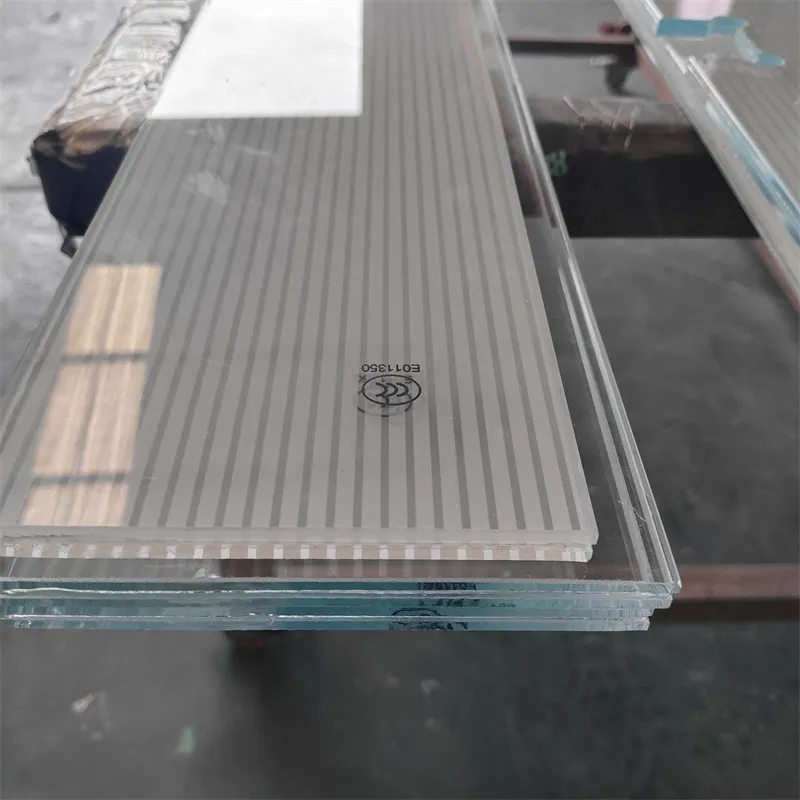
Rise in demand for acid-etched and frosted glass for modern office partitioning and luxury interiors.
Advanced Optical Coatings
Implementing AR coatings for high-precision equipment and digital interface installations.

Industry Outlook

The South Sudanese glass industry is poised for a transition from simple supply to value-added engineering. As the nation stabilizes, the focus will shift toward sustainable urban development, where glass is no longer just a window but a tool for energy management and security.

We anticipate a 15% annual increase in the demand for deep-processed glass, specifically those that offer high thermal resistance and impact safety, aligning with international building codes being adopted by new commercial developers in the region.

Localized Application Scenarios in South Sudan

Real-world implementation of deep-processed glass in diverse environments.

1. Governmental & Diplomatic Hubs

Implementation of high-impact tempered laminated glass for embassies and ministerial buildings in Juba to ensure maximum security and shatter-resistance.

2. Modern Commercial Complexes

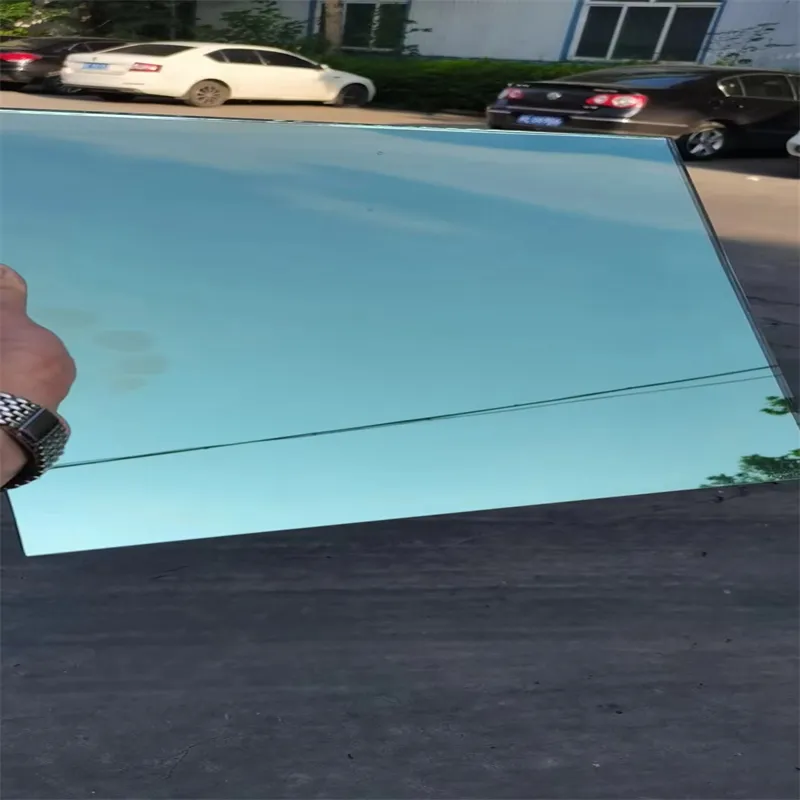
Use of reflective glass facades in new shopping malls to reduce solar heat gain and lower operational energy costs in the hot climate.

3. Luxury Residential Interiors

Application of acid etched glass for bathroom partitions and frosted sliding doors in upscale villas, providing privacy without sacrificing natural light.

4. Industrial Warehousing

Installation of durable clear float glass for skylights and industrial windows, providing essential visibility and brightness for manufacturing zones.

5. Specialized Tech Installations

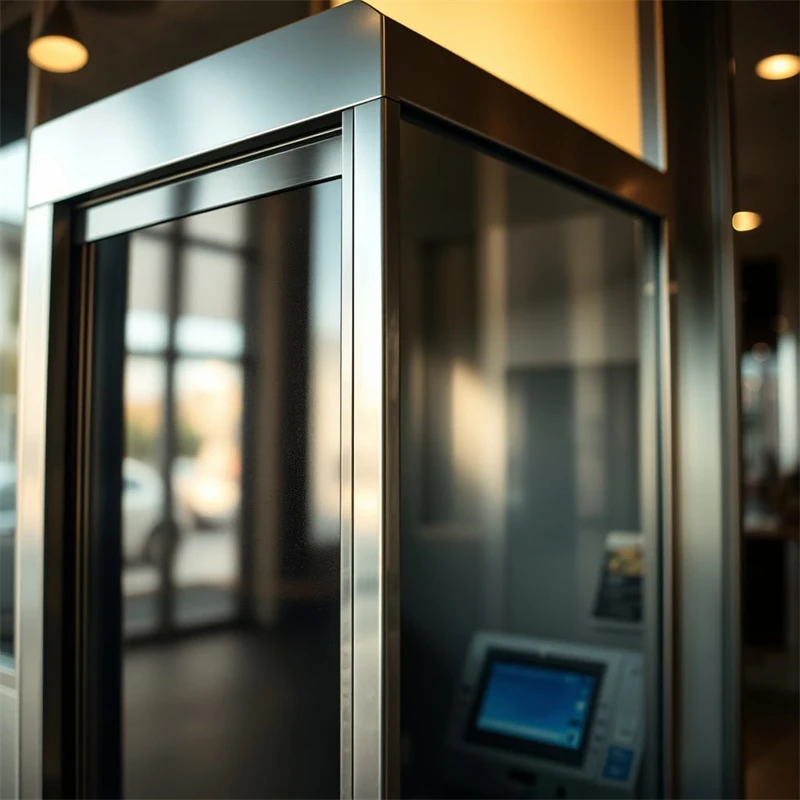
Utilizing ar glass (Anti-Reflective) for digital signage and control room monitors in oil and gas facility management centers.

Brand Story

Global Development Journey of Shahe City Xiaote Glass Co., Ltd.

Foundational Excellence

Started with a mission to master the basics of float glass production, establishing a reputation for purity and structural consistency.

Deep Processing Pivot

Expanded into tempering and laminating technologies to solve the critical pain point of glass fragility in industrial applications.

Optical Innovation

Developed advanced AR and reflective coating lines to meet the needs of the global energy-efficient architecture movement.

Global Expansion

Successfully entered the African market, adapting product specifications to meet the extreme environmental needs of regions like South Sudan.

Future Sustainability

Now focusing on eco-friendly manufacturing and smart-glass integration to lead the next generation of architectural glass.

Complete Glass Portfolio for South Sudan

A one-stop procurement solution for all technical glass requirements.

Common Questions for South Sudan Glass Projects

Technical guidance for local contractors and architects.

Which glass is best for heat reduction in South Sudan?

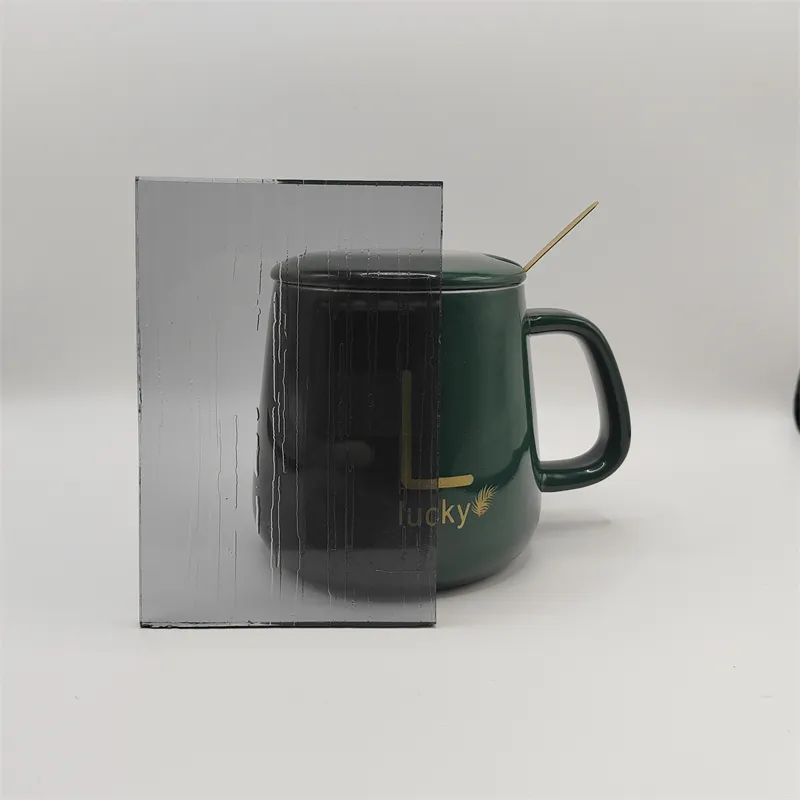
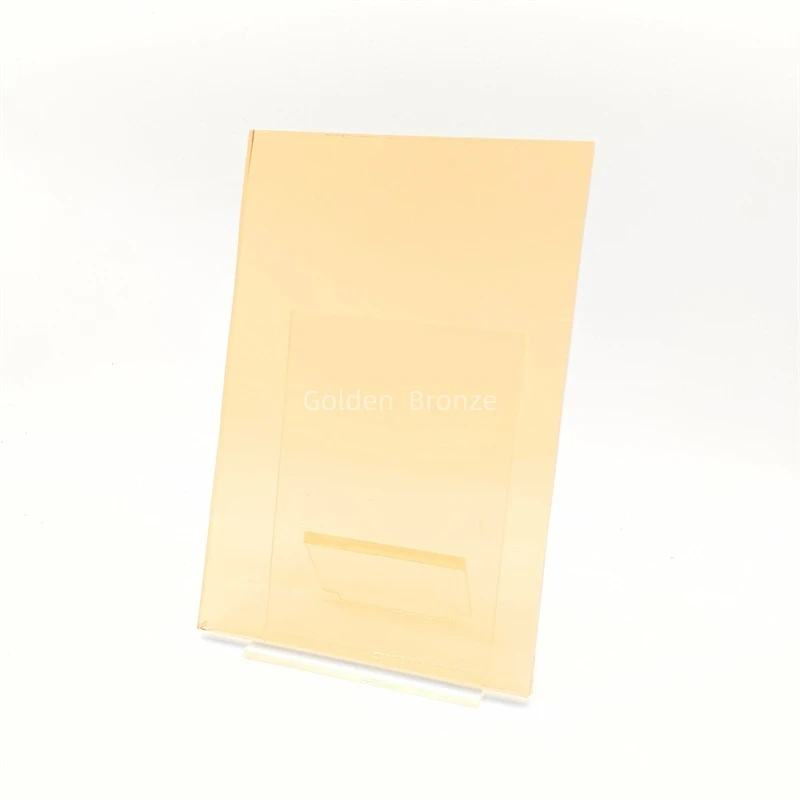
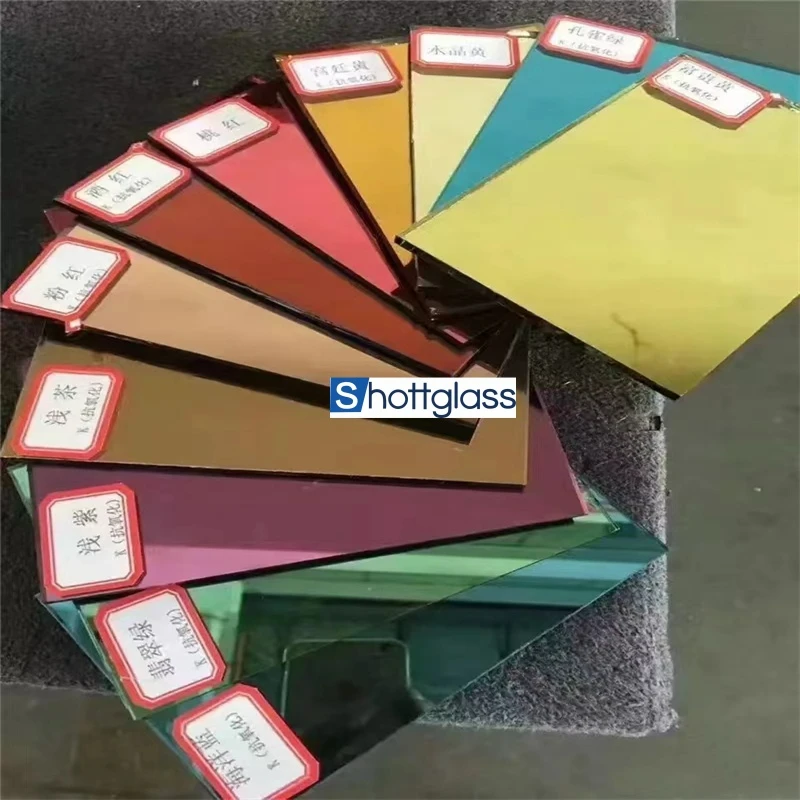
We highly recommend reflective glass due to its ability to reflect a significant portion of solar radiation, keeping interiors cool and reducing electricity costs.

How does tempered laminated glass improve building security?

tempered laminated glass combines strength and safety; if the glass breaks, the interlayer holds the fragments together, preventing forced entry and injury.

Can acid etched glass be used in high-humidity areas?

Yes, acid etched glass is highly durable and resistant to moisture, making it ideal for bathroom and kitchen applications in the Nile basin region.

What is the advantage of AR glass for digital displays?

ar glass minimizes reflections and increases light transmission, ensuring that screens are clearly visible even under bright outdoor lighting.

Is clear float glass suitable for external windows in Juba?

While clear float glass is excellent for light, for external use in Juba, we suggest tempering it or adding a reflective coating to prevent heat gain.

How should deep-processed glass be transported to remote sites?

We use reinforced A-frame wooden crates with shock-absorbent padding specifically designed for the rugged transport conditions found in South Sudan.

Consult Our Glass Experts

Get professional technical support and tailored glass specifications for your next infrastructure project in South Sudan.

Contact Us Now

If you are interested in our products, you can choose to leave your information here, and we will be in touch with you shortly.