
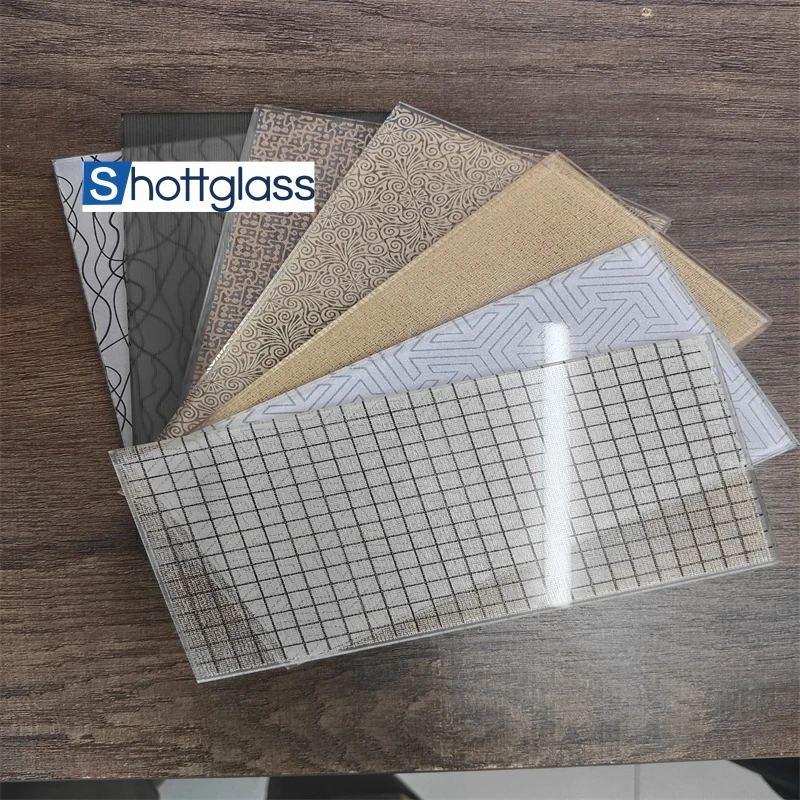
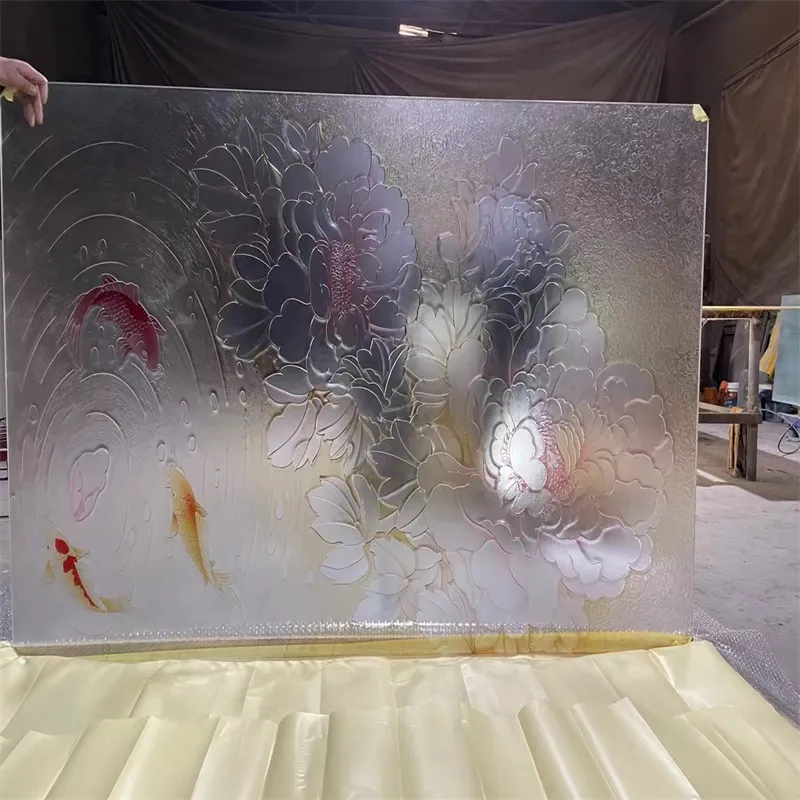
High-Performance Reflective Glass Solutions for Philippines Architecture

Integrating advanced thermal control and structural integrity to combat the tropical climate of the Philippines with premium deep-processed glass technology.

High-Performance Reflective Glass Solutions for Philippines Architecture

We provide a comprehensive range of technical glass products designed to enhance energy efficiency, safety, and aesthetics for the booming construction sector in Asia - Philippines.

Glass Industry Landscape in the Philippines

Analyzing the demand for high-spec glass in a tropical, disaster-prone archipelago.

The Philippines' construction market is currently dominated by high-rise developments in Metro Manila and Cebu, where the extreme tropical heat and high humidity drive a critical demand for reflective glass to reduce solar heat gain and lower air conditioning costs.

Given the region's vulnerability to typhoons, there is a significant shift toward safety-first materials. Developers are increasingly replacing standard panes with tempered laminated glass to ensure structural resilience against high wind loads and flying debris during storm seasons.

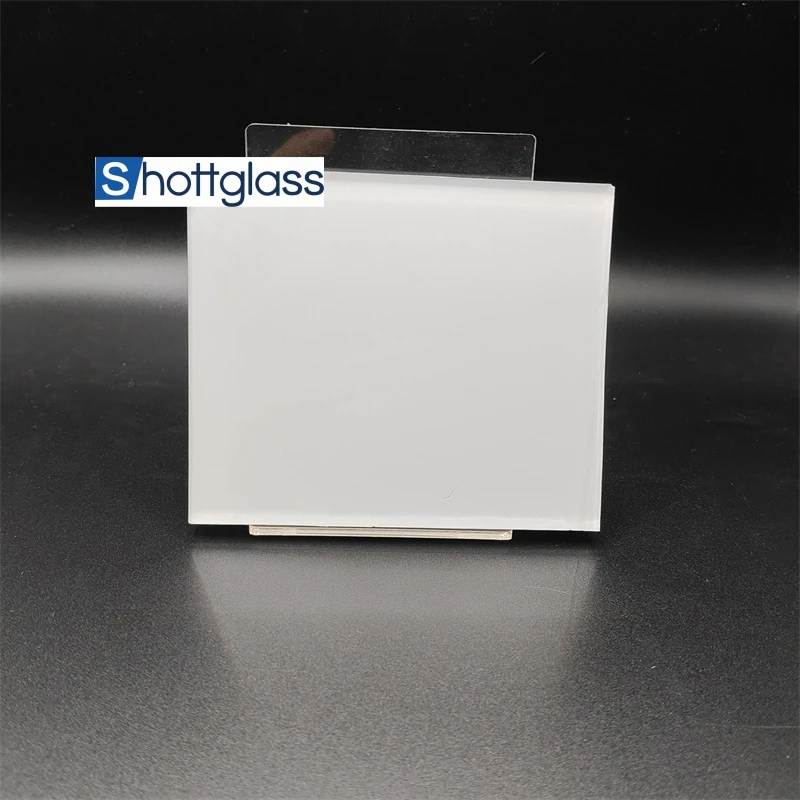
Additionally, the rise of luxury hospitality and commercial hubs in Boracay and Palawan has increased the adoption of aesthetic yet functional materials like acid etched glass for privacy partitions and interior design, blending modern minimalism with regional environmental needs.
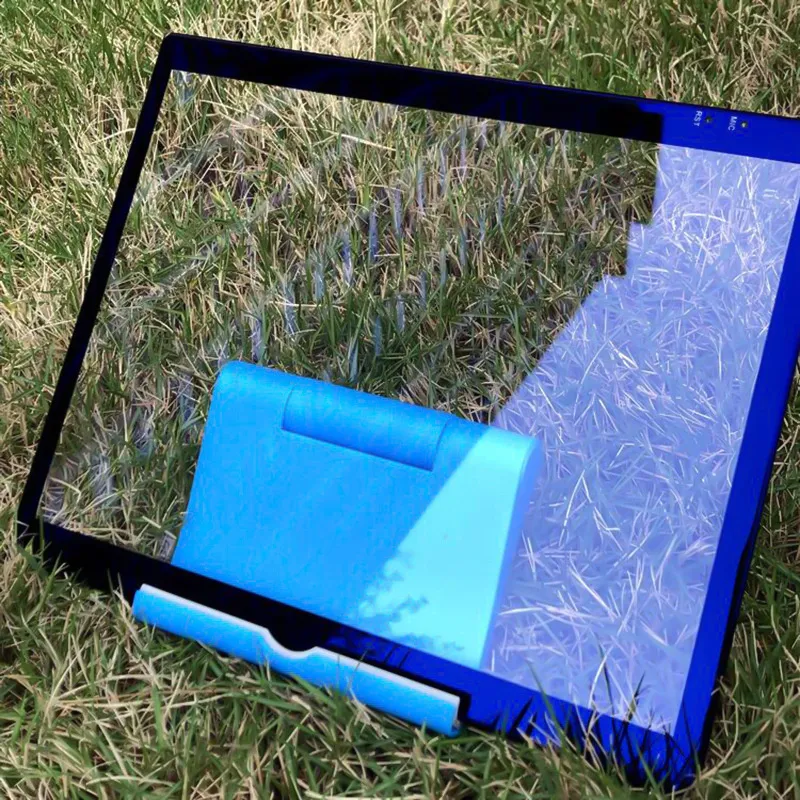

Evolution of Deep-Processed Glass in the Philippines

From basic transparency to intelligent thermal and safety engineering.

Market Development History

In the early 2000s, the Philippine market primarily relied on clear float glass for residential and basic commercial use. The focus was purely on transparency and basic weatherproofing, with little regard for energy efficiency.

Between 2010 and 2018, a technological pivot occurred as "Green Building" certifications (LEED) gained traction in Makati and BGC. This era saw the mass adoption of coated and reflective surfaces to manage the intense solar radiation of the Asia-Pacific region.

From 2019 to the present, the industry has entered the "High-Safety & High-Precision" phase, where deep-processing techniques like chemical tempering and multi-layer lamination have become standard for skyscrapers and infrastructure projects.

Future Development Trends

Smart Thermal Modulation

Integration of dynamic coatings that adjust transparency based on sunlight intensity to further optimize HVAC energy consumption in Manila's CBD.

Ultra-Clear Visual Engineering

The growing demand for ar glass in high-end electronics and architectural displays to eliminate glare and maximize light transmission.

Eco-Friendly Processing

A shift towards sustainable etching and polishing methods to meet stricter environmental regulations within the Philippine manufacturing sector.

Industry Trends and Future Outlook

Forecasting the trajectory of technical glass manufacturing for the next 5 years.

Energy Efficiency Optimization
Enhanced Low-E and reflective coatings to meet the Philippines' rising energy costs and carbon reduction goals.
Storm-Resistant Engineering
Standardizing high-impact tempered laminated solutions for all coastal development projects to mitigate typhoon risks.
Optical Precision Growth
Adoption of ar glass in the expanding Philippine electronics assembly and smart-home markets.
Aesthetic Customization
Increasing use of acid etched glass for high-end interior branding and corporate identity in Metro Manila.

Industry Outlook

Based on Google search trends in the Philippines, there is a surge in queries related to "energy-saving windows" and "hurricane-proof glass," indicating a market shift toward high-performance technical specifications rather than commodity glass.

The integration of AI-driven design in glass cutting and tempering will allow Philippine architects to implement more complex geometries while maintaining the strict safety standards required by local building codes.

Localized Application Scenarios in the Philippines

Real-world implementations of deep-processed glass in Asia - Philippines.

1. BGC Corporate Skyscrapers

Deployment of high-reflectivity and Low-E glass to mitigate the "Urban Heat Island" effect in Bonifacio Global City, significantly reducing cooling costs.

2. Coastal Resort Architecture in Palawan

Using tempered laminated glass for floor-to-ceiling windows that withstand saline corrosion and typhoon-force winds.

3. Manila Luxury Condo Interiors

Installation of acid etched glass for bathroom partitions and kitchen backsplashes, providing a frosted look without sacrificing light.

4. Retail Storefronts in SM Malls

Application of clear float glass treated with anti-reflective coatings to enhance product visibility and reduce glare from overhead lighting.

5. High-Tech Industrial Parks in Laguna

Utilizing specialized ar glass for control room monitors and clean-room partitions to ensure maximum optical clarity for precision manufacturing.

Brand Story

The Global Development Journey of Shahe City Xiaote Glass Co., Ltd.

Foundational Excellence

Established with a focus on deep-processing, we began by solving the most basic purity issues in float glass manufacturing.

Technological Breakthrough

Developed proprietary tempering and lamination processes to meet international safety standards for high-rise buildings.

Global Market Expansion

Expanded our footprint into Asia - Philippines, adapting our technical glass products to tropical climatic challenges.

Innovation in Optical Glass

Invested in AR and high-precision coating lines to serve the global electronics and high-end architectural sectors.

Sustainable Future

Committing to zero-waste manufacturing and carbon-neutral glass processing for a greener global environment.

Complete Glass Portfolio for Asia - Philippines

A one-stop solution for all architectural and technical glass requirements in the region.

Frequently Asked Questions in the Philippines

Expert answers to the most common technical glass queries from local clients.

Which glass is best for reducing heat in Manila's tropical weather?

For intense heat, we recommend reflective glass or Low-E coated glass, as they reflect a significant portion of solar radiation while maintaining interior lighting.

Is tempered laminated glass necessary for coastal buildings in the Philippines?

Yes, it is highly recommended. This combination provides both the strength of tempering and the safety of lamination, preventing shards from falling during typhoons.

What is the difference between acid etched glass and frosted glass?

Acid etched glass uses a chemical process to create a permanent, smooth, satin-like finish that is easier to clean and more durable than sandblasted frosted glass.

Can ar glass be used for architectural applications?

Yes, anti-reflective (AR) glass is ideal for museum displays, luxury retail storefronts, and high-end interior partitions where maximum clarity is required.

How long does clear float glass typically last in humid environments?

Standard float glass is chemically stable, but for longevity in humid coastal areas, we recommend deep-processed coatings to prevent surface degradation.

How to maintain reflective glass in high-pollution urban areas like Metro Manila?

Regular cleaning with non-abrasive detergents is recommended to prevent dust buildup from obstructing the reflective properties of the coating.

Consult Our Technical Glass Experts

Providing world-class deep-processed glass solutions tailored for the unique environment of Philippines.

Contact Us Now

If you are interested in our products, you can choose to leave your information here, and we will be in touch with you shortly.