
High-Performance reflective glass Solutions for Equatorial Guinea

Integrating advanced deep-processing glass technology to optimize energy efficiency and architectural aesthetics in the Gulf of Guinea region.

High-Performance reflective glass Solutions for Equatorial Guinea

Providing the construction and industrial sectors of Equatorial Guinea with cutting-edge processed glass that balances thermal insulation, safety, and visual clarity.

Current State of Glass Manufacturing in Equatorial Guinea

Analyzing the intersection of tropical climates and architectural glass demands.

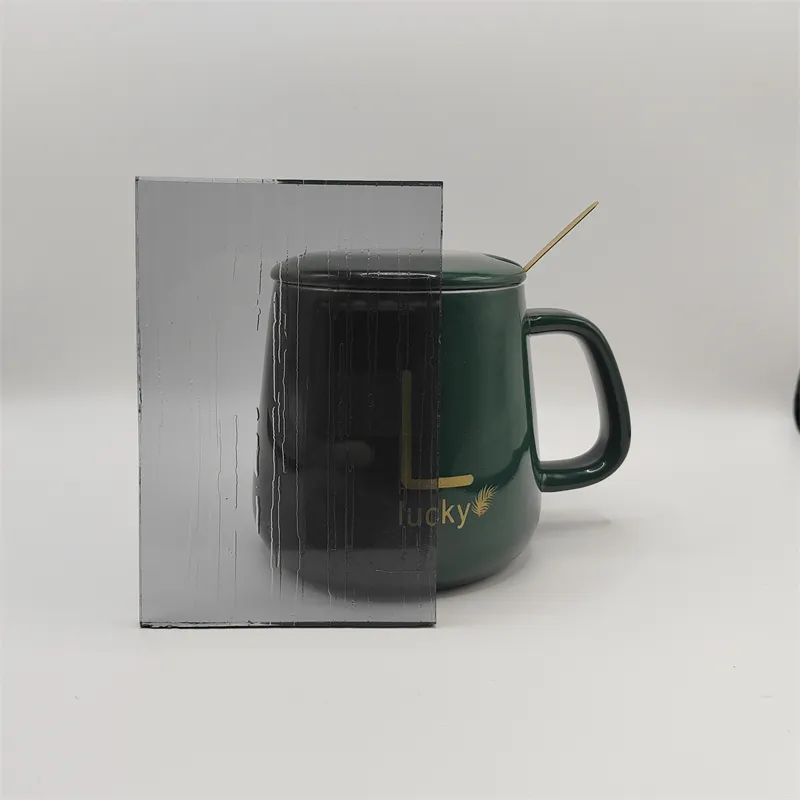
Equatorial Guinea faces extreme humidity and high solar radiation, which places immense pressure on building facades. Currently, the market is transitioning from basic clear float glass to more sophisticated heat-reflective options to reduce the reliance on energy-intensive air conditioning in cities like Malabo and Bata.

The industrial landscape is characterized by a high dependency on imported processed glass. There is a growing demand for tempered laminated glass to ensure structural safety in public infrastructure projects, moving away from non-tempered alternatives that pose higher risks under thermal stress.

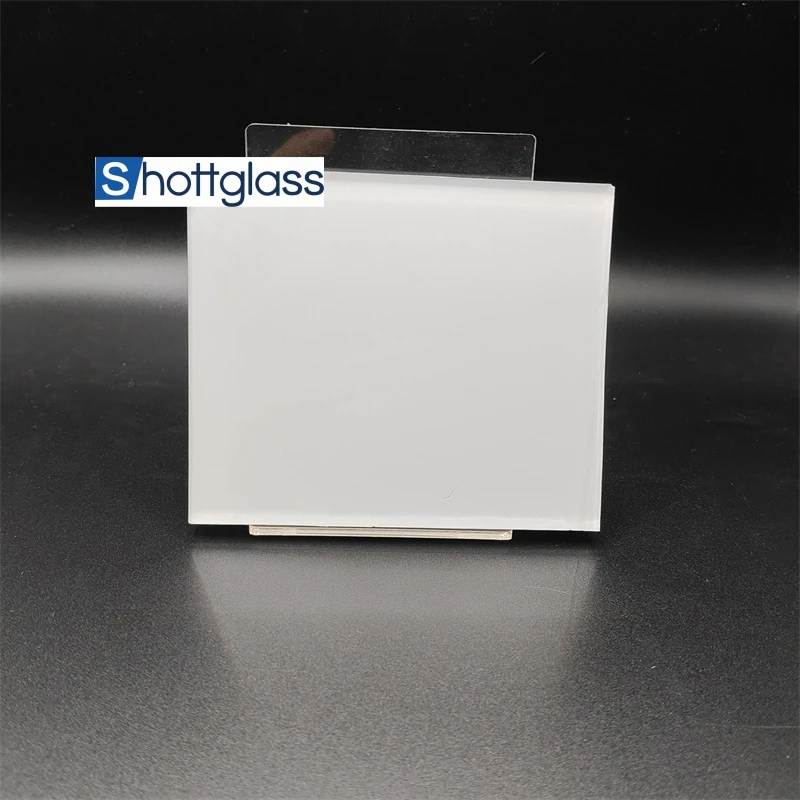
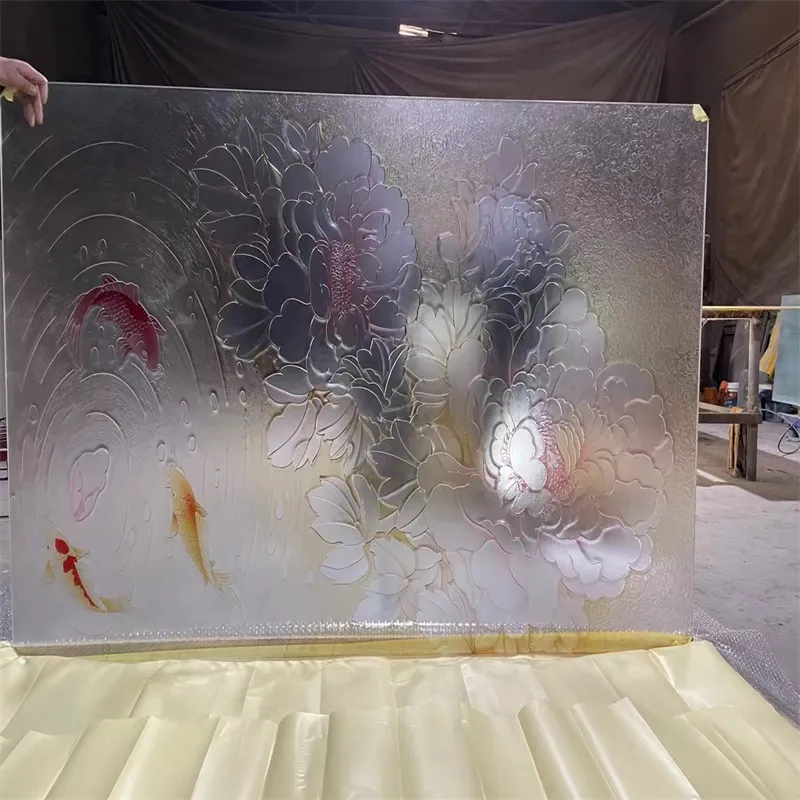
While standard glazing is common, the niche for high-end decorative and functional glass, such as acid etched glass, is expanding as luxury hospitality and corporate offices seek a balance between privacy and natural light diffusion.

Technical Evolution and Market Trajectory

From basic transparency to intelligent light management.

Market Development History

In the early 2000s, the market was dominated by single-pane float glass, which offered minimal thermal protection. As Equatorial Guinea's urban infrastructure expanded, the focus shifted toward safety and basic solar control between 2010 and 2018.

The period from 2018 to 2023 saw the introduction of advanced coatings. The adoption of ar glass (anti-reflective) began appearing in specialized equipment and high-end display cases to eliminate glare in bright equatorial sunlight.

Today, the trajectory is moving toward integrated safety-performance systems, where thermal control and impact resistance are combined into single, multi-layered glass units to meet international building codes.

Future Development Trends

Active Solar Heat Rejection

Future trends indicate a shift toward dynamic coatings that can adapt to the extreme temperature fluctuations of the region, further optimizing HVAC efficiency.

Enhanced Safety Standardization

Increased implementation of laminated safety layers across all commercial storefronts to mitigate risks from environmental stress and urban accidents.

Sustainable Material Sourcing

A move toward low-carbon glass production and recyclable substrates, aligning with global green building certifications (LEED) being adopted in new African developments.

Industry Trends and Future Outlook

Predicting the next 5 years of deep-processing glass in West Africa.

Thermal Performance Optimization
Implementing advanced spectral selectivity to block IR heat while maintaining visible light transmission.
Urban Safety Integration
Standardizing tempered and laminated composites for high-rise residential developments.
Architectural Minimalism
Using etched and frosted glass to create seamless transitions between indoor and outdoor spaces.
Smart Glass Adoption
The rise of electrochromic and light-controlling glass in government and corporate hubs.

Industry Outlook

Based on current search trends for "energy efficient building materials in Africa," we anticipate a significant surge in the demand for high-reflectance and low-emissivity glass. The focus is shifting from mere availability to technical certification and longevity.

The Equatorial Guinea market will likely evolve into a hub for regional architectural innovation, where deep-processed glass is used not only for utility but as a core element of sustainable luxury design.

Localized Application Scenarios in Equatorial Guinea

Practical deployments of technical glass in tropical urban environments.

1. Coastal Hotel Façades in Malabo

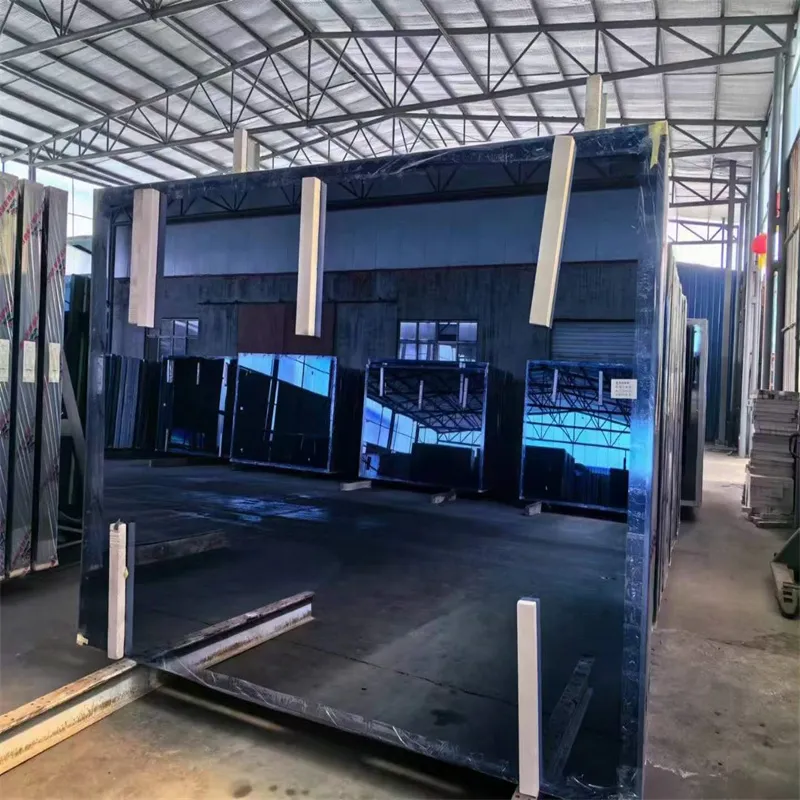
Utilizing high-performance reflective glass to minimize solar heat gain while offering panoramic views of the Atlantic coast, drastically reducing AC energy consumption.

2. Government Administrative Centers

Implementation of tempered laminated glass for security and structural integrity, ensuring safety against accidental impact and thermal stress in large-scale public buildings.

3. Luxury Residential Interior Partitions

Applying acid etched glass for bathroom and office partitions to provide a soft, matte finish that ensures privacy without blocking natural light.

4. High-End Retail Display Units

Integration of ar glass to eliminate distracting reflections, allowing luxury goods to be displayed with maximum clarity under bright store lighting.

5. Industrial Greenhouse Projects

Using reinforced clear float glass to maximize PAR (Photosynthetically Active Radiation) while ensuring durability against the intense tropical rains.

Brand Story

Global Development History of Shahe City Xiaote Glass Co., Ltd.

Foundational Excellence

Established with a vision to master the art of glass tempering, we began by solving the most basic durability issues for local industrial clients.

Technical Expansion

Expanded our capabilities into deep processing, introducing advanced laminating and etching lines to meet diverse architectural needs.

Quality Standardization

Achieved international quality certifications, ensuring our products meet the rigorous safety standards required for global export.

Global Market Entry

Strategically entered the African market, adapting our product line to solve specific climate-related challenges in regions like Equatorial Guinea.

Sustainable Future

Now focusing on "Green Glass" technology, reducing the carbon footprint of the manufacturing process while enhancing building efficiency worldwide.

Complete Glass Product Portfolio for Equatorial Guinea

A comprehensive range of processed glass tailored for the Gulf of Guinea's unique environment.

Frequently Asked Questions in Equatorial Guinea

Expert answers to common technical inquiries regarding deep-processed glass.

How does reflective glass reduce cooling costs in Malabo?

It uses a metallic coating to reflect a high percentage of solar infrared radiation, preventing heat from entering the building and reducing the load on HVAC systems.

Is tempered laminated glass necessary for high-humidity coastal areas?

Yes, the combination of tempering for strength and lamination for safety ensures that the glass does not shatter dangerously under extreme thermal expansion caused by tropical humidity.

What is the difference between ar glass and clear float glass?

While clear float glass is standard, ar glass has a specialized coating that reduces light reflection, making it ideal for displays and high-clarity architectural elements.

Can acid etched glass be used for exterior facades?

It is primarily used for interiors, but when protected by a laminated outer layer, it can be used for exterior decorative elements to provide diffused lighting.

How do I maintain processed glass in a salty ocean environment?

Regular rinsing with fresh water is recommended to remove salt deposits, which helps maintain the transparency and coating integrity of reflective and ar glasses.

What lead times are typical for custom glass orders in Equatorial Guinea?

Lead times vary based on the complexity of the tempering and lamination process, typically ranging from 3 to 6 weeks including international shipping.

Consult Our Glass Experts

Ready to optimize your project in Equatorial Guinea with advanced deep-processing glass technology?

Contact Us Now

If you are interested in our products, you can choose to leave your information here, and we will be in touch with you shortly.