
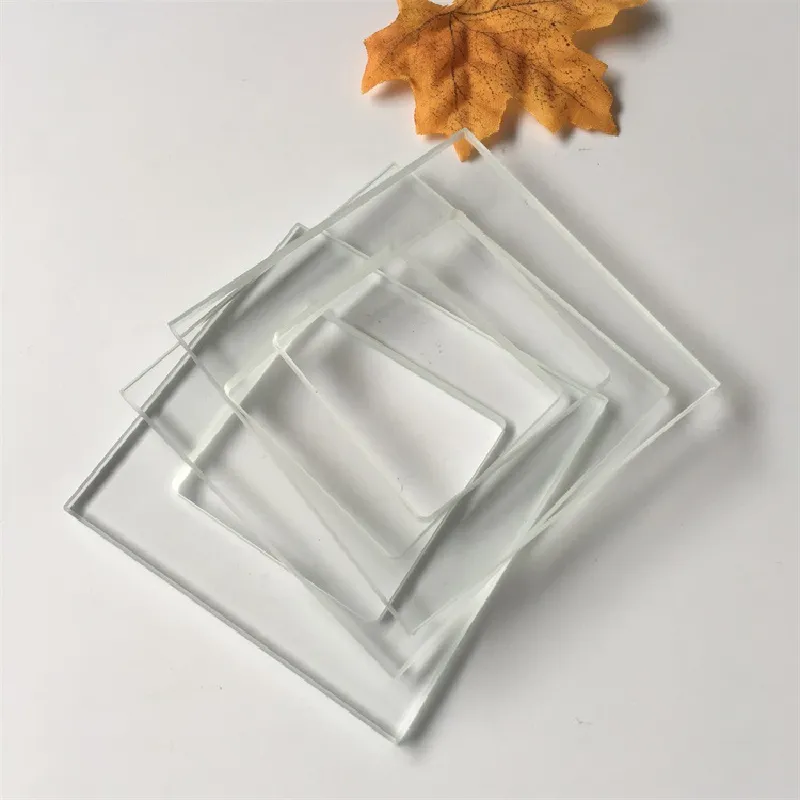
High-Performance reflective glass Solutions for Chile

Engineering advanced architectural glass surfaces to withstand the unique seismic and climatic challenges of the Chilean landscape.

High-Performance reflective glass Solutions for Chile

Providing a comprehensive suite of deep-processed glass products, from high-clarity clear float glass to specialized safety laminates, tailored for South American infrastructure.

Glass Manufacturing Status in South America - Chile

Analyzing the intersection of geological volatility and architectural demands in the Chilean glass market.

Chile's glass industry is heavily influenced by its extreme geography, ranging from the arid Atacama Desert to the humid south. This requires materials like reflective glass to mitigate intense solar radiation in northern urban centers like Antofagasta, reducing cooling costs in commercial skyscrapers.

Due to high seismic activity, the Chilean market has pivoted sharply toward safety-first specifications. There is a critical demand for tempered laminated glass, which ensures structural integrity and prevents hazardous shattering during earthquake events, adhering to strict national building codes.

Furthermore, the growth of the mining sector and high-tech industrial hubs has increased the adoption of ar glass for specialized monitoring equipment and industrial interfaces, blending functional durability with optical precision.

Evolution of Deep Processing Glass in Chile

From traditional glazing to smart, high-durability surface engineering.

Market Development History

In the early 2000s, the Chilean market relied primarily on standard clear float glass for residential needs, with limited local processing capabilities for high-spec technical glass.

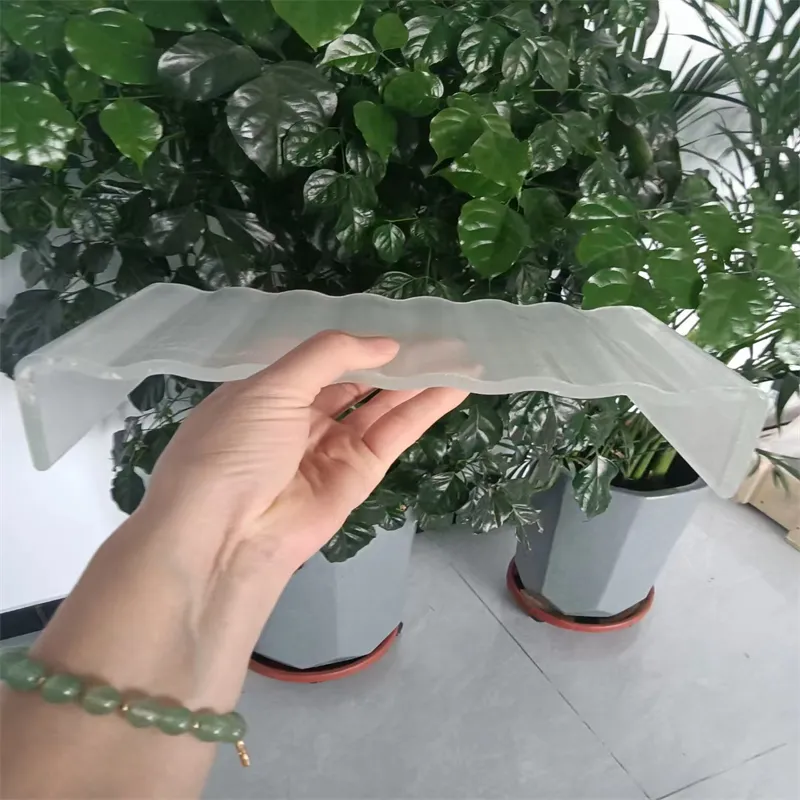
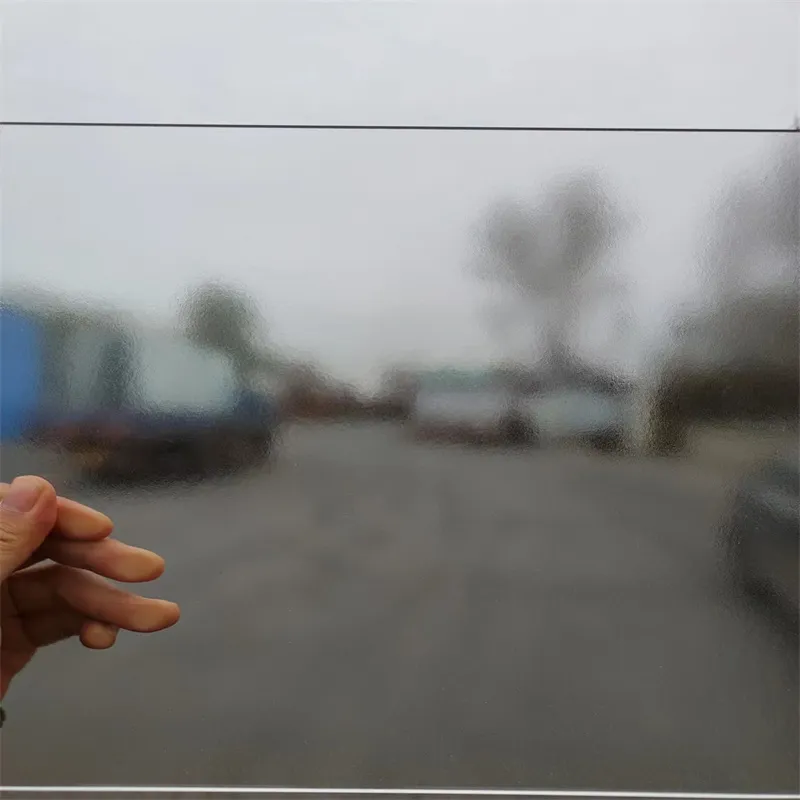
Between 2010 and 2020, a shift occurred toward energy efficiency and aesthetics. The introduction of acid etched glass became popular in interior design and privacy partitions for Santiago's expanding corporate office sector.

Entering the 2020s, the integration of multi-layered safety technologies and anti-reflective coatings has redefined the industry, focusing on the synergy between energy saving and seismic safety.

Future Development Trends

Smart Energy Integration

Integration of photovoltaic layers within reflective coatings to transform building facades into energy generators.

Advanced Seismic Lamination

Development of ionoplast interlayers in laminated glass to provide superior structural stiffness during tectonic shifts.

Eco-Friendly Chemical Etching

Transitioning toward sustainable, closed-loop acid etching processes to meet Chile's strict environmental regulations.

Industry Trends and Future Outlook

Predicting the trajectory of technical glass applications in the Chilean market.

Thermal Optimization
Increased adoption of Low-E and reflective coatings to handle extreme temperature swings in the Atacama region.
Seismic Resilience
Standardization of high-impact tempered laminates for all high-rise facades in Santiago and Valparaíso.
Optical Precision
Rising demand for anti-reflective surfaces in astronomy observatories located in Northern Chile.
Sustainable Design
Shift toward recycled float glass substrates and low-carbon manufacturing processes.

Industry Outlook

Based on Google search trends in the South American region, there is a significant increase in queries related to "energy-efficient facades" and "earthquake-resistant glass." This indicates a market shift where functional performance overrides pure aesthetics.

We predict that within the next 3-5 years, the integration of smart-tinting technology and high-performance laminates will become the baseline for Chilean urban construction, driven by both environmental mandates and safety requirements.

Localized Glass Applications in Chile

Real-world implementations of technical glass tailored to the Chilean environment.

01. Atacama Solar-Shield Facades

Utilizing high-gain reflective glass in northern mining headquarters to repel extreme UV radiation while maintaining natural luminosity.

02. Santiago Seismic-Safe High-Rises

Implementation of tempered laminated glass in curtain walls to provide critical structural stability and safety during seismic events.

03. Valparaíso Boutique Hotel Privacy

Using acid etched glass for luxury bathroom partitions and frosted storefronts, blending modern minimalism with privacy.

04. Astronomical Observatory Interfaces

Deployment of high-precision ar glass for control room displays to eliminate glare and maximize visibility of cosmic data.

05. Modern Residential Greenhouse Enclosures

Combining clear float glass with reinforced frames for sustainable urban farming in the central valley's Mediterranean climate.

Brand Story

Global Development History of Shahe City Xiaote Glass Co., Ltd.

Foundational Excellence

Established with a mission to solve the fragility and inefficiency of standard glass, focusing on high-precision tempering and lamination.

Technological Breakthroughs

Developed advanced acid-etching and AR coating lines, allowing us to serve technical industries beyond simple architecture.

Global Expansion

Extended our footprint into South America, optimizing our product lines to meet the specific seismic and climatic needs of Chile.

Quality Certification

Achieved international standards for safety and durability, ensuring every sheet of glass meets global engineering benchmarks.

Future-Proofing Vision

Investing in smart-glass R&D to create carbon-neutral, intelligent surfaces for the cities of tomorrow.

Comprehensive Glass Portfolio for the Chilean Market

A full spectrum of deep-processed glass solutions engineered for performance and safety.

Chilean Market Technical FAQ

Expert answers to the most common technical queries regarding deep-processed glass in Chile.

How does reflective glass help with energy efficiency in Northern Chile?

Reflective glass uses a thin metallic coating to reflect a significant portion of solar infrared radiation, drastically reducing the solar heat gain coefficient (SHGC), which lowers AC energy consumption in hot climates.

Is tempered laminated glass mandatory for high-rise buildings in Santiago?

While local codes vary, tempered laminated glass is highly recommended for seismic zones. It combines the strength of tempered glass with the safety of a polymer interlayer that holds shards in place during a tremor.

What are the benefits of ar glass for industrial monitors?

Anti-reflective (AR) glass reduces mirror-like reflections and glare, increasing light transmission and contrast, which is critical for precision monitoring in high-light environments.

Can acid etched glass be used in high-humidity coastal areas like Valparaíso?

Yes, acid etched glass is highly durable and resistant to corrosion. Its satin finish is an excellent choice for both interior and exterior applications in coastal climates.

How does clear float glass differ from technical deep-processed glass?

Clear float glass is the raw base material. Deep-processed glass undergoes additional treatments like tempering, laminating, or etching to add specific properties such as safety, privacy, or thermal control.

What is the lead time for customized technical glass shipments to Chile?

Lead times vary by product complexity and volume. However, our streamlined logistics chain is optimized for South American shipping to ensure timely project delivery.

Request Technical Consultation

Our engineering team is ready to provide customized glass specifications for your next project in Chile.

Contact Us Now

If you are interested in our products, you can choose to leave your information here, and we will be in touch with you shortly.