
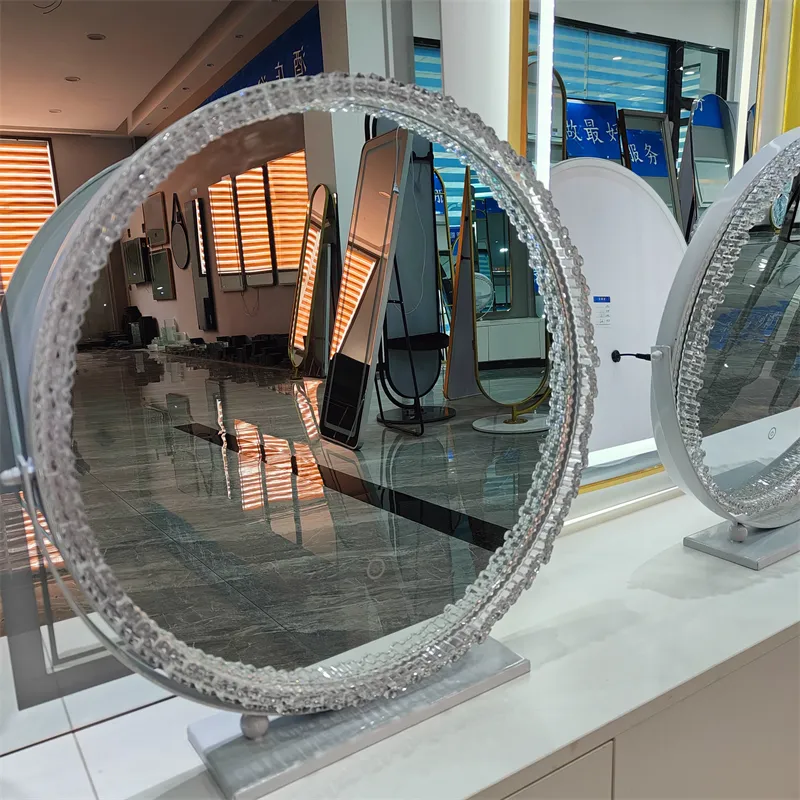
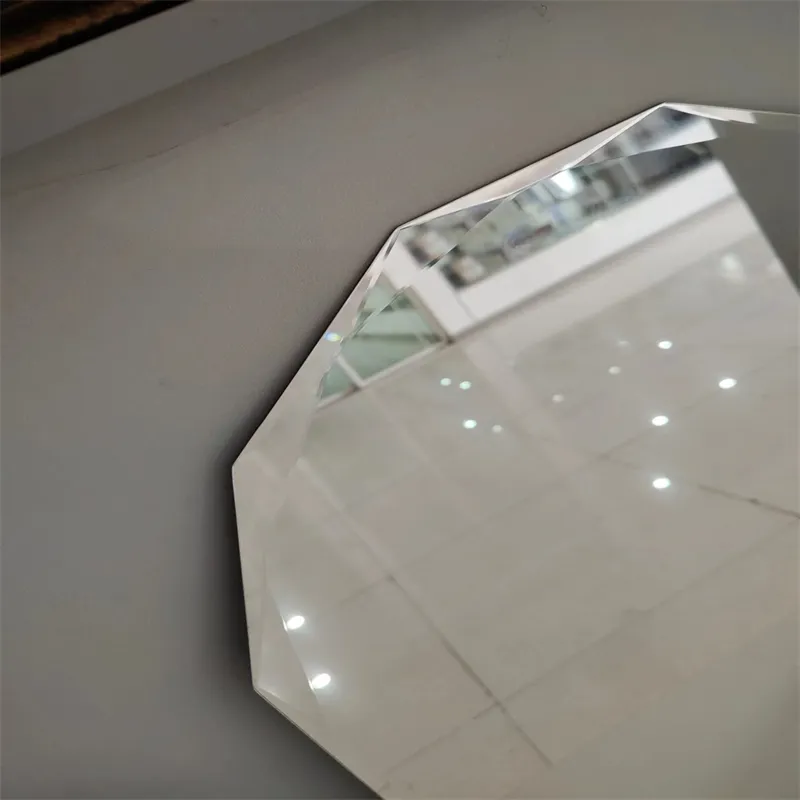
High-Performance reflective glass Solutions for Canada

Advanced deep-processing glass engineering tailored for the demanding climatic conditions and architectural standards of North America.

High-Performance reflective glass Solutions for Canada

Providing a comprehensive suite of technical glass products, from basic clear float glass to specialized safety solutions, optimized for the Canadian market.

Glass Manufacturing Landscape in Canada

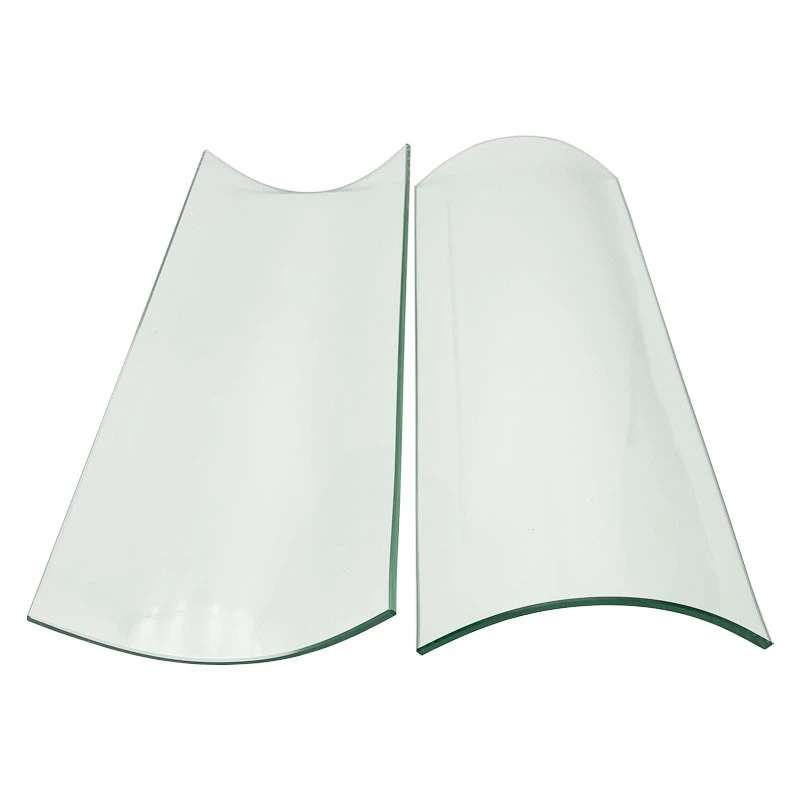
Adapting Technical Glass to Extreme Thermal Variations

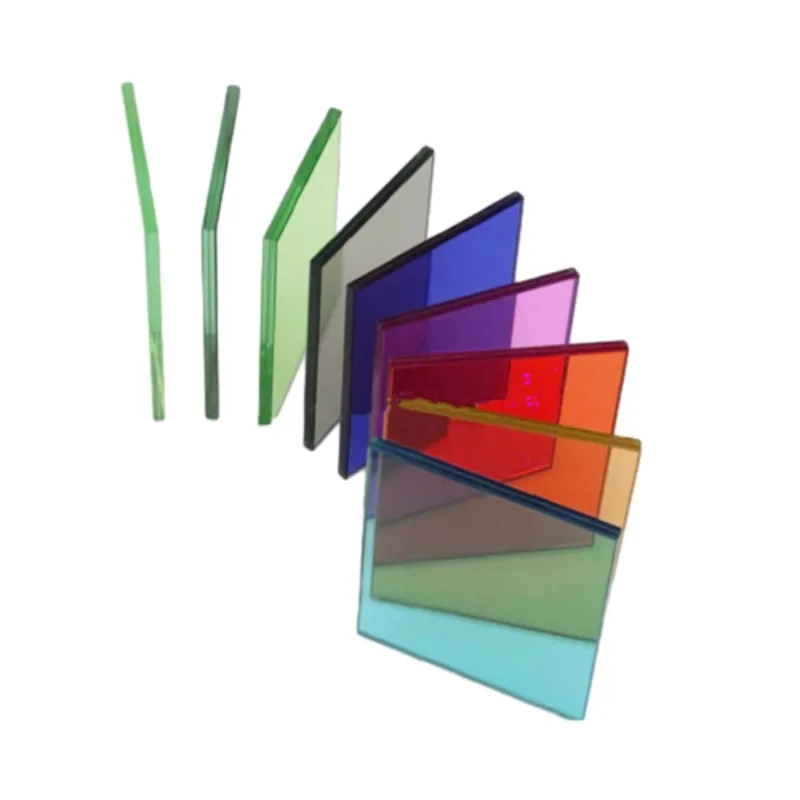
The Canadian glass market is uniquely defined by its extreme seasonal temperature swings. From the humid summers of Ontario to the frigid winters of Alberta, glass installations must withstand significant thermal stress, making the demand for high-durability tempered laminated glass exceptionally high to prevent structural failure.

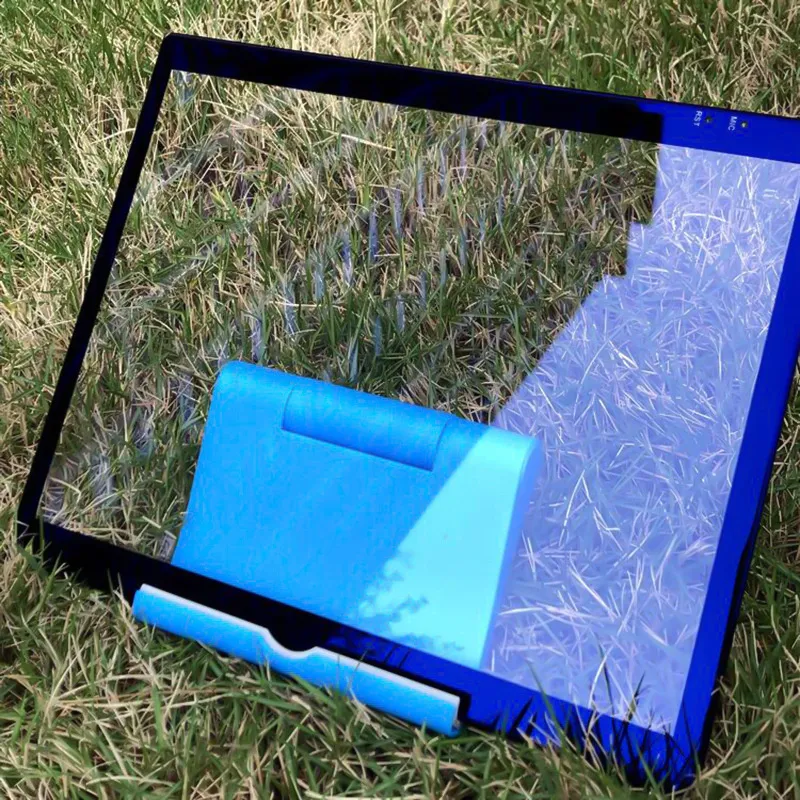
Economically, the shift toward LEED-certified green building standards in cities like Vancouver and Toronto has pushed the industry toward energy-efficient coatings. There is a growing reliance on ar glass to reduce glare and optimize light transmission in commercial skyscrapers.

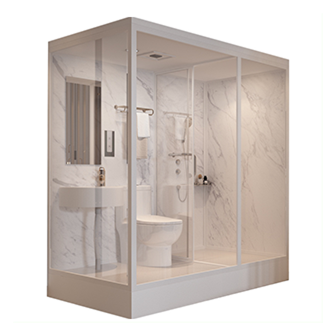
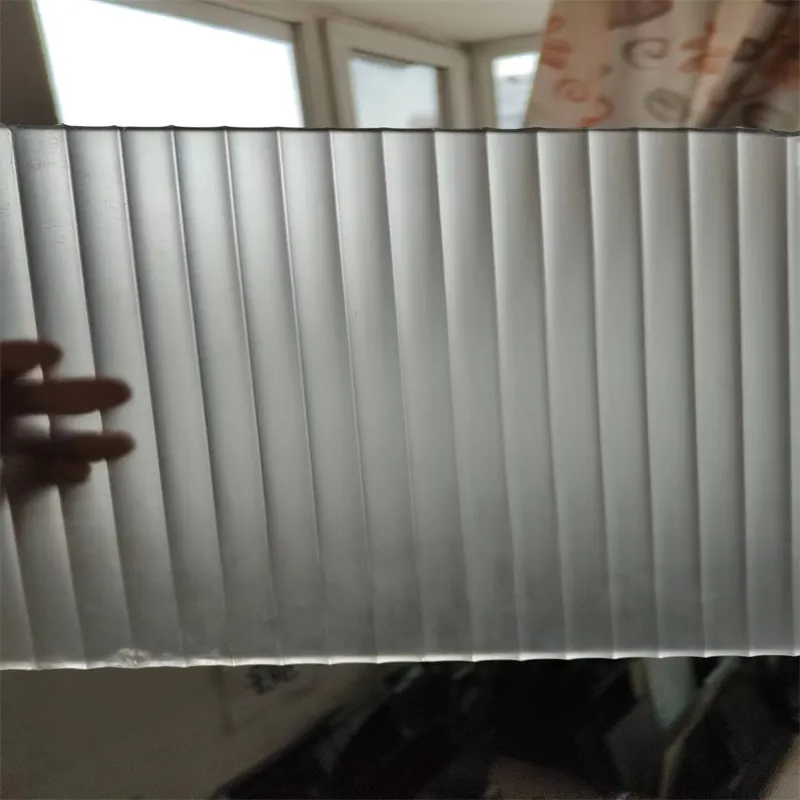
Furthermore, the aesthetic preference in Canadian luxury residential design is moving toward minimalist, matte finishes. This has led to a surge in the adoption of acid etched glass for interior partitions and high-end bathroom fixtures, balancing privacy with modern elegance.
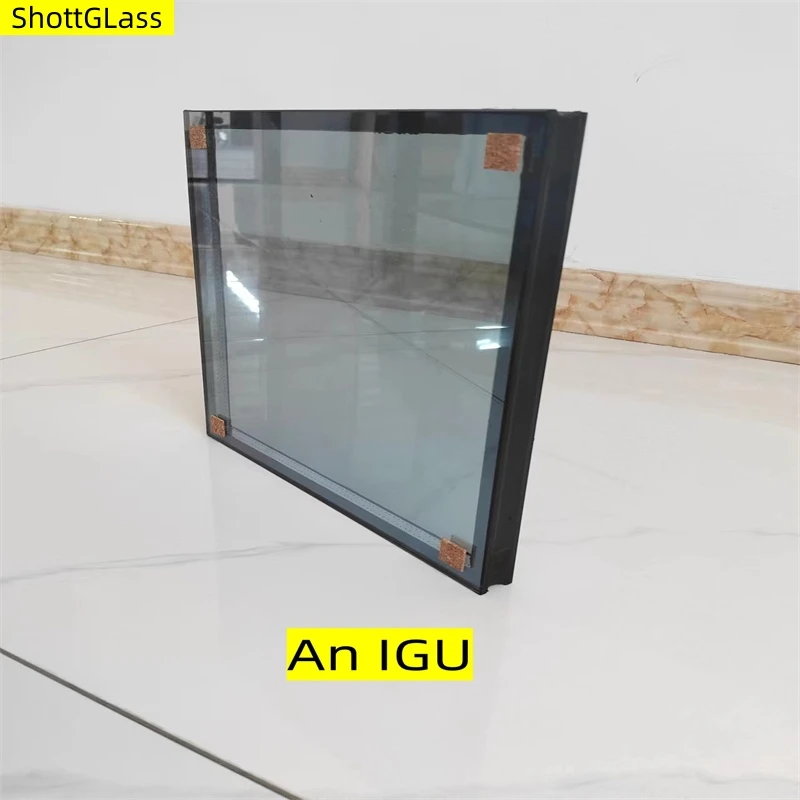
Evolution of Deep-Processing Glass in North America

From Basic Transparency to Intelligent Material Science

Market Development History

In the mid-20th century, the Canadian market was dominated by standard clear float glass, focusing primarily on basic transparency and structural integrity for residential windows.

Between 1990 and 2010, the focus shifted toward safety and energy efficiency. The introduction of advanced tempering and laminating technologies allowed for the mass adoption of security glass in public infrastructure, reducing casualty rates from glass breakage.

From 2015 to the present, the industry has entered the "Functional Era," where glass is no longer just a barrier but a tool for energy management, utilizing chemical etching and anti-reflective coatings to enhance user experience and environmental sustainability.

Future Development Trends

Smart Thermal Integration

The next 3 years will see a rise in dynamic glass that adjusts its reflective properties based on the Canadian sun's angle to minimize heating costs in winter.

Ultra-High Safety Standards

Expect an evolution in hybrid laminates that combine fire resistance with impact strength, surpassing current safety benchmarks for high-rise urban dwellings.

Eco-Friendly Processing

A shift toward closed-loop acid etching processes to meet Canada's strict environmental regulations regarding chemical waste management.

Industry Trends and Future Outlook

Strategic Forecast for the Technical Glass Sector

Energy Optimization
Integration of Low-E and reflective coatings to reduce HVAC loads in North American climates.
Advanced Safety
Increasing adoption of multi-layered laminated glass for seismic and wind-load resistance.
Optical Precision
Growth in AR-coated glass for high-tech displays and medical instrumentation in Canada.
Surface Innovation
Development of antimicrobial and easy-clean acid-etched surfaces for public spaces.

Industry Outlook

Based on Google search trends for "energy-efficient glazing Canada," we predict a 25% increase in demand for integrated reflective and thermal glass over the next 5 years.

The convergence of IoT and glass manufacturing will likely lead to "intelligent skins" for buildings, where deep-processed glass acts as both a structural element and a data sensor.

Localized Application Scenarios in Canada

Practical Implementations for Diverse Canadian Environments

01. Toronto High-Rise Commercial Facades

Utilization of high-performance reflective glass to mitigate the "urban heat island" effect while maintaining a sleek, professional aesthetic in the financial district.

02. Vancouver Eco-Residential Projects

Integration of AR glass in passive house designs to maximize natural light penetration during short winter days while reducing internal glare.

03. Montreal Public Infrastructure

Deployment of tempered laminated glass for subway entrances and pedestrian bridges to ensure maximum safety against high-traffic impact and extreme cold.

04. Alberta Industrial Facility Partitions

Application of acid etched glass in laboratory and industrial clean rooms to provide necessary privacy and diffusion of light without compromising hygiene.

05. Canadian Rockies Luxury Lodges

Combining thick clear float glass with advanced thermal coatings to provide panoramic mountain views without sacrificing interior warmth.

Brand Story

Global Development History of Shahe City Xiaote Glass Co., Ltd.

Foundational Excellence

Established with a mission to solve the fragility of traditional glass, focusing on high-precision tempering and laminating technologies.

Technical Diversification

Expanded into chemical processing, perfecting the art of acid etching and anti-reflective coatings for global industrial clients.

Global Market Expansion

Entering the North American market by adapting product specifications to meet strict Canadian safety and energy codes.

Innovation Leadership

Investing in R&D to create the next generation of sustainable, low-carbon technical glass for a greener planet.

Commitment to Quality

Continuing to bridge the gap between industrial strength and architectural beauty for clients worldwide.

Comprehensive Glass Portfolio for Canada

From standard float to specialized deep-processed technical glass.

Canadian Market Technical FAQ

Answers to common queries regarding technical glass specifications in North America.

How does tempered laminated glass perform in Canadian winters?

Our tempered laminated glass is engineered with specialized interlayers that maintain flexibility and strength even at sub-zero temperatures, preventing delamination and structural failure caused by extreme cold.

What are the benefits of AR glass for commercial offices in Vancouver?

AR glass significantly reduces surface reflections and glare, which is critical in high-light environments, improving visual comfort for employees and increasing the efficiency of interior lighting.

Is acid etched glass suitable for high-humidity areas like bathrooms?

Yes, acid etched glass is highly durable and resistant to moisture. Unlike sandblasted glass, its surface is smoother and less prone to collecting grime and water spots, making it ideal for humid environments.

How does reflective glass help in reducing energy costs in Toronto?

By reflecting a significant portion of solar radiation away from the building, reflective glass reduces the solar heat gain coefficient, thereby lowering the demand for air conditioning during hot summer months.

What is the primary difference between clear float glass and technical glass?

Clear float glass is the base material. Technical glass refers to float glass that has undergone further processing—such as tempering, laminating, or coating—to add specific functional properties like safety, insulation, or optics.

Does your deep-processed glass comply with North American safety standards?

Absolutely. All our processed glass products are manufactured to meet or exceed the relevant ANSI and CSA standards required for installation in the Canadian and US markets.

Ready to Elevate Your Project?

Our technical experts are ready to provide customized glass solutions for your specific needs in Canada.

Contact Us Now

If you are interested in our products, you can choose to leave your information here, and we will be in touch with you shortly.