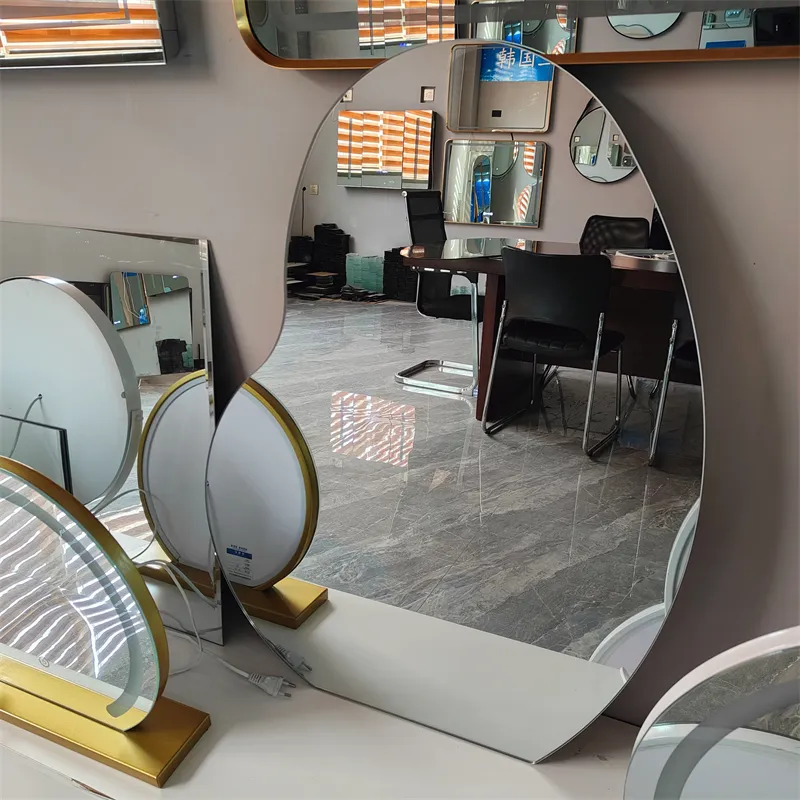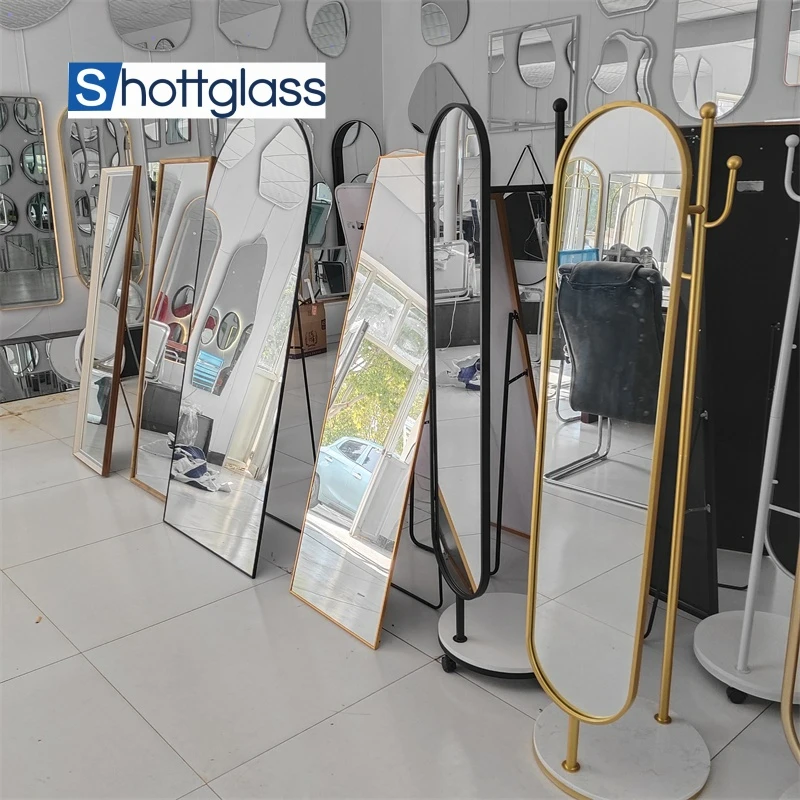

High-Performance reflective glass Solutions for Afghanistan

Advanced deep-processing glass technology tailored for the unique climatic and architectural demands of the Afghan market.

High-Performance reflective glass Solutions for Afghanistan

Providing industrial-grade deep-processed glass that ensures thermal efficiency, safety, and aesthetic brilliance across Kabul and regional provinces.

The Glass Manufacturing Landscape in Afghanistan

Analyzing the intersection of extreme continental climates and infrastructure growth.

Afghanistan's glass market is currently defined by extreme temperature fluctuations and a heavy reliance on imported high-tech materials. The demand for clear float glass remains high for basic residential needs, but the surge in commercial reconstruction has shifted focus toward energy-saving materials.

Due to the intense solar radiation in regions like Herat and Kandahar, there is a critical need for specialized coatings. Standard glass often fails to mitigate heat gain, making the adoption of advanced ar glass essential for reducing HVAC energy costs in modern office buildings.

Furthermore, the scarcity of local deep-processing facilities means that safety-critical products, such as tempered laminated glass, must be sourced from global experts who understand the rigorous transport and installation challenges of the Afghan terrain.
Evolution of Glass Processing Technology

From traditional silica methods to smart, energy-efficient architectural glazing.

Market Development History

In the early 2000s, the Afghan market primarily utilized basic annealed glass with limited thermal properties. Most installations were simple window panes that lacked durability and safety certifications.

By 2010-2015, the introduction of automated tempering lines globally allowed for the import of toughened glass, reducing breakage rates. This period saw the first significant use of acid etched glass for interior privacy partitions in governmental buildings.

From 2018 to the present, the shift toward "Green Building" standards has pushed the market toward multi-functional glazing, where UV filtration and high-reflectivity are no longer luxuries but structural requirements.

Future Development Trends

Integration of Smart Coatings

We expect a rise in photochromic and electrochromic layers that adapt to the harsh Afghan sun in real-time.

Advanced Safety Standards

Increased adoption of high-impact tempered laminated glass for critical infrastructure and public safety zones.

Sustainable Sourcing

A trend toward low-emissivity (Low-E) glass to combat the severe winter cold in the highlands while blocking summer heat.

Industry Trends and Future Outlook

Strategic projections for non-metallic mineral products in Central Asia.

Thermal Efficiency Optimization
Prioritizing high-performance coatings to manage extreme Afghan temperature swings.
Structural Durability
Enhancing shock resistance for glass used in earthquake-prone mountainous regions.
Aesthetic Customization
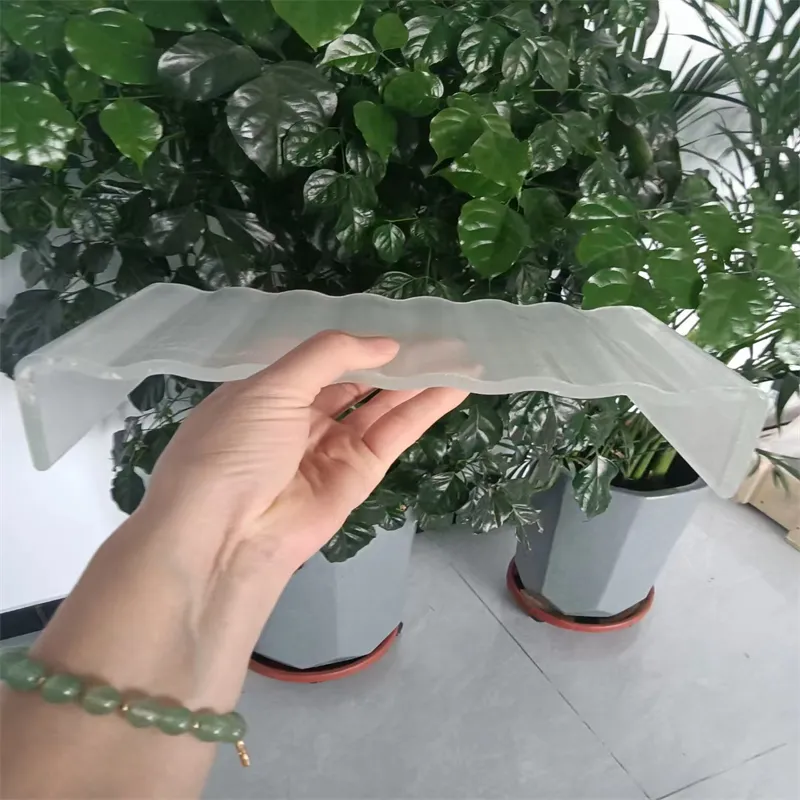
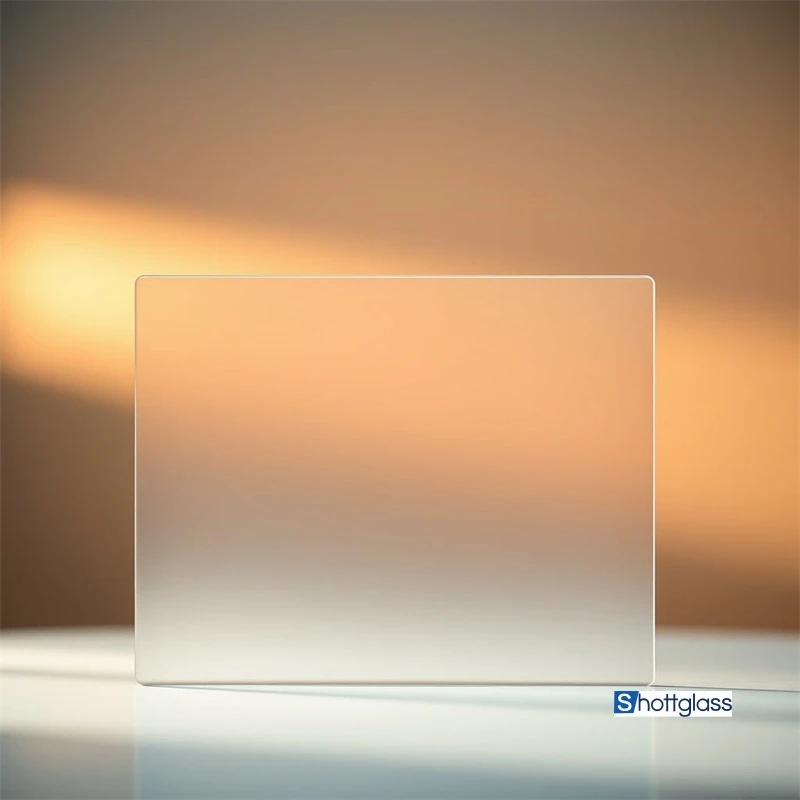
Growing demand for frosting and texturing via chemical etching for modern interiors.
Optical Precision
Applying anti-reflective coatings to improve visibility in high-glare environments.

Industry Outlook

Google search trends for "energy efficient glass" in Central Asia indicate a 25% year-on-year increase. This suggests that the Afghan construction sector is moving toward a model where sustainability is integrated into the initial design phase.

Over the next 3-5 years, the market will likely transition from importing generic glass to requesting customized specifications that balance the high UV index of the region with the need for interior natural lighting.

Localized Application Scenarios in Afghanistan

Practical implementation of deep-processed glass in diverse environmental contexts.

1. Government Office Complexes in Kabul

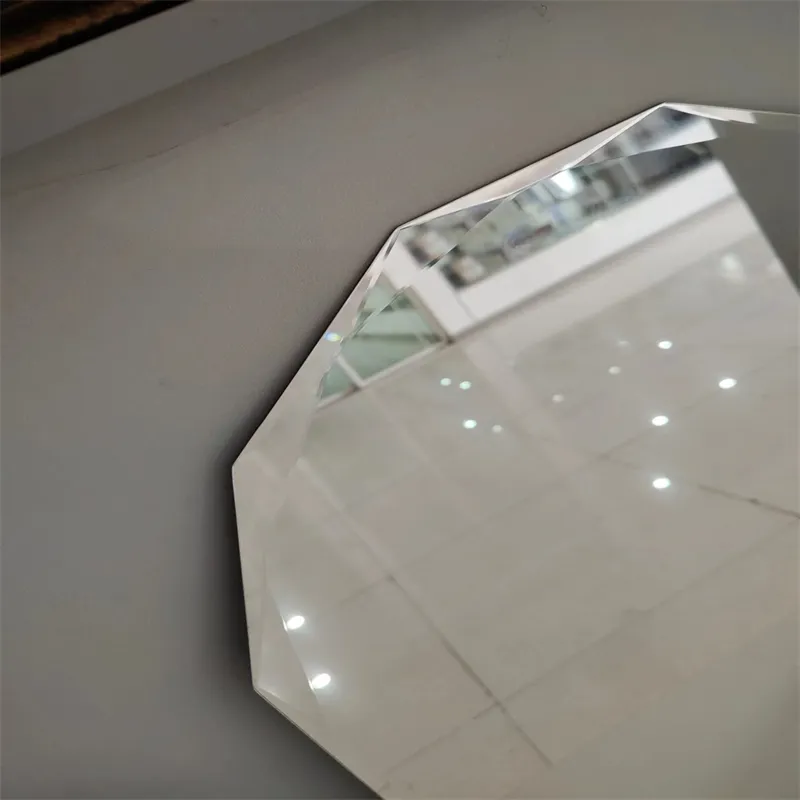
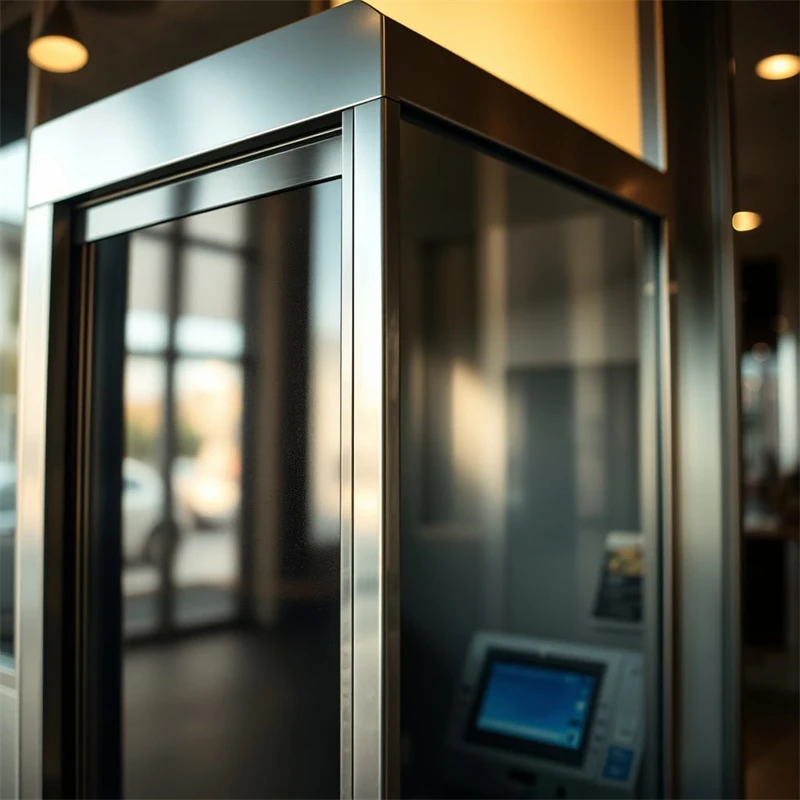
Utilizing reflective glass to minimize heat gain from direct sunlight while maintaining a prestigious, modern appearance for administrative hubs.

2. Luxury Residential Villas in Herat

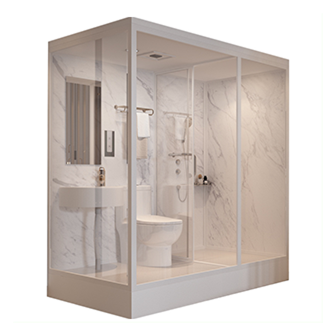
Integrating acid etched glass in bathrooms and dividing walls to provide elegance and privacy without sacrificing light flow.

3. Commercial Storefronts in Mazar-i-Sharif

Installation of tempered laminated glass for high-traffic retail areas to ensure maximum safety and resistance to accidental impact.

4. Museum and Gallery Displays

Applying high-transparency ar glass for the protection of historical artifacts, eliminating reflections for better visitor experience.

5. Urban Apartment Window Systems

Using premium clear float glass as a base for double-glazing units to improve sound insulation and thermal retention in dense city areas.

Brand Story

Global Development Journey of Shahe City Xiaote Glass Co., Ltd.

Foundation and Vision

Established with a focus on precision, we aimed to bridge the gap between raw material production and high-end architectural requirements.

Technological Breakthroughs

Invested in automated tempering and chemical etching lines to ensure consistency and safety standards that meet international norms.

Market Expansion

Expanded our reach to Central Asia and Afghanistan, adapting our product specifications to handle extreme temperature variations.

Quality Certification

Achieved global certifications for laminated and tempered glass, ensuring that every sheet shipped is a guarantee of safety.

Commitment to the Future

Focusing on eco-friendly production and smart glass solutions to help our global clients achieve carbon neutrality.

Comprehensive Glass Portfolio for Afghanistan

A curated selection of deep-processed glass engineered for durability and efficiency.

Frequently Asked Questions for Afghanistan Market

Expert answers to technical and logistical queries regarding glass imports.

How does reflective glass perform in Afghanistan's high UV regions?

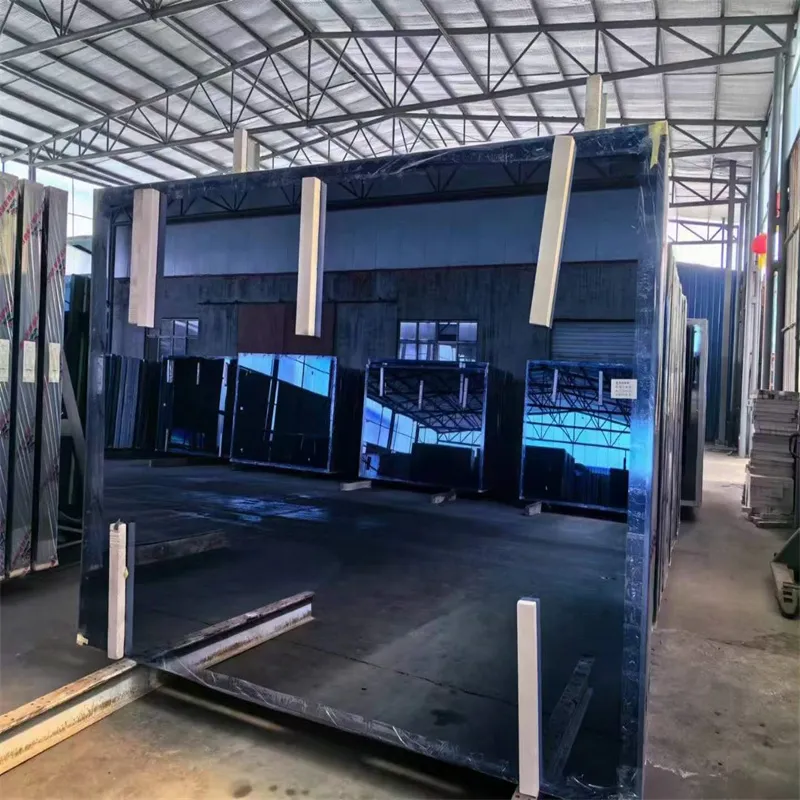
Our reflective glass is designed to bounce back a significant percentage of solar radiation, which is crucial for keeping interiors cool during the intense Afghan summers.

Is tempered laminated glass suitable for seismic zones in Kabul?

Yes, the combination of tempering for strength and lamination for fragmentation control makes it the safest choice for earthquake-prone areas.

What is the maintenance requirement for acid etched glass?

Acid etched glass is highly durable and requires only standard non-abrasive cleaning to maintain its soft, matte finish without scratching.

Can AR glass be used for outdoor signage in Afghan cities?

Absolutely. Anti-reflective (AR) glass significantly reduces glare, making displays visible even under direct midday sun.

Why choose clear float glass over other types for residential use?

Clear float glass provides maximum transparency and light transmission, making it ideal for homes that want to maximize natural daylight.

What are the shipping considerations for large glass panels to Afghanistan?

We use reinforced wooden crates and shock-absorbent padding to ensure that deep-processed glass reaches its destination without breakage.

Get Expert Glass Consultancy

Ready to upgrade your architectural projects in Afghanistan with world-class glass technology?

Contact Us Now

If you are interested in our products, you can choose to leave your information here, and we will be in touch with you shortly.