
Advanced tempered laminated glass Solutions for Germany's Architecture

Engineering high-performance technical glass tailored for the rigorous safety and energy standards of the German industrial landscape.

Advanced tempered laminated glass Solutions for Germany's Architecture

Integrating precision German engineering requirements with state-of-the-art deep processing glass technologies to ensure structural integrity and aesthetic excellence.

The Landscape of Glass Manufacturing in Germany

Analyzing the intersection of sustainability and technical precision in Europe's industrial heartland.

Germany's glass industry is currently defined by the "Energiewende" (energy transition), where the demand for high-efficiency reflective glass has surged to reduce building heating and cooling loads. The market is characterized by a strict adherence to DIN standards, pushing manufacturers toward zero-defect precision.

Climate conditions in Germany, varying from the maritime influence in the north to alpine conditions in the south, necessitate versatile solutions like clear float glass that serves as a high-quality substrate for specialized coatings capable of withstanding extreme thermal stress.

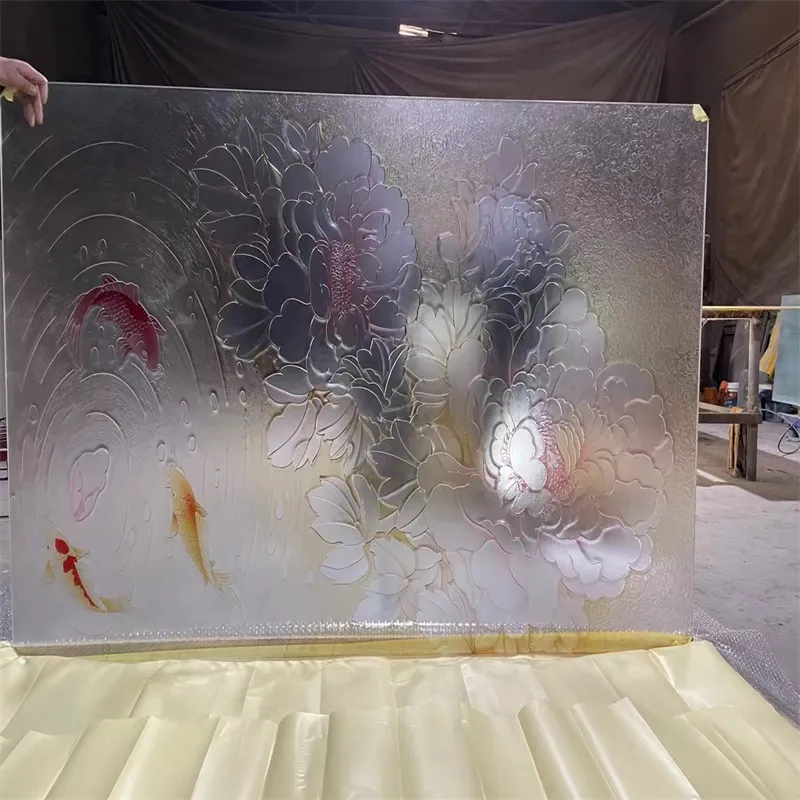
Economic shifts toward "Industrie 4.0" have forced a transition from manual processing to automated deep-processing lines, ensuring that specialized products like acid etched glass meet the exact opacity and tactile requirements of the high-end German interior design market.
Evolution of Technical Glass Processing

From traditional float processes to intelligent optical coatings.

Market Development History

In the late 20th century, the focus was primarily on the mass production of clear float glass, prioritizing transparency and flatness for basic residential windows across Europe.

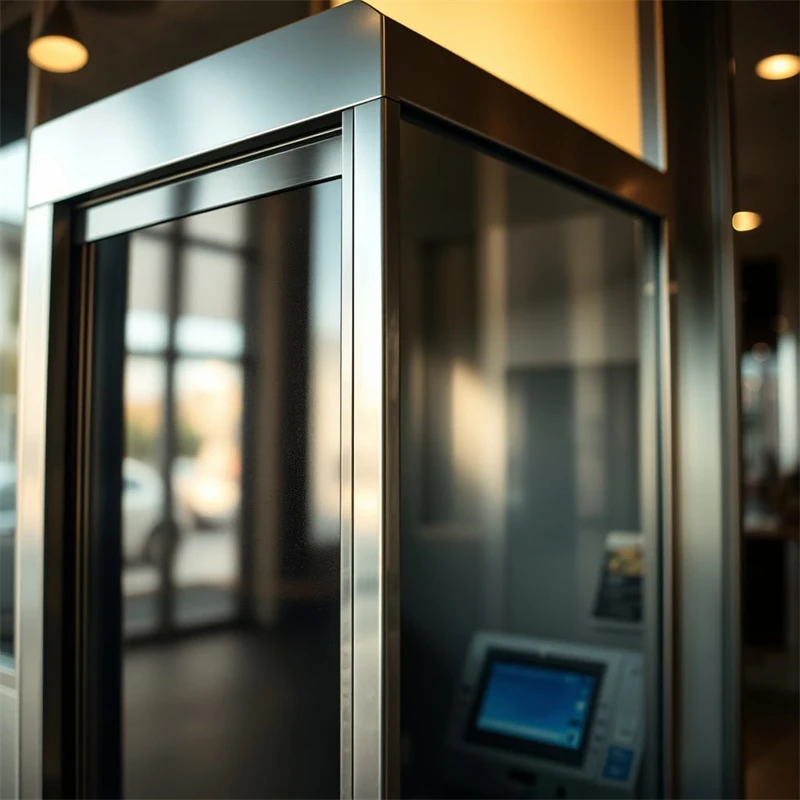
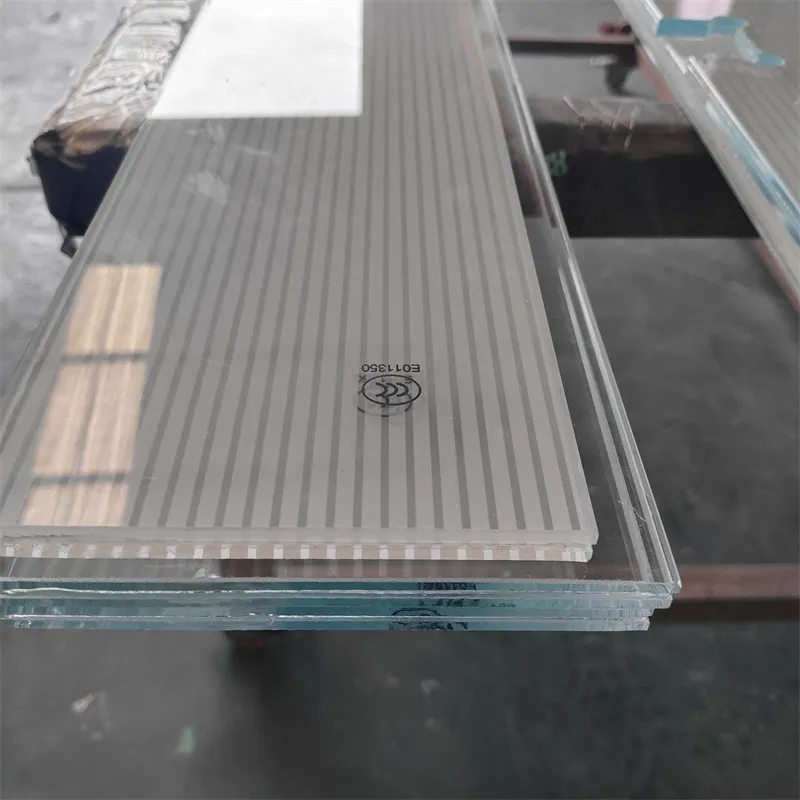
By the early 2010s, the industry shifted toward safety and energy efficiency. This era saw the widespread adoption of heat-strengthening and laminating techniques, making tempered laminated glass the standard for structural facades in cities like Frankfurt and Berlin.

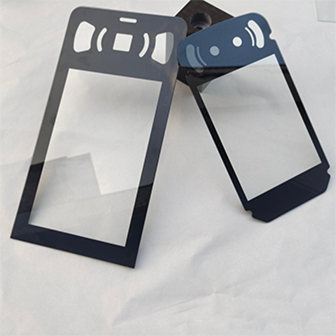
Recent years have marked the rise of "functional glass," where chemical etching and vacuum deposition became mainstream, allowing for the production of high-precision ar glass to eliminate reflections in high-tech displays and museum installations.

Future Development Trends

Smart Integration and IoT

Integration of conductive layers within glass substrates to create switchable privacy glass and interactive surfaces.

Circular Economy and Recyclability

Development of new interlayer materials for laminated glass that allow for easier separation and 100% recyclability of the glass cullet.

Ultra-Low Emissivity Coatings

Advancing the molecular structure of coatings to achieve near-perfect thermal insulation without compromising visible light transmission.

Future Outlook for Deep Processed Glass

Anticipating the next 5 years of technical innovation in the European market.

Carbon-Neutral Production
Shift toward hydrogen-fired furnaces to eliminate CO2 emissions in the float glass stage.
Dynamic Light Control
Development of photochromic and electrochromic layers to automate building shading.
Nano-Surface Engineering
Implementing self-cleaning and anti-fingerprint nanostructures on etched surfaces.
Acoustic Optimization
Enhanced sound-dampening interlayers for urban residential glass in dense cities.

Industry Outlook

Based on Google search trends for "Sustainable Building Materials Germany," there is a clear trajectory toward integrating energy-generating glass. We expect a significant increase in the adoption of BIPV (Building Integrated Photovoltaics) combined with high-performance ar glass to optimize light capture.

The focus will shift from mere "transparency" to "intelligent filtering," where glass is no longer a passive barrier but an active component of the building's energy management system, adhering to the strictest EU energy directives.

Localized Applications in the German Market

Real-world implementations of technical glass in diverse German sectors.

01. Berlin Commercial Facades

Utilizing high-strength tempered laminated glass for wind-resistant skyscrapers, ensuring safety and thermal insulation in the capital's urban core.

02. Munich Automotive Showrooms

Implementing ar glass for luxury vehicle displays to eliminate glare and provide an undistorted view of high-end engineering.

03. Hamburg Maritime Architecture

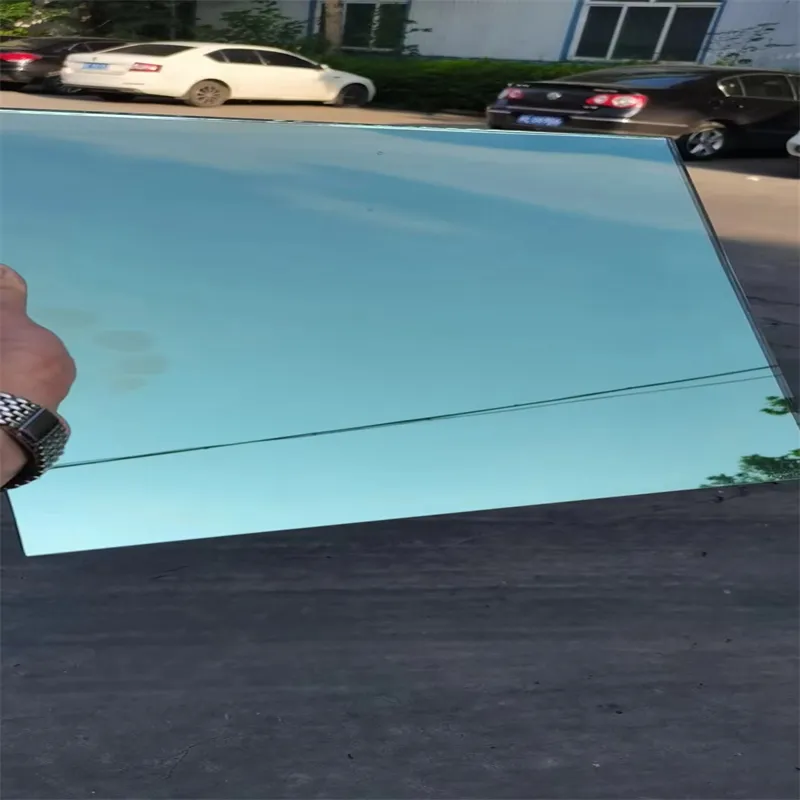
Application of salt-resistant reflective glass to protect interior climates from the harsh North Sea humidity and sunlight.

04. Frankfurt Financial District Interiors

Using acid etched glass for executive boardroom partitions to balance privacy with natural light flow.

05. Bavarian Industrial Parks

Deploying oversized clear float glass for factory skylights, maximizing daylighting to reduce electricity consumption.

Brand Story

Global Development Journey of Shahe City Xiaote Glass Co., Ltd.

Foundational Precision

Established with a mission to master the core physics of deep processing, focusing on the purity of the glass substrate.

Technological Pivot

Expanding into advanced tempering and laminating lines to solve the industry pain point of structural instability in large-format glass.

Global Standardization

Aligning production protocols with European DIN and ISO standards to enter the demanding German manufacturing sector.

Innovation Leadership

Developing proprietary etching and coating processes to provide customized optical solutions for global architects.

Sustainable Future

Committing to green manufacturing and recyclable materials to lead the transition toward a circular glass economy.

Comprehensive Glass Portfolio for Germany

High-performance materials engineered for European architectural and industrial standards.

Common Technical Inquiries - Germany

Expert answers regarding deep processing glass specifications and compliance.

How does tempered laminated glass comply with German safety standards?

Our products are processed to meet stringent DIN standards, ensuring that in the event of breakage, the fragments adhere to the interlayer, preventing collapse and injury.

Can AR glass be used for outdoor displays in European climates?

Yes, our anti-reflective coatings are engineered for high durability and can be combined with tempering to withstand the thermal expansion cycles common in Germany.

What is the light transmission rate of acid etched glass for privacy?

Depending on the etching depth, we can customize the translucency, typically ranging from 20% to 70%, providing an ideal balance between privacy and daylighting.

Does reflective glass significantly reduce energy costs in German offices?

Absolutely. By reflecting a significant portion of solar radiation, it reduces the reliance on air conditioning during summer months, aligning with EU energy efficiency goals.

Is clear float glass suitable as a base for custom vacuum coatings?

Yes, our high-clarity float glass is specifically manufactured with low iron content to ensure that subsequent coatings remain color-neutral and optically pure.

What is the lead time for custom tempered laminated glass orders to Germany?

Lead times vary by volume, but we utilize optimized logistics corridors to ensure that technical glass reaches German sites within the agreed project timeline.

Get Your Technical Glass Consultation

Partner with the leaders in deep processing glass for your next project in Germany.

Contact Us Now

If you are interested in our products, you can choose to leave your information here, and we will be in touch with you shortly.