
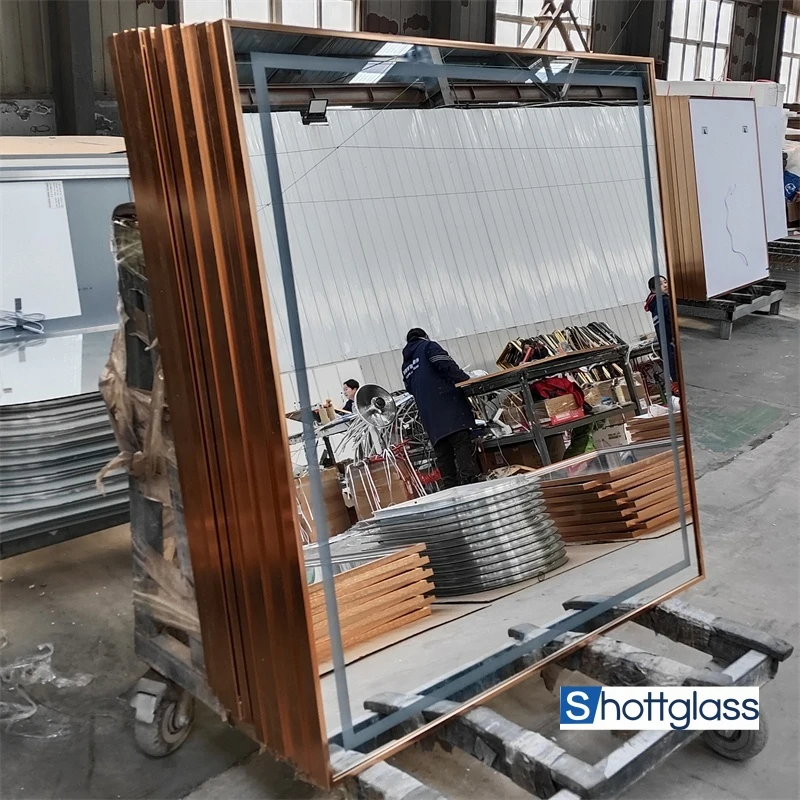
Advanced tempered laminated glass Solutions for France's Modern Architecture

Integrating high-performance technical glass engineering with French aesthetic standards to deliver safety, clarity, and energy efficiency.

Advanced tempered laminated glass Solutions for France's Modern Architecture

Our specialized glass processing services provide the French construction and industrial sectors with precision-engineered materials that meet stringent EU safety certifications and architectural demands.

The Technical Glass Landscape in France

Analyzing the intersection of European energy regulations and high-end glass manufacturing.

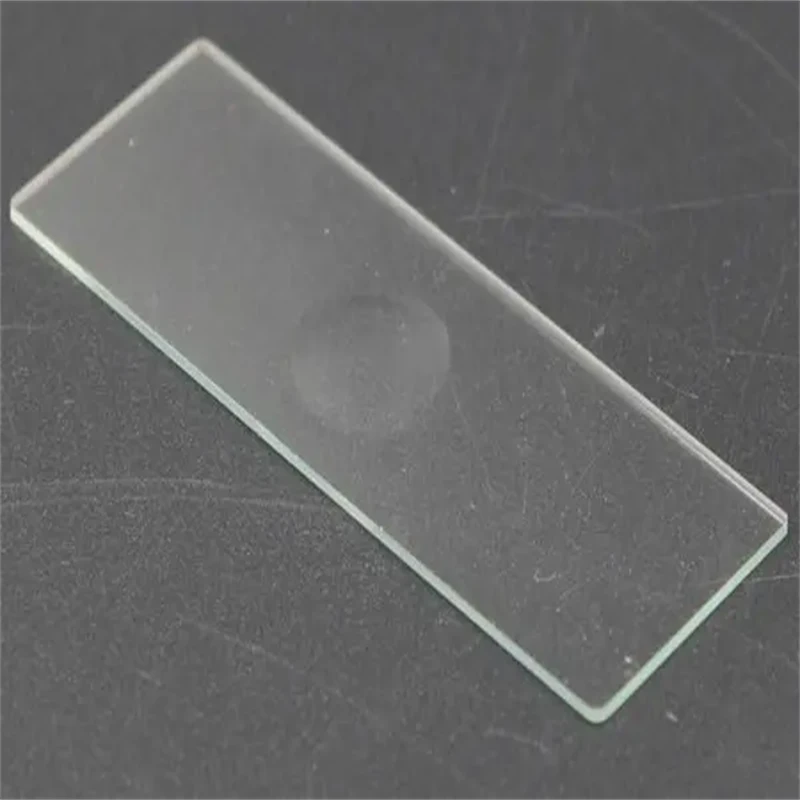
France's glass industry is currently driven by the "RE2020" environmental regulations, which mandate a significant reduction in the carbon footprint of buildings. This has led to a surge in demand for clear float glass as a foundational substrate for multi-layered energy-saving units that maintain natural light while optimizing thermal insulation.

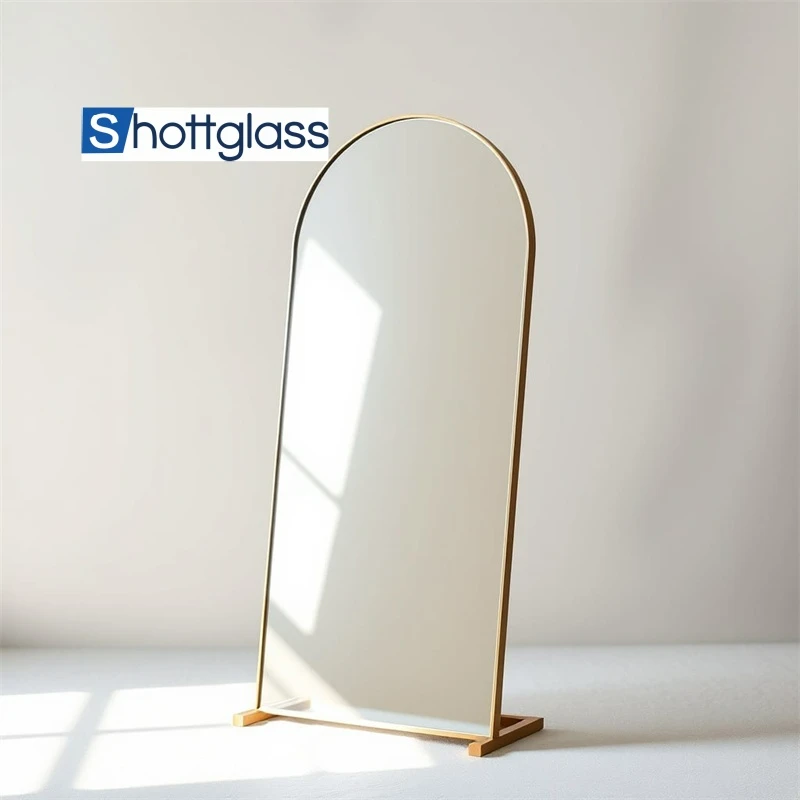
The diverse French climate—from the oceanic influence in Brittany to the Mediterranean heat in Provence—requires versatile solutions. In southern regions, reflective glass is increasingly utilized to mitigate solar gain and reduce reliance on air conditioning, aligning with national energy sobriety goals.

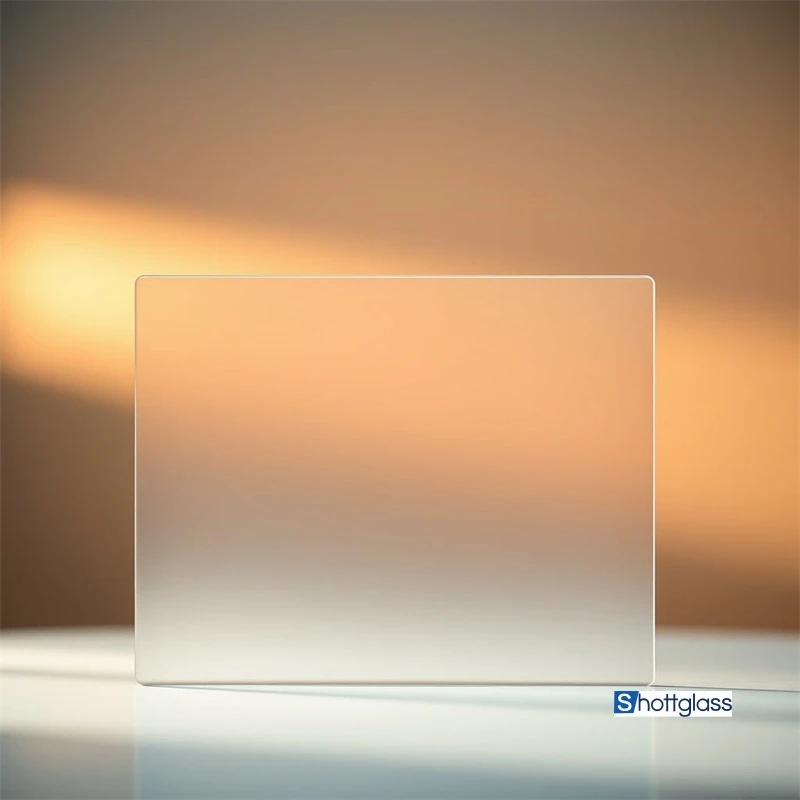
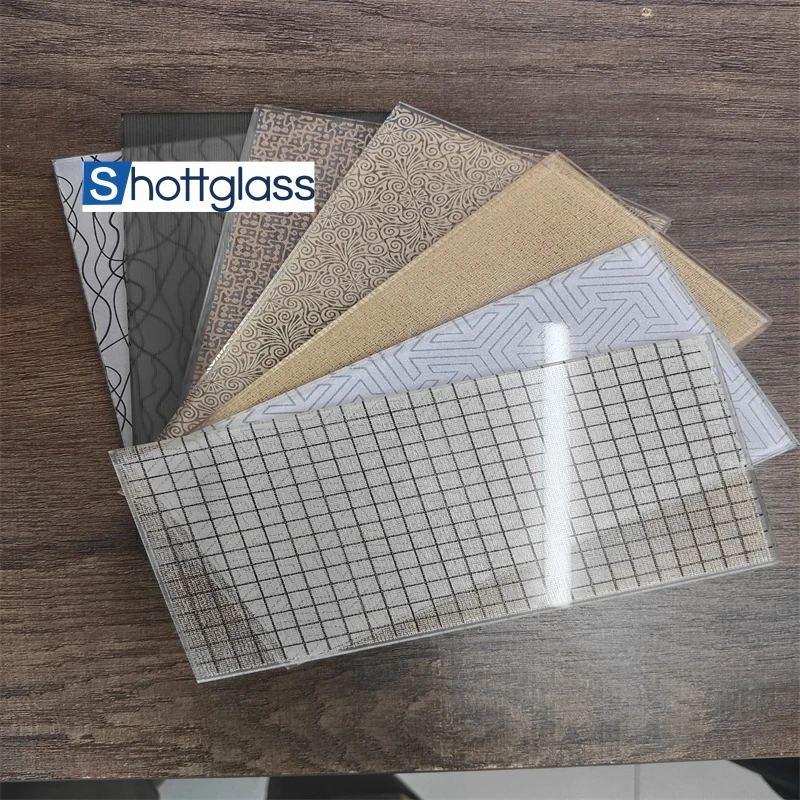
Furthermore, the French luxury retail and interior design sectors in Paris and Lyon are pushing the boundaries of aesthetics, integrating acid etched glass for privacy and soft-touch matte finishes in high-end commercial spaces, blending industrial precision with artistic elegance.
Evolution of Deep Processing Glass Technology

From traditional float processes to intelligent optical coatings.

Market Development History

In the early 2000s, the French market relied heavily on standard annealing and basic tempering. The primary focus was on structural integrity and basic transparency, where basic float glass dominated the residential sector.

Between 2010 and 2018, there was a technical shift toward "performance glass." The adoption of ion-exchange and vacuum sputtering allowed for the rise of ar glass (anti-reflective), catering to the growing demand for museum displays and high-tech electronics in France's tech hubs.

From 2019 to the present, the industry has entered the era of "Hybrid Safety Glass," where the integration of chemical strengthening and polymer interleaving has made high-impact laminated solutions the gold standard for public infrastructure.

Future Development Trends

Eco-Circular Manufacturing

The move toward 100% recyclable interlayer materials in laminated glass to meet the EU Circular Economy Action Plan.

Smart-Switchable Coatings

Integration of electrochromic layers into architectural glass to allow real-time transparency control via IoT systems.

Ultra-High Precision AR Integration

Expanding ar glass capabilities into automotive HUDs (Head-Up Displays) for the French electric vehicle market.

Industry Outlook and Technological Forecast

Predicting the trajectory of non-metallic mineral products in the European market.

Carbon-Neutral Processing
Transitioning to hydrogen-powered furnaces to reduce CO2 emissions in glass melting.
Dynamic Thermal Control
Advancing reflective coatings that adapt to solar intensity to optimize HVAC efficiency.
Optical Nanostructuring
Using nano-etching to replace traditional acids for more sustainable matte surfaces.
Safety-First Integration
Developing multi-layer tempered laminates for anti-terrorism and extreme weather protection.

Industry Outlook

Google search trends for "Sustainable Building Materials France" indicate a sharp increase in interest for high-performance glazing. The market is shifting from seeing glass as a passive barrier to an active energy-management component.

Over the next 3-5 years, we expect a convergence of optical science and structural engineering, where glass will integrate sensing capabilities while maintaining the extreme durability of tempered laminates.

Localized Application Scenarios in France

Practical implementations of deep processed glass in French urban and industrial contexts.

01. Parisian Luxury Boutique Storefronts

Utilization of ar glass for showcase displays to eliminate glare from street lighting, ensuring high-jewelry items are visible from all angles without reflection.

02. Côte d'Azur High-Rise Residences

Implementation of reflective glass to manage the intense Mediterranean sun, reducing indoor temperatures while offering panoramic views of the coastline.

03. French Public Transport Hubs (Gare du Nord)

Installation of high-strength tempered laminated glass for overhead canopies and safety barriers, ensuring maximum passenger protection in high-traffic areas.

04. Modern Office Partitions in La Défense

Using acid etched glass for executive boardrooms to provide visual privacy without sacrificing the flow of natural light within the workspace.

05. Heritage Site Protection & Museums

Deploying ultra-clear clear float glass substrates with specialized coatings for the protection of Louvre artifacts, combining invisibility with structural security.

Brand Story

Global Development Journey of Shahe City Xiaote Glass Co., Ltd.

Industrial Foundation

Established with a focus on the core fundamentals of float glass, we mastered the art of raw material purity and thermal stability.

Technical Diversification

We expanded our capabilities into deep processing, introducing precision tempering and laminating lines to meet global safety standards.

Optical Innovation

By investing in vacuum sputtering and chemical etching, we solved the pain point of light interference in high-precision optical glass.

European Market Entry

We aligned our manufacturing protocols with EU norms, specifically targeting the French architectural market's need for energy efficiency.

Global Vision 2030

Our mission is to lead the transition toward intelligent, carbon-neutral glass solutions for the world's most demanding urban environments.

Comprehensive Glass Portfolio for France

From basic substrates to advanced technical coatings tailored for European standards.

France Market Technical FAQ

Expert answers to common technical queries regarding deep processed glass.

How does tempered laminated glass meet French safety standards?

Our glass undergoes dual-stage processing: first tempering for strength and then laminating with PVB or SGP interlayers, meeting the stringent impact and fragmentation requirements of EU safety codes.

What are the benefits of AR glass for museum exhibits in Paris?

Anti-reflective (AR) glass significantly reduces surface reflections and ghosting, allowing visitors to see artifacts with maximum clarity and true color reproduction under various lighting conditions.

Can reflective glass help with energy costs in the South of France?

Yes, by reflecting a significant portion of solar infrared radiation, it reduces the heat load on buildings, directly lowering the energy consumption of cooling systems during hot summers.

Is acid etched glass suitable for humid environments?

Acid etched glass is chemically stable and non-porous, making it an excellent choice for humid areas like bathrooms or spa facilities in French luxury hotels, as it resists moisture buildup.

What is the lifespan of clear float glass in industrial applications?

While the glass itself is virtually permanent, the lifespan depends on the edge treatment and installation. Our industrial-grade float glass is designed to withstand decades of use without degradation.

How do I specify the correct thickness for laminated glass in commercial facades?

Thickness is determined by wind load calculations and safety requirements. We provide technical consulting to ensure the glass composition meets both structural stability and acoustic insulation needs.

Request a Technical Consultation

Partner with the leading experts in deep processing glass to enhance your next project in France.

Contact Us Now

If you are interested in our products, you can choose to leave your information here, and we will be in touch with you shortly.