

Advanced tempered laminated glass Solutions for Belgium Architecture

Precision-engineered technical glass manufacturing providing high-performance safety and thermal solutions for the Belgian construction and industrial sectors.

Advanced tempered laminated glass Solutions for Belgium Architecture

Integrating high-strength safety glass with innovative deep-processing techniques to meet the stringent European building codes and aesthetic demands of Belgium's urban landscapes.

The Landscape of Glass Engineering in Belgium

Analyzing the intersection of technical glass manufacturing and Belgian environmental requirements.

Belgium's architectural sector is characterized by a blend of historic preservation and avant-garde sustainable design. In cities like Brussels and Antwerp, there is a surging demand for clear float glass that maintains extreme clarity while providing the thermal insulation necessary for the temperate oceanic climate.

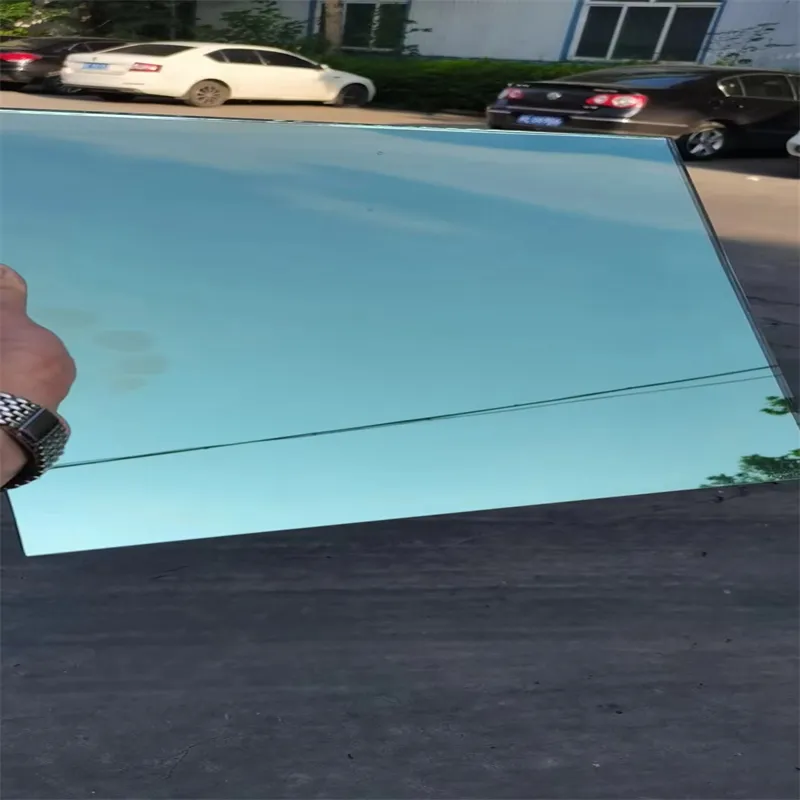
The local industry is currently shifting toward energy-neutral buildings. This has led to the widespread adoption of reflective glass to reduce solar heat gain during summer months, reducing the reliance on HVAC systems in commercial office complexes across the Flanders and Wallonia regions.

Furthermore, the Belgian market emphasizes strict safety certifications. The integration of tempered laminated glass has become the standard for public infrastructure and high-traffic retail zones, ensuring both structural integrity and pedestrian safety under EU regulations.
Evolution of Deep-Processed Glass in Belgium

From traditional glazing to intelligent, high-performance technical glass.

Market Development History

In the late 20th century, the Belgian market relied heavily on standard annealing processes. The focus was primarily on basic transparency and durability, utilizing standard float glass for residential and industrial applications.

Between 2005 and 2015, the transition toward "Technical Glass" accelerated. This era saw the introduction of acid etched glass for interior privacy and decorative elements in Belgian luxury hotels and corporate headquarters, moving away from simple sandblasting.

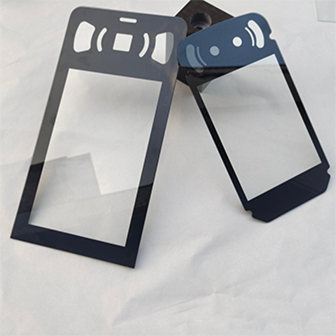
From 2016 to the present, the focus has shifted to "Functional Intelligence." The emergence of ar glass (Anti-Reflective) has revolutionized display technology and specialized architectural facades, prioritizing light transmission and visual comfort.

Future Development Trends

Carbon-Neutral Manufacturing

Belgium is leading the transition toward green hydrogen-powered furnaces to reduce the carbon footprint of float glass production.

Smart-Adaptive Coatings

Expect a rise in electrochromic layers integrated into laminated systems to allow real-time control of light and heat opacity.

Circular Economy Integration

Enhanced focus on 100% recyclable laminates, replacing traditional PVB with more eco-friendly ionoplastic interlayers.

Industry Outlook & Future Trajectories

Strategic predictions for the non-metallic mineral products sector in Europe.

Ultra-Low Emissivity (Low-E) Evolution
Integration of multi-layer silver coatings to maximize thermal retention in Belgium's winter climates.
Digital Twin Integration
Using BIM and digital twins to predict the stress and thermal performance of custom glass shapes.
Anti-Reflective Optimization
Developing next-gen ar glass for high-end museum displays in Brussels.
Advanced Lamination Safety
Increased use of SentryGlas interlayers for structural glass floors and canopies.

Industry Outlook

According to European search trends, there is a marked increase in queries regarding "Net-Zero Construction" and "High-Efficiency Glazing." This suggests that the Belgian market will move toward integrated systems where glass is not just a barrier, but an energy-generating component (BIPV).

The convergence of aesthetics and engineering means that the demand for customized acid etched glass and specialized coatings will grow as architects seek to define unique corporate identities through material innovation.

Localized Applications in Belgium

Real-world implementation of technical glass in the Belgian socio-economic environment.

01. Brussels EU District Corporate Facades

Utilization of high-performance reflective glass to manage thermal loads in large-scale glass curtain walls, ensuring energy efficiency in administrative hubs.

02. Antwerp Port Industrial Installations

Installation of heavy-duty tempered laminated glass in control rooms and walkways to withstand extreme wind loads and corrosive maritime environments.

03. Ghent Historic Building Renovations

Integration of ultra-clear clear float glass in minimalist extensions to preserve the visual integrity of medieval architecture while adding modern thermal properties.

04. Luxury Retail in Avenue Louise

Application of acid etched glass for high-end boutique partitions, providing a sophisticated frosted effect for brand exclusivity and privacy.

05. Specialized Gallery Displays in Museums

Deployment of ar glass for precious art exhibits, eliminating reflections and providing an unobstructed view of heritage artifacts.

Brand Story

Global Development Journey of Shahe City Xiaote Glass Co., Ltd.

Foundational Precision

Established with a mission to master the core of deep-glass processing, we began by solving the stability issues of float glass for regional industrial needs.

Technological Breakthroughs

Invested heavily in R&D to pioneer advanced etching and tempering lines, reducing deformation rates by 15% for oversized glass sheets.

European Market Entry

Expanded our reach into Europe, aligning our production standards with CE certifications and EU safety directives to serve the Belgian market.

Innovation Leadership

Developed specialized anti-reflective and high-strength laminated series, addressing the specific pain points of urban architectural safety.

Sustainable Future

Committing to a carbon-neutral supply chain, ensuring that every square meter of glass contributes to a greener planet.

Complete Glass Portfolio for the Belgian Market

A comprehensive range of technical glass solutions engineered for durability, safety, and aesthetics.

Belgium Glass Industry FAQs

Expert answers to common technical and regulatory questions regarding deep-processed glass.

What are the safety standards for tempered laminated glass in Belgium?

Our glass complies with EN 12600 and EN 14449 standards, ensuring that the tempered laminated glass maintains structural integrity and minimizes injury risk during breakage.

How does ar glass improve visibility in commercial displays?

Anti-reflective (ar glass) uses specialized coatings to reduce the reflection of incident light, significantly increasing light transmission and reducing glare for the viewer.

Is acid etched glass suitable for high-humidity Belgian bathrooms?

Yes, acid etched glass is highly durable and resistant to moisture, making it an ideal choice for privacy screens in humid environments without compromising the surface finish.

What is the difference between reflective glass and tinted glass for solar control?

Reflective glass uses a metallic coating to bounce solar radiation away, whereas tinted glass absorbs it. Reflective glass is generally more effective for reducing heat gain.

Can clear float glass be upgraded to safety glass post-production?

Clear float glass can be tempered or laminated through deep-processing. However, once tempered, it cannot be cut or drilled further.

How do I maintain large-scale reflective glass facades in urban areas?

Regular cleaning with non-abrasive detergents is recommended. We suggest professional facade maintenance every 6 months to prevent buildup of urban pollutants.

Consult Our Glass Specialists

Get a technical consultation for your next architectural project in Belgium. We provide customized specifications to meet European standards.

Contact Us Now

If you are interested in our products, you can choose to leave your information here, and we will be in touch with you shortly.