
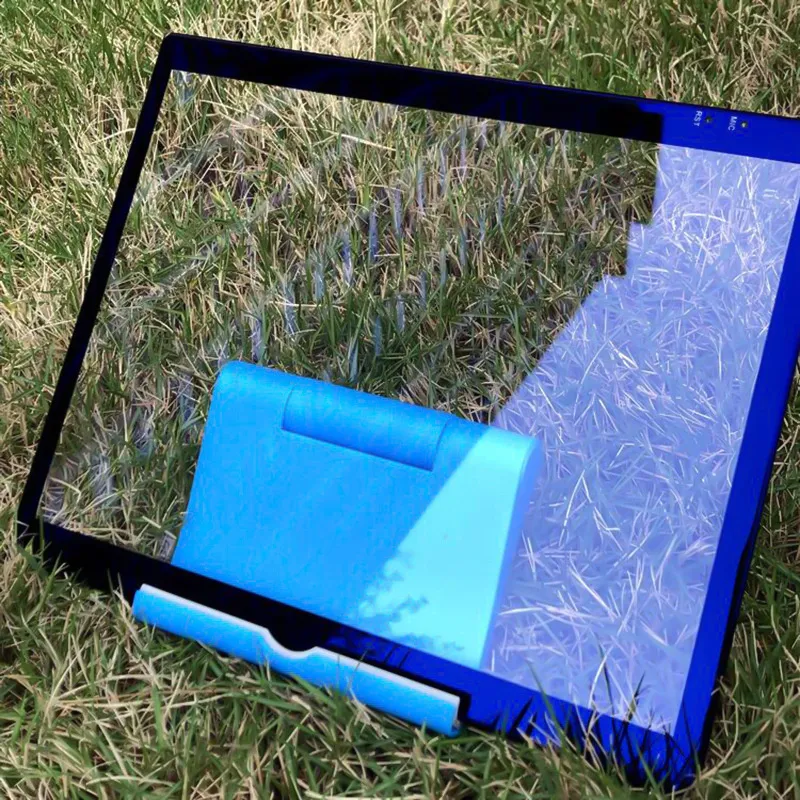
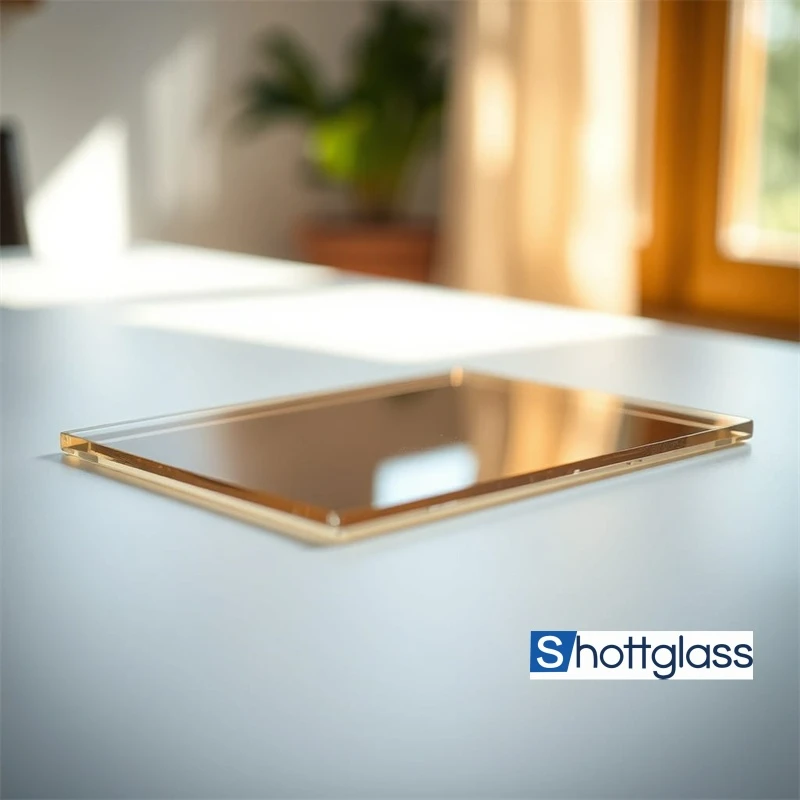
Advanced reflective glass Solutions for Vietnam's Urban Architecture

Integrating high-performance deep-processed glass technology to meet the tropical climate and sustainable building standards of Asia's fastest-growing economy.

Advanced reflective glass Solutions for Vietnam's Urban Architecture

We provide a comprehensive portfolio of deep-processed glass designed for high humidity, intense solar radiation, and rapid urban expansion in Vietnam.

Current State of Technical Glass Manufacturing in Vietnam

Analyzing the intersection of tropical geography and industrial glass demand.

Vietnam's construction landscape is currently dominated by a shift toward green building certifications. Due to the tropical monsoon climate, there is a critical demand for reflective glass to reduce solar heat gain in high-rise buildings in Ho Chi Minh City and Hanoi.

The local market is transitioning from basic clear float glass to high-value-added processed products. The rise of luxury hospitality and commercial complexes has accelerated the adoption of specialty finishes and safety-critical glass structures.

However, the industry faces challenges with humidity-induced corrosion and energy inefficiency. This has led to an increased preference for tempered laminated glass, which offers both the structural integrity and safety required for Vietnam's urban density.
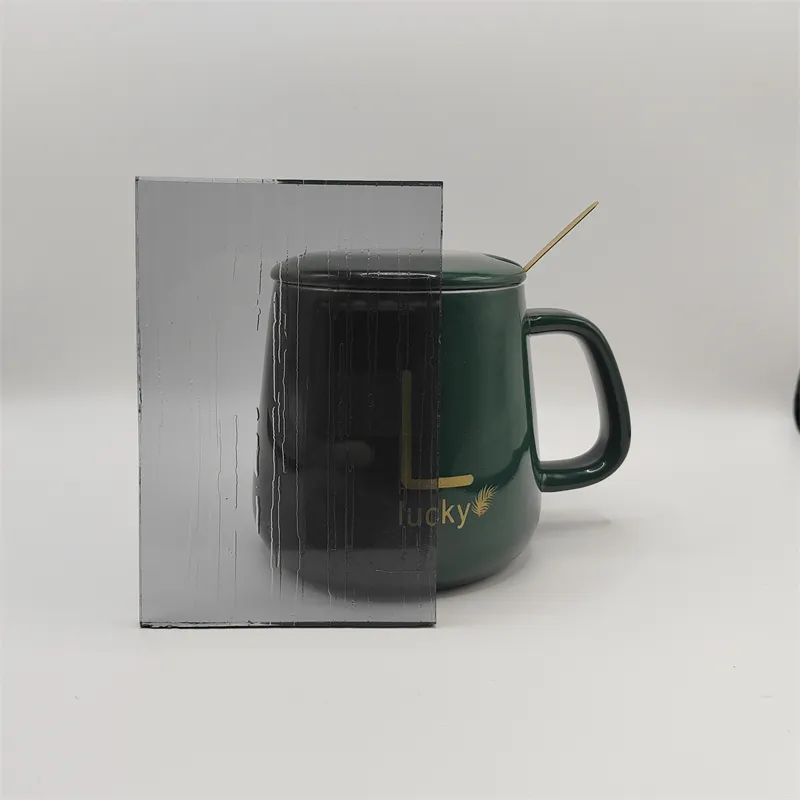
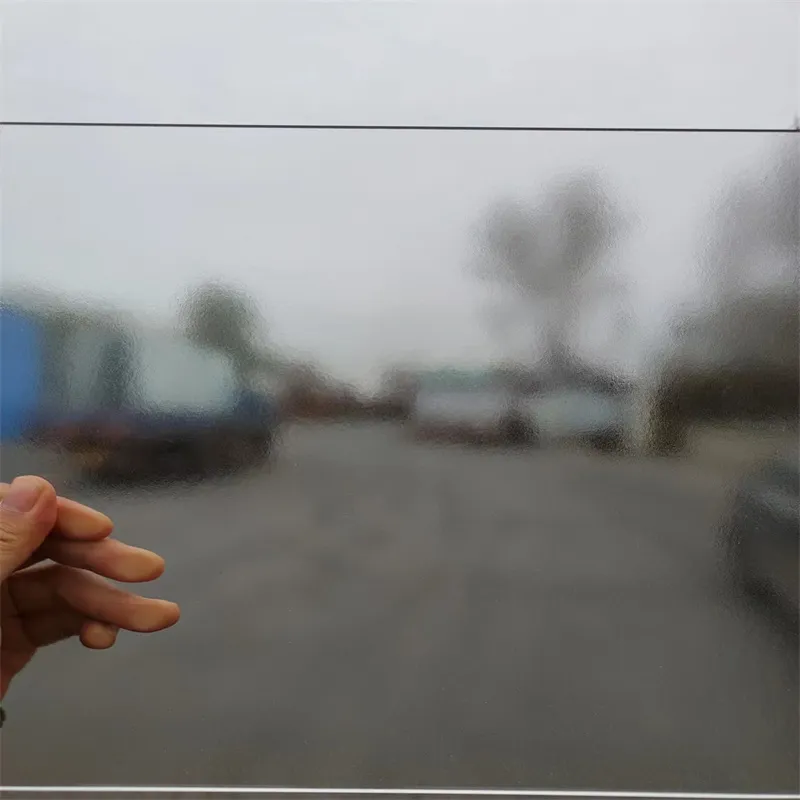
Evolution and Technical Trajectory of Glass Processing

From traditional float processes to intelligent coating technologies.

Market Development History

In the early 2000s, the Vietnamese market relied heavily on imported clear float glass, focusing primarily on basic windowing and residential partitions with limited thermal control.

Between 2010 and 2020, the "Urbanization Wave" introduced advanced tempering and laminating lines. The industry shifted toward safety-first specifications, making tempered laminated glass the standard for commercial facades and interior railings.

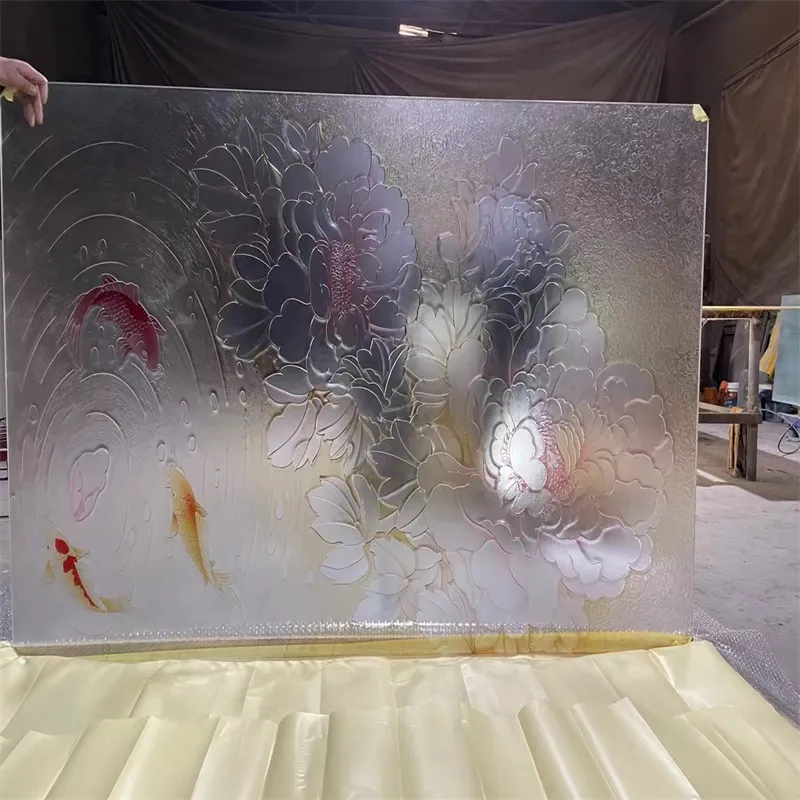
Since 2021, the focus has moved toward "Smart Glass." We have seen the integration of ar glass (Anti-Reflective) and specialized decorative solutions like acid etched glass to meet the demands of high-end interior design and electronics.

Future Development Trends

Net-Zero Energy Facades

Integration of vacuum-insulated glass and low-E coatings to achieve extreme thermal efficiency in line with Vietnam's 2050 net-zero commitment.

Adaptive Optical Coatings

Expansion of ar glass applications in smart displays and architectural glass to eliminate glare in high-sunlight environments.

Eco-Friendly Etching Processes

Transitioning from traditional acid-based methods to sustainable chemical-free frosting for acid etched glass production.

Industry Trends and Future Outlook

Predicting the shift toward sustainable and intelligent glass ecosystems.

Solar Heat Control
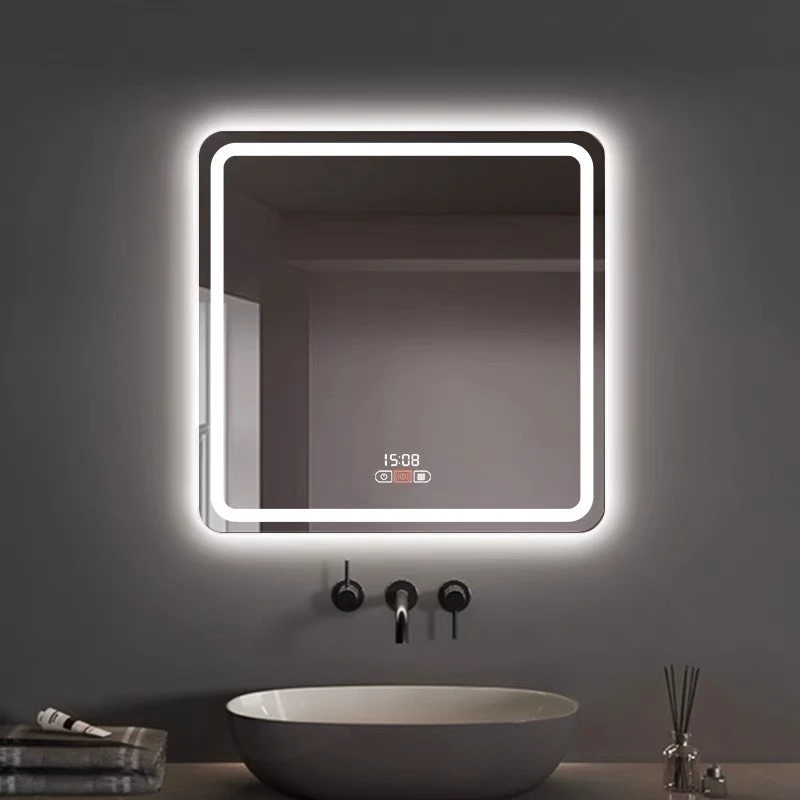
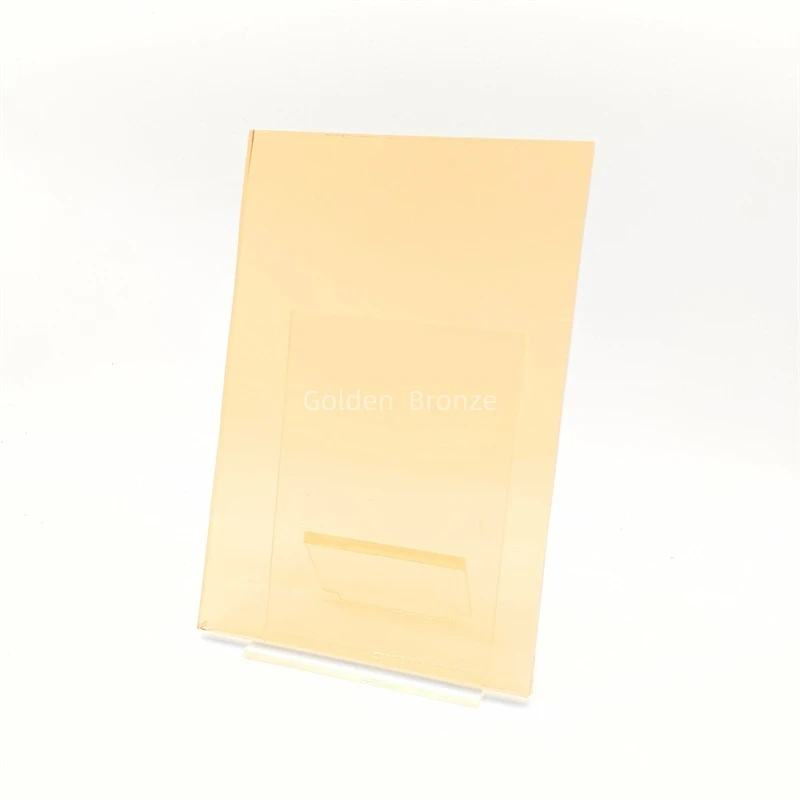
Increased adoption of high-selectivity reflective coatings to lower HVAC costs in tropical regions.
Smart Transparency
Integration of electrochromic layers into laminated glass for dynamic light control.
Structural Safety
Enhanced interlayer bonding for laminated glass to withstand typhoon-force winds in coastal Vietnam.
Aesthetic Versatility
Rising demand for custom frosted and matte finishes for luxury retail interiors.

Industry Outlook

Based on Google search trends for "energy-efficient building materials" in Southeast Asia, we project a 15% CAGR in the demand for high-performance glass in Vietnam. The shift from basic glazing to thermal-controlled systems is no longer optional but a regulatory necessity.

We anticipate that the integration of photovoltaic layers into architectural glass will become a mainstream trend in the next 3-5 years, turning the building envelope into a power-generating asset.

Localized Application Scenarios in Vietnam

Tailored glass solutions for regional infrastructure and climate challenges.

01. High-Rise Office Towers in Ho Chi Minh City

Using high-reflectivity coatings to minimize solar glare and heat absorption, reducing air conditioning energy consumption by up to 30%.

02. Luxury Resorts in Da Nang and Phu Quoc

Installation of tempered laminated glass for beachfront balconies, ensuring safety against salt-spray corrosion and strong winds.

03. High-End Retail Showrooms in Hanoi

Applying ar glass for display cases to maximize product visibility while eliminating distracting reflections from overhead lighting.

04. Modern Residential Partitioning

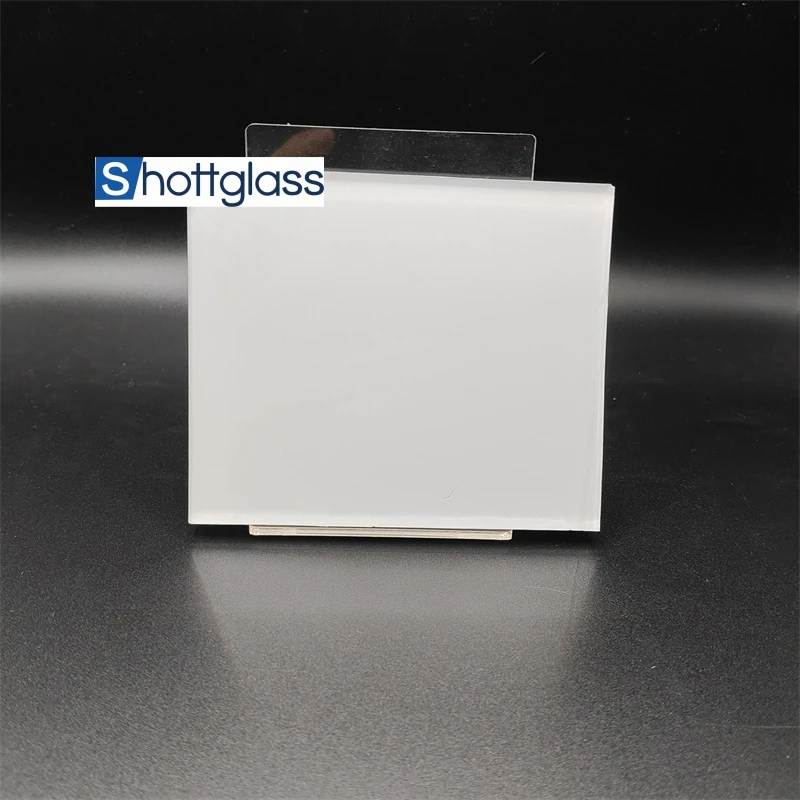
Utilizing acid etched glass for bathroom and bedroom dividers to provide privacy without sacrificing natural light flow.

05. Industrial Solar Farms

Supplying ultra-clear, high-transmittance float glass as a base for photovoltaic modules to optimize energy capture efficiency.

Brand Story

Global Development Journey of Shahe City Xiaote Glass Co., Ltd.

Foundational Excellence

Started as a specialized facility focused on the precision of float glass processing, establishing a reputation for rigorous quality control.

Technological Expansion

Invested in advanced tempering and laminating lines to solve the safety pain points of industrial glass application.

Global Market Entry

Expanded operations to Asia, specifically tailoring product lines for the humid and hot climates of Vietnam and neighboring regions.

Innovation Leadership

Developed specialized anti-reflective and acid-etching processes to meet the aesthetic demands of modern luxury architecture.

Sustainable Future

Now committed to providing carbon-neutral glass solutions that empower architects to build greener, safer cities worldwide.

Comprehensive Glass Portfolio for the Vietnam Market

A one-stop technical glass hub for architecture, interior design, and industrial applications.

Vietnam Technical Glass FAQ

Expert answers to the most common technical questions in the regional glass industry.

How does reflective glass improve energy efficiency in Vietnam's climate?

By reflecting a significant portion of solar radiation, it reduces the "greenhouse effect" inside buildings, drastically lowering the load on air conditioning systems during peak summer months.

What are the benefits of tempered laminated glass for coastal buildings?

It combines the strength of tempering with the safety of lamination. In the event of breakage from wind-borne debris, the glass remains adhered to the interlayer, preventing collapse.

Can ar glass be used in outdoor architectural settings?

Yes, but we recommend integrating it with tempered or laminated layers for durability. It is ideal for skylights and showcases where maximum light transmission is required.

How do I maintain acid etched glass in high-humidity areas?

Regular cleaning with non-abrasive detergents is sufficient. The etched surface is chemically bonded, making it resistant to the peel-off issues common with frosted films.

Is clear float glass suitable for structural applications?

Clear float glass is the raw material. For structural use, it must undergo further processing—such as tempering—to increase its load-bearing capacity and safety.

What is the lead time for custom processed glass shipped to Vietnam?

Depending on the complexity of the tempering and laminating requirements, production typically takes 10-20 days, followed by optimized shipping routes to major Vietnamese ports.

Partner with Glass Experts

Looking for high-performance glass solutions tailored for the unique architecture of Vietnam? Our engineers are ready to assist your project.

Contact Us Now

If you are interested in our products, you can choose to leave your information here, and we will be in touch with you shortly.