
Advanced reflective glass Solutions for Saudi Arabia's Architectural Vision

Engineered for extreme heat and high-performance urban development across the Kingdom of Saudi Arabia.

Advanced reflective glass Solutions for Saudi Arabia's Architectural Vision

Integrating high-precision deep processing glass technology to meet the rigorous demands of Saudi Arabia's rapid infrastructure expansion and energy efficiency standards.

The State of High-Performance Glass in Saudi Arabia

Addressing the challenges of extreme thermal radiation and sand erosion.

In the Saudi Arabian market, the deep processing glass industry is currently driven by "Vision 2030," where the demand for clear float glass has evolved from simple glazing to high-specification architectural components that can withstand temperatures exceeding 50°C.

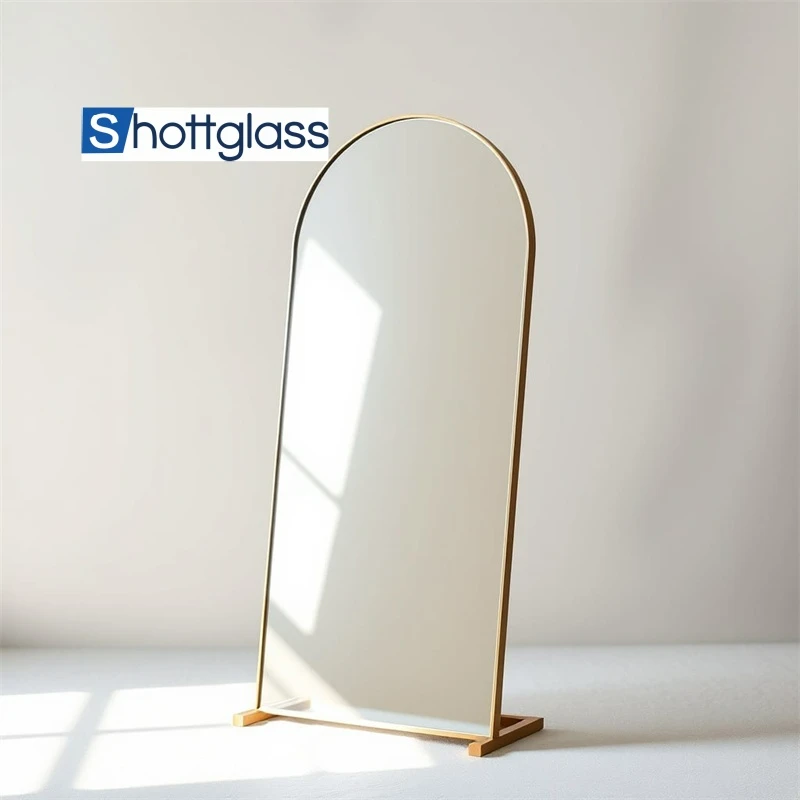
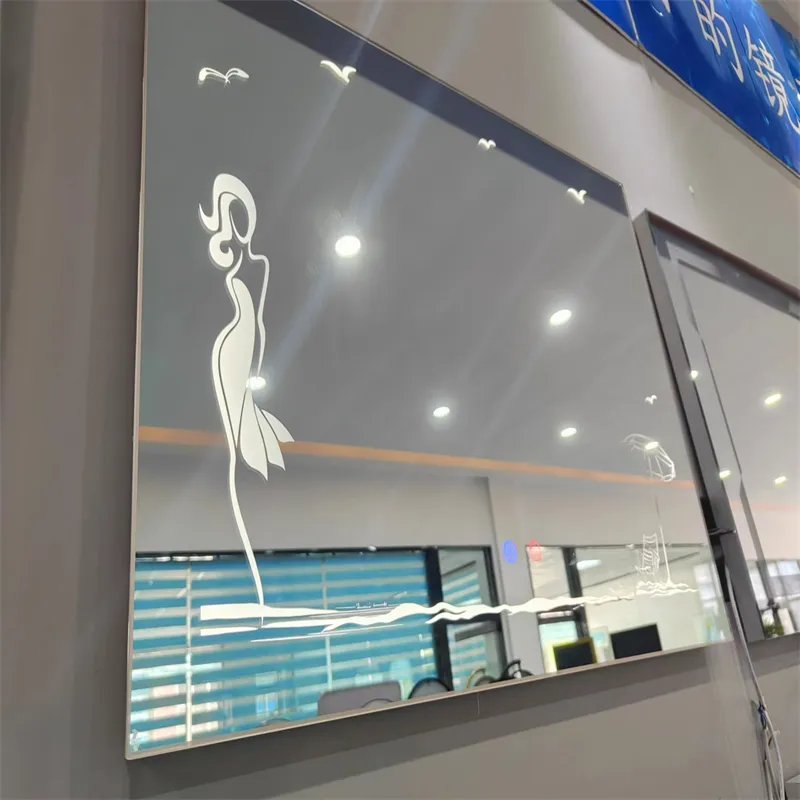
Local construction now prioritizes thermal insulation and solar control. The proliferation of reflective glass is critical for reducing cooling loads in Riyadh and Jeddah, effectively reflecting infrared radiation while maintaining interior luminosity.

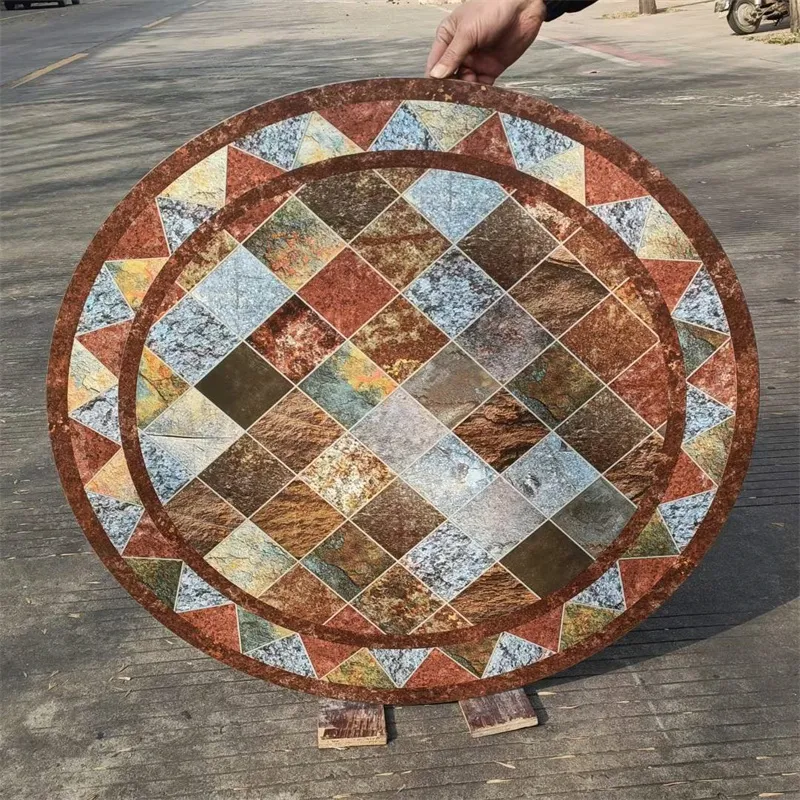
Moreover, the rise of luxury tourism projects like NEOM and the Red Sea Project has introduced a surge in demand for specialized finishes, such as acid etched glass for privacy and aesthetics in high-end hospitality environments.
Evolution of Glass Processing Technology in the Region

From traditional float sheets to intelligent, multi-functional safety glass.

Market Development History

During the early 2000s, the market relied heavily on basic clear float glass, which offered limited thermal protection, leading to high energy consumption for air conditioning in commercial towers.

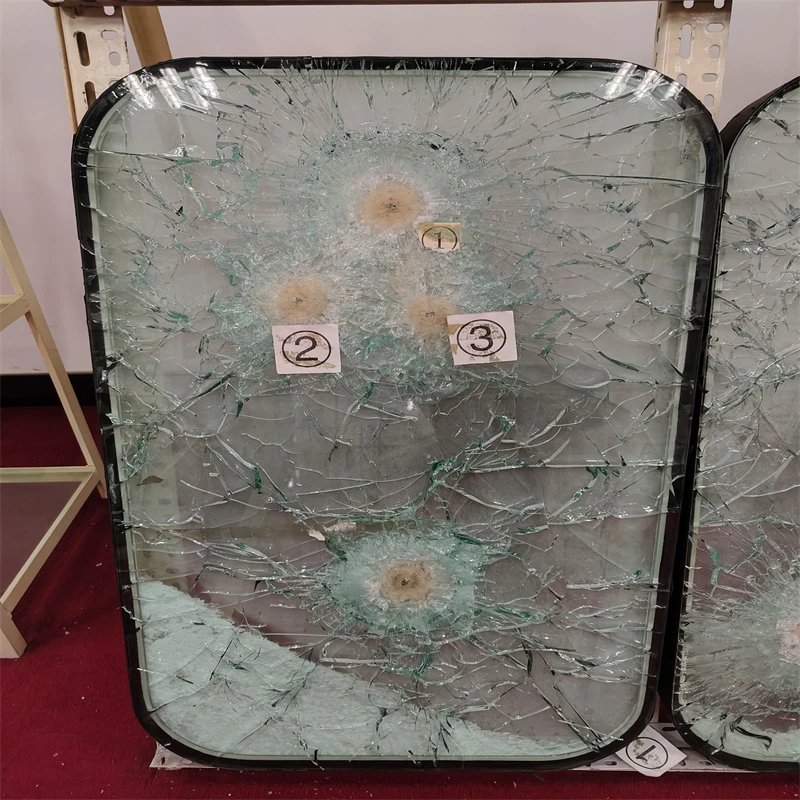
Between 2010 and 2020, the industry shifted toward safety and durability. The adoption of tempered laminated glass became the standard for facades to prevent shattering and enhance structural integrity against desert windstorms.

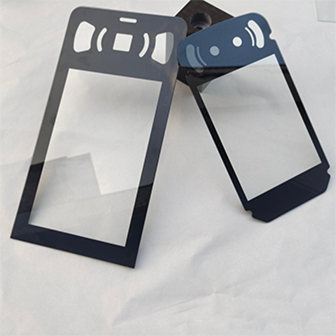
Since 2021, there has been a technological leap toward "smart" glass. The integration of ar glass (anti-reflective) has started appearing in specialized displays and high-tech building interfaces to eliminate glare under the intense Arabian sun.

Future Development Trends

Dynamic Solar Control

Transitioning from static coatings to electrochromic layers that adjust transparency based on real-time sunlight intensity.

Hyper-Durable Surface Treatments

Enhanced chemical strengthening for etched surfaces to resist the abrasive nature of airborne silica sand.

Zero-Carbon Manufacturing

Implementation of hydrogen-fired furnaces in glass processing to align with the Saudi Green Initiative.

Industry Trends and Future Outlook

Analyzing the trajectory of non-metallic mineral products in the Middle East.

Energy-Efficient Glazing
Increasing demand for Low-E and reflective coatings to lower carbon footprints in Saudi cities.
Safety Integration
Standardization of laminated tempered structures for all high-rise public facades.
Aesthetic Customization
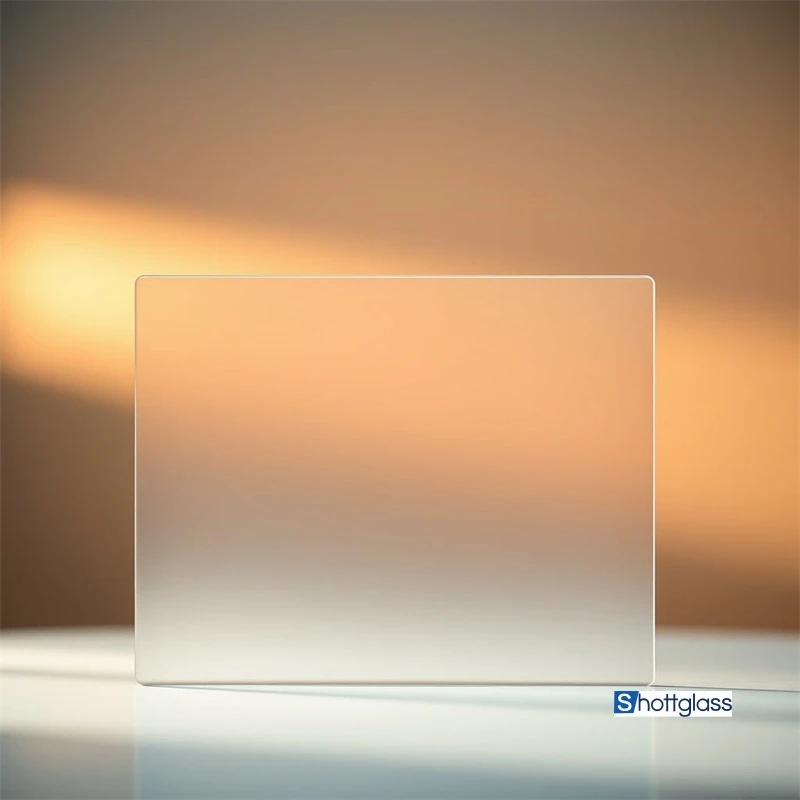
Rise of matte and frosted effects using advanced acid etching for luxury interior design.
Optical Precision
Increasing adoption of AR-coated glass for high-precision industrial and display applications.

Industry Outlook

Google search trends indicate a significant uptick in queries related to "sustainable building materials" and "high-thermal insulation glass" within the GCC region, specifically Saudi Arabia. This suggests a market pivot toward materials that can actively lower energy costs.

The future will be defined by the convergence of glass science and IoT, where deep processing allows for embedded sensors in tempered laminated glass to monitor structural health in real-time for the Kingdom's mega-projects.

Localized Application Scenarios in Saudi Arabia

Practical deployments of technical glass in the Arabian Peninsula.

01. High-Rise Commercial Towers in Riyadh

Extensive use of reflective glass to mitigate solar gain while offering panoramic city views, reducing HVAC dependency.

02. Luxury Resorts in NEOM

Integration of ar glass and specialized coatings to create seamless, glare-free architectural experiences in futuristic designs.

03. Government Administrative Centers

Application of tempered laminated glass for maximum security and safety in high-traffic public corridors.

04. Boutique Hotel Spas and Wellness Centers

Utilization of acid etched glass for sophisticated partitions that provide privacy without sacrificing natural light.

05. Industrial Solar Plant Facilities

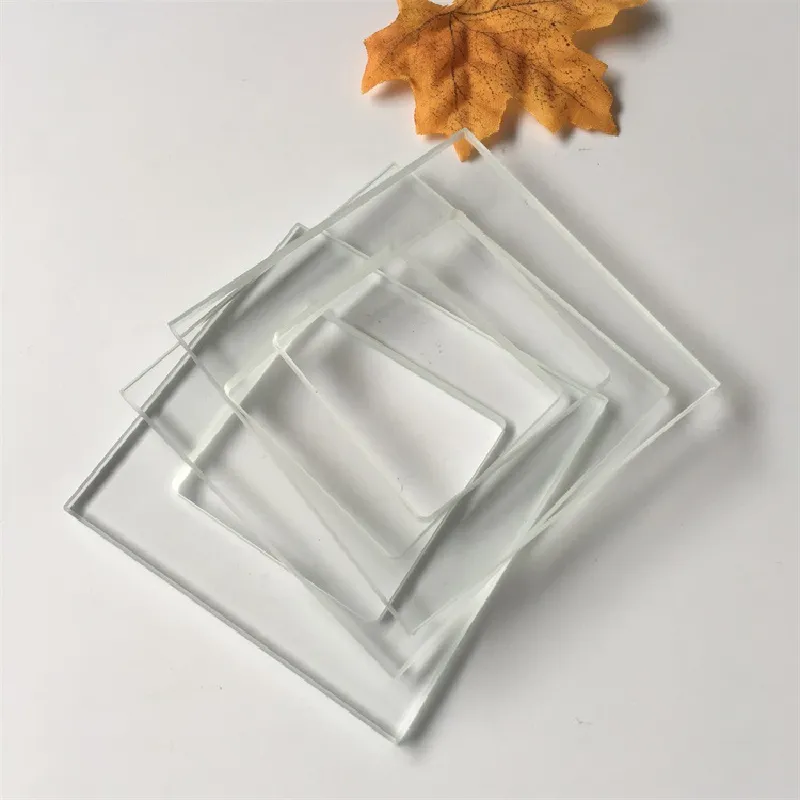
Deployment of ultra-clear, high-transmittance float glass for protective covers on sensitive control equipment.

Brand Story

Global Development Journey of Shahe City Xiaote Glass Co., Ltd.

Foundational Excellence

Established as a specialist in deep processing, focusing on solving the fragility and thermal inefficiency of traditional glass.

Technological Breakthrough

Mastered the precision of acid etching and tempering processes, enabling the production of high-safety architectural glass.

Global Expansion

Expanded operations to serve the Middle Eastern market, tailoring products for extreme climates like Saudi Arabia.

Quality Certification

Achieved international standards for safety and durability, becoming a trusted partner for global architects.

Future Vision

Committing to sustainable, low-carbon glass manufacturing to support the global transition to green building.

Comprehensive Glass Portfolio for Saudi Arabia

From raw float sheets to complex engineered safety glass.

Common Questions Regarding Technical Glass in Saudi Arabia

Expert insights on glass selection for desert environments.

How does reflective glass improve energy efficiency in Riyadh?

It reflects a high percentage of solar radiation (IR), significantly lowering the heat transfer into the building, which reduces air conditioning costs.

Is tempered laminated glass suitable for high-wind desert regions?

Yes, the combination of tempering for strength and lamination for impact resistance makes it ideal for resisting wind-borne debris and pressure changes.

What is the benefit of using acid etched glass in luxury Saudi hotels?

It provides a soft, matte finish that obscures vision for privacy while allowing light to permeate, creating an upscale atmospheric effect.

Can ar glass reduce glare in high-tech office environments?

Absolutely. Anti-reflective (AR) coatings reduce the surface reflection, ensuring clarity and reducing eye strain under bright artificial or natural light.

What is the difference between clear float glass and Low-E glass?

While clear float glass is the basic substrate, Low-E glass has a microscopic metallic layer that reflects heat while letting light through.

How is glass durability maintained against sand abrasion?

Through advanced chemical tempering and hard-coat surface treatments that increase the surface hardness and scratch resistance.

Consult Our Technical Experts

Get professional glass engineering advice for your next project in Saudi Arabia.

Contact Us Now

If you are interested in our products, you can choose to leave your information here, and we will be in touch with you shortly.