
Advanced reflective glass Solutions for Romania's Modern Architecture

Integrating high-performance deep processing glass technology to enhance energy efficiency and aesthetic brilliance across the Romanian built environment.

Advanced reflective glass Solutions for Romania's Modern Architecture

Providing the Romanian market with specialized deep-processed glass that meets strict EU thermal standards and architectural demands.

The State of Technical Glass Manufacturing in Romania

Analyzing the intersection of continental climate challenges and architectural evolution in Eastern Europe.

Romania's glass industry is currently undergoing a rapid transition. Given the region's significant temperature fluctuations between harsh winters and hot summers, there is a surging demand for tempered laminated glass to ensure both safety and thermal insulation in commercial facades.

In urban hubs like Bucharest and Cluj-Napoca, the proliferation of corporate office complexes has shifted the preference toward high-performance coatings. The adoption of ar glass (anti-reflective) is increasing in museums and high-end retail spaces to maximize natural light penetration while eliminating glare.

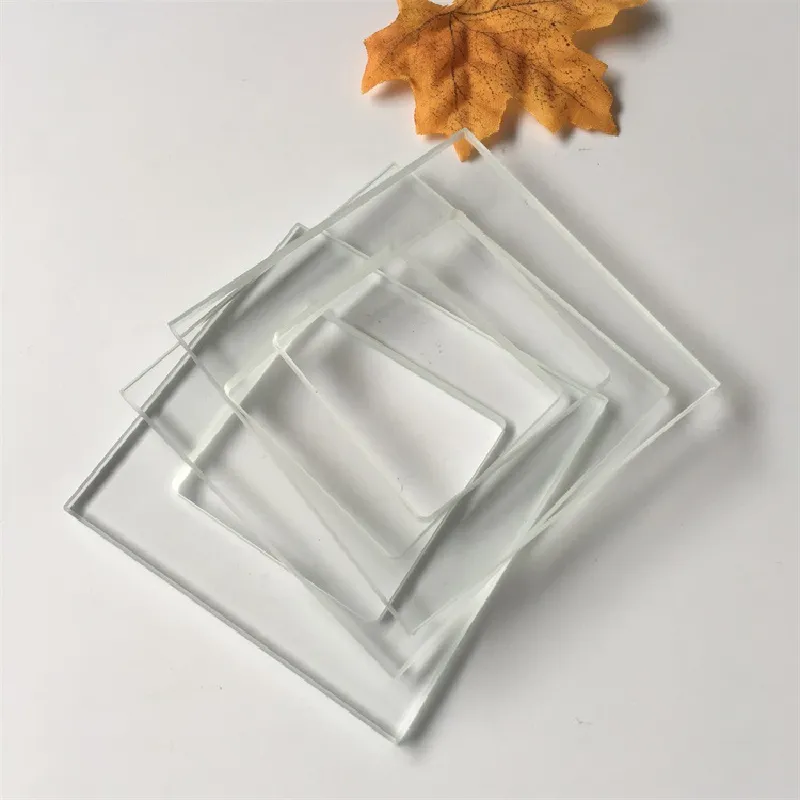
Moreover, the industrial sector in Romania is increasingly utilizing clear float glass as a foundational substrate for further processing, ensuring that the primary material meets the high transparency and flatness standards required by European certification bodies.
Evolution of Deep Glass Processing in Romania

From traditional glazing to intelligent, multi-functional glass systems.

Market Development History

During the late 20th century, the Romanian market relied heavily on standard float glass with limited processing capabilities, primarily focusing on basic structural needs and residential windows.

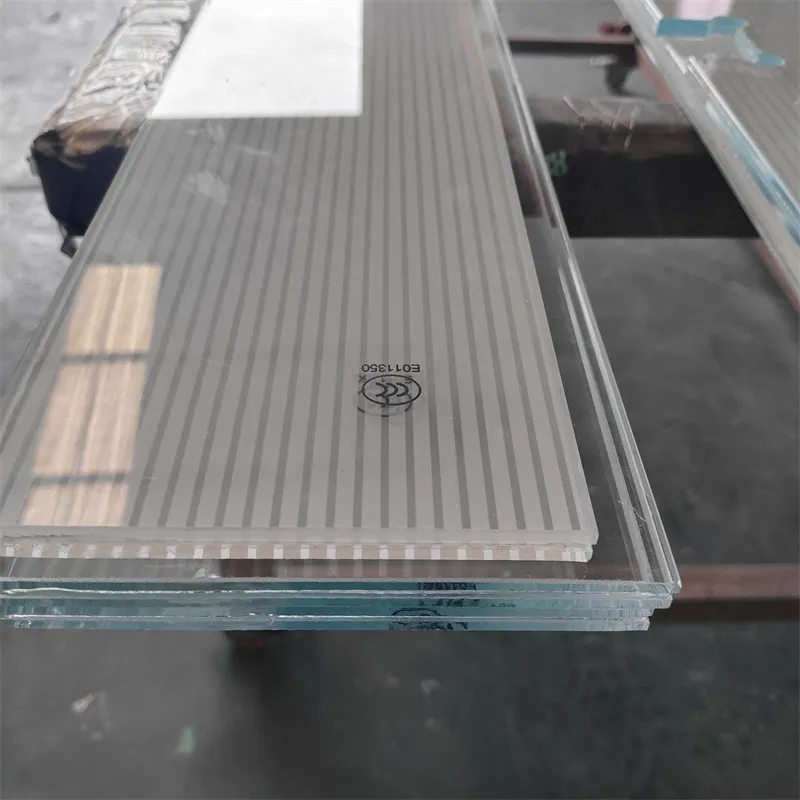
Between 2010 and 2020, the shift toward EU energy efficiency directives accelerated the adoption of acid etched glass for interior partitions and privacy screens, blending aesthetics with functional light diffusion.

By 2023, the industry has matured into a "high-tech" phase, where the integration of multi-layered laminates and specialty coatings has become the standard for sustainable "Green Building" projects across the country.

Future Development Trends

Dynamic Thermal Control

Integration of smart coatings that adapt to Romania's seasonal shifts, reducing HVAC costs in large-scale glass structures.

Sustainable Raw Materials

A move toward circular economy models, emphasizing the recyclability of tempered and laminated components.

Enhanced Optical Clarity

Increased deployment of ultra-clear substrates to improve the performance of specialized anti-reflective coatings in technical applications.

Strategic Trends and Future Outlook

Predicting the trajectory of the non-metallic mineral products industry in Romania.

Energy Efficiency Compliance
Strict adherence to EU energy labels, driving the demand for high-performance low-E and reflective coatings.
Safety Glass Standardization
Increased regulatory focus on tempered and laminated safety glass for public infrastructure projects.
Aesthetic Customization
Growth in demand for acid-etched and frosted textures for modern interior design and privacy.
Digital Manufacturing Integration
Transitioning toward Industry 4.0 with AI-driven quality control for float glass substrates.

Industry Outlook

Over the next 3-5 years, the Romanian glass market will likely see a pivot toward "Intelligent Glazing." Search trends indicate a growing interest in carbon-neutral manufacturing and glasses that can actively reduce the urban heat island effect in cities like Bucharest.

We anticipate a significant increase in the integration of high-tech coatings and reinforced laminates, ensuring that architectural glass is no longer just a barrier, but an active component of building energy management.

Localized Application Scenarios in Romania

Real-world deployments of deep-processed glass in Romania's diverse architectural landscape.

1. Bucharest Corporate High-Rises

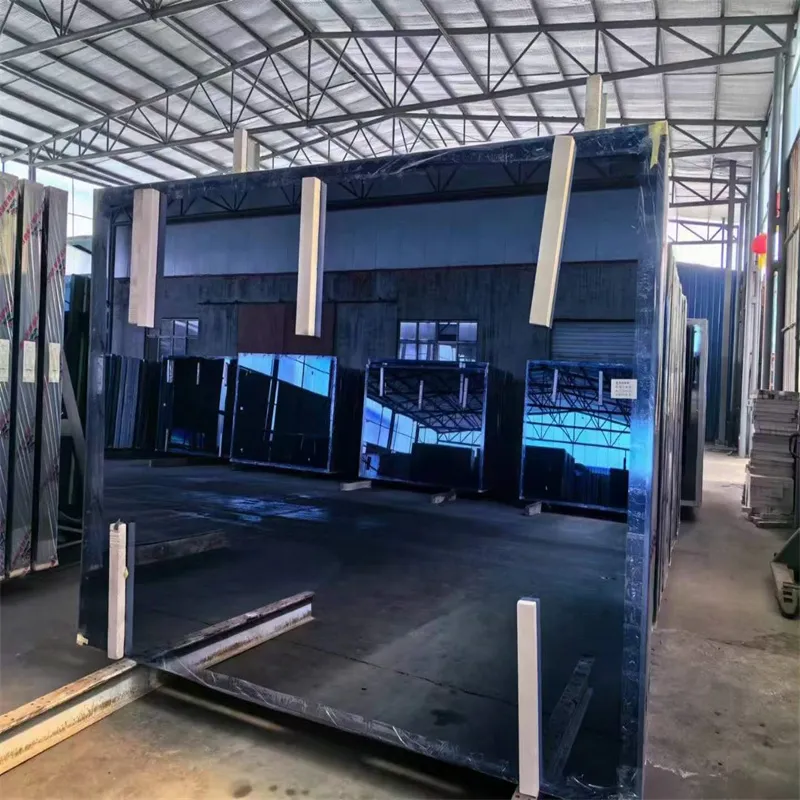
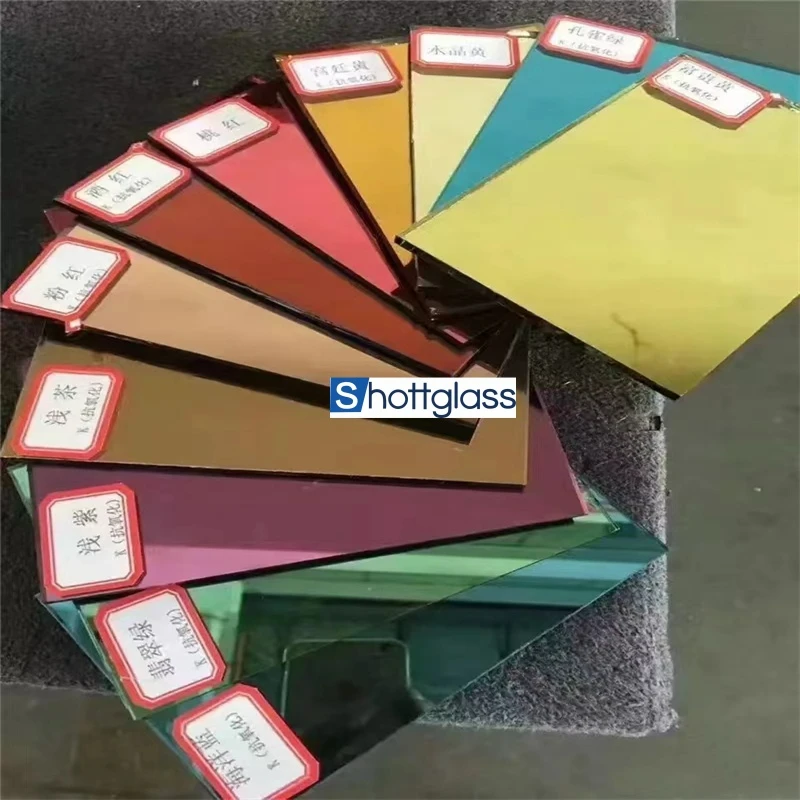
Extensive use of reflective glass on south-facing facades to minimize solar heat gain during the intense Romanian summer.

2. Transylvanian Luxury Hotels

Implementation of acid etched glass for spa partitions and bathroom enclosures, combining moisture resistance with elegant privacy.

3. National Museum Exhibits

Installation of high-transparency ar glass for protective display cases to allow unobstructed views of historical artifacts.

4. Public Transit Hubs in Cluj

Deployment of tempered laminated glass for safety canopies and windbreaks to withstand high traffic and extreme weather.

5. Residential Greenhouses in Rural Romania

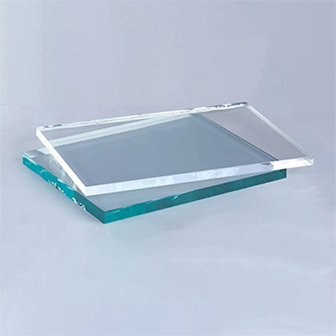
Usage of premium clear float glass for agricultural structures to maximize sunlight for crop growth while ensuring durability.

Brand Story

Global Development History of Shahe City Xiaote Glass Co., Ltd.

Foundational Precision

Established with a focus on technical glass, we began by solving the core issue of substrate inconsistency in float glass production.

Technological Diversification

We expanded our expertise into tempering and laminating, addressing the urgent need for safety-critical glass in industrial environments.

Advanced Coating Innovation

Developing anti-reflective and reflective coatings to help global clients manage light and heat more effectively.

Global Market Penetration

Establishing robust supply chains to deliver high-spec glass to European markets, including strict compliance with EU standards.

Commitment to Sustainability

Our current mission is to lead the industry in energy-efficient glass manufacturing to support a greener global future.

Comprehensive Glass Product Portfolio for Romania

A full suite of deep-processed glass solutions tailored for the Romanian climate and regulatory environment.

Common Inquiries for Technical Glass in Romania

Expert answers to the most frequent technical and logistical questions from our Romanian partners.

How does reflective glass improve energy efficiency in Bucharest offices?

It significantly reduces solar heat gain by reflecting a large portion of infrared radiation, thereby lowering the energy required for air conditioning during hot summers.

Is tempered laminated glass suitable for the extreme winter temperatures in the Carpathian mountains?

Yes, the combination of tempering for strength and lamination for stability allows the glass to withstand thermal expansion and contraction without compromising structural integrity.

What are the main advantages of using ar glass for museum displays in Romania?

Anti-reflective (AR) glass eliminates distracting reflections, allowing visitors to see artifacts clearly from various angles without the interference of overhead lighting.

Can acid etched glass be used for external partitions in humid Romanian climates?

While primarily used indoors, it can be used externally if properly sealed; its frosted surface is highly resistant to fingerprints and maintains a consistent appearance.

What is the standard quality check for clear float glass substrates before deep processing?

We conduct rigorous optical clarity tests and flatness measurements to ensure the substrate is free of bubbles or waves before any tempering or coating is applied.

How do we ensure EU compliance when importing deep processed glass to Romania?

Our products are manufactured following international quality standards and come with complete certification documentation to ensure seamless customs clearance and building permit approval.

Connect With Our Glass Experts

Ready to optimize your project with high-performance glass? Our technical team is ready to support your architectural vision in Romania.

Contact Us Now

If you are interested in our products, you can choose to leave your information here, and we will be in touch with you shortly.