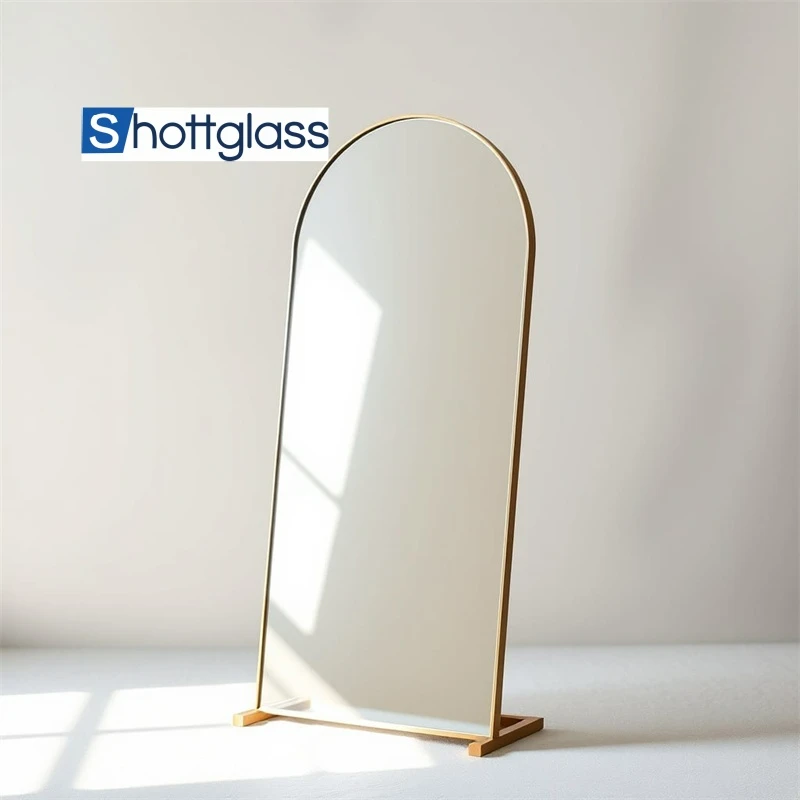

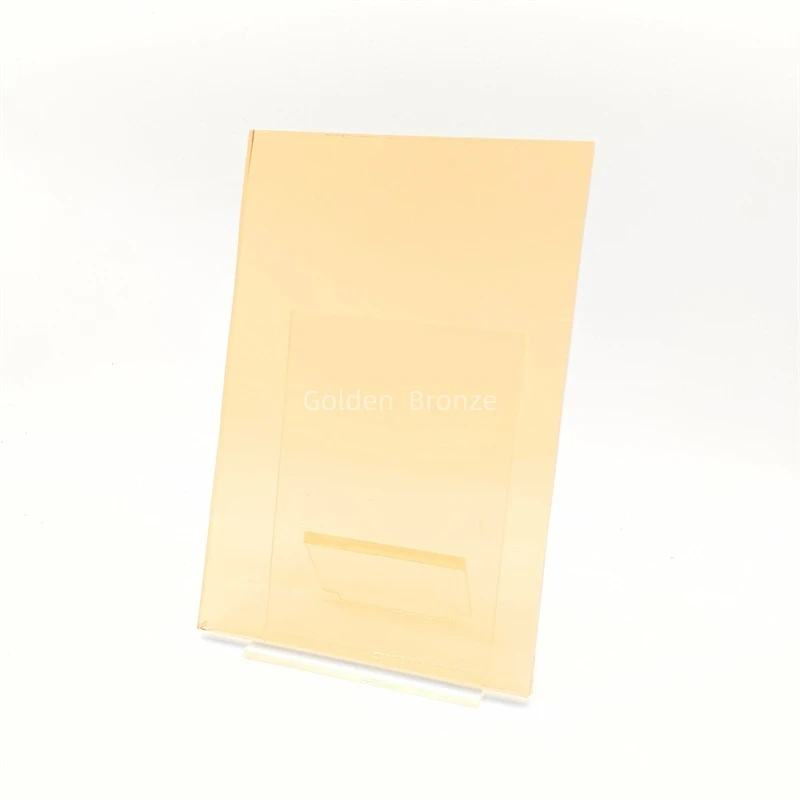
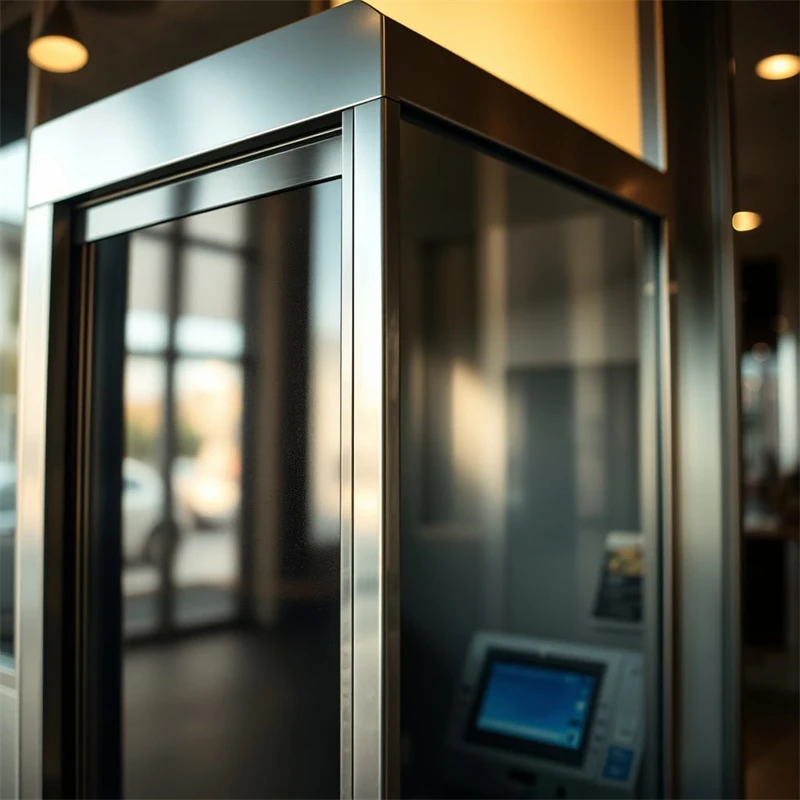
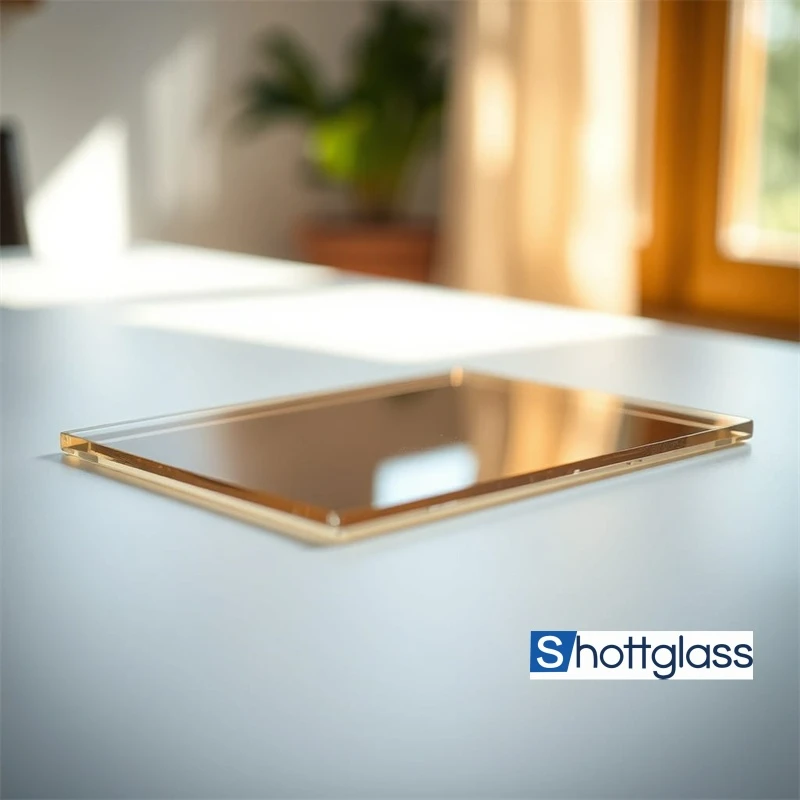
Advanced reflective glass Solutions for Kazakhstan's Urban Infrastructure

Engineered for extreme climates and architectural excellence, delivering superior thermal control and durability across Central Asia.

Advanced reflective glass Solutions for Kazakhstan's Urban Infrastructure

Providing high-performance deep-processed glass tailored to meet the rigorous environmental demands and aesthetic standards of Kazakhstan's expanding metropolitan landscapes.

Market Dynamics of Glass Manufacturing in Kazakhstan

Analyzing the intersection of extreme continental climate and rapid modernization.

Kazakhstan's unique geography, characterized by vast steppes and extreme temperature fluctuations between winter and summer, creates a critical demand for specialized tempered laminated glass. The local construction industry is shifting away from basic glazing toward energy-efficient systems that can withstand thermal shock and high wind loads in cities like Almaty and Astana.

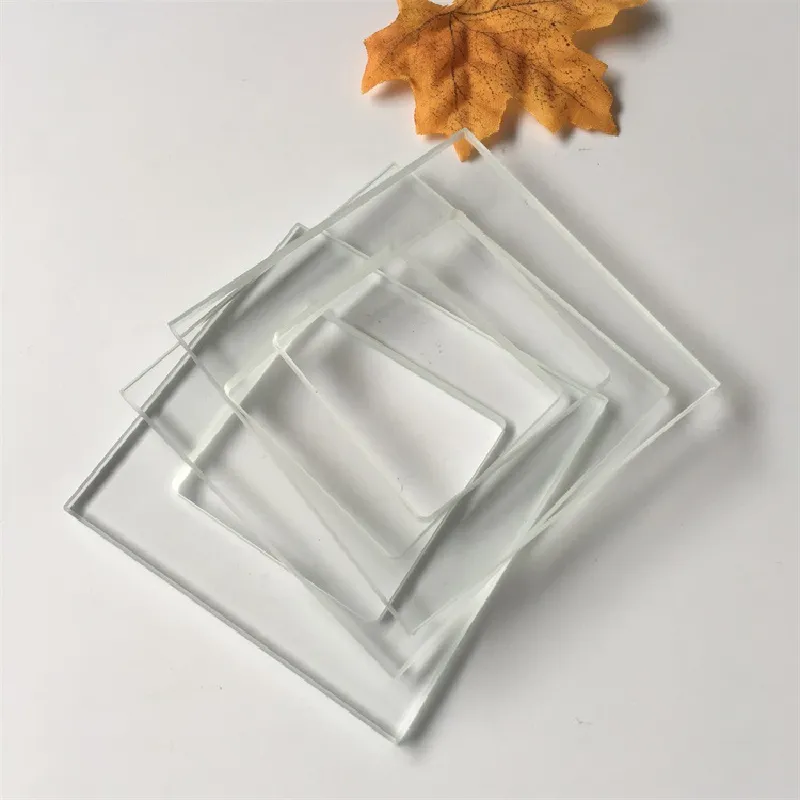
Current market trends show a surge in the adoption of clear float glass as a foundational substrate for high-end processing. However, the demand for value-added products is rising as developers seek to reduce HVAC costs through advanced coatings and thermal insulation technologies.

The industrial landscape is currently transitioning from importing finished glass components to establishing strategic partnerships for customized deep-processing, focusing on durability and compliance with Eurasian economic standards for safety and energy efficiency.
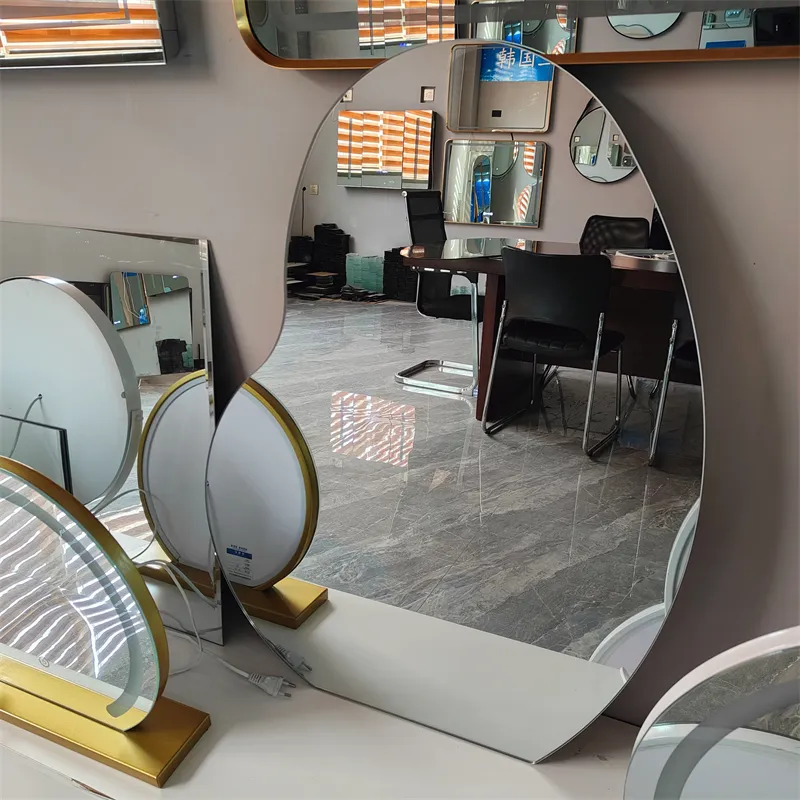
Evolution and Technological Trajectory of Deep-Processed Glass

From traditional transparency to intelligent climate-responsive surfaces.

Market Development History

In the early 2000s, the Kazakhstan market relied heavily on standard float glass with minimal processing, focusing primarily on basic structural integrity for residential buildings.

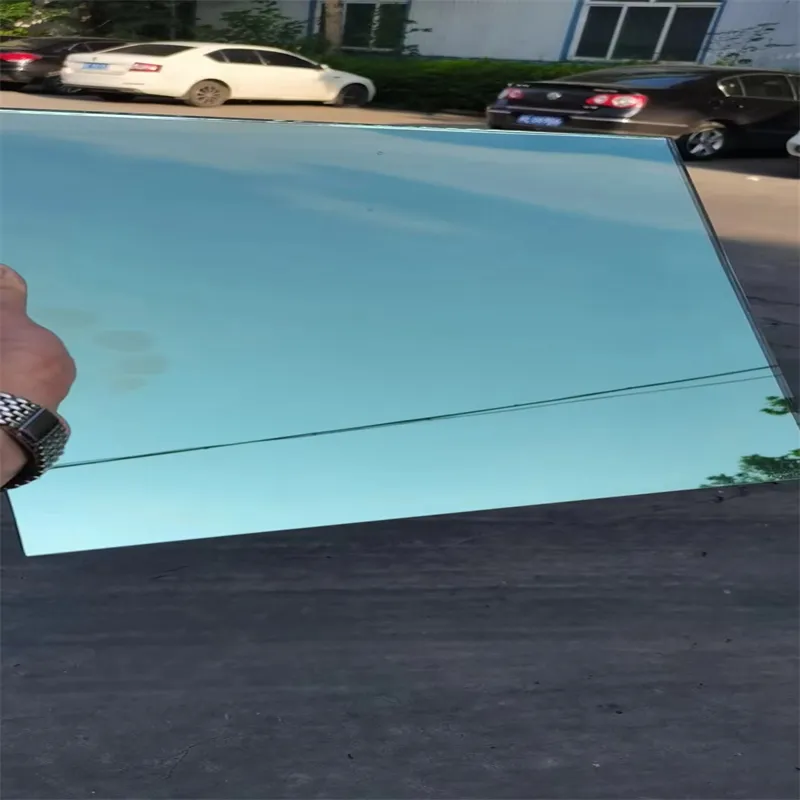
By 2010-2015, the rise of commercial skyscrapers led to the introduction of reflective glass and initial tempering processes to enhance safety and solar heat gain coefficient (SHGC) management.

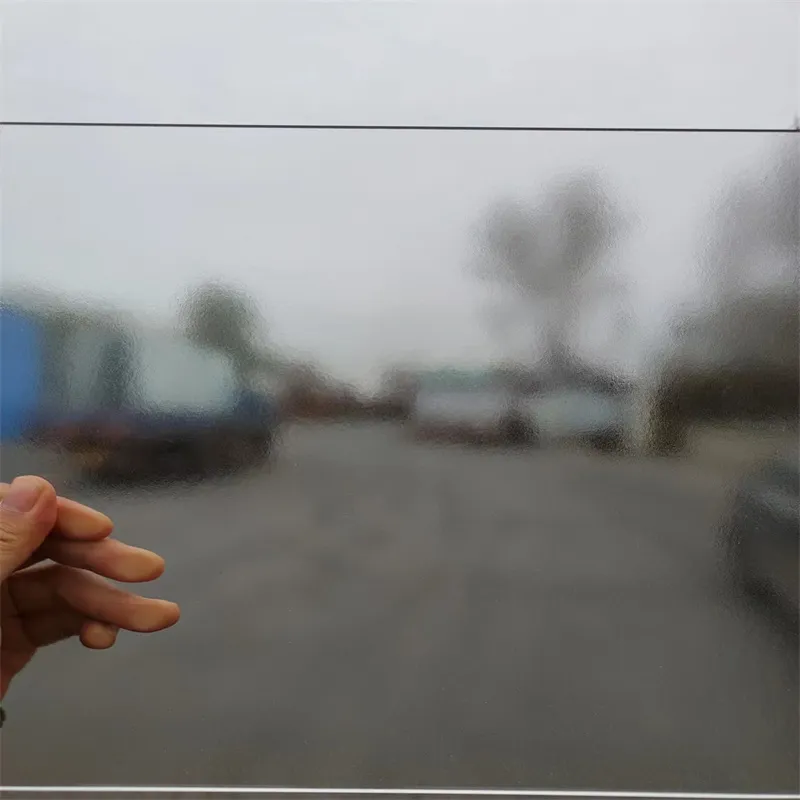
From 2018 to the present, the industry has pivoted toward "Smart Glass" and high-precision finishing, incorporating acid etched glass for interior privacy and architectural aesthetics in luxury developments.

Future Development Trends

Integration of Low-E and AR Technologies

We predict a significant increase in ar glass (Anti-Reflective) to improve visibility and light transmission in high-tech industrial facilities and museum installations.

Enhanced Safety Lamination

The evolution of interlayer materials will make laminated systems more resilient to the extreme freeze-thaw cycles typical of the Northern Kazakhstan region.

Sustainable Manufacturing Processes

Shift toward carbon-neutral production and recyclable glass compositions, aligning with global Green Building certifications (LEED/BREEAM) being adopted in Astana.

Industry Outlook and Strategic Forecasting

Anticipating the next 3-5 years of technological disruption in non-metallic mineral products.

Thermal Efficiency Optimization
Developing multi-layered coatings to tackle Kazakhstan's extreme temperature variance.
Smart-Glazing Integration
Implementing electrochromic layers for dynamic light control in commercial hubs.
High-Strength Structural Glass
Advancing chemically strengthened glass for seismic stability in Almaty.
Aesthetic Functionalization
Merging matte finishes with high-performance UV filtering for interior design.

Industry Outlook

Based on Google search trends for "energy-efficient building materials" in Central Asia, there is a clear shift toward sustainable architectural glass. The next five years will see a transition where the focus moves from mere transparency to "active" surfaces that contribute to a building's energy balance.

We anticipate a 15% annual growth in the demand for specialized deep-processing, specifically in high-security laminated and reflective systems, driven by the "Nurly Zhol" infrastructure projects and urban redevelopment in Kazakhstan's major cities.

Localized Glass Application Scenarios in Kazakhstan

Real-world implementations across various sectors of the Kazakhstan economy.

1. Astana Commercial Skyscrapers

Utilizing high-performance reflective glass to minimize solar heat gain during intense summers while maintaining interior luminosity during long winters.

2. Almaty Luxury Residential Complexes

Implementation of acid etched glass for high-end bathroom partitions and frosted facades, providing privacy and a sophisticated matte aesthetic.

3. Industrial Zones in Karaganda

Installing tempered laminated glass for overhead skylights and safety partitions, ensuring resistance to heavy industrial loads and safety during breakage.

4. High-Tech Laboratories in Nur-Sultan

Application of ar glass for precision optical windows and display cases to eliminate glare and maximize clarity for scientific observation.

5. Retail Storefronts in Almaty Mall

Using premium clear float glass as the base for tempered shop-fronts, offering crystal-clear product visibility combined with structural safety.

Brand Story

Global Development Journey of Shahe City Xiaote Glass Co., Ltd.

Foundational Excellence

Established as a specialized manufacturer, we began by mastering the core chemistry of float glass, ensuring every sheet met the highest purity standards.

Technological Pivot

We expanded into deep-processing, investing in advanced tempering and lamination lines to solve the industry's safety and durability pain points.

Global Reach

By optimizing our logistics and quality control, we successfully penetrated the Central Asian market, including Kazakhstan, offering customized solutions for extreme climates.

Innovation Leadership

Introducing AR and reflective coatings, we moved from being a material supplier to a technical partner in architectural energy efficiency.

Sustainable Future

Our current mission is to lead the transition toward green glass manufacturing, reducing carbon footprints while enhancing building performance globally.

Comprehensive Glass Portfolio for Kazakhstan

A full suite of deep-processed glass products engineered for the Eurasian market.

Glass Manufacturing FAQs for Kazakhstan Market

Technical answers to common regional challenges in glass selection.

How does reflective glass perform in Astana's extreme winters?

Our reflective glass is designed with high-performance coatings that not only reject summer heat but also provide essential thermal insulation to retain interior warmth during sub-zero temperatures.

Is tempered laminated glass required for high-rise buildings in Almaty?

Yes, due to seismic activity in the Almaty region, tempered laminated glass is highly recommended as it prevents shattering and maintains structural integrity during tremors.

What is the primary difference between acid etched glass and sandblasted glass?

Acid etched glass provides a smoother, more consistent satin finish that is easier to clean and more resistant to fingerprints compared to the rougher texture of sandblasting.

Can AR glass be used for outdoor signage in Kazakhstan?

Yes, our Anti-Reflective (AR) glass is engineered to reduce glare from sunlight, making it ideal for high-visibility outdoor displays and information kiosks.

How should clear float glass be transported to remote regions of Kazakhstan?

We use reinforced A-frame packaging with moisture-resistant wrapping to prevent breakage and oxidation during long-distance transit across the steppe.

What are the energy-saving benefits of deep-processed glass in the Eurasian region?

By integrating Low-E coatings and reflective properties, our glass reduces the load on HVAC systems, lowering energy consumption by up to 30% in extreme climates.

Get Your Custom Glass Solution

Consult with our engineers today for high-performance glass projects in Kazakhstan.

Contact Us Now

If you are interested in our products, you can choose to leave your information here, and we will be in touch with you shortly.