
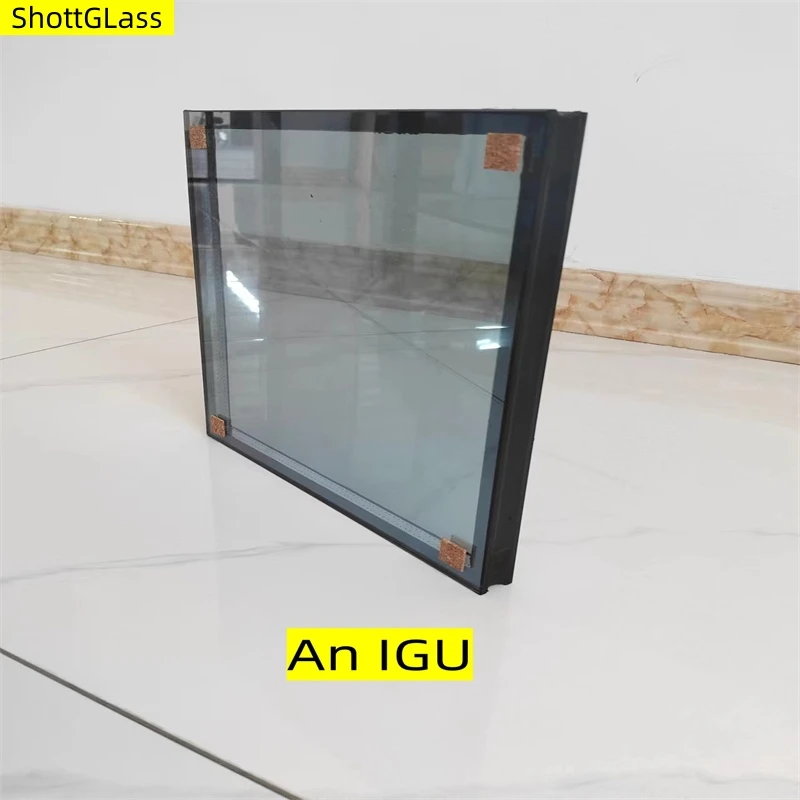
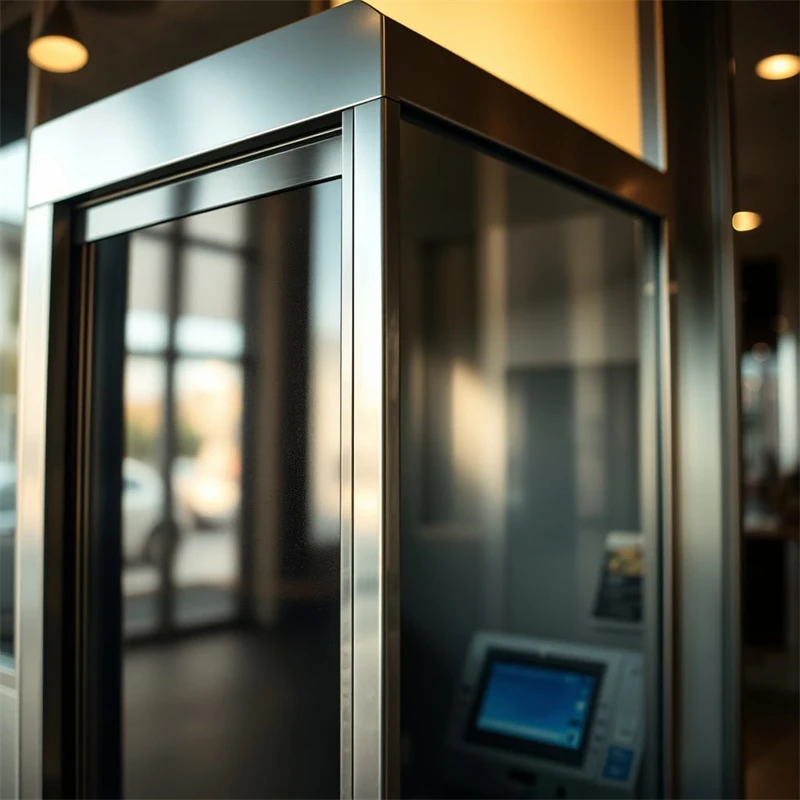
The Democratic Republic of the Congo faces a dual challenge: intense equatorial solar radiation and a rapidly expanding urban infrastructure in cities like Kinshasa and Lubumbashi. Traditionally, the market relied on basic clear float glass, which often failed to provide the necessary thermal insulation, leading to excessive cooling costs in commercial buildings.
As the DRC invests in modern administrative hubs and luxury residential complexes, there is a surging demand for value-added products. The shift toward reflective glass has become essential to reduce the "urban heat island" effect, allowing buildings to maintain internal temperatures while reflecting the harsh tropical sun.
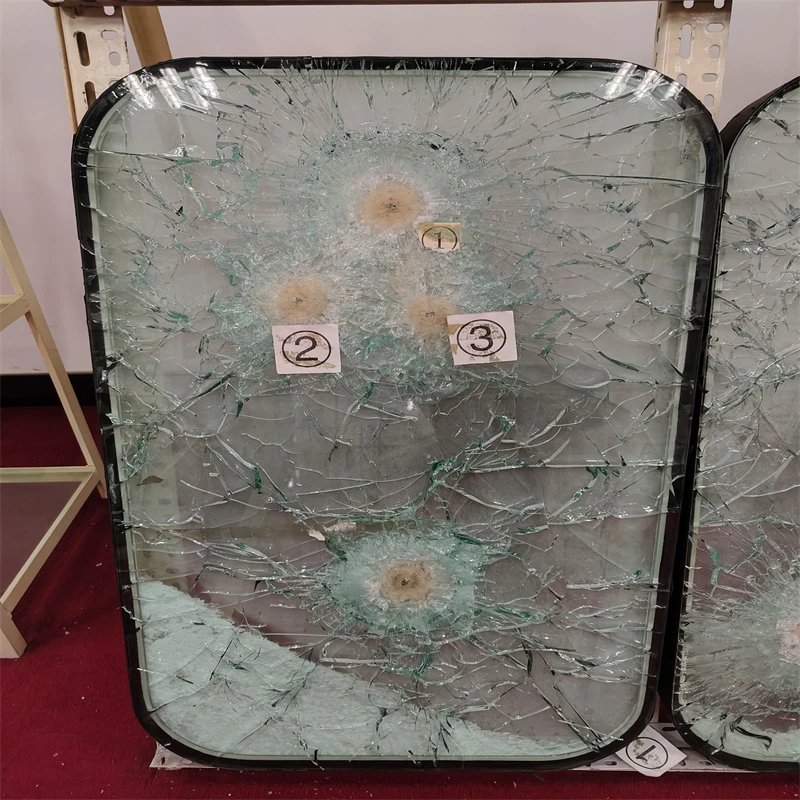
Currently, the supply chain is evolving from simple imports to the specification of advanced deep-processing techniques. The integration of tempered laminated glass is now a priority for safety-critical infrastructure, ensuring that structural failures do not lead to hazardous shards in densely populated urban centers.