
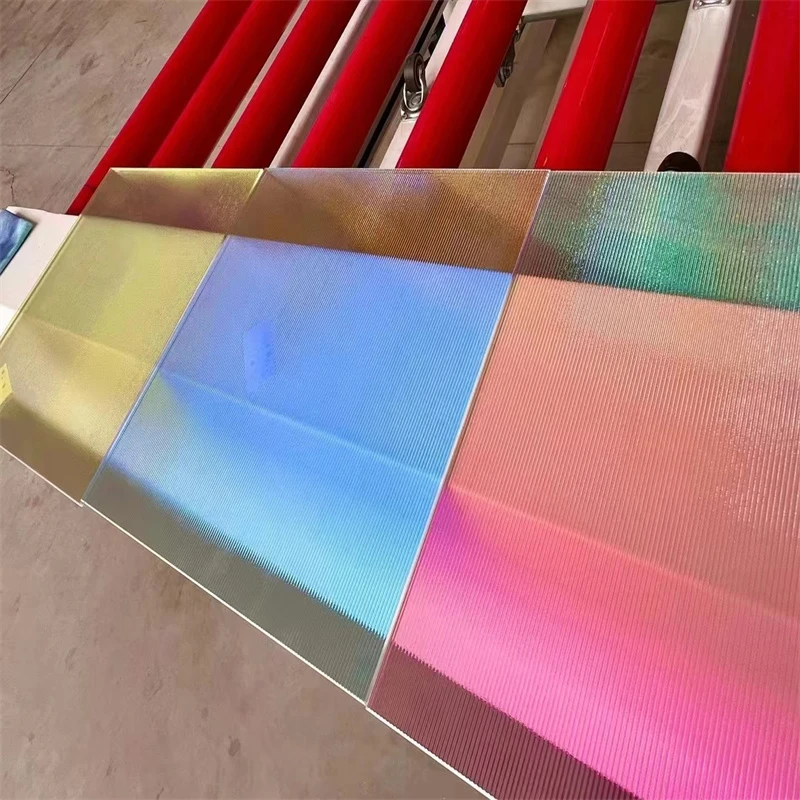
Advanced Glass Solutions in Laos featuring reflective glass

Empowering the Laotian construction landscape with high-performance, energy-efficient, and aesthetically superior deep-processed glass technologies.

Advanced Glass Solutions in Laos featuring reflective glass

Integrating precision engineering with architectural needs to provide the most durable and efficient glass products for the Southeast Asian market.

Glass Industry Landscape in Laos

Analyzing the intersection of tropical climate and urban development in the Laotian glass market.

The glass industry in Laos is currently undergoing a transition from basic residential glazing to sophisticated architectural applications. Given the intense solar radiation and high humidity of the region, there is a surging demand for reflective glass to reduce heat gain in commercial buildings in Vientiane and Luang Prabang.

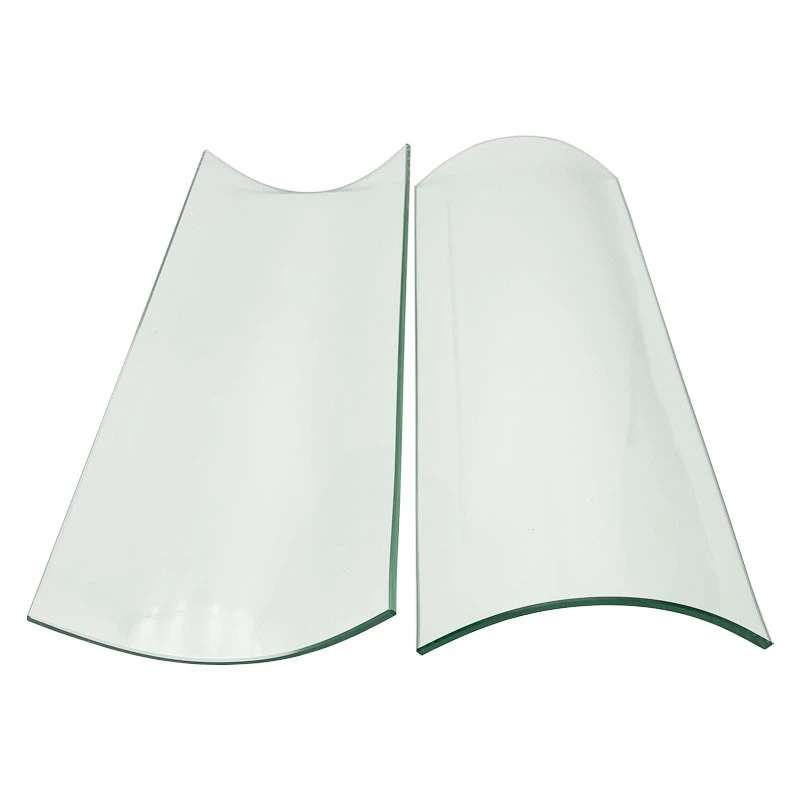
Currently, the market relies heavily on imported deep-processed glass. The shift toward sustainable urban planning has led developers to prioritize tempered laminated glass to ensure structural safety during the monsoon seasons, where unpredictable weather patterns necessitate higher impact resistance.

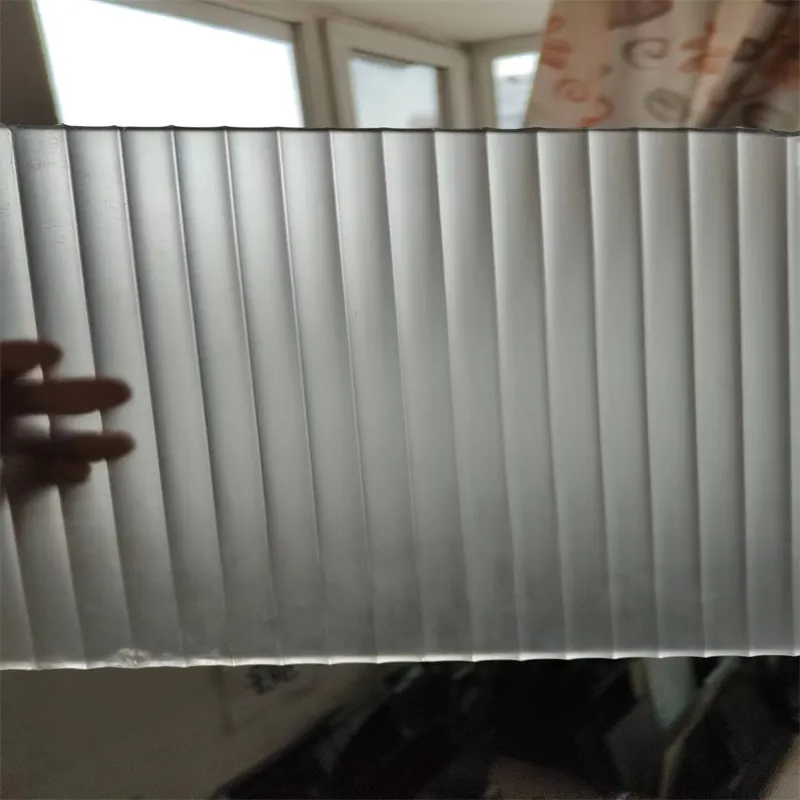
Furthermore, the hospitality sector in Laos is increasingly adopting decorative solutions. The use of acid etched glass has become a trend for luxury resorts, providing a balance between privacy and natural light diffusion that complements the region's natural beauty.
Evolution and Trajectory of Glass Processing

From standard float glass to intelligent, high-value-added technical glass.

Market Development History

In the early 2000s, the Laotian market was dominated by standard clear float glass, which served basic windowing needs but lacked thermal efficiency for the tropical heat.

Between 2010 and 2020, the introduction of thermal tempering and lamination technologies allowed for the adoption of safety glass, moving the industry toward the standardized use of tempered laminated glass in public infrastructure.

Since 2021, there has been a pivot toward "Technical Glass," where optical clarity and energy reflection are paramount, leading to the integration of specialized coatings and chemical processing.

Future Development Trends

Energy-Neutral Architecture

The integration of high-efficiency coatings will move beyond basic reflection to active energy management, reducing reliance on HVAC systems.

Smart Optical Integration

We anticipate a rise in ar glass (Anti-Reflective) for high-end display cases and museum installations across Laos' cultural heritage sites.

Sustainable Processing

The shift toward low-carbon manufacturing processes in the non-metallic mineral sector will become a requirement for government-funded projects.

Industry Outlook and Future Prospects

Navigating the next 5 years of technical glass evolution in Laos.

Thermal Efficiency Optimization
Prioritizing low-E and reflective properties to combat Laos' intense heat waves.
High-Safety Infrastructure
Expanding the use of laminated safety glass in high-rise developments in urban hubs.
Architectural Aesthetics
Growing demand for frosted and etched textures in boutique hotel interior design.
Optical Precision
Applying anti-reflective coatings to precision glass for technical and medical equipment.

Industry Outlook

Based on Google search trends in Southeast Asia, queries for "energy-saving glass" and "safety glazing" are increasing by 15% annually. In Laos, this reflects a shift toward LEED-certified building standards.

The convergence of non-metallic mineral processing and digital design will allow for customized glass patterns and specifications, reducing waste and improving the speed of installation for large-scale projects.

Localized Application Scenarios in Laos

Practical deployments of deep-processed glass across diverse sectors.

01. Vientiane Commercial Hubs

Implementing reflective glass on skyscraper facades to minimize internal heat gain, significantly reducing air conditioning costs in the capital's business district.

02. Luang Prabang Heritage Hotels

Using acid etched glass for bathroom partitions and frosted windows to maintain a serene, private atmosphere while letting in soft, natural light.

03. Industrial Zones in Savannakhet

Installing tempered laminated glass for overhead skylights and security partitions to ensure worker safety and structural integrity.

04. Luxury Retail Showcases

Deploying ar glass for high-end jewelry and art displays, eliminating glare and maximizing the visual clarity of the exhibits.

05. Residential Green Buildings

Utilizing high-quality clear float glass as the substrate for double-glazed units, providing essential insulation for modern sustainable homes.

Brand Story

Global Development Journey of Shahe City Xiaote Glass Co., Ltd.

Founding and Local Mastery

Established with a vision to redefine glass processing, we began by mastering the fundamentals of high-quality float glass production.

Technological Diversification

We expanded our capabilities into tempering and laminating, solving the critical pain point of glass fragility in industrial settings.

Global Quality Certification

By adopting international standards, we bridged the gap between regional manufacturing and global architectural requirements.

Strategic Market Expansion

We identified the needs of the SE Asian market, specializing in heat-reflective and safety glass for tropical climates.

Future-Proofing Glass

Today, we focus on smart glass and eco-friendly processing to lead the transition toward sustainable urban development worldwide.

Complete Technical Glass Portfolio for Laos

A comprehensive range of deep-processed glass solutions tailored for the Laotian market.

Common Questions about Glass in Laos

Expert answers to the most frequent technical inquiries in the region.

Which glass is best for reducing heat in Vientiane buildings?

We highly recommend reflective glass due to its ability to bounce back a significant portion of solar radiation, keeping interiors cool.

Is tempered laminated glass necessary for high-rise balconies?

Yes, for safety and compliance, tempered laminated glass is essential as it prevents shards from falling if the glass breaks.

How does acid etched glass differ from sandblasted glass?

Acid etched glass provides a smoother, more uniform finish and is easier to clean, making it ideal for humid tropical environments.

What are the benefits of using AR glass in museum displays?

AR glass significantly reduces reflections, allowing visitors to see artifacts clearly without the interference of overhead lighting.

Can clear float glass be upgraded to energy-efficient glass?

While clear float glass is the base material, it must undergo further processing like coating or tempering to become energy-efficient.

What is the lead time for customized glass shipments to Laos?

Lead times vary by order volume and processing complexity, but we optimize logistics to ensure timely delivery across Asia.

Ready to Elevate Your Project?

Get professional technical consultation for high-performance glass solutions specifically engineered for Laos.

Contact Us Now

If you are interested in our products, you can choose to leave your information here, and we will be in touch with you shortly.