
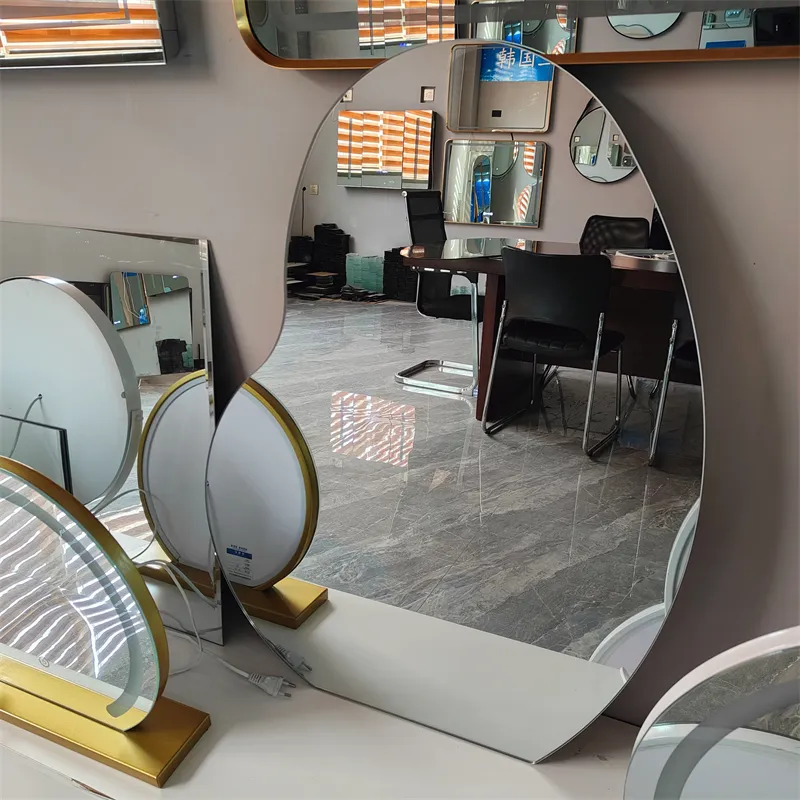
Advanced Glass Solutions for Portugal: Specializing in tempered laminated glass

High-performance technical glass manufacturing engineered for the Portuguese architectural landscape and industrial requirements.

Advanced Glass Solutions for Portugal: Specializing in tempered laminated glass

Providing Portugal with precision-engineered deep-processed glass, from high-transparency clear float glass to specialized optical coatings for modern infrastructure.

Current State of Technical Glass Manufacturing in Portugal

Analyzing the intersection of Atlantic climatic challenges and modern construction standards.

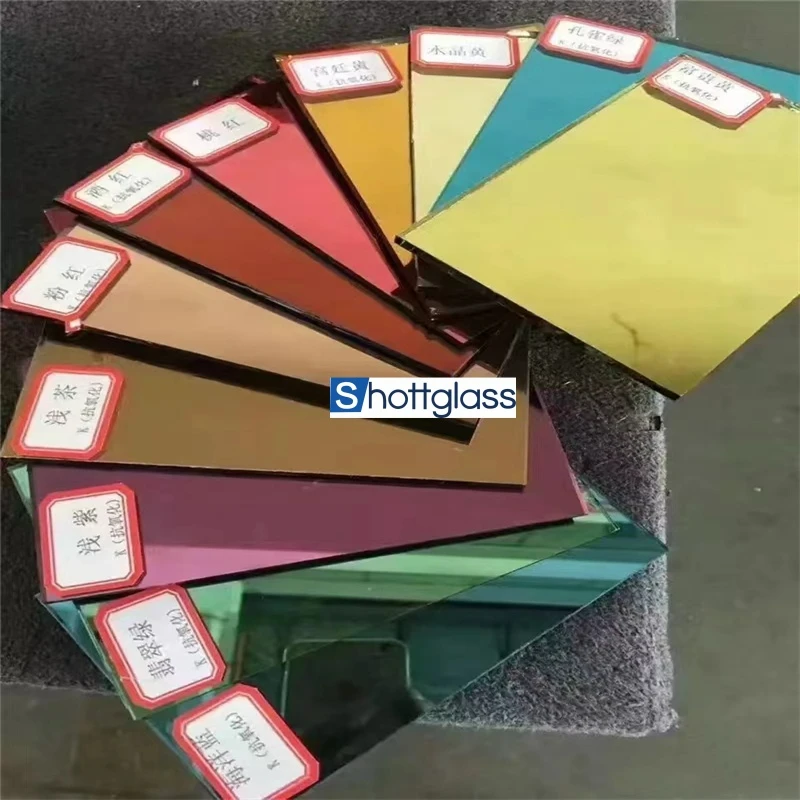
Portugal's glass industry is currently navigating a transition toward high-efficiency thermal insulation. Due to the intense solar radiation in regions like the Algarve and Alentejo, there is a surging demand for reflective glass to reduce cooling loads and improve energy efficiency in urban developments.

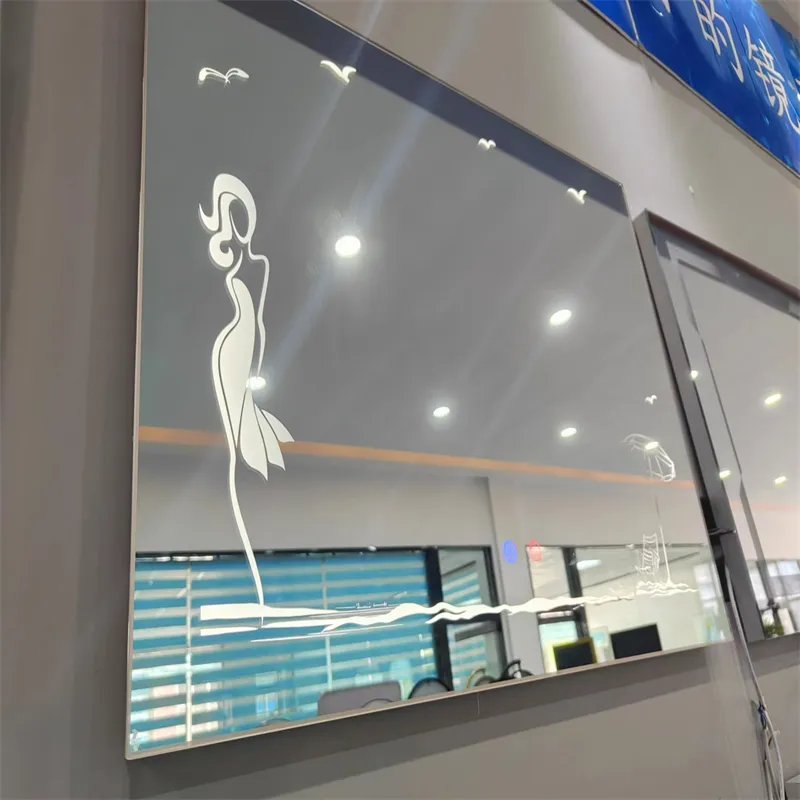
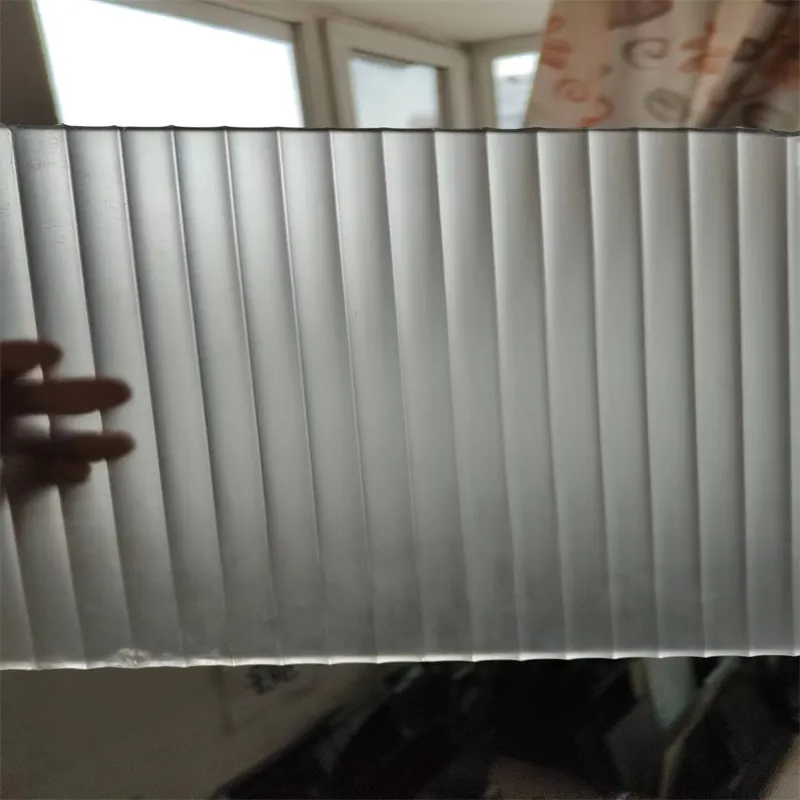
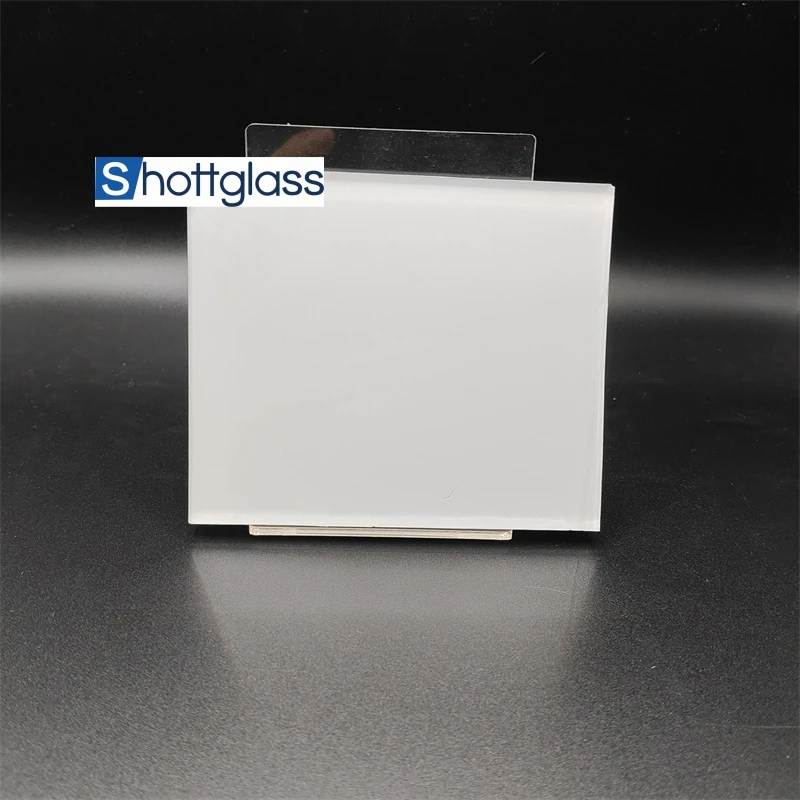
The coastal environment of Lisbon and Porto introduces significant saline corrosion challenges. This has forced a shift toward deep-processed glass that offers superior chemical stability and durability, making the adoption of high-grade acid etched glass more common for interior privacy and decorative facades that resist humidity.

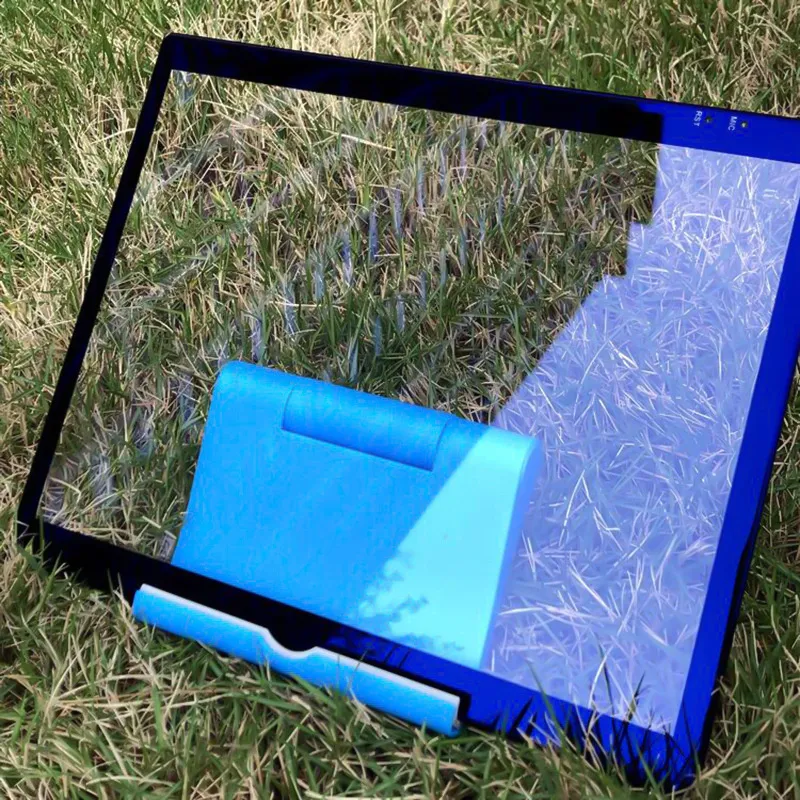
Economically, the Portuguese market is shifting from basic glazing to technical glass. The integration of ar glass in high-end retail and museum displays in Lisbon reflects a growing trend toward enhancing visual clarity and reducing glare for tourism-driven commercial spaces.
Evolution and Trajectory of Deep-Processed Glass

From traditional float processes to the era of smart technical glazing.

Market Development History

In the late 20th century, the Portuguese market relied heavily on standard clear float glass for residential needs. The focus was primarily on basic transparency and structural integrity without advanced thermal or security properties.

Between 2000 and 2015, the "Safety First" era emerged. The industry witnessed a rapid iteration toward tempering and lamination technologies, where tempered laminated glass became the gold standard for public infrastructure and balconies to meet strict EU safety regulations.

From 2016 to the present, the focus has shifted toward "Functional Aesthetics." The introduction of chemical etching and advanced sputtering coatings allowed for the proliferation of acid etched glass and low-emissivity solutions, blending privacy with thermal control.

Future Development Trends

Dynamic Solar Control

We predict a move toward switchable and photochromic coatings that adapt to Portugal's varying light intensity, reducing the reliance on mechanical shading.

Circular Economy Integration

The next 3-5 years will see a surge in "Closed-Loop" glass manufacturing, where post-consumer glass is re-processed into high-value technical products to meet EU Green Deal targets.

Smart-City Optical Integration

Increasing Google search trends for "Smart Glass Portugal" suggest an upcoming demand for glass that integrates transparent conductive oxides for building-integrated photovoltaics (BIPV).

Industry Trends and Future Outlook

Strategic forecasting for the non-metallic mineral products sector in Southern Europe.

Energy-Efficient Coatings
Optimization of reflective and low-E layers to combat the Mediterranean heat while maintaining natural luminosity.
Structural Safety Enhancement
Advancements in ion-exchange tempering and multi-layer lamination for seismic-resistant architectural glass.
Anti-Reflective Optics
Increased implementation of vacuum-deposited AR coatings for high-tech industrial interfaces and museum glazing.
Sustainable Processing
Adoption of lead-free polishing and low-carbon tempering furnaces to align with Portuguese environmental laws.

Industry Outlook

The future of technical glass in Portugal is inextricably linked to the "Green Building" movement. We expect the market to shift from selling glass as a commodity to selling it as a performance solution, where U-values and G-values are the primary purchase drivers.

Moreover, the integration of IoT sensors within laminated layers will likely evolve, turning glass facades into data-collecting skins that optimize building energy use in real-time, supported by the growing tech hubs in Lisbon and Porto.

Localized Application Scenarios in Portugal

Real-world implementations of technical glass across diverse Portuguese environments.

1. Luxury Coastal Villas in Algarve

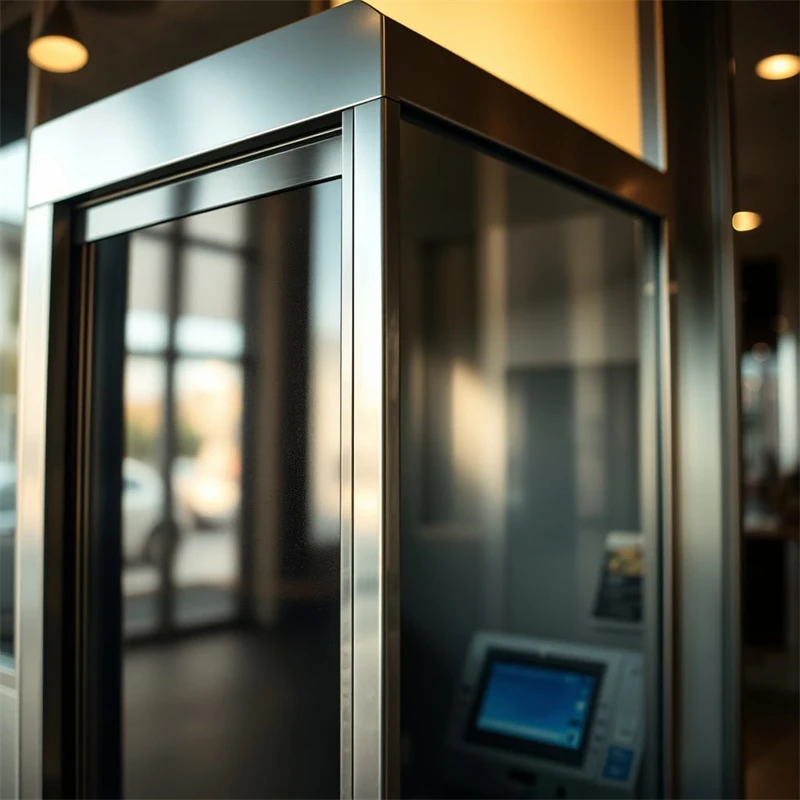
Implementation of high-performance reflective glass to mitigate extreme summer heat while providing panoramic views of the Atlantic Ocean without compromising interior temperatures.

2. Historic Center Renovations in Porto

Use of acid etched glass for interior partitions in renovated Ribeira buildings, offering a contemporary aesthetic that respects historical privacy needs.

3. Modern High-Rises in Lisbon Business District

Extensive use of tempered laminated glass for structural curtain walls and overhead canopies, ensuring maximum safety and compliance with urban seismic codes.

4. National Museum Displays and Galleries

Application of premium ar glass to eliminate reflections on priceless artifacts, ensuring an unobstructed viewing experience for international tourists.

5. Urban Greenhouse and Botanical Projects

Utilization of ultra-clear clear float glass to maximize PAR (Photosynthetically Active Radiation) for specialized plant cultivation in temperate Portuguese climates.

Brand Story

Global Development History of Shahe City Xiaote Glass Co., Ltd.

Foundational Excellence

Established as a specialized hub for deep-processing glass, we focused on solving the fragility and thermal instability of traditional float glass.

Technological Breakthroughs

Developed advanced tempering and lamination lines, reducing internal stress and increasing the impact resistance of safety glass for global exports.

Global Market Expansion

Expanded our footprint into the European market, tailoring our production to meet the rigorous CE and ISO standards required in Portugal and Spain.

Innovation in Optical Coatings

Invested in vacuum sputtering technology to provide world-class AR and reflective solutions for high-end commercial architecture.

Commitment to Sustainability

Our current mission is to lead the industry in eco-friendly glass processing, reducing the carbon footprint of every square meter of glass we ship.

Complete Technical Glass Portfolio for Portugal

A comprehensive range of deep-processed glass products designed for the European regulatory environment.

Common Technical Glass Inquiries in Portugal

Expert answers to frequently asked questions regarding glass specifications and applications.

How does reflective glass help in reducing energy costs in Portuguese summers?

Reflective glass uses a metallic coating to bounce back a significant portion of infrared radiation, preventing solar heat gain and reducing the load on air conditioning systems in hot regions like the Algarve.

What are the safety advantages of tempered laminated glass for balconies in Lisbon?

It combines the strength of tempered glass with the safety of a PVB interlayer. If the glass breaks, the fragments adhere to the interlayer, preventing collapse and protecting pedestrians below.

Is acid etched glass suitable for high-humidity bathrooms in coastal Porto?

Yes, acid etched glass is chemically altered to be matte and non-transparent. Unlike sandblasted glass, it is more resistant to moisture and grime, making it ideal for humid environments.

How does AR glass improve the visibility of museum exhibits?

Anti-Reflective (AR) glass uses destructive interference coatings to cancel out reflected light, allowing viewers to see the object inside the case without the distraction of their own reflection.

Can clear float glass be upgraded to technical glass for energy efficiency?

While clear float glass is the base material, it can be processed into double or triple glazing units with low-E coatings to significantly improve the thermal performance of a building.

What is the typical lead time for custom deep-processed glass shipments to Portugal?

Lead times vary based on the complexity of the processing (e.g., lamination vs. simple tempering), but typically range from 3 to 6 weeks including logistics to Portuguese ports.

Request a Technical Consultation

Our engineers are ready to help you specify the perfect glass solution for your project in Portugal.

Contact Us Now

If you are interested in our products, you can choose to leave your information here, and we will be in touch with you shortly.