
Advanced Glass Solutions for Libya: High-Performance reflective glass

Engineering durable, energy-efficient, and architecturally superior glass products tailored for the extreme climatic demands of the Libyan landscape.

Advanced Glass Solutions for Libya: High-Performance reflective glass

Providing a comprehensive range of deep-processed glass materials designed to withstand intense UV radiation and thermal fluctuations in North Africa.

Current State of Glass Manufacturing in Libya

Analyzing the intersection of architectural needs and environmental challenges in the Libyan market.

Libya's construction sector currently faces a dual challenge: extreme desert heat and high salinity in coastal regions. The demand for clear float glass remains steady for basic residential needs, but there is a critical shift toward high-spec technical glass to reduce energy costs associated with air conditioning.

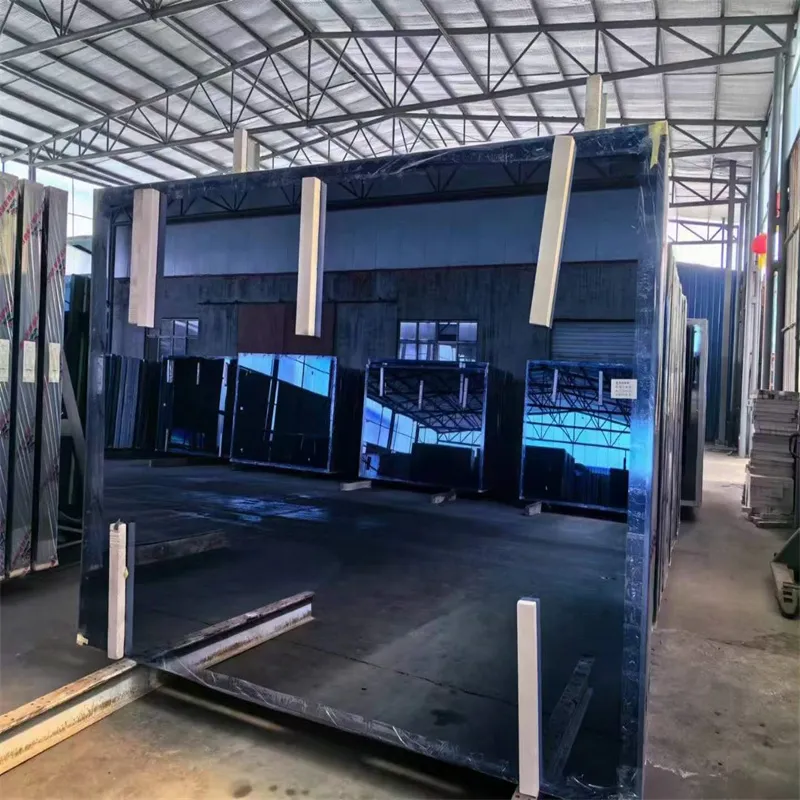
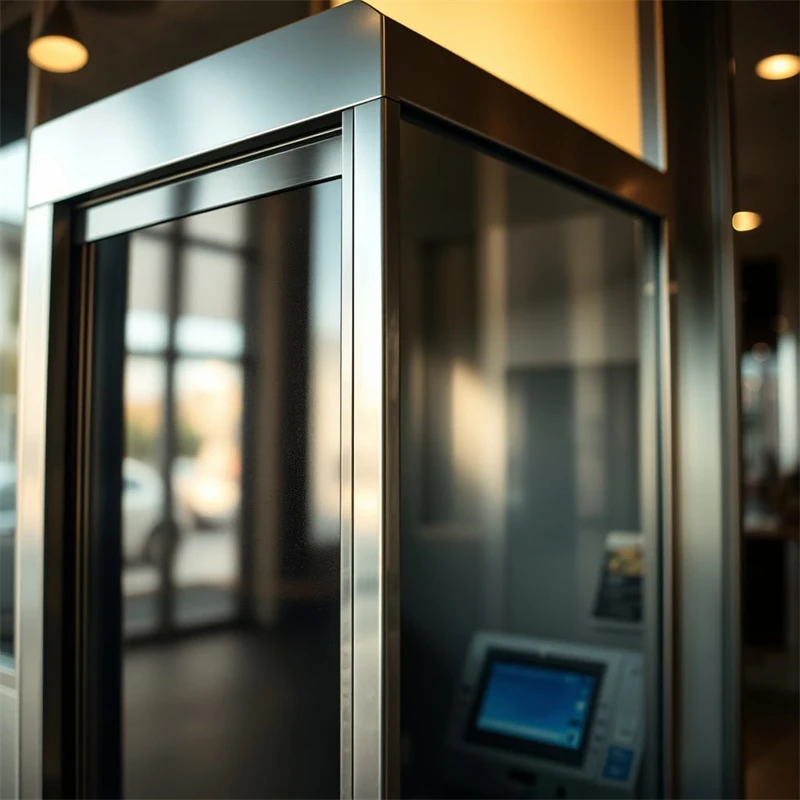
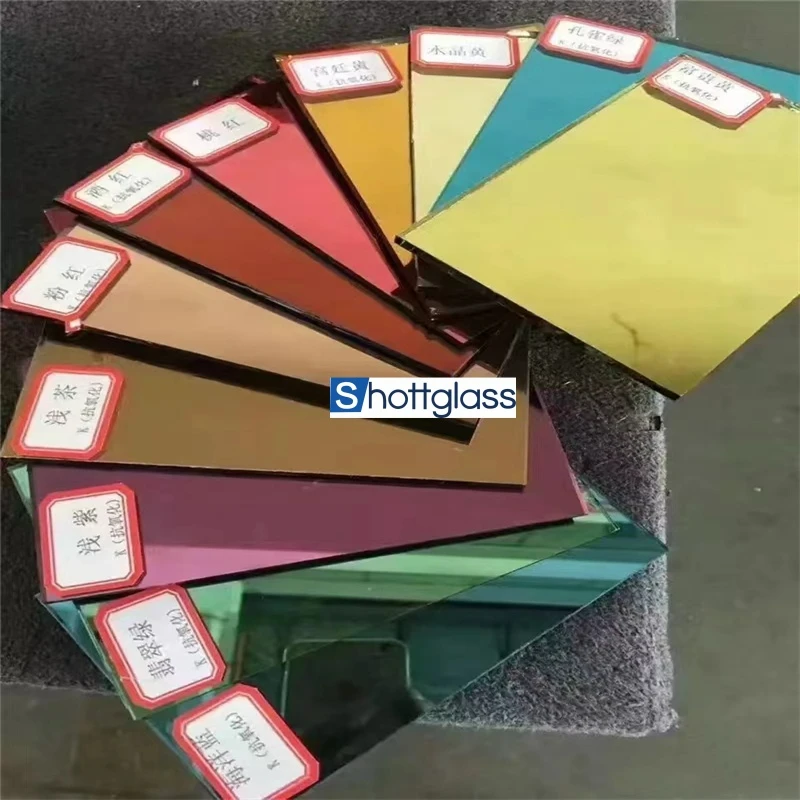
In urban centers like Tripoli and Benghazi, the adoption of reflective glass has become a necessity rather than a luxury. The ability to reflect a significant portion of solar heat gain is essential for maintaining indoor thermal comfort without overloading the electrical grid.

Furthermore, safety regulations are evolving, leading to increased procurement of tempered laminated glass. This is particularly evident in new commercial developments and government infrastructure where structural integrity and impact resistance are paramount.
Evolution of Glass Technology in North Africa

From traditional glazing to smart, energy-saving deep-processed solutions.

Market Development History

In the late 20th century, the Libyan market relied heavily on standard single-pane float glass, which offered minimal thermal insulation and high vulnerability to thermal stress fractures during extreme temperature swings.

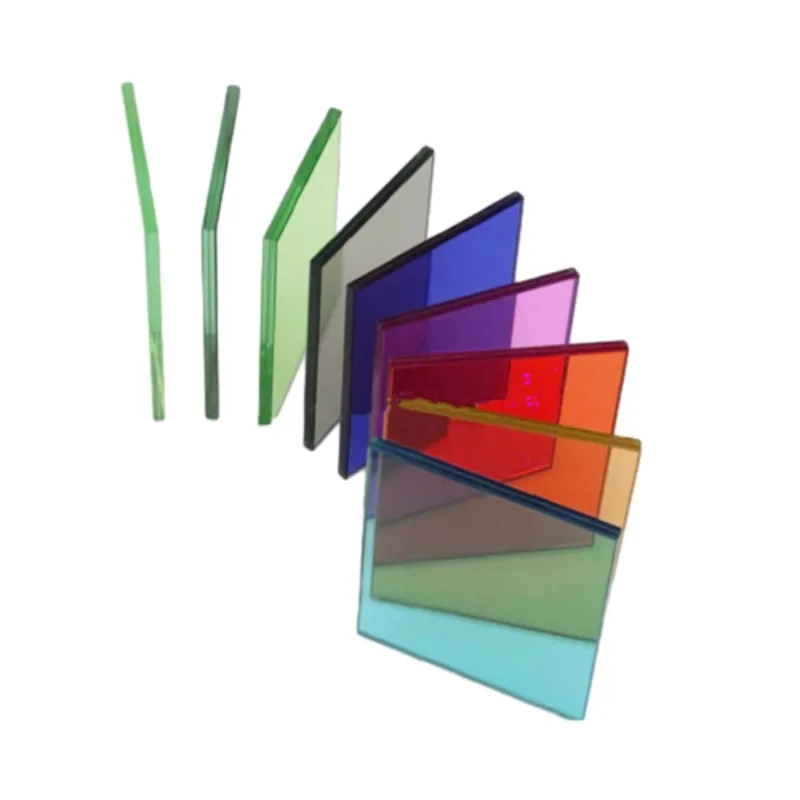
By the 2010s, the transition toward "Deep Processing" began. The introduction of tempering and laminating technologies allowed for the deployment of tempered laminated glass, significantly enhancing the safety of public buildings and high-rise facades.

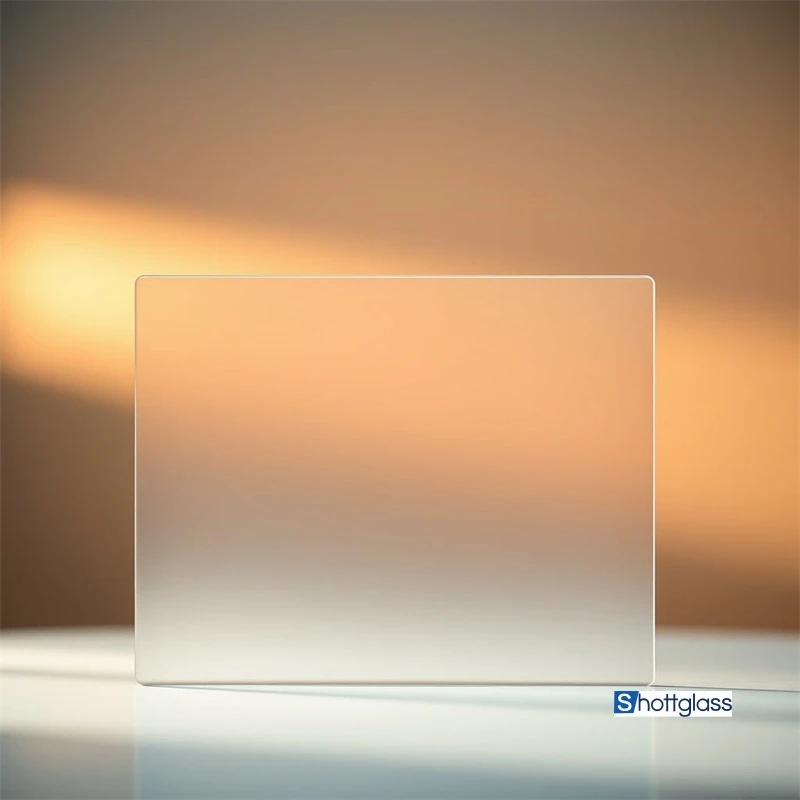
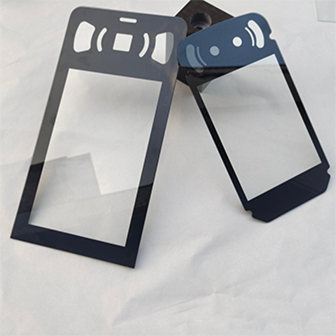
Recently, the focus has pivoted toward aesthetic and functional versatility. The integration of acid etched glass for interior privacy and high-end decorative projects has marked the maturity of the local architectural glass market.

Future Development Trends

Transition to Low-E and AR Coatings

The next phase involves the mass adoption of ar glass to maximize natural light transmission while eliminating glare and reducing heat absorption.

Sustainability and Circularity

Following global trends, Libya is expected to integrate more recycled cullet into the production of float glass to lower the carbon footprint of the building industry.

Smart Glass Integration

The integration of electrochromic technologies will allow buildings in Libya to dynamically adjust their transparency based on the intensity of the Sahara sun.

Industry Trends and Future Outlook

Strategic forecasting for technical glass applications in Libya.

Thermal Efficiency Focus
Prioritizing high solar heat gain coefficients to combat the Libyan heatwave.
Advanced Safety Standards
Increasing demand for laminated safety glass in coastal infrastructure.
Aesthetic Diversification
Growth in frosted and etched finishes for interior corporate partitioning.
Anti-Reflective Innovation
Deploying AR glass in solar energy installations across the Sahara.

Industry Outlook

The Libyan glass market is moving toward a more specialized "Deep Processing" model. The reliance on raw imports is shifting toward importing semi-finished products that can be further customized for the local environment, especially focusing on UV filtration.

With the projected increase in infrastructure investment, we foresee a 15% annual growth in the demand for high-performance technical glass that blends durability with environmental sustainability.

Localized Glass Applications in Libya

Practical implementations of deep-processed glass in North African contexts.

1. High-Rise Facades in Tripoli

Utilizing reflective glass to minimize solar heat gain in corporate towers, reducing HVAC energy consumption by up to 30%.

2. Coastal Residential Safety

Implementation of tempered laminated glass in seaside villas to resist wind-borne debris and provide high-impact safety.

3. Modern Interior Office Design

Using acid etched glass for boardroom partitions, balancing the need for privacy with the desire for open-plan natural lighting.

4. Solar Farm Infrastructure

Application of ar glass in solar panels and control room windows to increase light penetration and reduce reflection losses.

5. Standard Commercial Glazing

High-quality clear float glass for retail storefronts where maximum visibility and clarity are required for product display.

Brand Story

Global Development Journey of Shahe City Xiaote Glass Co., Ltd.

Foundational Excellence

Established with a focus on precision, we began by mastering the core chemistry of float glass to ensure unmatched purity and strength.

Technological Pivot

We invested heavily in tempering and laminating lines, evolving from a raw material supplier to a deep-processing leader.

Global Reach

Expanding our footprint into Africa, specifically Libya, by adapting our products to withstand extreme desert heat and salinity.

Innovation Milestone

Introduction of advanced AR and reflective coatings to solve the critical pain point of energy inefficiency in hot climates.

Sustainable Future

Committing to green manufacturing processes to ensure that the beauty of glass does not come at the expense of the environment.

Comprehensive Glass Portfolio for the Libyan Market

Engineered solutions for durability, safety, and energy efficiency.

Common Questions in the Libyan Glass Industry

Expert answers to technical and procurement queries.

How does reflective glass perform in the Libyan summer?

Our reflective glass is specifically engineered to bounce back a high percentage of solar infrared radiation, significantly reducing the internal temperature of buildings in Libya's hottest regions.

Is tempered laminated glass necessary for coastal buildings?

Yes, for coastal areas, the combination of tempering for strength and lamination for safety prevents shards from scattering and provides resistance against high wind pressures.

What are the benefits of AR glass for solar projects?

Anti-reflective (AR) glass increases the amount of light that reaches the photovoltaic cells, thereby increasing the energy yield of solar installations across the Libyan desert.

Can acid etched glass be used for exterior applications?

While primarily used for interiors, acid etched glass can be used externally if properly sealed or integrated into a double-glazing unit to prevent surface degradation.

How to choose between clear float glass and technical glass?

Clear float glass is ideal for low-stress interior partitions; however, for any exterior facade in Libya, technical glass (reflective or tempered) is recommended for safety and thermal control.

What is the typical lead time for custom laminated glass to Libya?

Lead times vary based on order volume, but our streamlined logistics ensure that custom deep-processed glass reaches Libyan ports with maximum efficiency and safety.

Consult Our Technical Experts

Get a tailored glass specification for your next project in Libya. Our engineers are ready to help you optimize for energy and safety.

Contact Us Now

If you are interested in our products, you can choose to leave your information here, and we will be in touch with you shortly.