
Advanced Glass Solutions for Japan: Premium ar glass Integration

Providing high-performance technical glass engineering tailored for Japan's rigorous architectural and industrial standards.

Advanced Glass Solutions for Japan: Premium ar glass Integration

Our specialized manufacturing process ensures that every sheet of clear float glass and high-tech composite meets the precise tolerances required by the Japanese market.

The Current State of Glass Manufacturing in Japan

Analyzing the intersection of seismic safety requirements and high-aesthetic urban design.

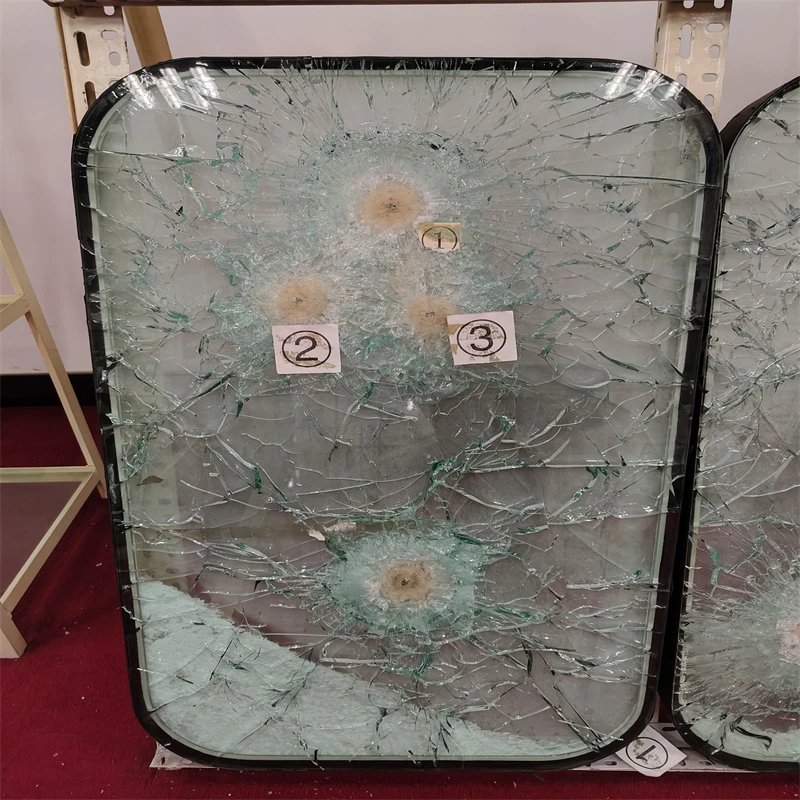
Japan's glass industry is currently defined by an uncompromising demand for safety and energy efficiency. Due to the high frequency of seismic activity, the adoption of tempered laminated glass has become a mandatory standard for urban skyscrapers in Tokyo and Osaka to prevent shattering during earthquakes.

Furthermore, the humid subtropical climate of Japan necessitates the use of advanced coatings. There is a significant shift toward reflective glass to reduce solar heat gain in dense metropolitan areas, effectively lowering the cooling loads for commercial buildings during the intense summer months.

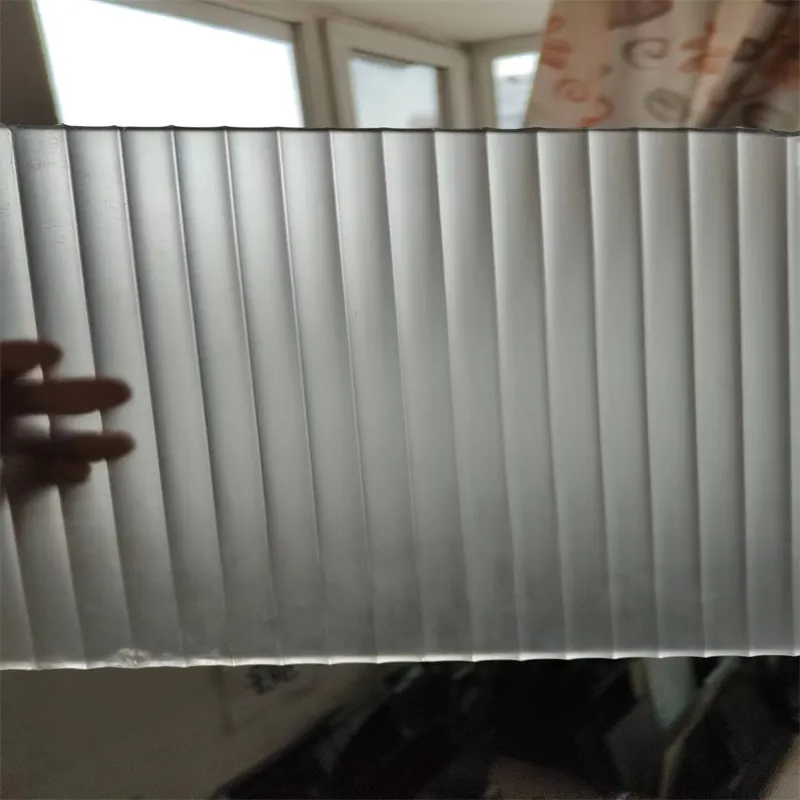
The market also exhibits a strong preference for "Minimalism" and "Zen" aesthetics. This has led to an increased demand for acid etched glass, which provides the soft, matte translucency required for high-end interior partitions and luxury hospitality projects across Kyoto and beyond.
Evolution and Technical Trajectory of Deep Processing Glass

From basic transparency to intelligent optical performance.

Market Development History

In the late 20th century, the Japanese market relied heavily on standard clear float glass for basic construction. The focus was primarily on structural integrity and basic weatherproofing during the rapid post-war urban expansion.

Between 2000 and 2015, the industry transitioned toward "Performance Glass." This era saw the rise of vacuum-coated reflective surfaces and the refinement of chemical tempering, focusing on energy conservation (ZEB - Zero Energy Building) initiatives driven by government mandates.

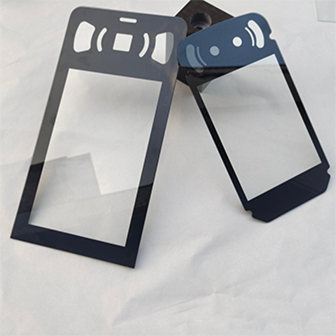
From 2016 to the present, the trajectory has shifted toward "Functional Intelligence." The integration of anti-reflective (AR) technologies and high-precision acid etching has transformed glass from a passive barrier into an active component of electronic displays and high-end architecture.

Future Development Trends

Ultra-High Transparency Integration

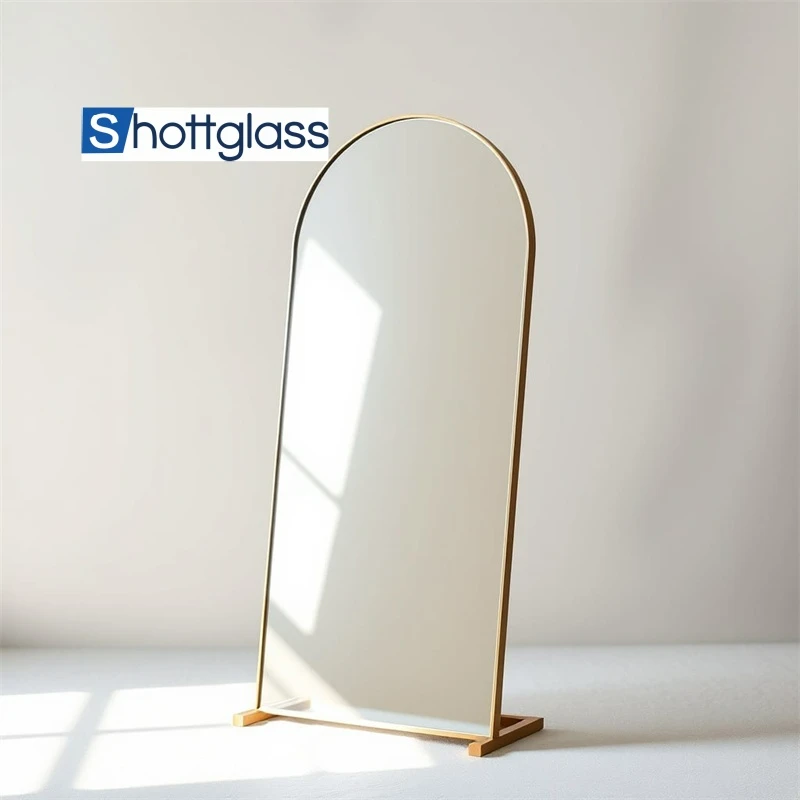
The push for invisible boundaries will lead to the widespread adoption of next-gen AR coatings that eliminate ghosting and glare in smart-city infrastructure.

Sustainability and Recyclability

Future manufacturing will focus on low-carbon smelting and the use of bio-based interlayers in laminated safety glass to meet Japan's 2050 carbon neutrality goal.

Smart-Switchable Surfaces

The convergence of electrochromic technology with deep processing will allow glass to change opacity instantly, merging the utility of etched glass with clear visibility.

Future Trends and Strategic Outlook

Anticipating the next wave of technical glass innovation in the Asia-Pacific region.

AI-Driven Precision Cutting
Implementing machine learning to optimize yield and reduce waste in high-value glass processing.
Advanced Thermal Insulation
Developing multi-layer coatings that combine AR properties with extreme thermal resistance for Japan's varied climates.
Seismic-Resistant Lamination
Next-generation ionoplast interlayers that provide superior structural bonding and impact resistance.
Optical Nanocoatings
Applying nanoscale layers to enhance clarity and durability in automotive and medical glass applications.

Industry Outlook

Based on Google search trends in the Asia-Pacific region, there is a surging interest in "Eco-friendly building materials" and "Smart Glass." This indicates that the next 3-5 years will be dominated by the convergence of sustainability and digitalization.

Manufacturers who can integrate high-precision technical properties—such as those found in specialized AR and reflective coatings—with sustainable production methods will capture the majority of the premium market in Japan.

Localized Application Scenarios in Japan

Real-world implementations of technical glass in Japanese architecture and industry.

01. Tokyo Commercial Skyscrapers

Utilization of reflective glass and high-strength laminates to mitigate urban heat island effects while ensuring structural safety against wind loads and tremors.

02. Kyoto Luxury Ryokans

Implementation of acid etched glass for sliding shoji-style partitions, blending traditional Japanese aesthetics with modern privacy and durability.

03. Osaka Tech Hubs & Laboratories

Installation of high-purity ar glass for clean-room observation windows and precision instrument casings to eliminate reflections.

04. Shinkansen Station Infrastructure

Application of tempered laminated glass for high-traffic passenger barriers, providing maximum safety and impact resistance.

05. Modern Residential Prefabs

Using optimized clear float glass with low-E coatings for energy-efficient residential windows in Hokkaido's cold climates.

Brand Story

Global Development Journey of Shahe City Xiaote Glass Co., Ltd.

Industrial Foundation

Started with a mission to solve the fragility and inconsistency of standard float glass, focusing on early precision tempering techniques.

Technical Breakthrough

Developed proprietary acid-etching and laminating processes to meet international safety and aesthetic standards for the global market.

Asia-Pacific Expansion

Established strategic supply chains to serve the Japanese market, focusing on seismic-grade safety glass and high-end architectural coatings.

Innovation Leadership

Integrated AR and intelligent glass solutions, reducing reflection and improving optical clarity for industrial and medical applications.

Global Sustainability

Currently leading the transition toward carbon-neutral glass manufacturing, combining technical excellence with environmental responsibility.

Complete Glass Portfolio for the Japanese Market

A comprehensive range of deep-processed glass engineered for reliability, safety, and elegance.

Technical FAQ for Japan Glass Solutions

Expert answers to common technical queries regarding deep-processed glass.

How does tempered laminated glass handle seismic stress in Japan?

It combines the strength of tempering with the adhesion of a polymer interlayer, ensuring that if the glass breaks, fragments remain adhered to the film, maintaining structural integrity and preventing injury.

What are the advantages of AR glass over standard clear float glass?

AR glass utilizes anti-reflective coatings to reduce light bounce, significantly increasing light transmission and visual clarity compared to the basic surface of clear float glass.

Is acid etched glass suitable for high-humidity areas in Japan?

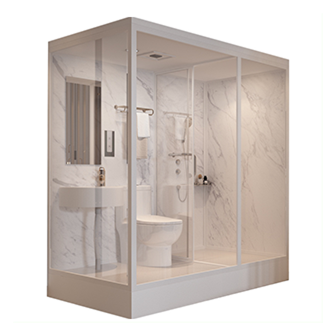
Yes, the chemical etching process creates a permanent matte finish that is highly resistant to humidity and moisture, making it ideal for bathrooms and spa environments.

Can reflective glass help in reducing air conditioning costs?

Absolutely. By reflecting a large portion of infrared radiation, it prevents heat from entering the building, which significantly lowers the energy required for cooling.

What is the lifespan of deep-processed technical glass in urban areas?

With proper maintenance, our technical glass products are designed to last 20-30 years, retaining their optical properties and structural strength.

Do you provide customized thickness for tempered laminated glass projects?

Yes, we offer fully customizable thickness and interlayer configurations to meet specific load-bearing and safety requirements for any architectural project.

Ready to Elevate Your Project?

Our technical engineers are ready to provide customized glass solutions across Japan. Contact us for precision engineering today.

Contact Us Now

If you are interested in our products, you can choose to leave your information here, and we will be in touch with you shortly.