
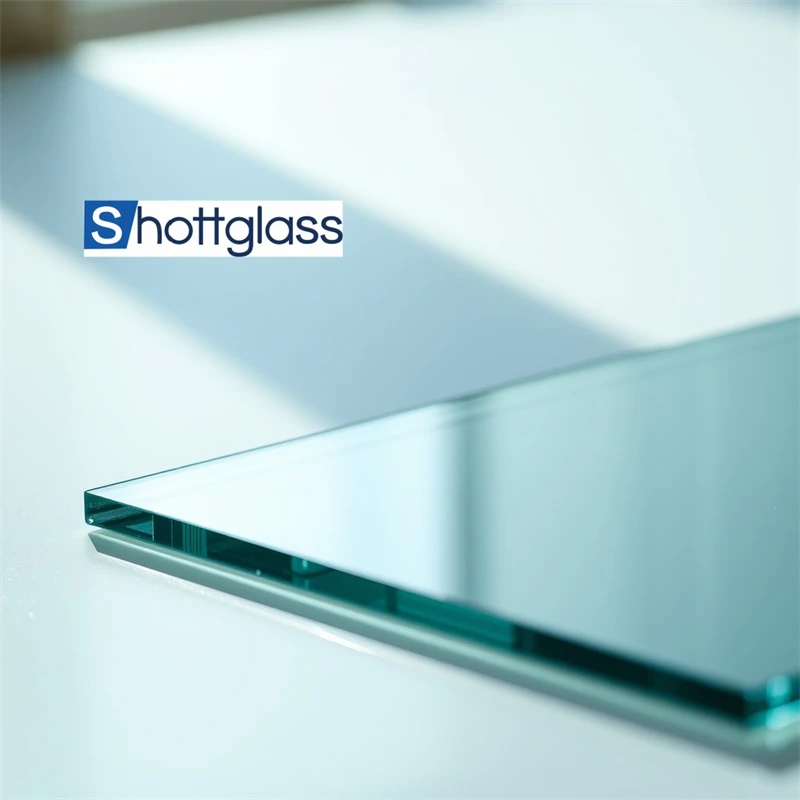
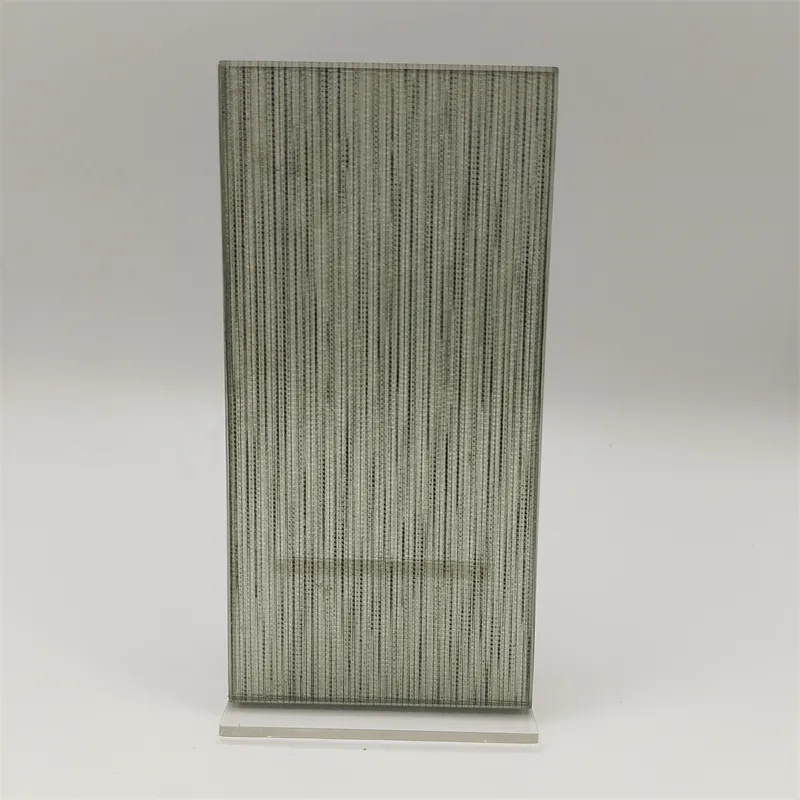
Advanced Glass Solutions for Ecuador: Specialized reflective glass Systems

Elevating architectural aesthetics and energy efficiency across the Andean region with high-performance deep-processed glass technology.

Advanced Glass Solutions for Ecuador: Specialized reflective glass Systems

Integrating cutting-edge manufacturing techniques to provide Ecuador's construction and industrial sectors with durable, energy-efficient, and aesthetically superior glass products.

The State of Technical Glass Processing in Ecuador

Analyzing the intersection of equatorial climate challenges and modern glass requirements.

Ecuador's unique geography, ranging from the humid coast to the high-altitude Andes, creates a diverse set of demands for clear float glass. The intense solar radiation at high altitudes necessitates glass that can manage thermal gain without sacrificing natural light.

Currently, the local market is shifting from basic glazing to high-performance solutions. There is a growing demand for tempered laminated glass to meet stricter safety regulations in urban centers like Quito and Guayaquil, especially in seismic-prone zones.

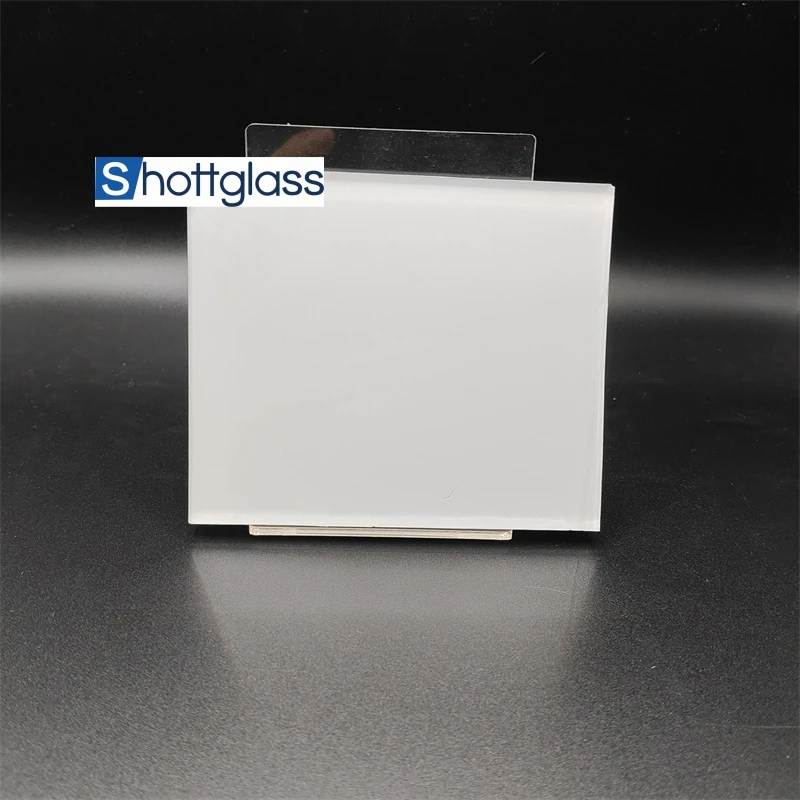
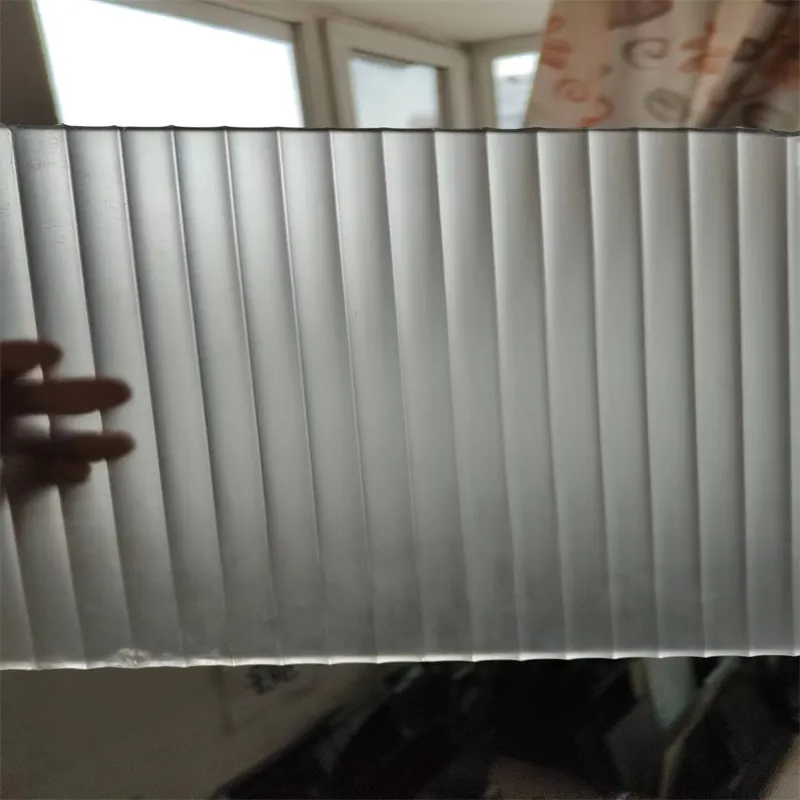
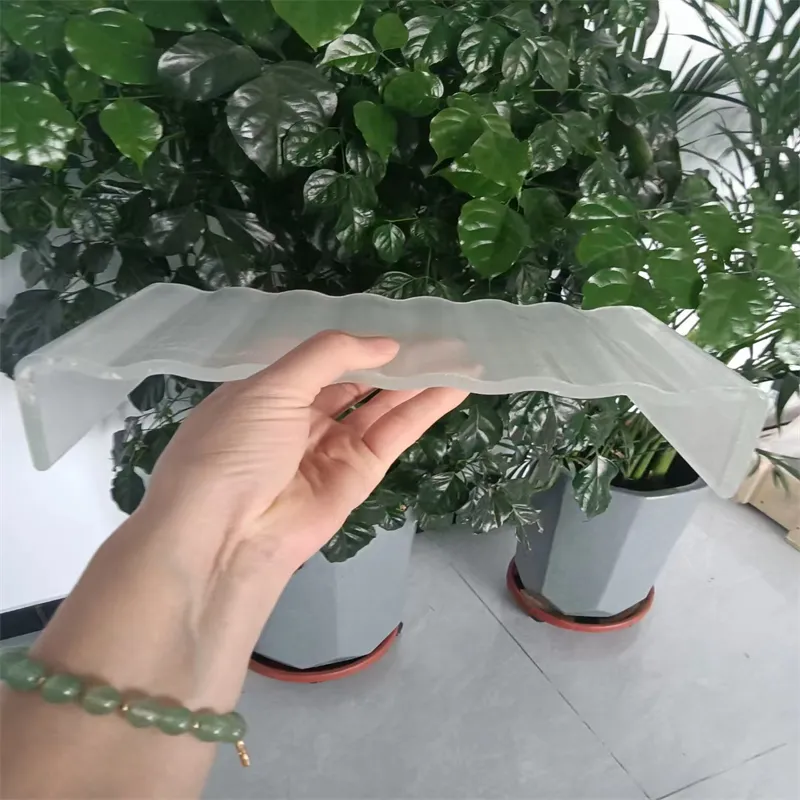
Moreover, the luxury hospitality sector in the Galapagos and coastal resorts is increasingly adopting acid etched glass for privacy and interior design, reflecting a move toward sophisticated, value-added processed glass over standard imports.
Evolution of Glass Engineering in the Ecuadorian Market

From traditional silica processing to high-tech optical coatings.

Market Development History

In the early 2000s, the Ecuadorian market relied heavily on basic clear float glass, primarily used for residential windows and simple storefronts with little regard for thermal performance.

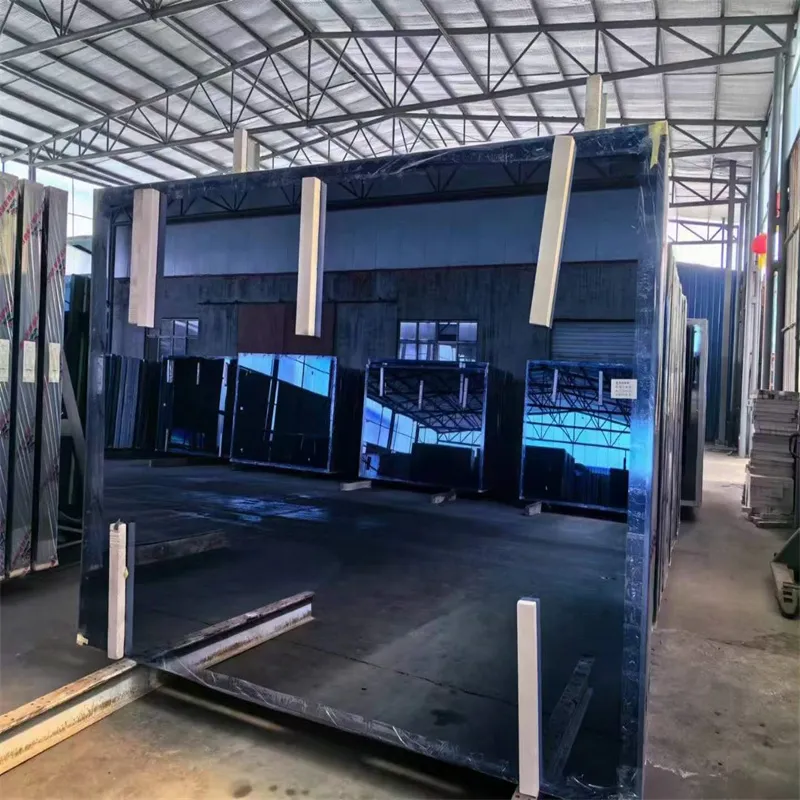
Between 2010 and 2020, the transition toward "Green Building" standards introduced solar-control technologies. This era saw the rise of reflective glass to combat the equatorial heat, reducing reliance on HVAC systems in commercial skyscrapers.

Since 2021, the focus has shifted toward specialized technical glass. The adoption of ar glass (Anti-Reflective) has begun to emerge in high-end retail and museum installations to enhance visual clarity and eliminate glare.

Future Development Trends

Smart Thermal Integration

Integration of dynamic coatings that adapt to the shifting light conditions of the equator to maintain internal temperature stability.

Enhanced Structural Safety

A move toward thicker, multi-layered safety glass architectures to withstand both seismic activity and extreme weather events.

Eco-Friendly Etching Processes

Transitioning toward sustainable chemical processes for producing frosted effects to align with Ecuador's environmental conservation goals.

Industry Trends and Future Outlook for Deep-Processed Glass

Strategic projections for the next 3-5 years based on global search trends and local infrastructure growth.

Solar Gain Optimization
Increasing search volume for high-reflectivity coatings to lower energy costs in tropical urban zones.
Anti-Glare Innovation
Rising demand for ar glass in the electronics and luxury retail sectors for superior clarity.
Seismic Safety Glass
Shift toward high-impact tempered laminates to ensure structural integrity in Andean fault zones.
Sustainable Processing
Integration of low-carbon manufacturing processes to meet new Ecuadorian environmental standards.

Industry Outlook

The Ecuadorian market is expected to see a surge in "intelligent glazing," where glass is no longer a passive barrier but an active component of building energy management. This will be driven by the increasing cost of electricity and the government's push for sustainable urban development.

Technological convergence will likely lead to the adoption of hybrid glass products—combining the properties of reflective glass with acoustic insulation—catering to the noisy urban environments of Guayaquil.

Localized Application Scenarios in Ecuador

Practical implementations of technical glass across various Ecuadorian environments.

1. High-Altitude Corporate Towers in Quito

Utilizing high-performance reflective glass to manage extreme UV exposure and minimize heat gain while providing panoramic views of the Andean skyline.

2. Coastal Luxury Hotels in Manta

Implementation of tempered laminated glass for balconies and wind-shields to withstand saline corrosion and high wind loads from the Pacific.

3. Contemporary Art Galleries in Cuenca

Application of ar glass for exhibition showcases, ensuring that artworks are visible without disturbing reflections from interior lighting.

4. Boutique Wellness Spas in Baños

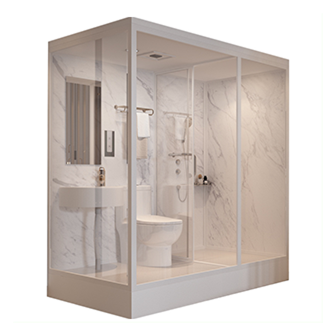
Using acid etched glass for shower partitions and sauna walls to provide a frosted, private atmosphere that complements natural stone interiors.

5. Industrial Warehousing in Guayaquil

Installation of heavy-duty clear float glass for large-scale skylights to maximize natural illumination in logistical hubs.

Brand Story

Global Development History of Shahe City Xiaote Glass Co., Ltd.

Founding and Technical Roots

Established with a focus on precision, we began by mastering the fundamentals of float glass processing to serve the local industrial boom.

Diversification of Processing

We expanded our capabilities into tempering and laminating, solving the critical safety pain points for high-traffic public infrastructure.

Innovation in Coatings

By investing in R&D, we introduced advanced reflective and anti-reflective coatings, allowing us to compete in the global high-tech glass market.

Global Market Expansion

We successfully exported our technical expertise to South America, tailoring our product lines to meet the specific climatic needs of regions like Ecuador.

Commitment to Sustainability

Today, our mission is to lead the transition toward carbon-neutral glass manufacturing, ensuring architectural beauty does not come at the cost of the planet.

Comprehensive Glass Portfolio for the Ecuadorian Market

A curated selection of deep-processed glass designed for durability and performance.

Common Questions Regarding Technical Glass in Ecuador

Expert answers to the most frequent technical and logistical queries from our local partners.

How does reflective glass improve energy efficiency in Guayaquil's climate?

Reflective glass reduces the amount of solar heat entering a building by reflecting a significant portion of the infrared spectrum, thereby lowering cooling costs in hot, humid coastal cities.

Is tempered laminated glass recommended for seismic zones in the Andes?

Yes, it is highly recommended. The combination of tempering for strength and lamination for fragment retention ensures that the glass remains intact during structural shifts, preventing dangerous shards.

What are the main advantages of using ar glass for museum displays?

Anti-reflective (AR) glass minimizes surface reflections and increases light transmission, allowing visitors to see artifacts clearly without the distraction of mirrored images from the room.

How is acid etched glass different from sandblasted glass for interior design?

Acid etching provides a more uniform, satin-like finish and is generally more resistant to fingerprints and smudges compared to the coarser texture of sandblasting.

Can clear float glass be upgraded to technical glass after installation?

Most technical processes like tempering and lamination must occur during manufacturing. However, certain coatings or etching treatments can be applied, though factory-processed glass is always superior in quality.

What is the typical lead time for importing specialized processed glass to Ecuador?

Depending on the complexity of the processing (e.g., custom AR coatings), lead times typically range from 4 to 8 weeks, including maritime shipping and customs clearance.

Request Your Technical Consultation

Our engineers are ready to help you select the perfect glass specifications for your project in Ecuador.

Contact Us Now

If you are interested in our products, you can choose to leave your information here, and we will be in touch with you shortly.