
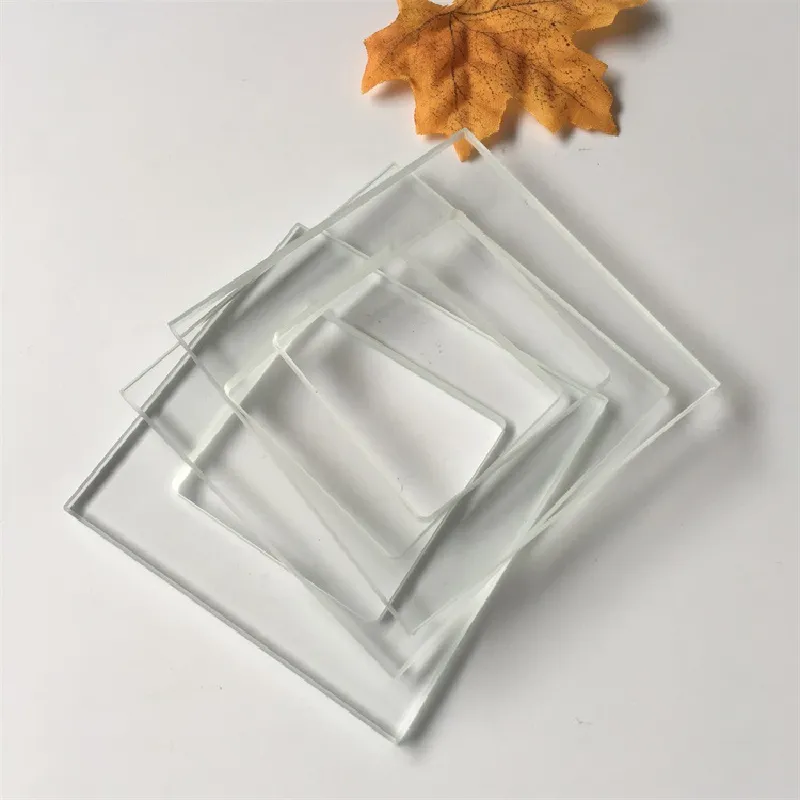
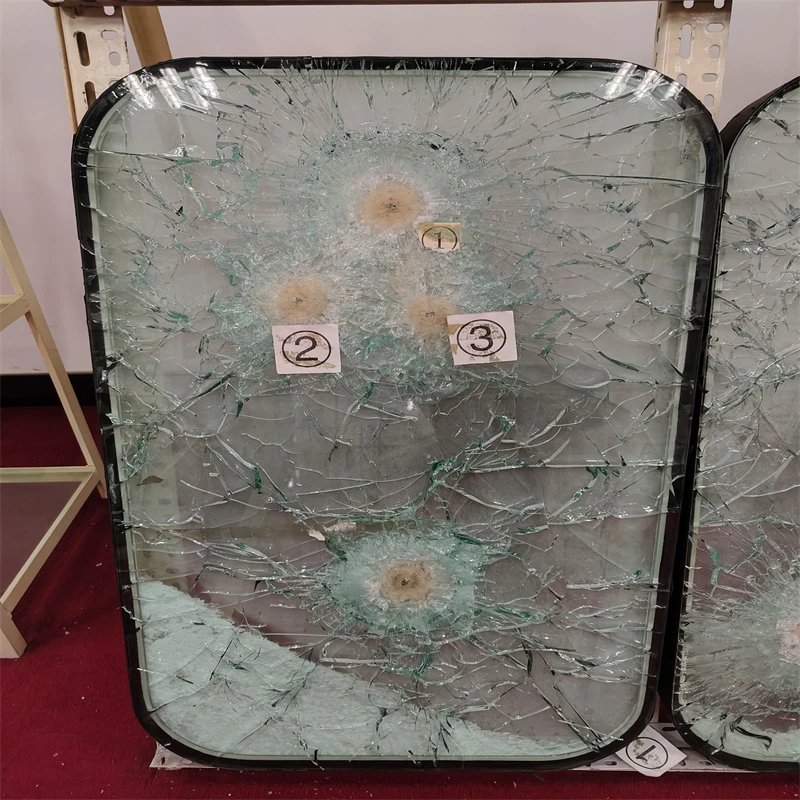
Advanced Architectural Solutions with Tempered Laminated Glass in Austria

Precision-engineered deep processing glass solutions tailored for Austria's stringent building codes and alpine architectural aesthetics.

Advanced Architectural Solutions with Tempered Laminated Glass in Austria

Integrating high-performance glass technology to meet the durability and energy efficiency standards of the Austrian construction market.

The State of Technical Glass Processing in Austria

Balancing alpine climate resilience with European sustainable energy directives.

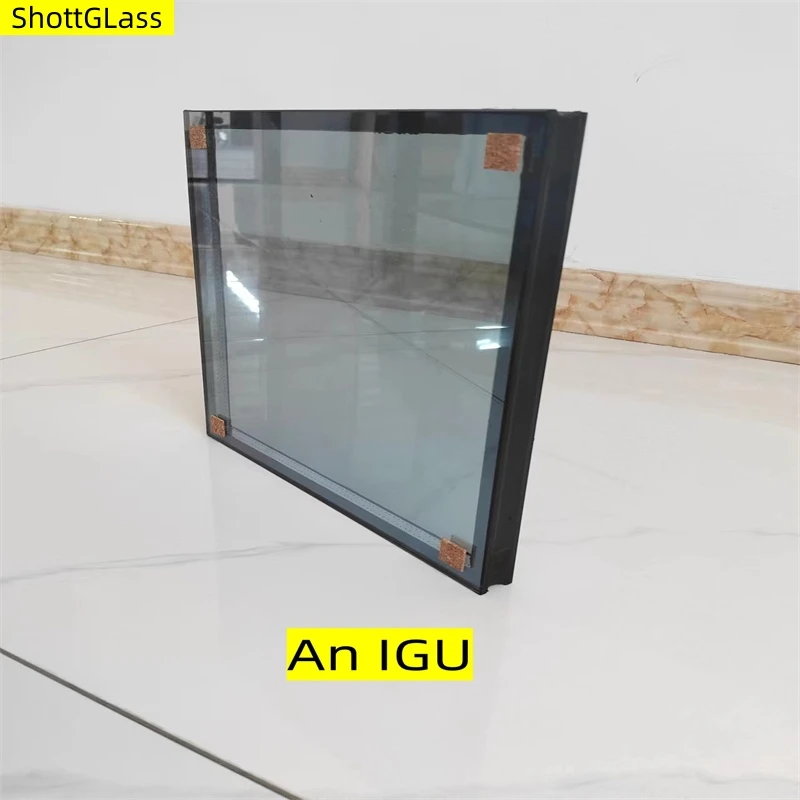
Austria's glass industry is currently characterized by a rigorous demand for thermal insulation and structural integrity. Due to the extreme temperature fluctuations in the Alps, there is a significant shift toward tempered laminated glass to ensure safety and energy retention in residential and commercial facades.

In urban hubs like Vienna, the architectural trend favors transparency and minimalism, driving the adoption of clear float glass as a base for advanced coatings. The market is increasingly moving away from standard glazing toward high-value-added processed glass that supports LEED and DGNB certifications.

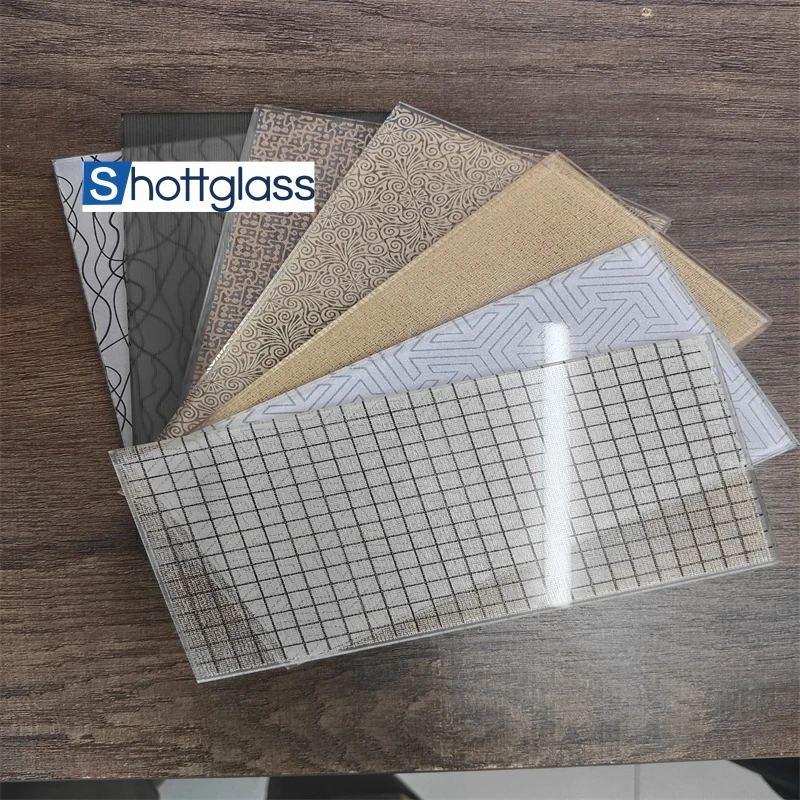
Furthermore, the Austrian market shows a growing preference for aesthetic versatility. The use of acid etched glass has surged in interior design for high-end hospitality projects, providing the necessary privacy without sacrificing natural light diffusion in mountainous landscapes.

Evolution and Technical Trajectory of Glass Fabrication

From traditional silicate processing to smart-coated technical glass.

Market Development History

Historically, the Austrian glass sector relied on basic clear float glass for window production. Throughout the late 20th century, the focus was primarily on thickness and basic tempering to withstand wind loads in alpine regions.

By the early 2010s, a technical pivot occurred with the integration of solar control. The introduction of reflective glass allowed architects to manage heat gain during summer months, reducing reliance on air conditioning in central European cities.

In the last five years, the industry has entered the era of "Precision Processing." The convergence of chemical etching and vacuum deposition has made ar glass (Anti-Reflective) essential for museum displays and high-tech industrial interfaces across Austria.

Future Development Trends

Vacuum-Insulated Glazing (VIG)

Expect a transition toward thinner, vacuum-sealed units that provide R-values comparable to solid walls, critical for Austria's "Green Deal" housing targets.

Dynamic Electrochromic Integration

The integration of smart switches into laminated layers to allow instant opacity control, merging the functionality of acid etched glass with digital control.

Circular Economy Recycling

A shift toward 100% recyclable interlayer materials in laminated glass to comply with tightening EU waste management regulations by 2030.

Industry Trends and Future Outlook

Navigating the intersection of sustainability and technical performance.

Ultra-Low Emissivity (Low-E)
Enhanced coatings on float glass to minimize infrared radiation transfer, essential for Austrian winters.
Anti-Reflective Precision
Growth in ar glass for high-end optics and digital signage in smart city projects.
Structural Lamination
Increasing use of multi-layer tempered systems for overhead glazing in public transport hubs.
Solar Reflective Tech
Next-gen reflective glass utilizing nano-silver layers for higher light transmission.

Industry Outlook

Google search trends indicate a rising interest in "Passive House Glass" and "Carbon Neutral Glazing" within the DACH region. This suggests that the Austrian market will prioritize glass that not only provides structural safety but actively contributes to the energy balance of the building.

We anticipate a synergy between technical glass and IoT, where processed glass surfaces act as sensors or energy collectors, transforming the facade from a passive barrier into an active energy asset.

Localized Application Scenarios in Austria

Real-world implementations of deep-processed glass across diverse Austrian environments.

1. Alpine Resort Facades

Implementation of tempered laminated glass in high-altitude luxury chalets to withstand extreme wind pressure and prevent shattering from snow accumulation.

2. Vienna Museum Galleries

Utilization of ar glass for protective displays, eliminating glare from indoor lighting and providing an unobstructed view of historical artifacts.

3. Corporate HQ Office Partitions

Application of acid etched glass in modern office complexes in Graz to create a balance between open-plan transparency and acoustic privacy.

4. Solar-Passive Residential Homes

Installation of high-performance reflective glass on south-facing walls to minimize summer overheating while maximizing winter solar gain.

5. Urban Commercial Storefronts

Deployment of high-clarity clear float glass with security coatings for luxury retail boutiques in the Kärntner Straße district.

Brand Story

Global Development Journey of Shahe City Xiaote Glass Co., Ltd.

Foundation and Local Mastery

Started as a focused manufacturer, we mastered the art of float glass processing, establishing a reputation for precision and quality in the domestic market.

Technological Diversification

Expanded into deep processing, integrating tempering and lamination lines to solve the industry pain point of fragmented supply chains.

European Market Entry

Adapted our production standards to meet EU CE certifications, enabling us to enter the demanding Austrian and German architectural markets.

Innovation in Specialty Glass

Developed advanced AR and acid-etched solutions to meet the specific aesthetic and technical demands of global luxury projects.

Sustainable Future Vision

Currently investing in carbon-neutral glass production to ensure our global clients achieve their environmental targets through our materials.

Complete Product Portfolio for the Austrian Market

A comprehensive range of technical glass solutions engineered for alpine and urban environments.

Frequently Asked Questions in Austria

Expert answers regarding technical glass applications and compliance.

How does tempered laminated glass perform in alpine freeze-thaw cycles?

Our laminated systems use high-grade PVB or SGP interlayers that maintain flexibility and adhesion even in extreme cold, preventing delamination during the rapid temperature swings common in Austria.

Is AR glass suitable for high-humidity environments in museum basements?

Yes, our Anti-Reflective glass is processed with a durable outer layer that resists moisture penetration, ensuring the optical clarity remains intact without clouding.

Can acid etched glass be cleaned using standard Austrian industrial detergents?

Acid etched glass should be cleaned with pH-neutral cleaners. Avoid highly abrasive chemicals to maintain the uniform matte finish of the surface.

What are the energy-saving benefits of using reflective glass in Vienna offices?

Reflective coatings significantly reduce the Solar Heat Gain Coefficient (SHGC), lowering cooling costs by up to 30% during summer peaks in urban heat islands.

Does clear float glass meet the basic safety standards for Austrian residential balconies?

Standard float glass is not sufficient; it must be further processed into tempered or laminated glass to meet Austrian safety regulations for load-bearing balcony applications.

What is the lead time for custom-sized technical glass shipments to Austria?

Depending on the complexity of the processing (e.g., combined tempering and AR coating), lead times typically range from 3 to 6 weeks including logistics.

Consult Our Technical Experts

Ready to elevate your architectural project with precision glass engineering in Austria. Contact us for custom specifications and compliance guidance.

Contact Us Now

If you are interested in our products, you can choose to leave your information here, and we will be in touch with you shortly.