
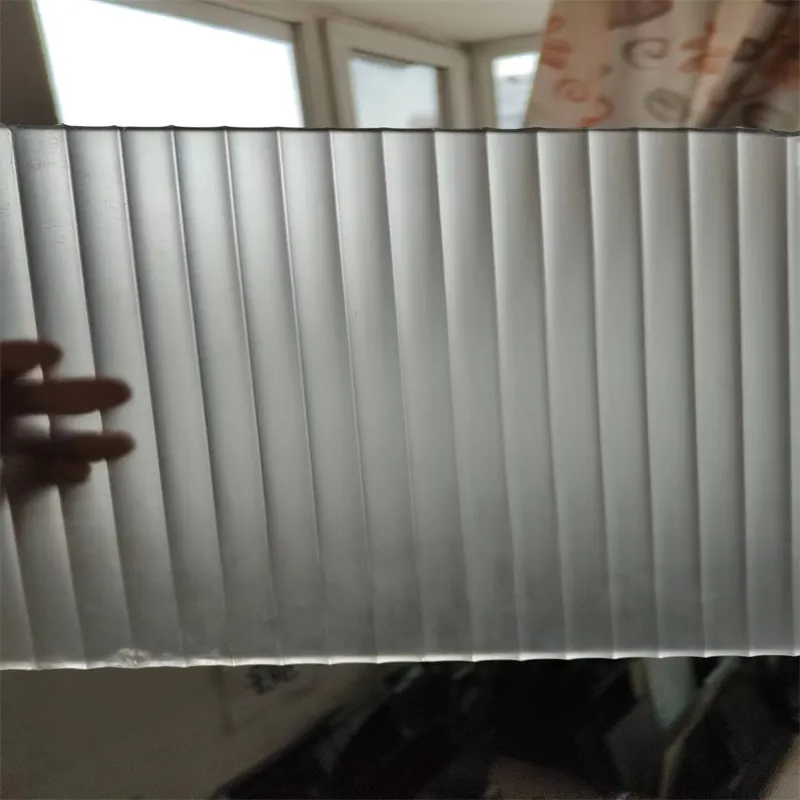
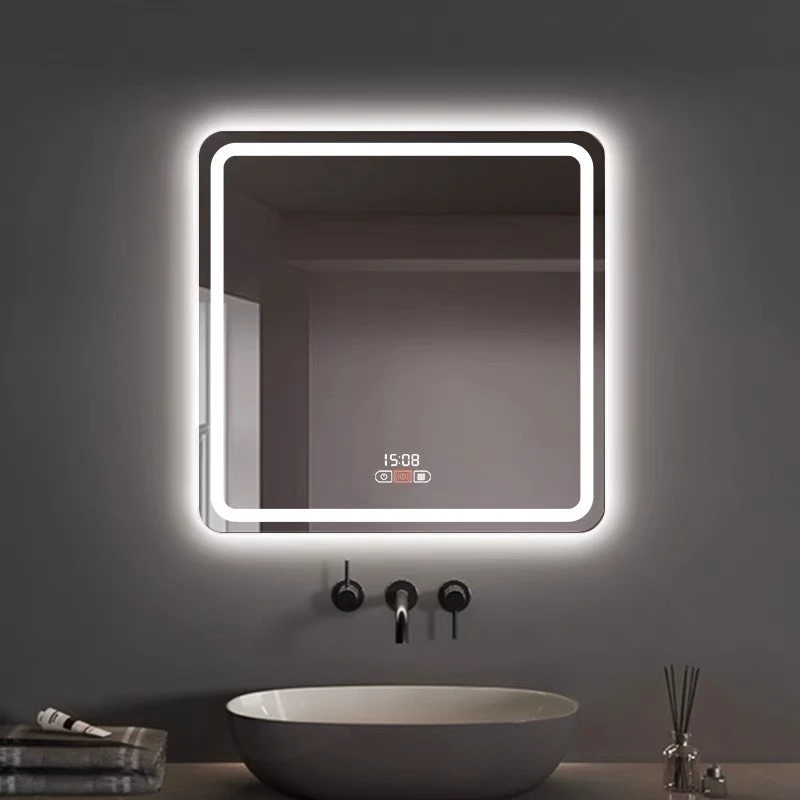
South Korea's glass market is characterized by an extreme demand for energy efficiency and "smart" integration, driven by the dense urban architecture of Seoul and Busan. The prevalence of high-rise residential complexes requires materials like reflective glass to mitigate solar heat gain during humid summers while maintaining visual transparency.
Furthermore, the local economy's heavy investment in semiconductor and display industries has pushed the standards for clear float glass to unprecedented levels of purity. This industrial synergy ensures that architectural glass in the region is not merely structural but serves as a high-precision component of the building's envelope.
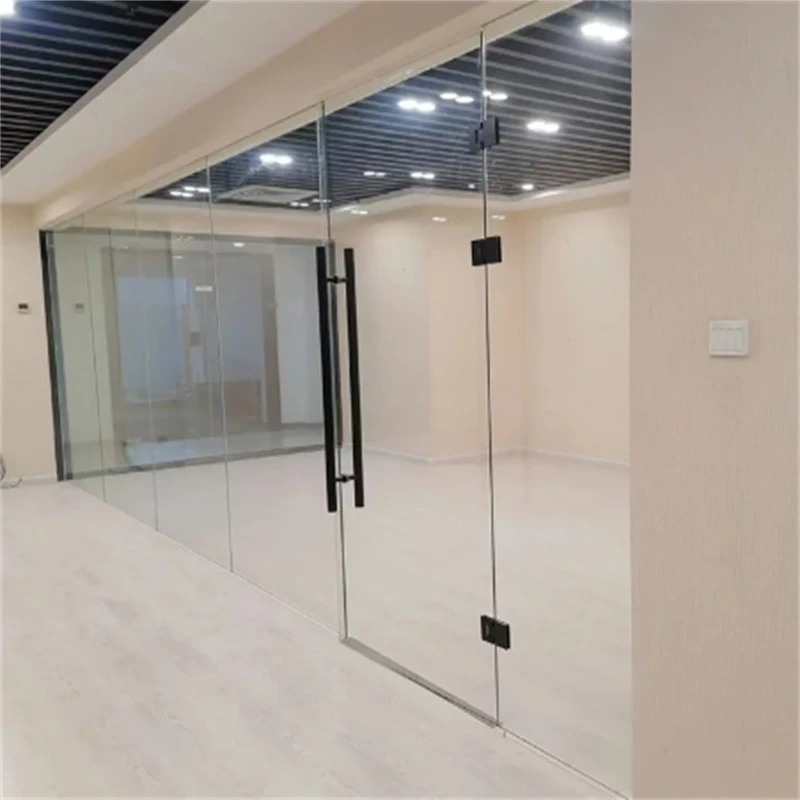
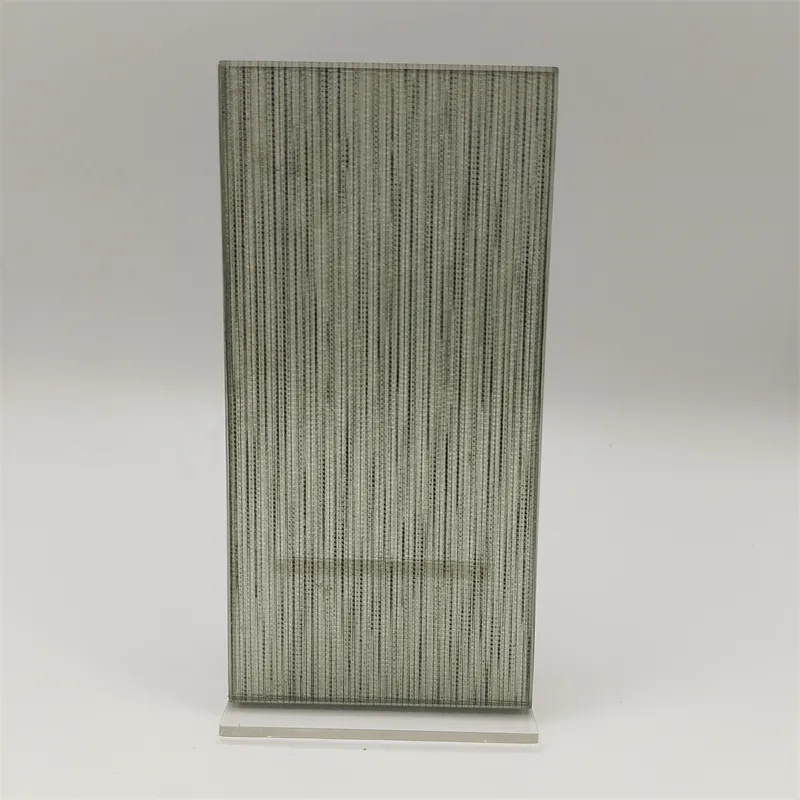
Environmental regulations and the "Green New Deal" in Korea have accelerated the adoption of tempered laminated glass for safety and thermal insulation, reflecting a national shift toward sustainable, long-lifecycle building materials that withstand coastal winds and seasonal temperature fluctuations.