
Advanced Architectural Glass Solutions for Poland: Specializing in ar glass

Providing high-performance, precision-engineered glass for Poland's modern infrastructure, blending energy efficiency with cutting-edge aesthetics.

Advanced Architectural Glass Solutions for Poland: Specializing in ar glass

Our comprehensive glass processing services deliver superior clarity and strength to the Polish construction and industrial sectors, ensuring compliance with EU standards.

The State of Specialized Glass Manufacturing in Poland

Analyzing the intersection of Polish industrial demand and European environmental regulations.

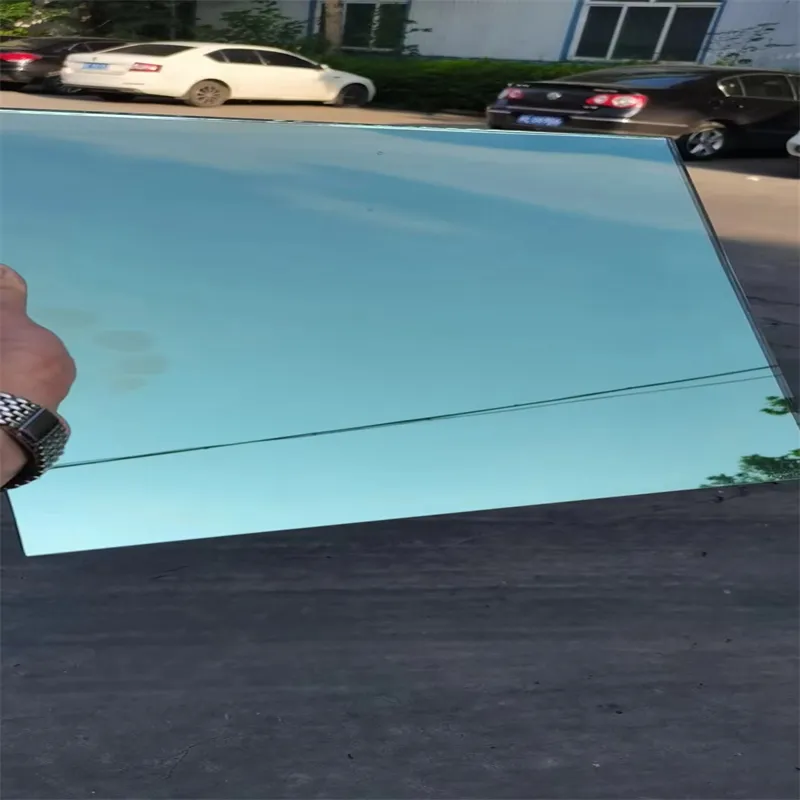
Poland's manufacturing sector is currently experiencing a rapid transition toward sustainable "Green Building" standards. In urban centers like Warsaw and Kraków, there is a surging demand for reflective glass to combat urban heat islands while maintaining the sleek aesthetic of contemporary office towers.

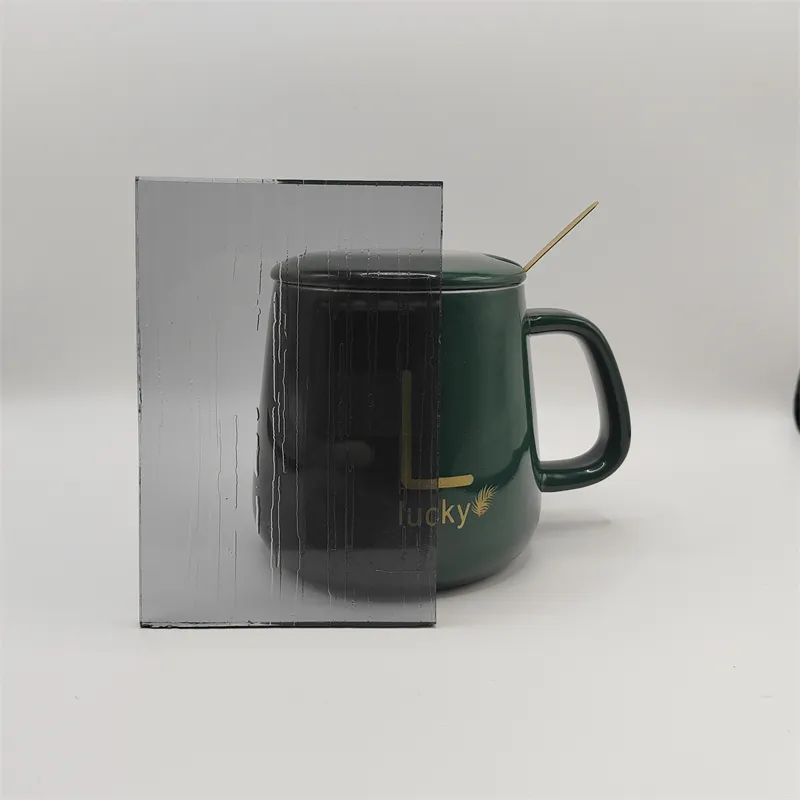
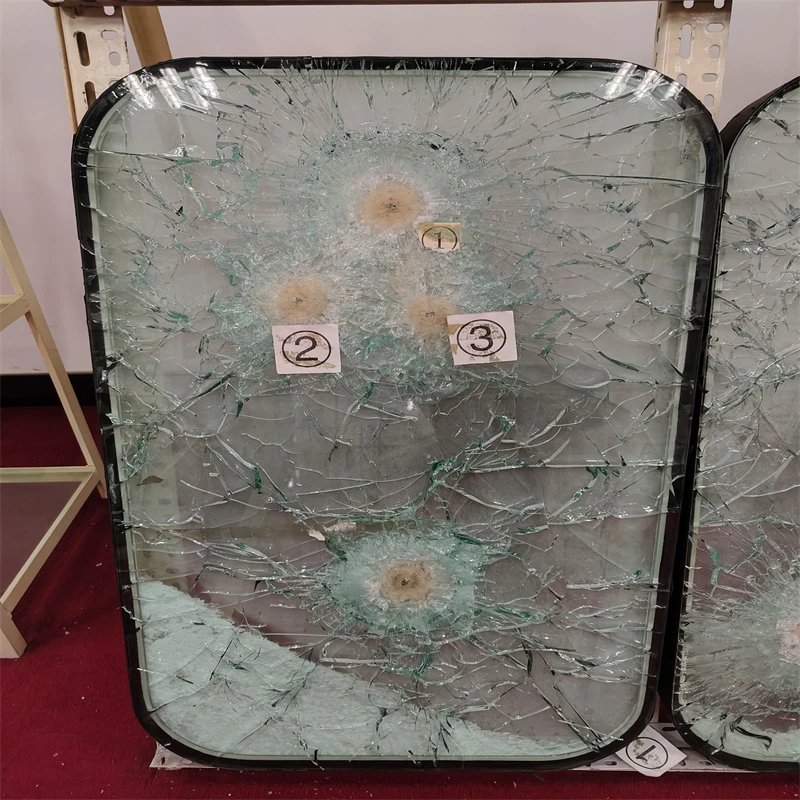
The local climate, characterized by significant seasonal temperature fluctuations, necessitates the use of tempered laminated glass. This ensures that structural glazing can withstand thermal expansion and contraction without compromising safety or acoustic insulation in residential complexes.

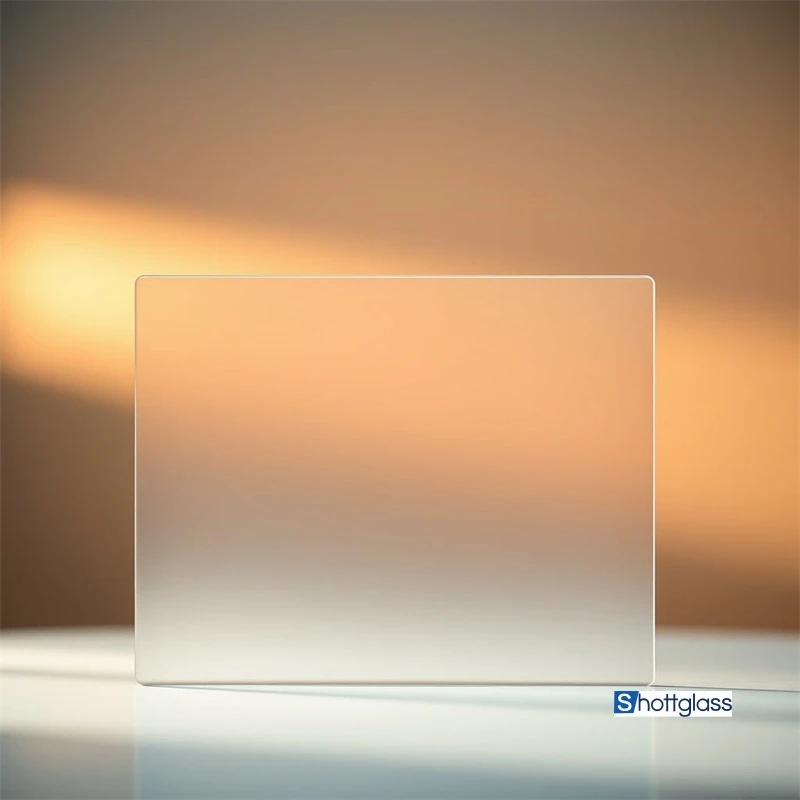
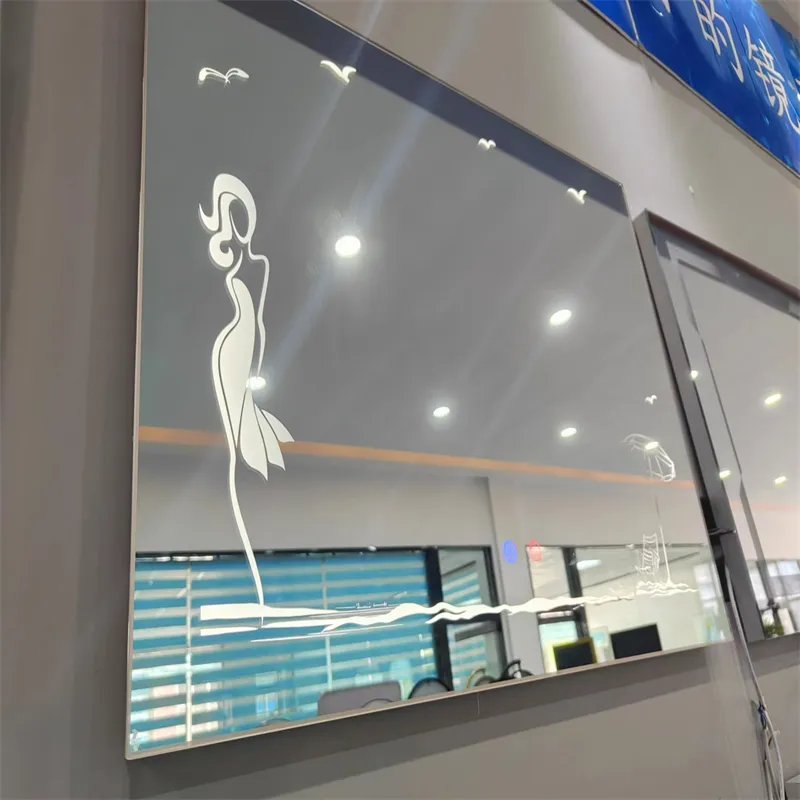
Furthermore, the Polish interior design market has seen a shift toward privacy-centric aesthetics, driving the adoption of acid etched glass for commercial partitions and high-end bathroom installations, blending utility with a matte, sophisticated finish.
Evolution of Glass Processing in the Polish Market

From traditional float glass to intelligent, high-value added technical glass.

Market Development History

In the late 20th century, the Polish market relied heavily on basic clear float glass, which served as the foundational material for most window and mirror production across the region.

Between 2010 and 2020, the industry iterated toward safety and energy efficiency. This era saw the mass adoption of toughening and laminating processes, shifting the focus toward structural integrity and heat retention to meet EU energy directives.

Since 2021, the trajectory has moved toward "Smart Glass." The integration of anti-reflective coatings and specialized chemical etching has transformed glass from a passive enclosure into an active component of building energy management.

Future Development Trends

Dynamic Thermal Control

Integrating thermochromic layers to automatically adjust transparency based on the Polish winter and summer extremes.

Zero-Emission Production

A shift toward hydrogen-powered furnaces to reduce the carbon footprint of the primary glass melting process.

Ultra-Thin Laminated Solutions

Development of lightweight, high-strength composite glass for the expanding Polish automotive and aerospace sectors.

Future Trends and Strategic Outlook for Glass Tech

Predicting the next phase of deep processing technology based on European search trends and industrial shifts.

Energy-Neutral Glazing
The rise of BIPV (Building Integrated Photovoltaics) to turn facades into energy generators.
AI-Driven Quality Control
Implementing machine learning to detect micron-level flaws in tempered sheets.
Circular Economy Logic
Increased demand for 100% recyclable glass laminates to meet EU circularity targets.
Adaptive Coatings
Development of self-cleaning and anti-pollution coatings for harsh urban environments.

Industry Outlook

The next 3-5 years will see a convergence of material science and digitalization. We anticipate a significant increase in the search volume for "carbon-neutral glazing" and "smart privacy glass" within the EU, particularly as Poland continues its infrastructure modernization.

Manufacturers who can integrate multi-functional layers—combining acoustic dampening, UV protection, and solar energy harvesting—will dominate the high-end architectural market in Central Europe.

Local Application Scenarios in Poland

Tailored glass implementations for the diverse Polish architectural landscape.

01. Warsaw Commercial High-Rises

Application of high-performance reflective glass to reduce cooling costs during hot summers while ensuring maximum natural light for office workers.

02. Kraków Historic Renovation

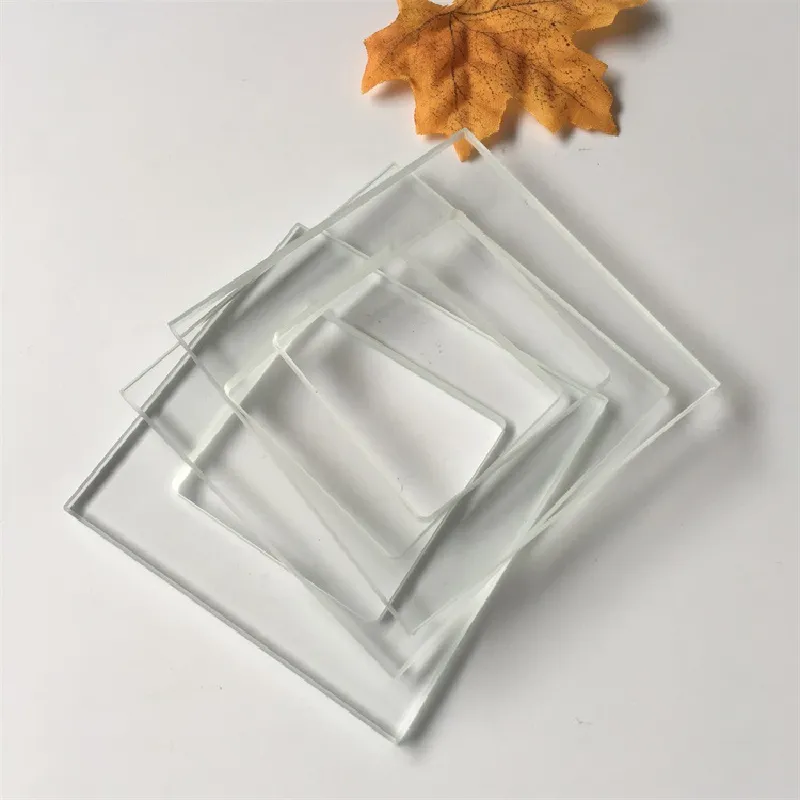
Using thin-profile clear float glass in double-glazed units to preserve the heritage aesthetic of Old Town while improving thermal efficiency.

03. Industrial Parks in Silesia

Implementation of large-scale tempered laminated glass for warehouse skylights and safety partitions, meeting strict European workplace safety laws.

04. Modern Residential Interiors

Utilizing acid etched glass for minimalist shower enclosures and sliding doors in high-end apartments in Wrocław.

05. Museum and Gallery Displays

Deployment of ar glass for exhibition cases in national museums to eliminate glare and provide an unobstructed view of artifacts.

Brand Story

Global Development Journey of Shahe City Xiaote Glass Co., Ltd.

Foundational Precision

Established with a mission to solve the instability of deep-processed glass, we began by mastering the core physics of tempering and laminating.

Technical Diversification

We expanded our capabilities into specialized chemical etching and vacuum coating, bridging the gap between industrial utility and architectural art.

European Market Integration

By aligning our quality control with EU certifications, we entered the Polish and German markets, providing custom solutions for complex building projects.

Innovation Leadership

Investment in R&D allowed us to pioneer ultra-clear anti-reflective technologies, reducing visual noise for high-tech installations globally.

Sustainable Future

Today, we focus on the "Green Glass" initiative, reducing waste and energy consumption to support a carbon-neutral construction industry.

Complete Technical Glass Portfolio for the Polish Market

From raw float glass to sophisticated multi-layered security systems.

Frequently Asked Questions for Glass Solutions in Poland

Expert answers to common technical and logistical queries.

What is the best tempered laminated glass for Polish winter conditions?

For the Polish climate, we recommend a double-tempered laminate with an SGP or EVA interlayer, which prevents delamination caused by extreme freeze-thaw cycles.

How does ar glass improve visibility in commercial displays?

Anti-reflective (AR) glass uses destructive interference coatings to reduce surface reflections, allowing 98% of light to pass through, which is critical for Polish museums and high-end retail.

Can reflective glass help reduce air conditioning costs in Warsaw offices?

Yes, by reflecting a significant portion of solar infrared radiation, reflective glass lowers the solar heat gain coefficient (SHGC), significantly reducing cooling loads.

Is acid etched glass more durable than sandblasted glass for interiors?

Yes, acid etching creates a chemically bonded surface that is more resistant to fingerprints and easier to clean than the jagged surface left by sandblasting.

What are the lead times for custom clear float glass orders in Europe?

Depending on the volume and specifications, standard clear float glass orders typically take 2-4 weeks for processing and logistics within the European region.

Do your glass products meet EU safety and environmental certifications?

Absolutely. All our deep-processed glass products are manufactured to meet or exceed CE certifications and EN standards for safety and energy efficiency.

Consult Our Glass Engineering Experts

Ready to elevate your next architectural project in Poland? Our technical team is available for custom specifications and logistics planning.

Contact Us Now

If you are interested in our products, you can choose to leave your information here, and we will be in touch with you shortly.