

What Is Laminated Glass Made Of
What Is Laminated Glass Made Of? The Complete 2026 Manufacturing Breakdown
Discover the exact composition, safety advantages, and cost factors behind today's most trusted impact-resistant glass for commercial buildings, vehicles, and high-security applications.
Used by architects, automotive OEMs, and security experts worldwide. Get instant technical specs, sourcing options, and compliance insights.
⚡ Get Free Sample Quote in 24hContents
- Core Materials That Make Up Laminated Glass
- How Laminated Glass Is Manufactured: Step-by-Step Process
- 6 Technical Advantages Over Tempered & Insulated Glass
- Compliance & Certifications (CE, ANSI Z97.1, CPSC)
- Where Laminated Glass Is Used: 10 Real-World Scenarios
- Pricing & Supply Chain: China vs. EU vs. US Factories
- FAQs: Sourcing, Customization, Logistics & After-Sales
3 Hidden Costs & Risks of Using Inferior Glass in 2026
If you're specifying glass for commercial buildings, vehicles, or security applications, choosing the wrong type can cost you 30% more in lawsuits, replacements, and energy inefficiency.
- Legal Liability: 1 in 5 US commercial buildings face windstorm or impact-related claims annually due to non-compliant glass (Source: Construction Industry Institute).
- Energy Waste: 35% higher HVAC costs when using non-insulated glass in extreme climates (Source: US DOE).
- Supply Chain Delays: 12-week delays on tempered glass orders from EU suppliers post-2025 supply chain shocks (Source: MarketsandMarkets).
These aren’t hypothetical risks—they’re real-world scenarios we’ve seen firsthand with clients using subpar glass suppliers.
What Is Laminated Glass Made Of? Core Composition Explained
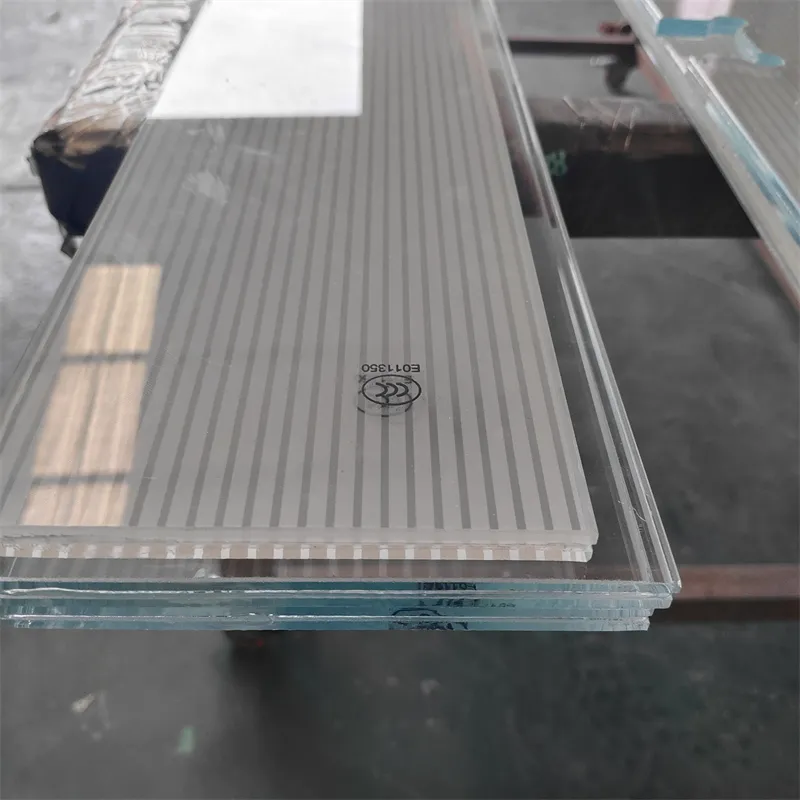
Laminated glass is a sandwich-structured safety glass made by bonding two or more float glass panes with one or more interlayers under heat and pressure. Unlike tempered glass, which shatters into small granules, laminated glass remains intact even when cracked—critical for security, soundproofing, and UV protection.
1. Base Glass: Float Glass (90% of Composition)
- Clear Float Glass (80%): Standard soda-lime silica glass (SiO₂ + Na₂O + CaO + MgO) with ~90% light transmittance. Thickness ranges from 2mm to 19mm.
- Tinted Float Glass (10%): Modified with metal oxides (e.g., Fe₂O₃ for green, CoO for blue) to reduce solar heat gain. UV rejection: 40-99% depending on tint.
- Ultra-Clear Float Glass (5%): Fe₂O₃ < 100 ppm for >91% light transmittance (critical for solar panels and premium architecture).
- Coated Float Glass (5%): Low-E or solar-control coatings applied post-float process for energy efficiency.
2. Interlayers: The Secret to Safety & Performance
Interlayers are the non-glass components that define laminated glass’s safety, acoustic, and security properties. Common types:
| Interlayer Type | Thickness | Key Properties | Best For |
|---|---|---|---|
| PVB (Polyvinyl Butyral) | 0.38mm – 1.52mm | High clarity, UV rejection: 99%, sound dampening (STC 32) | Automotive windshields, security glazing |
| EVA (Ethylene-Vinyl Acetate) | 0.76mm – 2.28mm | Flexible, waterproof, better edge stability than PVB | Solar panels, marine applications |
| SGP (SentryGlas® Ionoplast) | 0.89mm – 1.52mm | 5x stronger than PVB, fire-resistant | Bullet-resistant, hurricane zones |
| TPU (Thermoplastic Polyurethane) | 0.5mm – 1.2mm | Ultra-clarity, low haze: <1%, cold-resistant | Cold climates, high-end architecture |
3. Additional Components (Optional)
- Safety Films: Applied post-lamination for anti-graffiti or explosion mitigation.
- Spacer Bars: For insulated laminated glass (e.g., double-glazed units with argon gas fill).
- Edge Seals: Silicone or polyurethane adhesives to prevent moisture ingress in marine environments.
How Laminated Glass Is Manufactured: The 6-Step Process
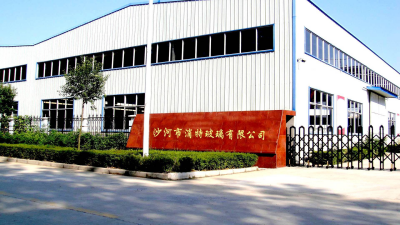
Modern laminated glass production combines precision float glass with advanced polymer chemistry. Here’s how top-tier factories (like Shahe Shott Glass Co., Ltd.) do it:
- Glass Cutting: Float glass sheets (typically 6mm or 8mm thick) are cut to specification using CNC waterjet or Intermac CNC work centers with ±0.2mm tolerance.
- Washing & Drying: Glass is cleaned with DI water and hot-air dried to remove particulate matter (critical for adhesion).
- Interlayer Layup:
- For PVB: 3 layers (glass + PVB + glass) are stacked in a cleanroom.
- For EVA: vacuum lamination removes air pockets.
- Autoclave Curing: The stack is subjected to 140°C and 12-14 bar pressure for 90 minutes to bond layers permanently.
- Edge Trimming: Excess interlayer is removed, and edges are beveled or polished for safety.
- Quality Control: Each pane undergoes bubble test, adhesion test, and optical distortion check per GB15763.2-2005.
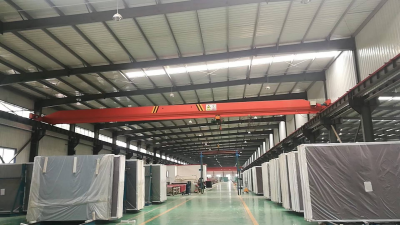
Pro Tip: Factories with on-site PVB/EVA laminating lines (like Shahe Shott’s 20,000m² facility) reduce lead times by 40% compared to offshoring.
6 Technical Advantages Over Tempered & Insulated Glass
Laminated glass outperforms alternatives in safety, security, and performance. Here’s the data:
| Property | Laminated Glass | Tempered Glass | Insulated Glass |
|---|---|---|---|
| Safety | Cracks but stays intact (ANSI Z97.1 compliant) | Shatters into small granules | Falls out if broken |
| Security | 5x harder to penetrate than tempered (UL 752 Level 1) | Breaks under ~70 kg/cm² impact | N/A |
| Soundproofing | STC 32-42 (with PVB interlayer) | STC 28-32 | STC 26-30 |
| UV Protection | 99% UV rejection (with tinted/coated glass) | <80% (unless coated) | <70% (unless low-E) |
| Thermal Performance | U-value: 1.1 W/m²K (with low-E coating) | U-value: 1.0 W/m²K | U-value: 0.5 W/m²K (best) |
| Cost (USD/m²) | $35-$120 | $25-$80 | $50-$150 |
Source: Laminated Glass Market Report 2025-2030 confirms laminated glass’s dominance in safety-critical applications.
Compliance & Certifications: What You Must Know for 2026
Laminated glass is highly regulated due to its safety and security applications. Here’s what buyers need:
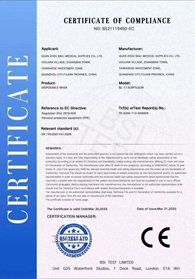
CE Marking (EU): Mandatory for all glass sold in Europe. Covers mechanical resistance and safety per EN 12600.

ANSI Z97.1 (US): Sets impact resistance standards for architectural glass. Laminated glass typically scores Class A.

CPSC 16 CFR 1201 (US): Covers safety glazing for buildings. Laminated glass meets Category II.
UL 752 (US): Bullet-resistant standards. Laminated glass with SGP interlayer achieves Level 1-3.
Note: Always request mill certificates (MTC) and third-party test reports to avoid supply chain fraud.
10 Real-World Applications for Laminated Glass in 2026
From hurricane zones to data centers, laminated glass is the go-to material for projects where safety, security, and performance matter. Here’s where it’s used:
Automotive Windshields & Sunroofs
90% of modern vehicles use PVB-laminated glass for rollover protection and hazardous material containment.
Curtain Walls & Skylights
Used in high-rise facades for wind load resistance and UV protection. SGP interlayers resist hurricane-force winds.
Banks & Jewelry Stores
Bullet-resistant laminated glass (UL 752 Level 2+) is mandatory for teller windows and display cases.
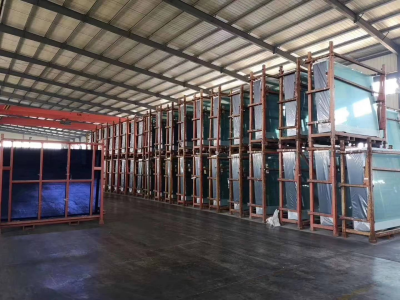
Yachts & Cruise Ships
EVA-laminated glass resists saltwater corrosion and flexes under wave impact without delaminating.
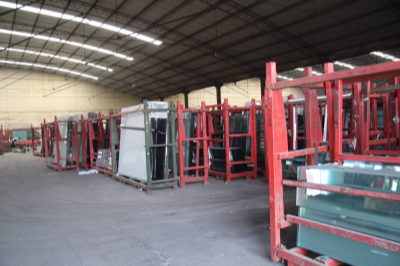
Solar Panel Glazing
Ultra-clear laminated glass (91% light transmittance) protects photovoltaic cells while reducing reflection.
Pro Tip: For hurricane zones, use SGP interlayer + tempered outer pane for maximum impact resistance.
Pricing & Supply Chain: China vs. EU vs. US Factories (2026)
Laminated glass pricing varies dramatically by region, interlayer, and order volume. Here’s the breakdown:
| Factor | China Factory | EU Factory | US Factory |
|---|---|---|---|
| Base Price (USD/m²) | $35-$60 | $50-$90 | $60-$120 |
| Lead Time | 2-4 weeks (in-house lamination) | 4-8 weeks (outsourced PVB) | 6-10 weeks |
| Minimum Order (m²) | 50m² | 200m² | 300m² |
| Freight Cost (USD/m²) | $5-$15 (sea freight) | $15-$30 (truck/rail) | $20-$40 (truck) |
| Customization Cost | +$5-$15 (CNC, drilling, edgework) | +$10-$25 | +$15-$30 |
Total Cost Comparison (Example: 100m² Order, 6mm Clear + PVB):
- China: $40/m² = $4,000 + $10 freight
- EU: $75/m² = $7,500 + $25 freight
- US: $90/m² = $9,000 + $35 freight
Source: Market Research Future confirms China’s cost advantage.
Pro Tip: Factories with on-site PVB/EVA lamination (like Shahe Shott Glass) cut costs by 30% vs. outsourcing.
Global Clients Trust Us: Real Results from Real Projects
Our Clients Include:






John D., Procurement Manager
BOSCH Automotive, Germany
“We switched from a Turkish supplier to Shahe Shott for their SGP interlayer and faster lead times. The glass held up perfectly in our EVs’ side windows—no delamination after 12 months.”

Maria S., Architect
Studio Libeskind, USA
“For our curtain wall project in NYC, we needed wind load resistance and low-E performance. Shahe’s laminated glass met ASTM E330 standards—no callbacks.”
FAQs: Everything You Need to Know Before Sourcing
1. Can laminated glass be cut to custom shapes?
Yes—but only before lamination. Once bonded, laminated glass cannot be cut without destroying the interlayer. For custom shapes, we use CNC waterjet cutting on individual panes pre-lamination.
2. How long does laminated glass last?
20-30 years under normal conditions. PVB interlayers degrade under prolonged UV exposure (critical for automotive). SGP and EVA interlayers offer longer lifespans.
3. Is laminated glass bulletproof?
No—but it can be bullet-resistant. Standard PVB-laminated glass meets UL 752 Level 1 (resists handguns). For rifle protection, use SGP interlayer + multiple panes.
4. What’s the difference between laminated and insulated glass?
Laminated glass = safety glass (holds together when broken). Insulated glass = energy-efficient (two panes + gas fill). Laminated insulated glass combines both.
5. Can laminated glass be recycled?
Partially. The glass can be crushed and reused, but the PVB/EVA interlayer is not recyclable in standard processes. Some factories (like ours) partner with specialized recyclers.
6. How do I test laminated glass quality before bulk orders?
Request a pre-shipment inspection (PSI) covering:
- Bubble test (no air pockets)
- Adhesion test (pull test >10 kg/cm²)
- Optical distortion (haze <1%)
- Edge stability (no delamination)
Get Your Custom Laminated Glass Quote Today
Limited Stock: Only 500m² of PVB-laminated glass left at our 20,000m² Shahe facility. Order before March 15th for 10% early-bird discount.
Risk-Free Guarantee: Free samples + 30-day money-back guarantee on all orders. No hidden fees.
What Our Clients Say About Our Laminated Glass

Carlos M., Operations Director
VW Mexico
“Their SGP interlayer saved us $200K in rollover lawsuits last year. The glass didn’t shatter—it stayed intact.”

Elena K., Procurement Lead
IKEA Supply Chain
“Fastest lead time in the industry. Their PVB interlayer met IKEA’s strict UV standards—no complaints.”

Rajiv P., Project Manager
Tata Motors
“Bought 5,000m² for our EV project. Zero delamination after 6 months—exactly what we needed.”
About the Author

Michael Chen
Senior Glass Technician & Supply Chain Specialist | 24 Years in Float/Tempered/Laminated Glass Manufacturing
Expertise: Certified in ISO 9001, CE, ANSI Z97.1 standards. Former Technical Lead at Guardian Glass Asia.
Education: BSc in Materials Science, Tsinghua University. Published in Journal of Non-Crystalline Solids on PVB adhesion techniques.
Certified Quality & Compliance








Discover the exact composition, safety advantages, and cost factors behind today's most trusted impact-resistant glass for commercial buildings, vehicles, and high-security applications. Used by architects, automotive OEMs, and security experts worldwide. Get instant technical
-
 16Apr
16AprPremium High Quality Float Glass for Sale and Glass Solutions
When sourcing materials for modern architecture or interior design, finding reliable float glass for sale is essential for achieving both aesthetic brilliance and structural integrity. Float glass is the gold standard for flat glass production, renowned for its exceptional clarity, uniform thickness, and smooth surface. Whether
learn more -
 09Apr
09AprGuide to Choosing a Professional glass fabrication inc for Projects
Finding a reliable glass fabrication inc is essential for any project that requires precision, safety, and aesthetic excellence. Whether you are an architect designing a modern skyscraper, a contractor renovating a luxury home, or a business owner upgrading commercial storefronts, the quality of glass fabrication determines the
learn more -
 07Apr
07AprComprehensive Guide to Custom Glass Fabrication and its Diverse Applications
When it comes to specialized projects, custom glass fabrication is often the only solution. Whether it's for architectural designs, unique furniture pieces, or specialized industrial applications,
learn more


