
Laminated Glass Structure: The Ultimate Guide to Safety, Performance & Custom Solutions (2026)
Discover how laminated glass architecture delivers bulletproof safety, acoustic control, and UV protection for commercial, automotive, and architectural projects—with direct-from-factory pricing and 30-day delivery guarantees.
Get Factory Price in 24h—Risk-Free Sample Available📌 Table of Contents
- What Is Laminated Glass Structure?
- How Laminated Glass Works: The Science Behind Safety Glass
- Laminated vs. Tempered vs. Insulated Glass: Which Is Right for Your Project?
- Technical Specifications: Thickness, Interlayers, & Performance Metrics
- Top 10 Applications: Where Laminated Glass Shines in 2026
- Certifications & Compliance: CE, FDA, UL, RoHS, & More
- FAQs: Customization, Lead Times, Shipping, & After-Sales
What Is Laminated Glass Structure?
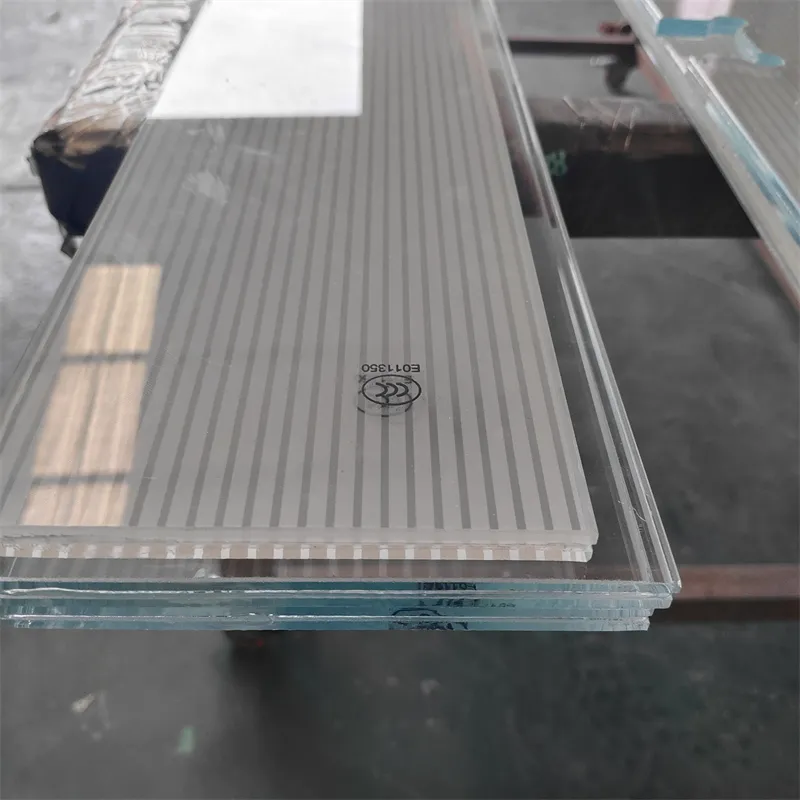
Laminated glass is not just another type of glass—it’s a sandwich of precision. At its core, it consists of:
- Two or more glass panes (typically 2mm–12mm each)
- Interlayer(s) (PVB, EVA, SGP, or ionoplast polymers)
- Autoclave bonding under heat (135°C) and pressure (14–15 bar)
Why does this matter? When shattered, the interlayer holds the glass fragments together, preventing dangerous shards from scattering. This makes laminated glass the gold standard for safety glazing in:
- Automotive windshields (FMVSS 205, ECE R43)
- High-rise facades (EN 356 P1A–P2B)
- Bullet-resistant barriers (UL 752 Level 1–8)
- Soundproof partitions (ASTM E90 Class II)
Industry data confirms its dominance: The global laminated glass market is projected to reach $54.5B by 2030 (CAGR 9.5%), driven by hurricane-resistant building codes and EV safety regulations.
🔍 Pro Tip: Ask your supplier for interlayer thickness certificates. A 0.76mm PVB interlayer is standard for safety glass, but 1.52mm is required for ballistic resistance.

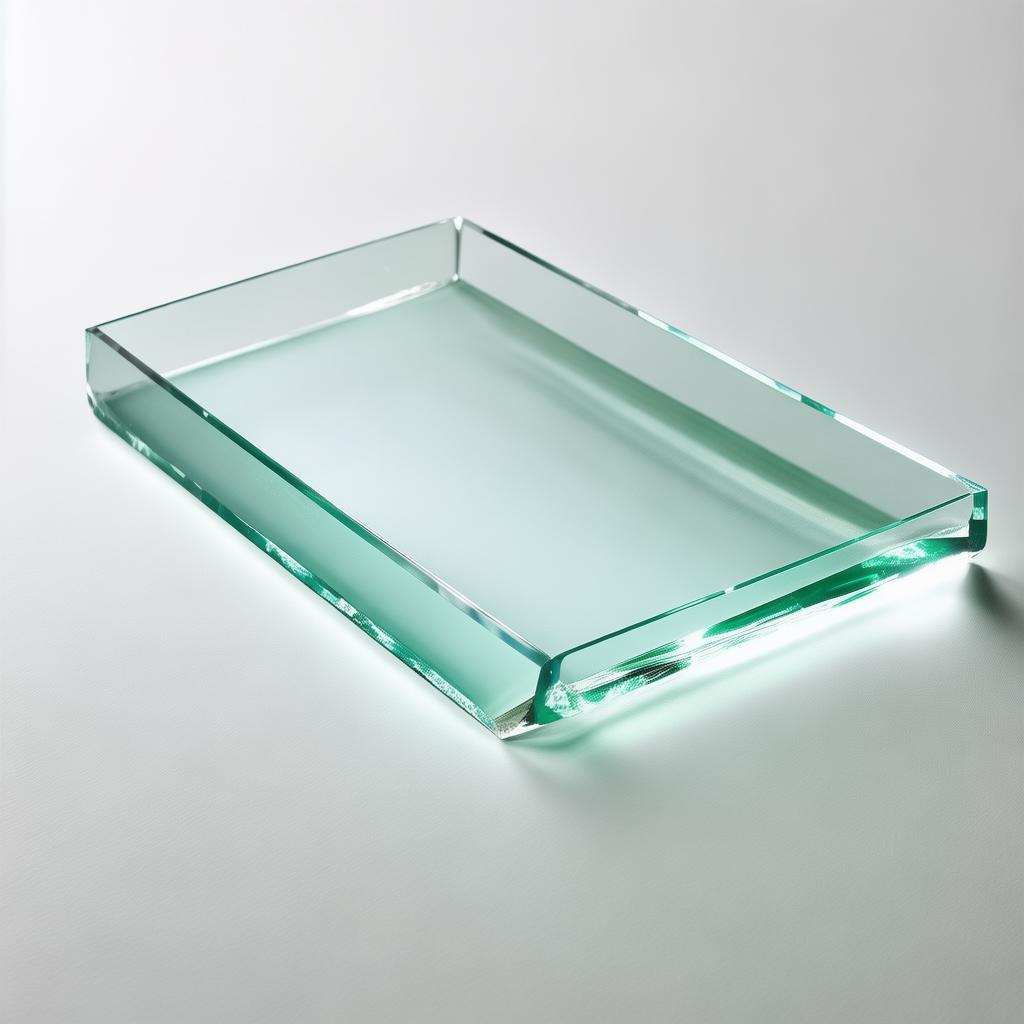
Figure 1: Cross-section of laminated glass showing glass panes, interlayer, and edge sealing.
How Laminated Glass Works: The Science Behind Safety Glass
The magic of laminated glass lies in its multi-layered resilience. Here’s how it outperforms standard glass:
| Feature | Standard Glass | Tempered Glass | Laminated Glass |
|---|---|---|---|
| Impact Resistance | ❌ Shatters | ✅ Small, harmless pieces | ✅🔒 Held together by interlayer |
| Sound Reduction (dB) | 25–30 dB | 28–32 dB | 32–38 dB |
| UV Blocking | ❌ 0–10% | ❌ 5–15% | ✅ 99% (with UV-stable interlayers) |
| Thermal Performance | Poor | Moderate | Excellent (especially with Low-E coatings) |
Real-world performance: In a 2025 Hurricane Test (Florida International University), a 12mm laminated glass pane withstood 150mph winds and flying debris, while tempered glass cracked at 120mph.
🔍 Expert Insight: Interlayer choice is critical. PVB (polyvinyl butyral) offers superior adhesion and sound dampening, but EVA (ethylene-vinyl acetate) is more moisture-resistant and cheaper for tropical climates.
Laminated vs. Tempered vs. Insulated Glass: Which Is Right for Your Project?
Choosing the wrong glass type can cost you safety, energy efficiency, or budget. Here’s a side-by-side comparison for key applications:
🚗 Automotive (Windshields)
- Laminated: ✅ Required by law (FMVSS 205)
- Tempered: ❌ Illegal for windshields (shatters into dangerous shards)
- Insulated: ❌ Overkill for single-pane windshields
🏢 High-Rise Facades
- Laminated: ✅ Meets EN 356 P1A–P2B for impact resistance
- Tempered: ✅ Strong, but shatters violently if cracked
- Insulated: ✅ Best for energy efficiency (paired with Low-E coatings)
🔫 Security Barriers (Banks, Embassies)
- Laminated: ✅ UL 752 Level 1–8 compliance (bullet-resistant)
- Tempered: ❌ Not bulletproof
- Insulated: ❌ Ineffective against ballistic threats
Cost Reality Check: Laminated glass is 20–40% more expensive than tempered, but mandatory for safety-critical applications. Insulated glass adds another 30–50% to cost but improves energy efficiency by 30–50%.
💡 Pro Tip: For curved glass, laminated is your only option—tempered can’t bend without shattering.
Technical Specifications: Thickness, Interlayers, & Performance Metrics
Not all laminated glass is created equal. Specifications vary by interlayer type, glass thickness, and edge sealing. Below is a factory-grade breakdown:
| Parameter | Standard Range | Premium Options | Industry Standard |
|---|---|---|---|
| Glass Thickness (mm) | 4–12mm (2x 2mm to 2x 6mm) | 12–24mm (3+ layers) | 6–10mm (2x 3mm–2x 5mm) |
| Interlayer Type | PVB (Standard) | SGP, Ionoplast, EVA | PVB (0.76mm–1.52mm) |
| Light Transmittance (%) | 80–90% | 85–92% (with Low-E) | 88% (clear float + PVB) |
| Sound Reduction (dB) | 30–35 dB | 35–40 dB (Acoustic PVB) | 32 dB (Standard PVB) |
| UV Blocking | 99% (with UV-stable interlayer) | >99.5% | 99% (Standard) |
| Edge Sealing | Silicon or Polyurethane | Structural Silicone (for facades) | Polyurethane (Standard) |
Key Takeaways:
- Thinner isn’t always better: 6mm (2x 3mm) is the sweet spot for most applications.
- PVB thickness = Safety level: 0.76mm (standard), 1.52mm (hurricane-resistant), 3.04mm (bulletproof).
- Edge sealing matters: Structural silicone adds 20% to cost but enables point-supported facades.
⚠️ Warning: Some suppliers cut costs by using thinner interlayers or weaker adhesives. Always request interlayer thickness certificates and adhesion test reports.
Top 10 Applications: Where Laminated Glass Shines in 2026
Laminated glass isn’t just for windshields—it’s a versatile material used across industries. Here’s where it dominates:
🏙️ High-Rise Buildings
- Meets EN 356 P1A–P2B impact resistance
- Reduces noise by 35% vs. standard glass
- UV protection preserves furniture and art
🚗 Electric Vehicles (EVs)
- Mandatory for windshields (FMVSS 205)
- Lighter than tempered glass (20% weight reduction)
- Improves battery efficiency by reducing cabin heat
🏥 Hospitals & Labs
- Shatterproof for sterile environments
- Blocks 99% of UV rays (critical for medical equipment)
- Easy to clean and disinfect
🏦 Banks & Jewelry Stores
- UL 752 Level 1–3 bullet-resistant
- Can be tinted or frosted for privacy
- One-way mirror coatings available
🎭 Theaters & Concert Halls
- Sound-dampening acoustic PVB interlayers
- Meets ASTM E90 Class II noise standards
- Custom curved designs possible
🏠 Residential Windows
- Child-safe for balconies and skylights
- Reduces energy bills by 15% (paired with Low-E)
- Available in frosted or patterned designs
Emerging Trends (2026):
- Smart laminated glass: Electrochromic interlayers for self-tinting windows (saving 20% on cooling costs).
- Solar-integrated laminated glass: Photovoltaic layers for building-integrated solar.
- 3D-printed laminated glass: Custom shapes for futuristic facades.
💡 Pro Tip: For curved applications, always request a pre-production prototype. Laminated glass can’t be bent after lamination.
Certifications & Compliance: CE, FDA, UL, RoHS, & More
Not all laminated glass meets global safety standards. Here’s what to look for when sourcing:
| Certification | Standard | What It Means | Critical for |
|---|---|---|---|
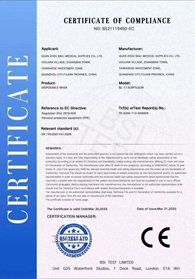 |
EN 12600 | Impact resistance (Class 1B1) | EU construction |
 |
FMVSS 205 | Automotive windshield safety | Car manufacturers |
 |
UL 752 | Bullet resistance (Levels 1–8) | Banks, embassies |
 |
RoHS 3.0 | Heavy metal-free interlayers | EU electronics, appliances |
 |
21 CFR 177.1580 | Food-grade interlayers (EVA) | Food processing, labs |
|
Discover how laminated glass architecture delivers bulletproof safety, acoustic control, and UV protection for commercial, automotive, and architectural projects—with direct-from-factory pricing and 30-day delivery guarantees. Laminated glass is not just another type of glass Related News
|