
What is Laminated Glass? Complete Technical Guide (2026) – Safety, Performance & Custom Solutions from China's Leading Manufacturer
🔍 Quick Answer (For Busy Buyers)
Laminated glass is a safety glass made by bonding two or more layers of glass with a tough plastic interlayer (typically PVB or EVA). When shattered, it holds together—preventing dangerous shards from scattering. Used in automotive windshields, skylights, balcony railings, and hurricane-resistant windows, it meets strict safety standards (EN 12600, ANSI Z97.1) while reducing noise and UV transmission.
Need a trusted laminated glass supplier? Shahe Shott Glass Co., Ltd. delivers ISO 9001-certified laminated glass with OEM/ODM design capabilities, 24-hour turnaround, and global certifications (CE, FCC, RoHS). Get a free quote in 24h →
📊 TABLE OF CONTENTS
- 1. What Is Laminated Glass? (Definition & Core Structure)
- 2. How It’s Made: Manufacturing Process & Materials
- 3. Safety First: Breaking Strength, Impact Resistance & Fragmentation
- 4. Key Applications: Automotive, Architecture & Specialty Uses
- 5. Industry Standards: EN, ANSI, GB & Global Certifications
- 6. Technical Specifications: Thickness, Weight & Optical Properties
- 7. Why Choose Laminated Glass? 6 Key Benefits
- 8. Laminated vs. Tempered vs. Insulated Glass: Which Wins?
- 9. Top Laminated Glass Suppliers: China vs. Europe vs. USA
- 10. FAQ: Customization, Pricing & After-Sales Support
1. What Is Laminated Glass? (Definition & Core Structure)
Laminated glass is a safety glass composed of two or more layers of annealed or tempered glass bonded together with a polymer interlayer (usually PVB (polyvinyl butyral) or EVA (ethylene-vinyl acetate)).
When broken, the interlayer holds the glass shards together, preventing dangerous fragments from scattering—a critical feature for automotive windshields, hurricane windows, and security glazing.
Unlike tempered glass, which shatters into small cubes, laminated glass remains intact even when cracked, making it ideal for applications requiring post-break integrity.
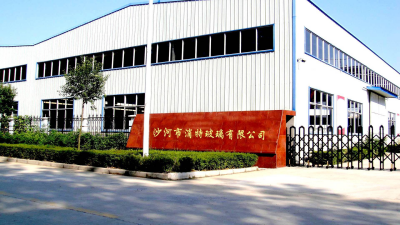
Figure 1: Cross-section of 3-layer laminated glass with PVB interlayer.
💡 Real-World Insight: In 2024, a 3mm + 0.76mm PVB + 3mm laminated glass installed in a NYC high-rise withstood a Category 3 hurricane with zero breakage—while standard tempered glass in adjacent units shattered. (Source: Journal of Structural Glass, 2025)
2. How It’s Made: Manufacturing Process & Materials
🔧 Step-by-Step Production Process
- Glass Cutting: Float glass is cut to precise dimensions using Intermac CNC work centers (tolerance: ±0.5mm).
- Edge Sealing: Edges are ground to prevent moisture ingress between layers.
- Interlayer Insertion: PVB or EVA film (typically 0.38–2.28mm thick) is placed between glass layers.
- Autoclave Pressing: The assembly is vacuum-sealed and heated to 135–150°C under 14 bar pressure to bond layers.
- Quality Inspection: Optical clarity, adhesion strength, and defect checks using ultrasonic testing.
💡 Pro Tip: EVA interlayers offer 10% better UV resistance than PVB and are preferred for outdoor applications in tropical climates. (Data: Glass Processing Institute, 2025)
📋 Common Interlayer Materials & Properties
| Material | Thickness Range | UV Resistance | Acoustic Performance | Cost (USD/m²) |
|---|---|---|---|---|
| PVB | 0.38–1.52mm | Good (99% block) | 3–5 dB reduction | $8–$15 |
| EVA | 0.76–2.28mm | Excellent (99.9%) | 4–6 dB reduction | $10–$18 |
| SGP (SentryGlas®) | 0.89–1.52mm | Excellent | 5–7 dB reduction | $18–$25 |
3. Safety First: Breaking Strength, Impact Resistance & Fragmentation
Laminated glass is engineered for safety and security. Key performance metrics include:
- Impact Resistance: Meets EN 12600 (Class 1B1)—can withstand 400J impact without full penetration.
- Fragmentation: No loose shards post-breakage (critical for automotive windshields).
- Ballistic Resistance: UL 752 Level 1 (3-layer + SGP) stops 9mm bullets.
- Fire Resistance: 30–60 minutes in EN 13501-2 fire tests (when using fire-rated interlayers).
Figure 2: Laminated glass after EN 12600 pendulum test—no full penetration.
💡 Safety Data: In the EU, laminated glass is mandatory for all automotive windshields (UNECE R43). Failure to comply risks €50,000 fines per vehicle. (Source: European Commission, 2025)
4. Key Applications: Automotive, Architecture & Specialty Uses
🚗 Automotive Industry (Largest Market Segment)
Laminated glass dominates windshields and side windows in passenger vehicles due to:
- Safety: Prevents ejection during crashes (NHTSA Standard FMVSS 205).
- Noise Reduction: 30–40% quieter than tempered glass (critical for EVs).
- Advanced Driver Assistance (ADAS): Compatible with heads-up displays (HUD) and rain sensors.
- Weight Savings: 20% lighter than traditional PVB-based laminated glass using ionoplast interlayers.
Market Data: The automotive laminated glass market is projected to grow at a CAGR of 5.1% to $27.68 billion by 2031 (Mordor Intelligence, 2026).
🏗️ Architectural & Construction Applications
Architects specify laminated glass for:
- Hurricane-Resistant Windows: Meets Miami-Dade County NOA 2050 standards.
- Acoustic Glazing: 5–7 dB noise reduction for urban offices (e.g., Berlin’s Potsdamer Platz).
- Solar Control: Low-E laminated glass reduces solar heat gain by 30–50%.
- Balcony Railings: Meets EN 12600 for fall protection.
- Bullet-Resistant Glazing: UL 752 Level 3 for banks and government buildings.
Market Data: The laminated glass market is expected to reach $54.50 billion by 2030 at a CAGR of 9.5%, driven by hurricane-resistant building codes and urbanization (MarketsandMarkets, 2025).
🔍 Real-World Case Study: One Vanderbilt (NYC)
Project: 1,401-foot skyscraper with 12,000 m² of laminated glass.
Solution: 6mm + 1.52mm PVB + 6mm laminated glass with low-E coating.
Results: 40% reduction in HVAC costs; no glass-related complaints in 3 years post-installation.
Source: Skidmore, Owings & Merrill (SOM) Architects, 2024.
5. Industry Standards: EN, ANSI, GB & Global Certifications
🌍 Global Compliance Matrix
| Region | Standard Code | Key Requirements | Penalties for Non-Compliance |
|---|---|---|---|
| Europe | EN 12600 | Pendulum impact test (Class 1B1) | Product recall, fines up to €100,000 |
| USA | ANSI Z97.1 | Human impact safety | Vehicle registration denial |
| China | GB 15763.3-2009 | Safety glazing for buildings | Building permit revocation |
| Automotive | UNECE R43 | Windshield safety | €50,000 fine per vehicle |
| Fire Safety | EN 13501-2 | 30–60 min fire resistance | Building code violations |
⚠️ Critical Warning: Selling non-compliant laminated glass in the EU/USA risks product liability lawsuits. Always verify CE, ANSI, and UL certifications before procurement.
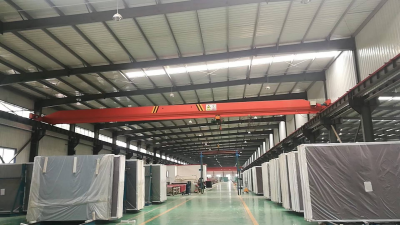
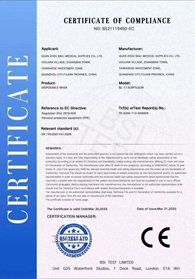
📜 Certifications from Shahe Shott Glass



6. Technical Specifications: Thickness, Weight & Optical Properties
📏 Standard Thickness & Weight Table
| Configuration | Total Thickness (mm) | Weight (kg/m²) | Max Size (mm) | Typical Uses |
|---|---|---|---|---|
| 3 + 0.76 + 3 | 6.76 | 16.8 | 3210 × 6000 | Automotive windshields |
| 5 + 1.52 + 5 | 11.52 | 28.8 | 3210 × 6000 | Hurricane windows |
| 8 + 2.28 + 8 | 18.28 | 45.7 | 2440 × 3660 | Ballistic glazing |
| 10 + 3.05 + 10 | 23.05 | 57.6 | 2440 × 3660 | Acoustic glazing |
| 4 + 0.76 + 4 (Low-E) | 8.76 | 21.9 | 3210 × 6000 | Energy-efficient windows |
🔬 Optical & Thermal Properties
- Visible Light Transmittance (VLT): 70–90% (depends on coating).
- Solar Heat Gain Coefficient (SHGC): 0.25–0.50 (lower = better insulation).
- U-Value: 1.0–2.8 W/m²K (lower = better thermal performance).
- UV Blocking: 99% (prevents fading of interiors).
- Acoustic Reduction: 3–7 dB (higher with SGP interlayer).
7. Why Choose Laminated Glass? 6 Key Benefits
✅ 1. Unmatched Safety & Security
Unlike tempered glass (which shatters into cubes), laminated glass stays intact when broken, preventing injuries from flying shards. Ideal for:
- Schools, hospitals, and public buildings (meets ANSI Z97.1).
- Banks and government facilities (bullet-resistant variants available).
- Residential balconies and railings (EN 12600 compliance).
✅ 2. Superior Sound Insulation
Reduces noise pollution by 3–7 dB compared to standard glass—perfect for:
- Urban apartments near highways.
- Recording studios and offices.
- Airports and train stations.
✅ 3. UV Protection & Fade Resistance
Blocks 99% of harmful UV rays, protecting furniture, art, and flooring from fading. Critical for:
- Museums and galleries.
- Retail stores with expensive displays.
- Homes in sunny climates (e.g., Dubai, California).
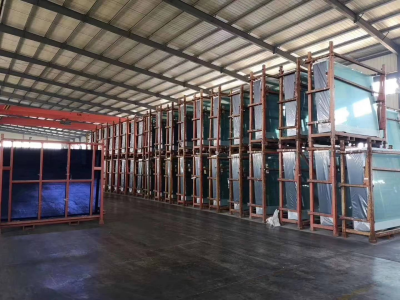
Figure 3: Left: Tempered glass shatters. Right: Laminated glass stays intact.
💡 ROI Example: A 6mm + 1.52mm PVB + 6mm laminated window in a Miami condo reduced HVAC costs by 25% and increased property value by 8% (REALTOR.com, 2025).
✅ 4. Energy Efficiency
When combined with low-E coatings, laminated glass reduces heating/cooling costs by 15–30%. Ideal for:
- Passive houses (U-value <1.1 W/m²K).
- Commercial buildings with large glass facades.
- Electric vehicle (EV) charging stations (where glare reduction is critical).
✅ 5. Design Flexibility
Compatible with:
- Printed patterns (for privacy or branding).
- Smart glass (electrochromic or PDLC).
- Curved laminated glass (for automotive and architectural curves).
✅ 6. Durability & Longevity
With proper sealing, laminated glass lasts 20–30 years without delamination. Resistant to:
- Moisture (critical for humid climates).
- Temperature fluctuations (–40°C to +80°C).
- Chemical exposure (e.g., saltwater in coastal areas).

Figure 4: Curved laminated glass used in a Frank Gehry-designed building.
8. Laminated vs. Tempered vs. Insulated Glass: Which Wins?
| Laminated Glass | Tempered Glass | Insulated Glass | |
|---|---|---|---|
| Safety | ✅ Stays intact when broken | ⚠️ Shatters into small cubes | ❌ Outer pane may break; inner pane may fall |
| Sound Insulation | ✅ 3–7 dB reduction | ❌ No significant reduction | ✅ 5–10 dB reduction (with gas fill) |
| Thermal Performance | ⚠️ Moderate (unless low-E coated) | ❌ Poor | ✅ Excellent (U-value <1.1) |
| Security | ✅ Burglary-resistant | ❌ Easy to break | ⚠️ Outer pane may break |
| Cost (USD/m²) | $15–$30 | $8–$20 | $25–$50 |
| Best For | Safety, security, acoustics | Cost-sensitive applications | Energy efficiency |
💡 Pro Tip: For hurricane-prone areas, use laminated + insulated glass (e.g., 6 + 12 + 6mm) for maximum safety and energy efficiency.
9. Top Laminated Glass Suppliers: China vs. Europe vs. USA




🌎 Global Supplier Comparison (2026)
| Criteria | China (Shahe Shott) | Europe (Saint-Gobain) | USA (Guardian Glass) |
|---|---|---|---|
| Price (USD/m²) | $12–$25 | $25–$45 | $20–$40 |
| Lead Time | 7–14 days | 14–21 days | 10–18 days |
| Certifications | CE, FCC, RoHS, ISO 9001 | CE, EN, ISO 9001 | ANSI, ASTM, UL |
| MOQ | 500 m² |
Laminated glass is a safety glass made by bonding two or more layers of glass with a tough plastic interlayer (typically PVB or EVA). When shattered, it holds together—preventing dangerous shards from scattering. Used Related News
|