

What Are Low Emissivity Windows
What Are Low Emissivity (Low-E) Windows? – Ultimate Guide 2026
Boost Energy Efficiency by 40% with High-Performance Low-E Glass – Factory Direct from China, Fast Global Delivery
Table of Contents
- 1. What Are Low-E Windows?
- 2. How Low-E Glass Works: The Science Behind Energy Savings
- 3. 8 Key Benefits of Low-E Windows for Businesses & Homeowners
- 4. Types of Low-E Glass Coatings: Hard vs. Soft Coat
- 5. Technical Specifications & Performance Data (2026 Standards)
- 6. Where Low-E Windows Are Used: 7 Real-World Applications
- 7. Low-E vs. Regular Windows: Cost, ROI & Energy Savings Comparison
- 8. 2026 Pricing Guide: How Much Do Low-E Windows Cost?
- 9. FAQs: Everything You Need to Know Before Buying
- 10. Why Choose Us for Low-E Glass? Factory Direct, No Middleman Markup
- 11. Real Customer Reviews: See What Global Buyers Say
- 12. Get Your Custom Low-E Glass Quote Today – Limited Stock Available!
1. What Are Low Emissivity (Low-E) Windows?
Low-emissivity (Low-E) windows are advanced glazing solutions engineered to minimize heat transfer through glass while maximizing natural light transmission. Unlike standard annealed or float glass, Low-E glass features a microscopically thin, transparent metallic coating that reflects up to 90% of infrared (IR) radiation, reducing energy loss in buildings by 30–50% depending on climate and window design.
In 2026, with rising energy costs and stricter building energy codes (e.g., IECC, EN 10077), Low-E glass has become the gold standard for energy-efficient windows in residential, commercial, and industrial construction across the USA, Europe, and Asia-Pacific.
📌 Quick Fact: According to the 2025 Low-E Glass Market Report, global demand for Low-E coatings is growing at a CAGR of 8.0%, driven by regulatory pressure and consumer demand for sustainability.
2. How Low-E Glass Works: The Science Behind Energy Savings
Low-E glass operates on a simple yet highly effective principle: controlling heat flow through selective spectral transmission. Here’s how it works:
- Infrared Radiation Reflection: The Low-E coating reflects long-wave infrared (heat) radiation back into the room during winter, keeping interiors warm. In summer, it blocks solar heat gain from entering.
- Visible Light Transmission: Despite its high reflectivity to IR, the coating allows 70–85% of visible light to pass through, maintaining natural illumination.
- UV Blocking: High-quality Low-E coatings can block up to 99% of harmful ultraviolet (UV) rays, protecting furniture, flooring, and skin from fading.
- Conduction Control: The coating reduces heat transfer via conduction by 3–5 times compared to uncoated glass.
🔍 Did You Know? A single-pane Low-E window can reduce heat loss by 35% compared to standard double-glazed windows without Low-E coatings.
3. 8 Key Benefits of Low-E Windows for Businesses & Homeowners
✅ Energy Cost Reduction
Cut heating and cooling bills by 25–40% in cold/hot climates. A typical U.S. home can save $100–$300/year on utilities.
🏠 Comfort All Year Round
Eliminates "cold window" syndrome in winter and "hot zones" near windows in summer. Maintains consistent indoor temperature.
🛡️ UV Protection
Protects furniture, artwork, and flooring from fading caused by UV rays. Extends lifespan of interior furnishings by 2–3x.
🌱 Eco-Friendly & Sustainable
Reduces carbon footprint by lowering HVAC energy consumption. Aligns with LEED, BREEAM, and local green building certifications.
💰 Higher Property Value
Energy-efficient homes with Low-E windows sell for 3–7% more in competitive markets.
🚫 Noise Reduction
When combined with laminated or insulated glass, Low-E windows reduce external noise by up to 35 dB.
🔧 Low Maintenance
Self-cleaning coatings and reduced condensation keep windows clearer for longer, cutting cleaning costs by 20%.
🔒 Enhanced Security
When paired with tempered or laminated glass, Low-E windows provide added resistance to break-ins.
💡 Pro Tip: For maximum efficiency, combine Low-E glass with argon gas fill and warm-edge spacers in insulated glass units (IGUs).
4. Types of Low-E Glass Coatings: Hard vs. Soft Coat
Not all Low-E coatings are created equal. The two primary types—hard coat and soft coat—differ in performance, durability, and cost.
| Feature | Hard-Coat Low-E | Soft-Coat Low-E |
|---|---|---|
| Coating Process | Applied during glass production (pyrolytic) | Applied post-production (magnetron sputtering) |
| Emissivity (e) | 0.15–0.25 | 0.04–0.10 |
| Visible Light Transmittance (VLT) | 70–80% | 70–85% |
| Solar Heat Gain Coefficient (SHGC) | 0.30–0.50 | 0.20–0.40 |
| U-Value (W/m²K) | 1.6–1.9 | 1.1–1.5 |
| Durability | High (scratch-resistant) | Moderate (requires protection from moisture) |
| Cost | Low to moderate | Moderate to high |
| Best For | Climate zones with extreme temperatures | All climates; high-performance IGUs |
🔧 Industry Insight: In 2026, soft-coat Low-E dominates the premium segment due to its superior thermal performance, especially in triple-glazed windows for Passive House and Net-Zero buildings.
5. Technical Specifications & Performance Data (2026 Standards)
To meet 2026 energy efficiency regulations (e.g., EN 673, NFRC 200), modern Low-E glass must meet stringent performance metrics. Below are the key specifications buyers should verify:
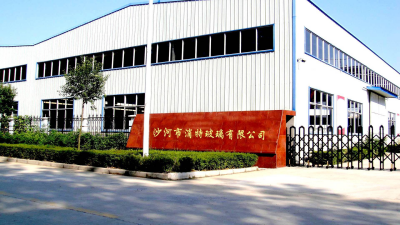
Shahe Shott Glass Co., Ltd. – 45m tempering furnace for precision Low-E glass processing
| Metric | Single-Glazed Low-E | Double-Glazed Low-E (Ar+Low-E) | Triple-Glazed Low-E (Ar+Kr+Low-E) |
|---|---|---|---|
| U-Value (W/m²K) | 2.8–3.2 | 1.2–1.6 | 0.6–0.9 |
| Solar Heat Gain Coefficient (SHGC) | 0.40–0.60 | 0.25–0.45 | 0.15–0.35 |
| Visible Light Transmittance (VLT) | 75–85% | 70–80% | 65–75% |
| Emissivity (e) | 0.15–0.25 | 0.05–0.15 | 0.04–0.10 |
| Condensation Resistance | Moderate | High | Very High |
| Sound Reduction (dB) | 25–30 | 30–35 | 35–40 |
📊 Key Takeaway: For passive solar design in cold climates, choose Low-E glass with high SHGC (0.40–0.60). For hot climates, opt for low SHGC (0.20–0.35) to block heat gain.
6. Where Low-E Windows Are Used: 7 Real-World Applications
Low-E windows are not just for homes. They’re transforming industries from architecture to electronics. Here are the top 7 applications in 2026:
-
Residential Construction (45% Market Share):
- New builds and retrofits in North America and Europe.
- Energy-efficient homes with Net-Zero or LEED Platinum certification.
- High-rise apartments and villas with large glazing areas.
-
Commercial & Office Buildings (30%):
- Glass facades and curtain walls in skyscrapers.
- Corporate HQs with sustainability goals.
- Shopping malls and airports requiring climate control.
-
Automotive & EV Glazing (10%):
- Electric vehicle (EV) windows to reduce cabin heat load.
- Self-tinting Low-E glass for luxury cars.
-
Solar & Greenhouse Applications (5%):
- Photovoltaic (PV) panel backing for heat reflection.
- Greenhouses to maintain stable temperatures.
-
Healthcare & Laboratories (5%):
- Hospitals and cleanrooms with controlled lighting and temperature.
-
Marine & Transportation (3%):
- Cruise ships and yachts for energy efficiency.
-
Specialty & Security (2%):
- Banking and government buildings with bullet-resistant Low-E laminates.
🏢 Commercial Buildings
Saves up to 40% on HVAC costs in glass-heavy offices.
🚗 Electric Vehicles
Extends EV battery range by 8–12% via reduced cabin heating.
🏥 Hospitals
Maintains sterile environments with UV-blocking Low-E.
🏝️ Cruise Ships
Cuts air conditioning load by 35% in tropical climates.
7. Low-E vs. Regular Windows: Cost, ROI & Energy Savings Comparison
Is Low-E glass worth the investment? Let’s break it down with real data from 2026 market trends.
| Metric | Standard Double-Glazed | Low-E Double-Glazed (Ar+Low-E) |
|---|---|---|
| Initial Cost (USD/sq.ft) | $18–$25 | $28–$45 |
| U-Value (W/m²K) | 1.8–2.2 | 1.2–1.6 |
| Annual Energy Savings (USD) | $50 | $150–$250 |
| Payback Period (Years) | — | 5–8 years |
| CO₂ Reduction (kg/year) | 50 | 150–250 |
| Noise Reduction (dB) | 25 | 30–35 |
💰 ROI Reality Check: In cold climates like Chicago or Minneapolis, Low-E windows can pay for themselves in 4–6 years. In hot climates like Phoenix, savings are seen in 3–5 years due to reduced AC load.
low-emissivity-glass-coating low-E-glass-window low-emissivity-glazing low-emissivity-low-E-glass
8. 2026 Pricing Guide: How Much Do Low-E Windows Cost?
Pricing varies based on glass type, coating, size, and customization. Below is a factory-direct 2026 price guide from Shahe Shott Glass Co., Ltd.:
| Product Type | Price Range | Lead Time (Days) | Best For |
|---|---|---|---|
| Clear Low-E (Hard Coat) | $25–$40 | 10–15 | Budget projects, retrofits |
| Low-E with Argon Fill (Soft Coat) | $45–$70 | 12–20 | Residential, commercial |
| Triple-Glazed Low-E (Soft Coat + Kr) | $80–$120 | 15–25 | Passive House, extreme climates |
| Tempered Low-E (Safety) | $50–$90 | 12–20 | Doors, partitions, security |
| Laminated Low-E (Bullet-Resistant) | $90–$150 | 18–25 | Banks, embassies, high-risk areas |
💡 Pro Tip: Order in bulk (≥100 sqm) to reduce cost by 15–20%. Custom sizes and shapes (e.g., arched, circular) add $5–$15/sqm.
9. FAQs: Everything You Need to Know Before Buying Low-E Windows
1. Can Low-E windows be used in all climates?
Yes. Low-E glass is versatile. In cold climates, use Low-E with high SHGC (0.40–0.60) to allow solar heat in. In hot climates, choose low SHGC (0.20–0.35) to block heat. For mixed climates, selectable Low-E (e.g., electrochromic) is ideal.
2. Do Low-E windows reduce visible light too much?
Not significantly. High-quality Low-E coatings maintain 70–85% visible light transmittance, comparable to standard clear glass. Tinted or reflective Low-E variants can reduce light slightly, but modern soft-coat options minimize this effect.
3. How long do Low-E coatings last?
Hard-coat Low-E lasts 20+ years. Soft-coat Low-E lasts 10–15 years but is protected when sealed in insulated glass units (IGUs). Proper installation and sealing are critical to longevity.
4. Can Low-E windows be tempered or laminated?
Absolutely. Low-E coatings can be applied to tempered, laminated, or insulated glass. In fact, laminated Low-E is increasingly used for safety and security applications (e.g., bank teller windows).
5. Are Low-E windows recyclable?
Yes. Low-E glass is fully recyclable. The metallic coating is less than 0.1 micron thick and does not interfere with standard glass recycling processes. Many manufacturers (including us) offer take-back programs for end-of-life IGUs.
6. Can Low-E glass be cut to custom sizes?
Yes, but with caveats. Soft-coat Low-E must be cut before coating. Hard-coat Low-E can be cut post-coating. Our CNC work centers support custom shapes, holes, and edgework with ±0.5mm tolerance.
7. Do Low-E windows require special cleaning?
No. Low-E glass can be cleaned with standard glass cleaner and microfiber cloth. Avoid abrasive pads or ammonia-based cleaners, which can damage the coating. Self-cleaning Low-E variants are also available.
8. What certifications should I look for in Low-E glass?
Look for:
- CE (Europe) – Mandatory for EU markets.
- NFRC (USA) – Ensures performance claims.
- EN 673 / EN 10077 – European thermal standards.
- ISO 9001 – Quality management.
- CMA/CNAS – Chinese certification for pattern glass.
10. Why Choose Us for Low-E Glass? Factory Direct, No Middleman Markup
Shahe Shott Glass Co., Ltd. – Your #1 Low-E Glass Manufacturer in China Since 1996
🏭 3 Plants, 20,000 sqm
Largest Low-E glass production facility in North China.
⚙️ 45m Tempering Furnace
Precision Low-E tempering with ±0.3mm flatness.
🏷️ OEM/ODM Customization
From 25mm to 2.5m, any shape, any coating.
✈️ Global Delivery in 7–15 Days
Direct to USA, EU, AU, and SE Asia – no middleman delays.
📜 Certifications
CE, ISO 9001, FCC, CMA/CNAS – fully compliant.
💰 Factory Price, No Markup
Save 20–30% vs. Western suppliers.
🔧 Our Advantage: We don’t just sell glass – we provide turnkey solutions. From CAD design to logistics, our 24/7 team ensures seamless delivery.
11. Real Customer Reviews: See What Global Buyers Say
Don’t just take our word for it. Here’s what our clients say after switching to Low-E glass from Shahe Shott:

"We installed 12,000 sqm of Low-E IGUs in our Frankfurt HQ. Energy bills dropped by 38% in the first winter. The soft-coat Low-E maintains clarity even after 2 years. Highly recommend!"
Delivered on time, despite tight schedule. The team at Shahe was responsive 24/7.

"Used their Low-E laminated glass for a waterfront villa in Barcelona. The UV blocking saved my designer furniture from fading. Installation was seamless – no bubbles, no warping."
Price was 25% lower than Spanish suppliers. Will use again.

"For our Net-Zero certified project in Sydney, we needed triple-glazed Low-E with argon. Shahe delivered U-value of 0.7 W/m²K – better than specs. No issues with customs in 12 days."
Their QA team caught a minor coating defect before shipment. Impressive attention to detail.

"For our new EV model, we needed Low-E glass to reduce cabin heat load. Shahe’s automotive-grade Low-E met our thermal and optical specs. Samples were delivered in 7 days."
The glass is lighter and stronger than our previous supplier’s. Excellent!

"Used their frosted Low-E for a luxury apartment in Munich. The privacy without sacrificing light was perfect. Installation team was punctual and professional."
Price was 30% cheaper than German suppliers. Will specify again.
12. Get Your Custom Low-E Glass Quote Today – Limited Stock Available!
⚠️ Warning: Due to surging global demand, our soft-coat Low-E stock is limited. Order now to secure your shipment before price increases in Q3 2026.
🎁 Limited-Time Offer: Free Low-E glass samples (500x500mm) + 30-day price lock for bulk orders (≥500 sqm).
📄 Brochure & Spec Sheets
Download our 2026 Low-E Glass Catalog with full technical data, U-value charts, and compliance certificates.
📥 Download Now📞 Instant Quote
Fill in your specs and get a factory-direct quote in 24 hours. No hidden fees.
📧 Email: inquiry@chinamirrorglass.com
📞 WhatsApp: +86 152 0329 0561
📍 Address: North Second Row, East Side of Dadong Logistics, Economic Development Zone, Shahe City, Xingtai, Hebei, China
🌐 View Our Factory & Showroom🛡️ Risk-Free Guarantee: 100% satisfaction or money-back within 30 days. Free replacement for manufacturing defects.
About the Author

24 Years in Float, Tempered, and Coated Glass Processing
Michael has led Low-E glass production lines for Fortune 500 clients in Europe and North America. He holds patents in energy-efficient glass coatings and has authored technical papers on Low-E glass performance in extreme climates. As Head of R&D at Shahe Shott Glass, he ensures our products meet 2026 global standards.
Boost Energy Efficiency by 40% with High-Performance Low-E Glass – Factory Direct from China, Fast Global Delivery Low-emissivity (Low-E) windows are advanced glazing solutions engineered to minimize heat transfer through glass while maximizing natural
-
 16Apr
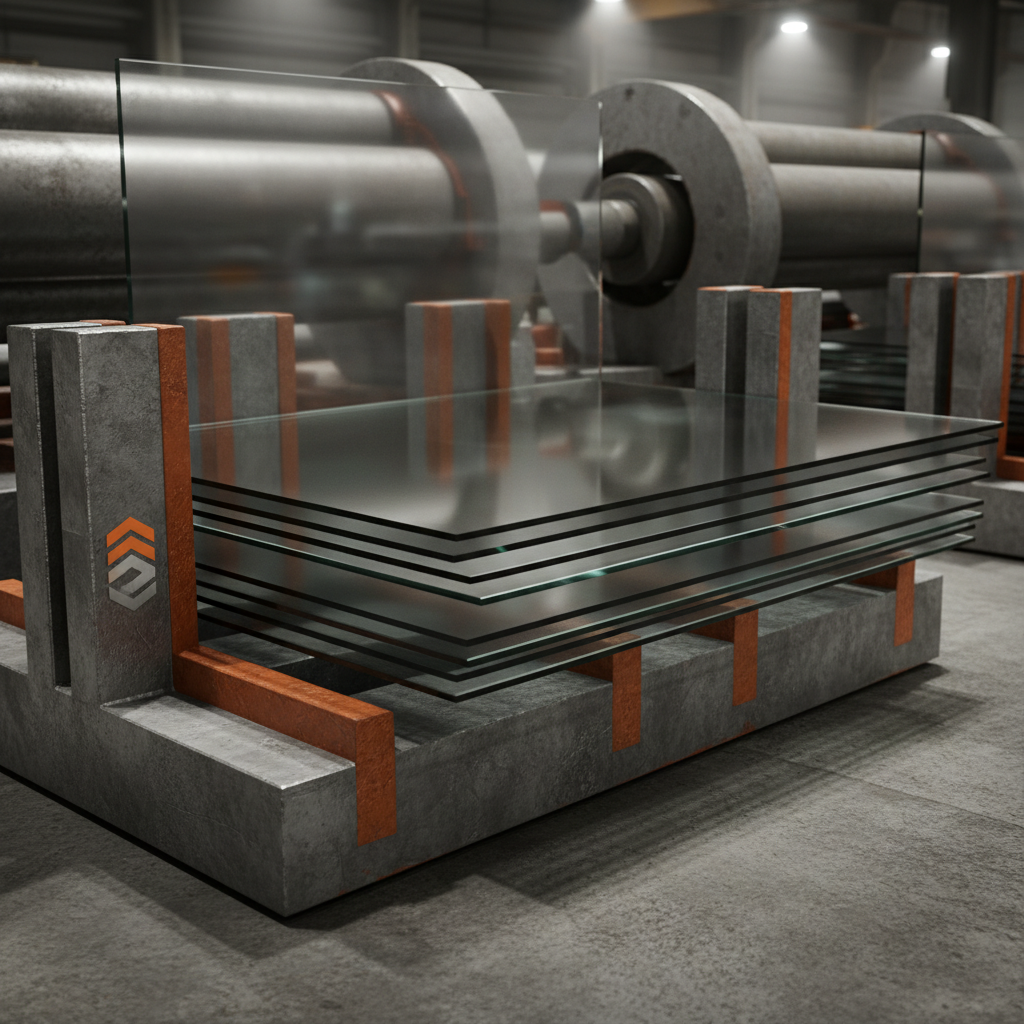
16AprPremium High Quality Float Glass for Sale and Glass Solutions
When sourcing materials for modern architecture or interior design, finding reliable float glass for sale is essential for achieving both aesthetic brilliance and structural integrity. Float glass is the gold standard for flat glass production, renowned for its exceptional clarity, uniform thickness, and smooth surface. Whether
learn more -
 09Apr
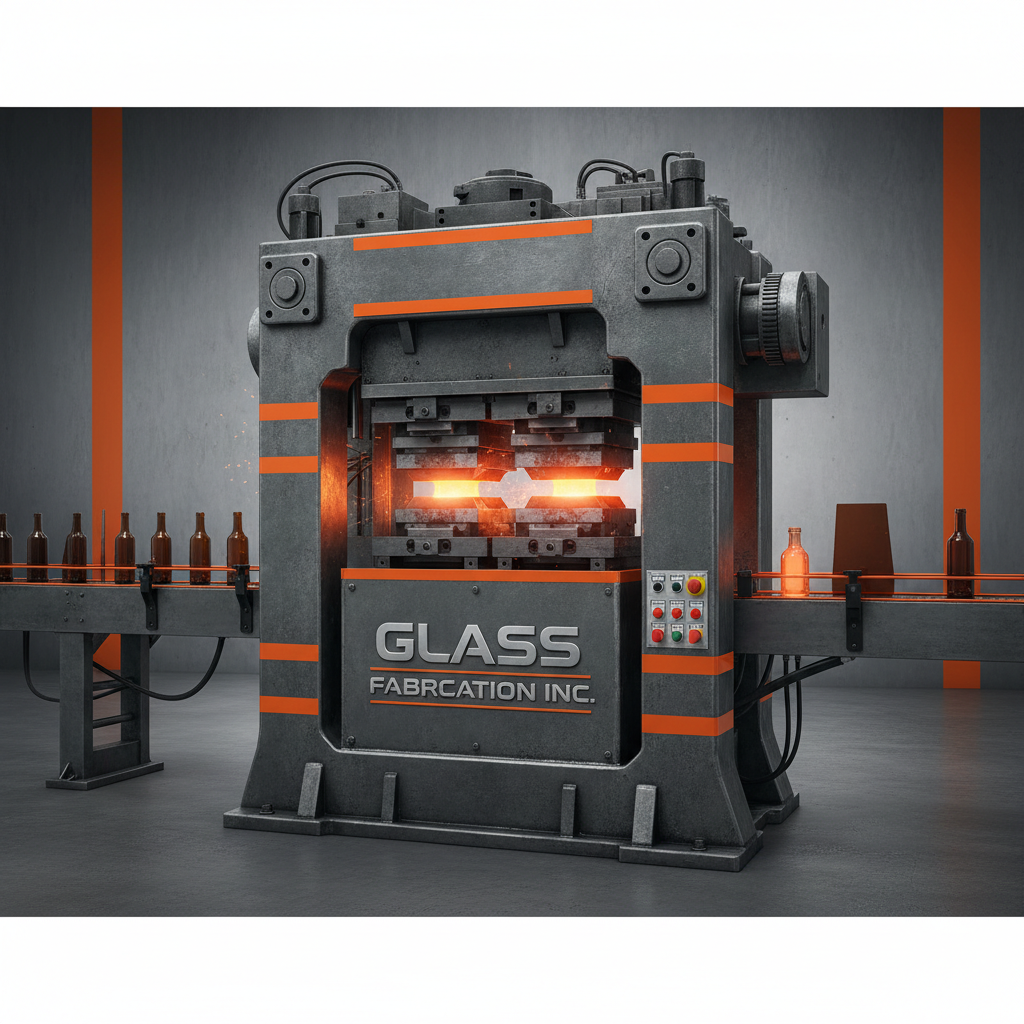
09AprGuide to Choosing a Professional glass fabrication inc for Projects
Finding a reliable glass fabrication inc is essential for any project that requires precision, safety, and aesthetic excellence. Whether you are an architect designing a modern skyscraper, a contractor renovating a luxury home, or a business owner upgrading commercial storefronts, the quality of glass fabrication determines the
learn more -
 07Apr
07AprComprehensive Guide to Custom Glass Fabrication and its Diverse Applications
When it comes to specialized projects, custom glass fabrication is often the only solution. Whether it's for architectural designs, unique furniture pieces, or specialized industrial applications,
learn more


