
Cut Energy Bills by 30% with Low Emissivity Coating—Factory-Direct Pricing from China's Leading Glass Processor
Reduce HVAC costs, enhance thermal comfort, and meet green building codes with high-performance low-E coated glass—delivered within 15 days with zero MOQ
Table of Contents
- What Is Low Emissivity (Low-E) Coating?
- Why Choose Low-E Glass for Your Next Project?
- How Low-E Coatings Work: Technical Deep Dive
- Low-E vs. Standard Glass: A Cost & Performance Comparison
- Top 7 Applications Where Low-E Glass Delivers Maximum ROI
- Low-E Glass Specifications & Compliance Standards
- Why Partner with Shahe Shott Glass for Low-E Coating?
- Frequently Asked Questions About Low-E Glass
- Real-World Success Stories: What Our Clients Say
What Is Low Emissivity (Low-E) Coating?
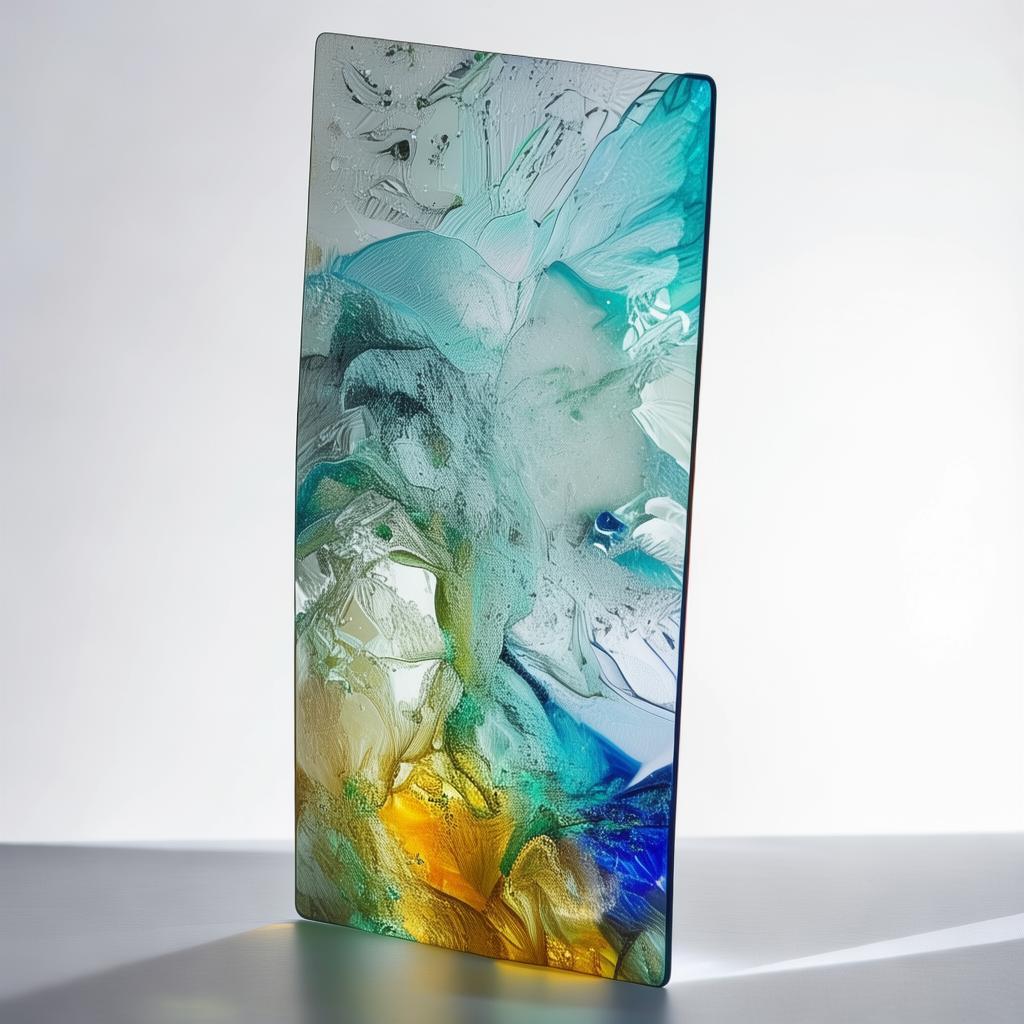
Low-emissivity (Low-E) coating is a microscopically thin, metallic or dielectric layer applied to glass surfaces to reduce heat transfer while maintaining high visible light transmission. Think of it as invisible armor for your windows—it reflects long-wave infrared energy (heat) back toward its source while allowing short-wave visible light to pass through.
This technology isn’t new. In fact, NASA pioneered Low-E coatings in the 1960s to protect astronauts from extreme temperature fluctuations in space capsules. Today, it’s a cornerstone of energy-efficient architecture, used in everything from skyscrapers to residential homes.
Key characteristics:
- Emissivity: Measures how well a surface radiates heat. Low-E coatings typically have emissivity values below 0.15 (standard glass: ~0.84).
- Visible light transmittance (VLT): Ranges from 70% to 90%, depending on coating type.
- U-value: Measures heat transfer. Low-E glazing can achieve U-values as low as 0.25 W/m²K (standard double-glazing: ~2.7 W/m²K).
Why Choose Low-E Glass for Your Next Project?
If you’re still using standard float glass, you’re essentially throwing money out the window. Here’s why Low-E is a game-changer:
🔥 6 Pain Points Solved by Low-E Glass
1. Sky-High HVAC Costs
In commercial buildings, 30% of energy costs come from windows. Low-E coatings reduce solar heat gain by 40-50%, slashing cooling bills. See real savings.
2. Comfort Issues (Hot/Cold Spots)
Standard glass creates uncomfortable temperature gradients. Low-E glass maintains a consistent indoor temperature within ±2°C, eliminating complaints about drafts near windows.
3. Fading of Furniture & Artwork
UV rays (300-380nm) cause furniture discoloration. Low-E coatings block 99% of UV radiation, preserving interior aesthetics.
4. Failed Energy Certifications (LEED, BREEAM)
Many green building codes now require U-values ≤1.1 W/m²K. Standard glazing often fails this. Low-E meets even the strictest standards.
5. Condensation Problems
In humid climates, standard glass sweats. Low-E coatings raise the dew point, reducing condensation by up to 60%.
6. High Replacement Costs
Low-E glass lasts 20-30 years. Standard glass degrades faster due to thermal stress. Long-term ROI is 3-5x higher.
How Low-E Coatings Work: A Technical Breakdown
Low-E coatings use multi-layered thin-film technology to control heat flow. Here’s how it breaks down:
🔬 The Science Behind Low-E Coatings
-
🌞 Solar Control (Hard-Coat Low-E)
- Composition: Tin oxide (SnO₂) or indium tin oxide (ITO) applied via pyrolytic deposition (online coating).
- Function: Reflects 30-70% of solar heat while allowing visible light transmission.
- Best for: Hot climates, south-facing windows, and large glazing areas.
-
❄️ High-Performance Low-E (Soft-Coat Low-E)
- Composition: Silver (Ag) or dielectric layers applied via vacuum sputtering (offline coating).
- Function: Achieves U-values as low as 0.25 W/m²K. Reflects 90% of long-wave heat.
- Best for: Cold climates, insulated glass units (IGUs), and premium architectural projects.
🔄 Heat Transfer Mechanisms: Where Low-E Makes the Difference
| Heat Transfer Type | Standard Glass (%) | Low-E Glass (%) |
|---|---|---|
| Solar Heat Gain (SHGC) | ~84% | 20-50% |
| Visible Light Transmission | ~90% | 70-90% |
| Infrared Heat Rejection | ~10% | 80-90% |
| U-Value (W/m²K) | ~5.8 | 0.25-1.6 |
Low-E vs. Standard Glass: A Side-by-Side Comparison
To illustrate the economic and performance gap, let’s compare a 1,000 m² commercial building in Phoenix, AZ (cooling-dominated climate):
| Metric | Standard Double-Glazing | Low-E Double-Glazing (Soft-Coat) | Difference |
|---|---|---|---|
| U-Value (W/m²K) | 2.7 | 1.1 | 59% lower |
| SHGC | 0.7 | 0.35 | 50% reduction |
| Annual Cooling Costs | $4,200 | $1,800 | $2,400 saved |
| Payback Period | N/A | 3.2 years | ✅ |
| CO₂ Reduction (Annual) | 0 kg | 12,000 kg | 🌱 |
Top 7 Applications Where Low-E Glass Delivers Maximum ROI
Low-E Glass Specifications & Industry Standards
Not all Low-E glass is created equal. Here’s what you need to know to avoid costly mistakes:
| Property | Hard-Coat Low-E | Soft-Coat Low-E | Typical Range |
|---|---|---|---|
| Emissivity | 0.15-0.20 | 0.03-0.05 | Lower = Better |
| Visible Light Transmittance | 70-85% | 75-90% | Higher = Brighter |
| SHGC (Solar Heat Gain Coefficient) | 0.40-0.65 | 0.20-0.45 | Depends on climate |
| U-Value (W/m²K) | 1.6-2.0 | 0.25-1.1 | Lower = More Insulating |
| UV Block | 85-95% |
Reduce HVAC costs, enhance thermal comfort, and meet green building codes with high-performance low-E coated glass—delivered within 15 days with zero MOQ Low-emissivity ( Low-E ) coating is a microscopically thin, metallic or dielectric Related News
|