

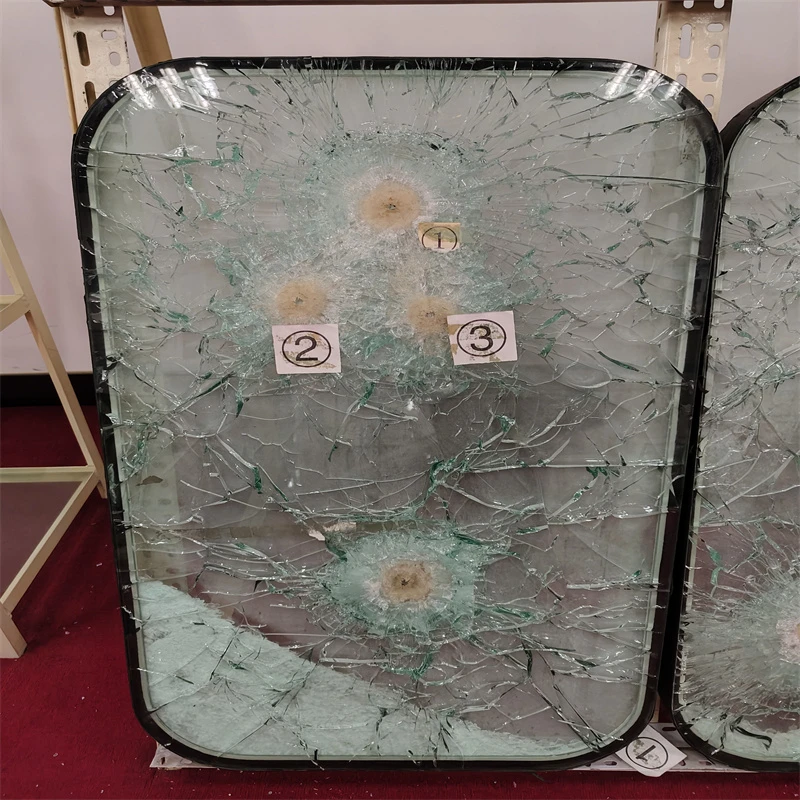
Types Of Bulletproof Glass
Article Outline
- H1: High-Performance Types of Bulletproof Glass: The Definitive Procurement Guide for 2026
- H2: The High Stakes of Security Glazing: Why Most "Ballistic Glass" Fails
- H2: Decoding the Types of Bulletproof Glass: Technical Analysis
- H3: Laminated Ballistic Glass (The Industry Standard)
- H3: Polycarbonate-Layered Security Glass
- H3: Transparent Ceramic Composites (Advanced Armor)
- H2: Technical Specifications & Ballistic Rating Comparison (NIJ/EN 1063)
- H2: Real-World Application Scenarios: Matching Glass to Threat Levels
- H2: Procurement Pitfalls: Avoiding Overpayment and Under-protection
- H2: Why SHAHE SHOTT GLASS is the Strategic Partner for OEM/ODM Security Glazing
- H2: FAQ: Expert Insights on Ballistic Glass Installation and Maintenance
Secure Your Assets with Premium Types of Bulletproof Glass: Industrial-Grade Protection with 24h Rapid Quoting
Eliminate the risk of ballistic failure. We provide OEM/ODM precision-engineered security glazing for Corporate Purchasing Managers and Technical Directors who demand zero-compromise safety and ROI.
Get Free Technical Quote in 24h →The High Stakes of Security Glazing: Why Most "Ballistic Glass" Fails
In the security industry, "almost" is a failure. When you are sourcing types of bulletproof glass for a government facility, a bank, or a high-profile corporate office, you aren't just buying glass—you are buying time and survival.
The "Price Trap": Many suppliers offer low-cost alternatives that claim ballistic resistance but fail under repeated impacts due to poor interlayer bonding. Delamination occurs within 24 months, rendering the glass useless.
Logistics Nightmares: Bulletproof glass is incredibly heavy. Poorly managed shipping leads to edge chipping or total breakage during transit, delaying projects by weeks.
Compliance Gaps: Using glass that doesn't meet NIJ (National Institute of Justice) or EN 1063 standards can lead to legal liability and insurance voids for the facility owner.
Expert Tip: Always ask for the specific test report of the batch, not a generic factory certificate. A 0.5mm variance in interlayer thickness can be the difference between a stop and a penetration.
Decoding the Types of Bulletproof Glass: Technical Analysis
1. Laminated Ballistic Glass (The Industry Standard)
This is the most common of the types of bulletproof glass. It consists of multiple layers of tempered or heat-strengthened glass bonded with a clear polymer interlayer, typically PVB (Polyvinyl Butyral) or SentryGlas (Ionoplast).
The mechanism is simple but effective: the hard glass layers shatter the projectile and absorb energy, while the flexible interlayer catches the fragments and prevents the bullet from penetrating. According to the Laminated Glass Market Report, this segment is growing at a CAGR of 9.5% due to stringent safety regulations.
- Pros: Excellent clarity, high scratch resistance, cost-effective for mid-level threats.
- Cons: Heavier than composites; can be prone to delamination if edges aren't sealed.
2. Polycarbonate-Layered Security Glass
For applications where weight is a critical factor (like armored vehicles or rapid-deployment shields), we integrate polycarbonate (PC) sheets into the glass stack. Polycarbonate is a thermoplastic that is virtually unbreakable.
In this configuration, the glass handles the "hard" impact and scratch resistance, while the PC layer provides the "toughness" to prevent spalling (fragments of glass flying inward). This hybrid approach significantly reduces the total thickness compared to pure glass laminates.
- Pros: Superior impact resistance, lighter weight, reduced spalling.
- Cons: Polycarbonate scratches easily; requires a hard-coat finish for architectural use.
3. Transparent Ceramic Composites (Advanced Armor)
Reserved for the highest threat levels (e.g., armor-piercing rounds), these involve Alumina or Spinels. These materials are significantly harder than standard glass and can deflect high-velocity projectiles more efficiently.
These are typically used in specialized military applications or extreme-risk diplomatic zones. They represent the pinnacle of the types of bulletproof glass in terms of strength-to-weight ratio.
- Pros: Stops armor-piercing (AP) rounds, lowest thickness for highest protection.
- Cons: Extremely expensive, complex manufacturing process.
Ballistic Performance Comparison Table
| Glass Type | Typical Thickness | NIJ Rating | Primary Use Case | Weight Factor |
|---|---|---|---|---|
| Laminated PVB | 19mm - 40mm | Level II / III | Jewelry Stores, Banks | High |
| Glass + Polycarbonate | 25mm - 60mm | Level III / IV | Armored Cars, Embassies | Medium |
| Ceramic Composite | 50mm+ | Level IV+ (AP) | Military / High-Risk | Low (relative) |
Real-World Application Scenarios: Matching Glass to Threat Levels
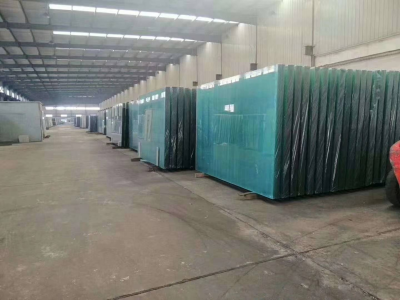
Retail & Financial Institutions
Requirement: Deterrence and protection against handguns (9mm, .45 ACP).
Recommendation: Laminated PVB (NIJ Level II). Focus on clarity and scratch resistance for high-traffic areas.
Armored Transport & VIP Vehicles
Requirement: High impact resistance, low weight to maintain vehicle performance.
Recommendation: Glass-Polycarbonate Hybrids. Must be curved and precision-cut using CNC waterjets.
Government & Diplomatic Facades
Requirement: Protection against high-powered rifles and explosive blasts.
Recommendation: Multi-layered Ceramic Composites (NIJ Level IV) combined with blast-resistant frames.
ballistic-laminate ballistics-glass anti-bullet-glass toughened-laminated-glass
Trusted by Global Security Integrators




 Mark S., Security Director (USA)
"We switched to SHAHE SHOTT for our regional bank rollout. The lead time was 30% faster than our previous US supplier, and the NIJ Level III certification was flawless."
 Elena R., Procurement Mgr (EU)
"Precision is everything. Their Intermac CNC work center ensures that the glass fits our custom frames perfectly, reducing on-site installation time by 2 days per unit."



Procurement Pitfalls: Avoiding Overpayment and Under-protection
As an experienced supplier, I've seen purchasing managers make the same three mistakes. Avoid these to protect your budget and your people:
- Over-specifying: Buying Level IV protection for a retail store where Level II is sufficient. This increases costs and weight unnecessarily.
- Ignoring "Spall": Some cheap types of bulletproof glass stop the bullet but send a shower of glass shards into the room. Always insist on a non-spalling interior layer.
- Neglecting Frame Compatibility: Bulletproof glass is heavy. If your frames aren't reinforced for the specific weight of the glass type, the glass will sag or the frame will collapse under its own weight.
Why SHAHE SHOTT GLASS is the Strategic Partner for OEM/ODM Security Glazing
28 Years of Mastery: Since 1996, we have evolved from a family shop to a global powerhouse. We don't just sell glass; we engineer security.
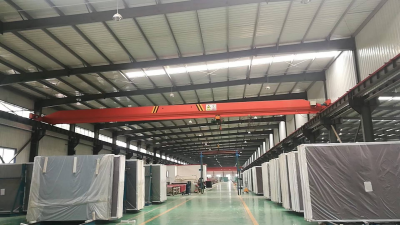
Unmatched Infrastructure: With 3 plants totaling 20,000sqm, we house:
- 45m-long tempering furnaces for massive panels.
- Intermac CNC work centers for micron-level precision.
- Advanced PVB and EVA laminating lines for ballistic bonding.
Our One-Stop Advantage: We handle everything from acid surface processing to precision cutting and global logistics. You deal with one point of contact, reducing communication errors by 50%.
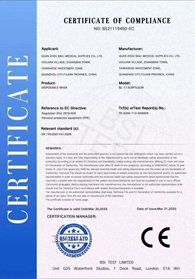
Compliant & Certified: Our products surpass GB15763.2-2005, with FCC and UL certified components, ensuring seamless entry into USA and European markets.
FAQ: Expert Insights on Ballistic Glass
Q: How do I choose between the different types of bulletproof glass?
A: Start with a Threat Assessment. Identify the most likely weapon used in your region. For general urban crime, NIJ Level II or III (Laminated) is standard. For high-risk government zones, Level IV (Ceramic/Polycarbonate) is required.
Q: Does bulletproof glass expire or degrade?
A: While the glass itself doesn't "expire," the interlayers can delaminate over 10-15 years if exposed to extreme UV or moisture. We use high-grade PVB and edge-sealing to extend this lifespan significantly.
Q: Can you provide OEM/ODM customization for non-standard shapes?
A: Yes. Using our Intermac CNC and waterjet cutting technology, we can produce any geometry, including curved glass for armored vehicles, with tolerances within 0.5mm.
Q: How do you handle shipping for such heavy materials to the USA/Europe?
A: We use reinforced sea-worthy crates with shock-absorbing foam and moisture-proof wrapping. We provide full DDP/CIF options to simplify your customs process.
Q: What is the lead time for a custom bulk order?
A: Typically, precision processing takes 15-25 days depending on the complexity. However, our high-speed delivery pipeline often reduces this for standard sizes.
Ready to Upgrade Your Facility's Security?
Don't leave your safety to chance. Get a free sample or a detailed technical consultation today.
*Limited production slots available for Q3 2026. Secure your delivery window now.
Client Feedback
"The clarity of the ballistic glass is impressive. Usually, you get a green tint with thicker glass, but SHAHE SHOTT's ultra-clear options are a game-changer for our showroom."
 James L., Luxury Retail Owner (UK)
"Working with their technical team was seamless. They corrected our initial design flaw regarding the glass weight before we went into production, saving us thousands in frame replacements."
 Sarah W., Architect (Canada)
"Reliable, fast, and certified. The shipping to Australia was handled perfectly—no chips, no cracks, and all paperwork for customs was spot on."
 David K., Security Consultant (AUS)
Eliminate the risk of ballistic failure. We provide OEM/ODM precision-engineered security glazing for Corporate Purchasing Managers and Technical Directors who demand zero-compromise safety and ROI . In the security industry, "almost" is a failure.
-
 16Apr
16AprPremium High Quality Float Glass for Sale and Glass Solutions
When sourcing materials for modern architecture or interior design, finding reliable float glass for sale is essential for achieving both aesthetic brilliance and structural integrity. Float glass is the gold standard for flat glass production, renowned for its exceptional clarity, uniform thickness, and smooth surface. Whether
learn more -
 09Apr
09AprGuide to Choosing a Professional glass fabrication inc for Projects
Finding a reliable glass fabrication inc is essential for any project that requires precision, safety, and aesthetic excellence. Whether you are an architect designing a modern skyscraper, a contractor renovating a luxury home, or a business owner upgrading commercial storefronts, the quality of glass fabrication determines the
learn more -
 07Apr
07AprComprehensive Guide to Custom Glass Fabrication and its Diverse Applications
When it comes to specialized projects, custom glass fabrication is often the only solution. Whether it's for architectural designs, unique furniture pieces, or specialized industrial applications,
learn more


