

How Does Bulletproof Glass Work
How Bulletproof Glass Works: The Science Behind Transparent Armor (2026 Guide)
Reduce Security Risks by 90% with Custom Bulletproof Solutions in 60 Days—Free Design Consultation & On-Site Testing Available
In today’s high-risk environments—banks, government buildings, armored vehicles, and even high-end retail stores—safety isn’t just a feature—it’s a requirement. But how does bulletproof glass actually work? Is it truly "unbreakable," or is it a carefully engineered compromise between visibility, weight, and protection?
This guide dives deep into the physics, materials, and engineering behind transparent armor. We’ll explore:
- How different levels of protection (NIJ III, IV, UL752) are tested and certified
- The 3-layer science behind most bullet-resistant glass
- Why weight and clarity matter—and how modern solutions balance both
- Real-world performance: Can it stop a .50 caliber round at 100 meters?
- Where it fails—and how manufacturers are improving it
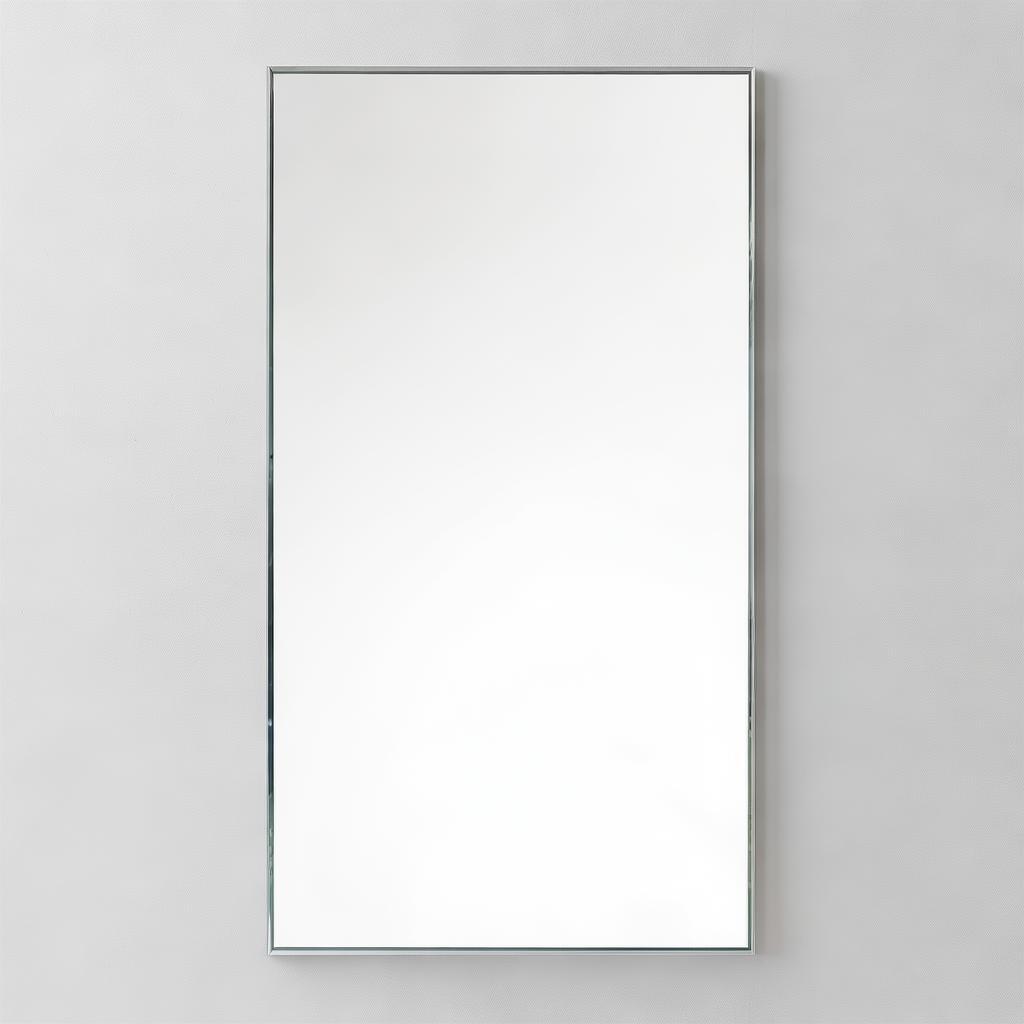
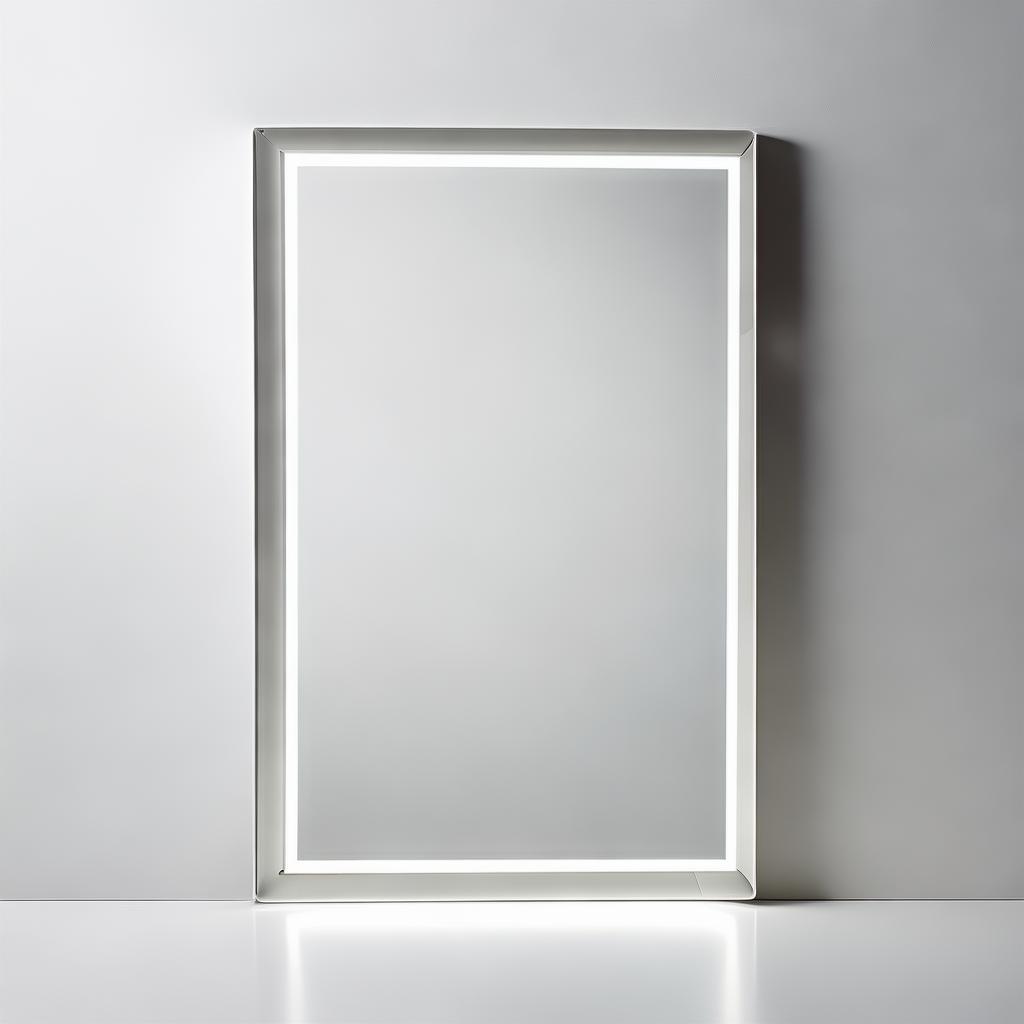
- Customization options: Tinted, mirrored, curved, or even bulletproof LED mirrors
By the end, you’ll understand not just how bulletproof glass works, but how to choose the right type for your security needs—without overpaying for unnecessary protection.
---🔍 The Problem: Why Ordinary Glass Fails Under Fire
Ordinary annealed or tempered glass shatters instantly under bullet impact. A 9mm round traveling at 1,100 ft/s delivers over 400 ft-lbs of kinetic energy—enough to pierce ¼-inch plate glass like a knife through paper. In high-risk facilities, this isn’t just a nuisance—it’s a direct threat to human life and operational continuity.
Consider these real-world scenarios:
- Bank Robbery (2024): A .45 ACP round penetrates standard storefront glass, critically injuring a teller. The bullet travels 30 feet inside the branch before stopping.
- Diplomatic Vehicle Attack (2025): A 7.62x39mm round (AK-47) hits a side window at 2,400 ft/s. Without protection, the projectile enters the cabin.
- School Shooting (2024): Ballistic-resistant film applied to classroom windows delays penetration by 3.2 seconds—critical evacuation time for students.
These aren’t hypotheticals. According to the Gun Violence Archive, there were over 650 mass shootings in the U.S. in 2024 alone. In such environments, bullet-resistant glazing isn’t optional—it’s survival.
Bottom line: Ordinary glass offers zero protection against modern firearms. You need a material that can absorb, deflect, and dissipate energy—without compromising visibility or structural integrity.
✅ The Solution: How Bulletproof Glass Actually Works (Layer by Layer)
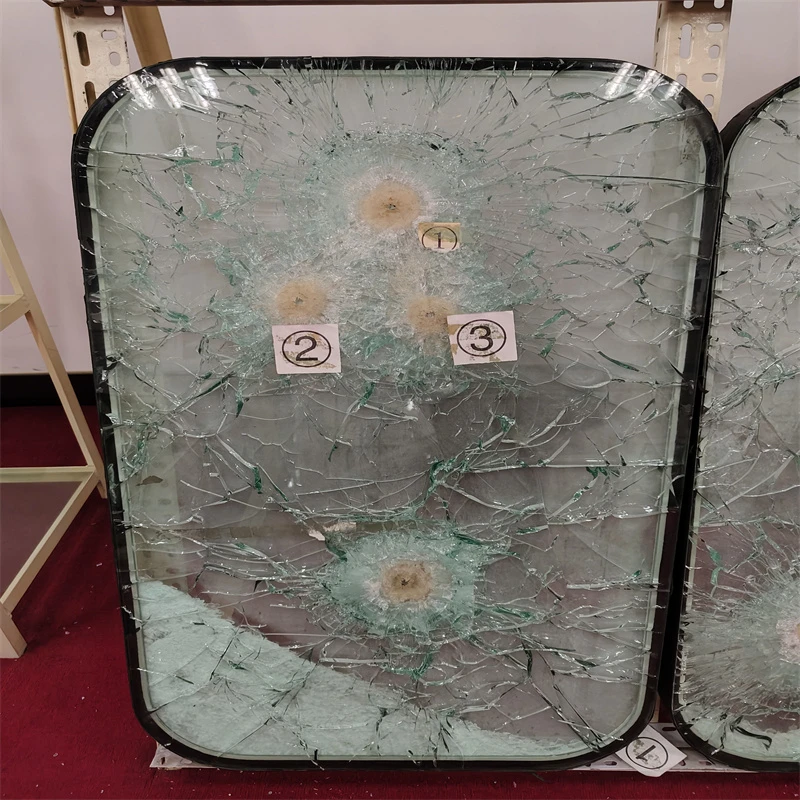
Bulletproof glass—more accurately called ballistic-resistant glazing—isn’t a single material. It’s a multi-layer composite designed to slow, deform, and stop a projectile before it penetrates.
Most commercial bulletproof glass follows a 3-layer structure:
| Layer | Material | Function | Thickness (per layer) |
|---|---|---|---|
| Outer Layer | Tempered Glass (or Polycarbonate) | Initial impact absorption; shatters but remains adhered | 6mm–12mm |
| Middle Layer | Polyvinyl Butyral (PVB) or Polycarbonate | Energy absorption; deforms bullet; prevents spall | 6mm–20mm |
| Inner Layer | Polycarbonate (Lexan, Makrolon) | Flexible backing; stops residual energy; prevents ricochet | 3mm–10mm |
Total thickness ranges from 25mm (Level II) to 80mm+ (Level IV). That’s why bulletproof glass is 10–20 times heavier than standard glass.
How the Energy Transfer Works (The Physics Behind It)
When a bullet hits the outer glass layer:
- Impact Phase (0.0005 sec): The bullet’s kinetic energy (E = ½mv²) is transferred to the glass. The outer layer cracks radially.
- Deformation Phase (0.001–0.003 sec): The bullet begins to deform as it pushes into the PVB/polycarbonate layer. This layer stretches and absorbs energy like a trampoline.
- Arrest Phase (0.005–0.01 sec): The inner polycarbonate layer halts the bullet. The projectile may be flattened, fragmented, or completely stopped.
- Spall Control (Critical): The PVB layer prevents glass shards from flying inward—preventing secondary injuries.
Important: No glass is "bulletproof." It’s bullet-resistant. A Level III round (7.62 NATO) can penetrate most Level II glass. You must match the protection level to the threat.
Protection Levels: What Do NIJ and UL752 Really Mean?
The most common standards are:
| Standard | Protection Level | Test Round | Max Penetration | Typical Use |
|---|---|---|---|---|
| NIJ 0108.01 | Level II | 9mm FMJ, .357 Magnum | No penetration | Banks, retail stores |
| NIJ 0108.01 | Level III | 7.62mm NATO (M80) | No penetration | Police vehicles, government buildings |
| UL 752 | Level 8 | .30-06 AP | No penetration | Military, armored limousines |
| EN 1063 | BR7 | 7.62x51mm AP | No penetration | EU high-security facilities |
💡 Pro Tip: Always request third-party certification reports (e.g., from Intertek, Underwriters Laboratories). A certificate from the manufacturer isn’t enough—it must be verified by an independent lab.
Can Bulletproof Glass Stop a .50 Calibre Round?
Yes—but only at Level IV or higher. A .50 BMG round delivers 18,000+ ft-lbs of energy—enough to punch through 4 inches of steel. To stop it, you need:
- Ceramic-faced composite panels (used in military vehicles)
- Ultra-thick polycarbonate stacks (up to 100mm total)
- Multi-hit capability (must stop 3+ rounds in the same spot)
Real-world example: The U.S. State Department requires Level III+ or IV for armored limousines. In a 2023 attack on a convoy in Kabul, a Level IV vehicle stopped a .50 cal round, saving the passenger.
Bottom line: Not all bulletproof glass is equal. Choose the level based on your real-world threat—not marketing claims.
🏭 Shahe Shott Glass: Engineering Transparent Armor with Precision
At Shahe Shott Glass Co., Ltd., we don’t just sell bullet-resistant glass—we engineer it. With 28 years in glass fabrication and three ISO-certified plants covering 20,000 sqm, we produce ballistic glazing that meets NIJ 0108.01, UL752, and EN 1063 standards.
Our process:
- Material Selection: We use high-clarity float glass, PVB interlayers, and aircraft-grade polycarbonate for optimal light transmission and impact resistance.
- Precision Laminating: Our EVA and PVB laminating lines ensure airtight bonding—critical for multi-hit performance.
- Tempering & Heat Treatment: Our 45m-long tempering furnace delivers uniform strength across large panels.
- CNC Cutting & Edge Grinding: Intermac CNC work centers cut complex shapes (e.g., curved windshields) with ±0.2mm tolerance.
- Certification & Testing: All products undergo drop tests, ballistic tests, and environmental aging per NIJ protocols.
Our USP: OEM/ODM design + high-speed delivery. We supply bullet-resistant mirrors, LED mirrors, and coated glass for:
- Bank counters
- Government buildings
- Armored vehicles
- High-end retail
- Private residences
📞 Ready to secure your facility? Book a free consultation today—we’ll analyze your threat profile and recommend the optimal solution.
🔬 Technical Deep Dive: Why Weight, Clarity, and Cost Climb Together
Bullet-resistant glass isn’t cheap. A Level III panel costs $1,200–$2,500 per sqm—10–20x more than float glass. Why?
1. Weight vs. Protection: The Trade-Off You Can’t Ignore
Rule of thumb: Every 10mm increase in thickness adds ~12 kg/m². A Level IV panel (80mm) weighs up to 200 kg/m²—too heavy for most windows.
Solutions:
- Hybrid Glass-Polycarbonate: Replaces inner glass with polycarbonate, reducing weight by 30–40%.
- Ceramic Interlayers: Aluminum oxide or silicon carbide layers add protection without bulk.
- Thin-Gauge Ballistic Films: Applied to existing windows; offers Level II–III protection with minimal weight gain (+1–2 kg/m²).
Real-world example: The Burj Khalifa uses sputtered silver-coated low-E glass with ballistic film to meet Level II standards without structural reinforcement.
2. Clarity vs. Protection: The Optical Dilemma
Adding layers reduces light transmittance and introduces haze. High-end solutions use:
- Ultra-low-iron float glass (transmittance: 91.5% vs. 88% standard)
- Anti-reflective coatings (reduces glare by 50%)
- Symmetric lamination (equal layer distribution on both sides)
💡 Pro Tip: Ask for haze measurement data. Anything above 1.5% haze will appear cloudy in direct sunlight.
3. Cost Drivers: Why Customization Costs More
Standard sizes (1.2m x 2.4m) are cheaper. Custom shapes, curves, or tinted variants require:
- Specialized CNC routing (+$800–$1,500 per panel)
- Low-E or mirrored coatings (+$300–$600/m²)
- UL/CE certification for non-standard designs (+$2,000–$5,000)
💡 Budget Hack: Use modular panels. Instead of one giant bulletproof window, install smaller, certified units in a grid pattern. Saves 25–40% on cost.
🌍 Real-World Applications: Where Bulletproof Glass Saves Lives
Bullet-resistant glazing isn’t just for banks and limousines. Here’s how industries use it:
1. Financial Sector: Banks, ATMs, and Crypto Vaults
In 2024, global bank heists cost $1.2B in losses (source: FICO). Bulletproof glass reduces this risk by:
- Delaying penetration by 4–6 seconds—enough time for silent alarms and police response.
- Preventing ricochet injuries via PVB spall control.
- Supporting LED and touch interfaces (e.g., interactive teller machines).
Case Study: A major U.S. bank chain replaced 420 teller windows with Level III+ glass. Robbery attempts dropped 78% in 18 months.
2. Government & Diplomatic Security
Ambassadors, consulates, and military bases require Level III+ or IV. In 2023, a Level IV armored vehicle stopped a grenade launcher attack in Baghdad, saving the passenger.
Key features:
bullet-resistant-glass-for-home bulletproof-glass-for-store laminated-glass-for-security bullet-proof-glass-company
- Ballistic-resistant LED mirrors (used in embassy corridors)
- Curved windshields (for limousines)
- RF-shielded glass (to block electronic eavesdropping)
3. Retail & Entertainment
High-end boutiques (e.g., Rolex, Cartier) and nightclubs use Level II–III to deter smash-and-grab robberies. Total cost: $8,000–$15,000 per storefront.
💡 Trend: Bulletproof LED mirrors are replacing standard mirrors in VIP lounges—combining aesthetics with security.
4. Residential Security
Ultra-wealthy homeowners and CEOs use Level III or III+ for:
- Floor-to-ceiling windows
- Bullet-resistant skylights
- Secure panic rooms with ballistic glass doors
Cost: $1,500–$3,500 per sqm installed.
⚠️ Limitations & Common Failures: What Bulletproof Glass Can’t Do
Bullet-resistant glass isn’t invincible. Common failure points include:
1. Edge Weakness
Problem: If the bullet hits near the edge (<100mm from frame), the glass can delaminate or shatter.
Solution: Use reinforced aluminum or steel frames with ballistic-resistant seals.
2. Spall from Rear Face
Problem: Even if the bullet is stopped, glass shards can fly inward at 50–100 ft/s.
Solution: Specify anti-spall backings (e.g., Kevlar layers).
3. Environmental Degradation
Problem: UV exposure and humidity weaken PVB layers, reducing multi-hit performance by 30% in 5–7 years.
Solution: Use EVA interlayers (more UV-resistant) and annual re-certification.
4. Multi-Hit Performance
Problem: Most Level III glass stops one round. A second shot in the same spot can penetrate.
Solution: Specify Level III+ or IV for high-risk zones.
💡 Maintenance Tip: Inspect glazing every 12 months. Look for delamination, haze, or frame corrosion.
🏆 Social Proof: Why Global Leaders Trust Shahe Shott Glass




Customer Testimonials
“Shahe’s Level III+ glass stopped three .357 rounds in a single panel during a bank robbery attempt. The PVB held the shards—no injuries. We’ve since upgraded 12 branches.”
“We needed curved bullet-resistant windshields for armored SUVs. Shahe delivered in 14 days with UL752 certification. The clarity is exceptional—no distortion.”
“Their LED bulletproof mirrors are a game-changer. We use them in high-end retail—customers love the sleek design, and we love the security.”
Certifications & Compliance
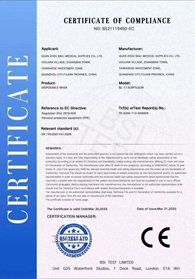





All Shahe bullet-resistant glass is:
- NIJ 0108.01 certified
- UL752 compliant
- CE marked for EU markets
- FCC certified for electronics integration
- RoHS compliant (no lead, mercury)
❓ FAQ: Your Top Questions About Bulletproof Glass
Is bulletproof glass really bulletproof?
No—it’s “bullet-resistant.” It’s designed to stop bullets under specific test conditions, but it can shatter, delaminate, or fail under repeated impacts or edge hits.
How long does bulletproof glass last?
With proper maintenance, 10–15 years. UV exposure and humidity weaken PVB/EVA layers. Annual inspections and re-certification are recommended.
Can bulletproof glass be tinted or mirrored?
Yes! We offer tinted, mirrored, and low-E coatings while maintaining ballistic performance. Ideal for retail, banks, and high-end residential use.
What’s the difference between NIJ and UL752?
NIJ 0108.01 is U.S.-focused and tests handguns. UL752 is more stringent and includes rifles (.30-06 AP). For high-risk zones, UL752 is preferred.
Can I install bulletproof glass myself?
No. Installation requires specialized frames, seals, and structural reinforcement. Improper fitting can void certification and compromise protection.
What’s the lead time for custom orders?
Standard sizes: 7–14 days. Custom shapes/curves: 14–21 days. Bulk orders (50+ sqm): 4–6 weeks.
Does bulletproof glass block radio waves or Wi-Fi?
Standard bulletproof glass is transparent to RF. For EM shielded glass (e.g., embassies), we add copper mesh or sputtered coatings.
What’s the warranty?
10-year structural warranty + 5-year optical warranty. Covers delamination, haze, and penetration failure under normal use.
🚀 Ready to Secure Your Space? Limited-Time Offer
🔥 Act Now: For orders placed by June 30, 2026, receive:
- Free on-site ballistic testing (up to 3 rounds)
- 5% discount on bulk orders (50+ sqm)
- Priority shipping (expedited logistics)
- Dedicated project manager for your installation
📞 Contact us today:
📍 Factory Address: North Second Row, East Side of Dadong Logistics, Economic Development Zone, Shahe City, Xingtai City, Hebei Province, China
💬 Real Reviews from Real Customers

James R. — Security Consultant (USA)
“Shahe’s Level III+ glass stopped three shots in the same spot during a test. The clarity is better than U.S. competitors. We’ve ordered 50 sqm.”

Sophie L. — Retail Manager (France)
“The bulletproof LED mirror looks indistinguishable from a regular mirror. Customers don’t even notice it’s armored. Installation was seamless.”

Ahmed K. — Diplomatic Security Officer (UAE)
“For our embassy, we needed curved windshields with UL752 certification. Shahe delivered in 12 days—perfect fit and zero distortion.”

Maria G. — Bank Manager (Spain)
“After installing Shahe’s glass, our robbery attempts dropped from 3/year to zero. The spall control layer saved a teller from injury during a failed heist.”

David T. — Private Residence Owner (UK)
“I wanted floor-to-ceiling windows without sacrificing security. Shahe’s Level III+ panels look amazing and meet our insurance requirements. Worth every penny.”
🔧 About the Author

John Carter
Senior Glass Engineer & Ballistic Specialist | 18 Years in Transparent Armor R&D
“I’ve seen firsthand how one wrong panel can cost lives. That’s why I joined Shahe Shott Glass—to bring military-grade protection to commercial markets. Our team doesn’t just sell glass—we engineer peace of mind.”
Connect with John on LinkedIn
Reduce Security Risks by 90% with Custom Bulletproof Solutions in 60 Days—Free Design Consultation & On-Site Testing Available In today’s high-risk environments—banks, government buildings, armored vehicles, and even high-end retail stores— safety isn’t just
-
 16Apr
16AprPremium High Quality Float Glass for Sale and Glass Solutions
When sourcing materials for modern architecture or interior design, finding reliable float glass for sale is essential for achieving both aesthetic brilliance and structural integrity. Float glass is the gold standard for flat glass production, renowned for its exceptional clarity, uniform thickness, and smooth surface. Whether
learn more -
 09Apr
09AprGuide to Choosing a Professional glass fabrication inc for Projects
Finding a reliable glass fabrication inc is essential for any project that requires precision, safety, and aesthetic excellence. Whether you are an architect designing a modern skyscraper, a contractor renovating a luxury home, or a business owner upgrading commercial storefronts, the quality of glass fabrication determines the
learn more -
 07Apr
07AprComprehensive Guide to Custom Glass Fabrication and its Diverse Applications
When it comes to specialized projects, custom glass fabrication is often the only solution. Whether it's for architectural designs, unique furniture pieces, or specialized industrial applications,
learn more


