
Discover the 12 Types of Tempered Glass: Properties, Applications & Buyer’s Guide for 2026
Reduce lead times by 40% and cut defect rates to under 1%—without compromising on safety or clarity. Whether you're sourcing for automotive glazing, architectural facades, appliance doors, or solar panels, choosing the right type of tempered glass can make or break your project timeline and budget.
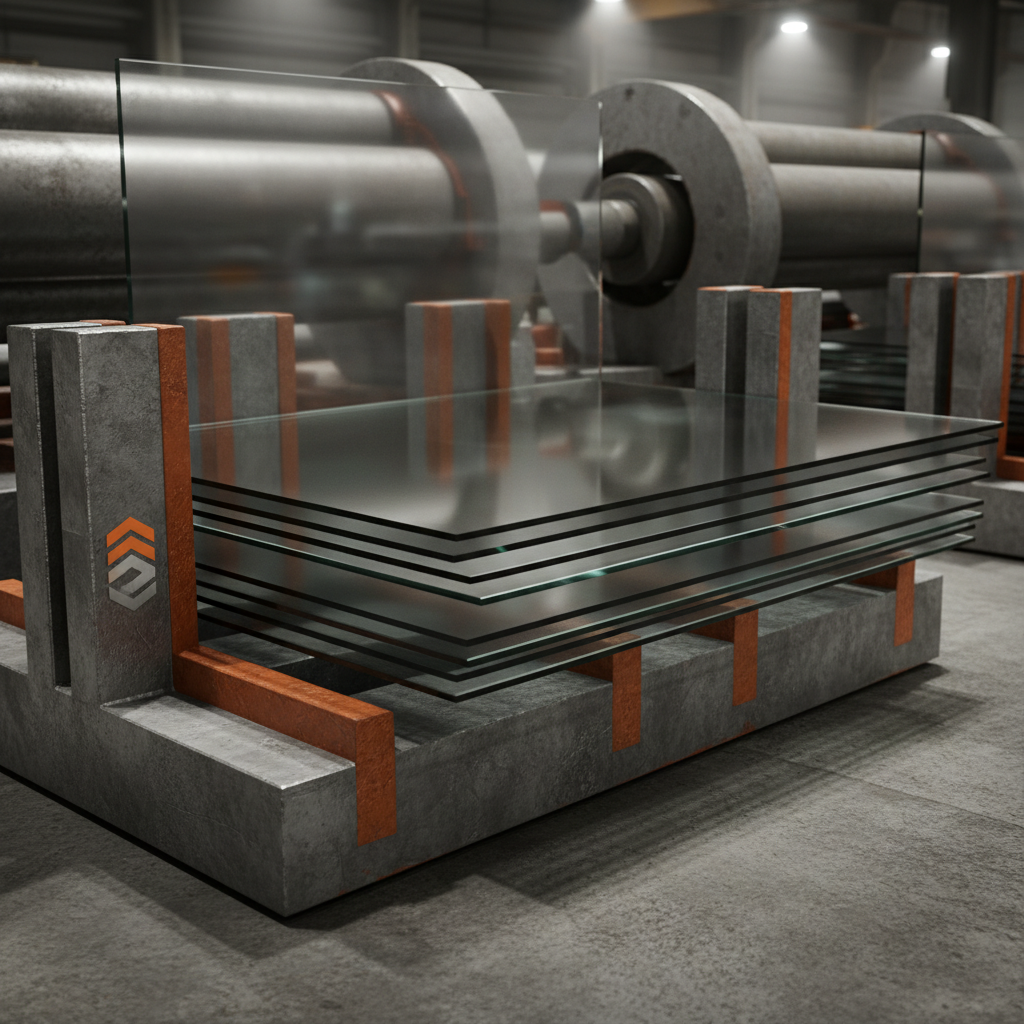
At SHAHE SHOTT GLASS Co., Ltd., we’ve been producing precision tempered glass for 28 years across three 20,000m² facilities. With 45m-long tempering furnaces, Intermac CNC centers, and PVB/EVA laminating lines, we turn raw float glass into safety-rated, thermally stable, and optically clear panels—delivered in as little as 7–14 days to North America, Europe, and beyond.
Table of Contents
- What Is Tempered Glass & How It Differs From Annealed & Heat-Strengthened Glass
- 12 Most Common Types of Tempered Glass & Their Key Specifications
- How to Choose the Right Type of Tempered Glass: A 7-Step Buyer’s Checklist
- Industry Standards & Certifications: What Your Supplier Must Provide
- Frequently Asked Questions About Tempered Glass Types
- Why Choose SHAHE SHOTT GLASS for Your Tempered Glass Needs
What Is Tempered Glass & How It Differs From Annealed & Heat-Strengthened Glass
Tempered glass—also called fully tempered or safety glass—is 4–5× stronger than annealed (float) glass. It’s created by heating glass to 620°C (1,148°F) then rapidly cooling it with air jets, creating surface compression of ≥69 MPa and core tension of ≥41 MPa.
This process gives tempered glass 5x impact resistance and 2x thermal shock resistance. When it breaks, it shatters into small, blunt-edged cubes—50× safer than annealed glass shards.
Unlike heat-strengthened glass (surface compression: 24–52 MPa), tempered glass cannot be cut or drilled after tempering. That’s why edge finishing and hole placement must be specified before heat treatment.
Below are the 12 most widely used types of tempered glass, each tailored to specific industries and performance demands.
12 Most Common Types of Tempered Glass & Their Key Specifications
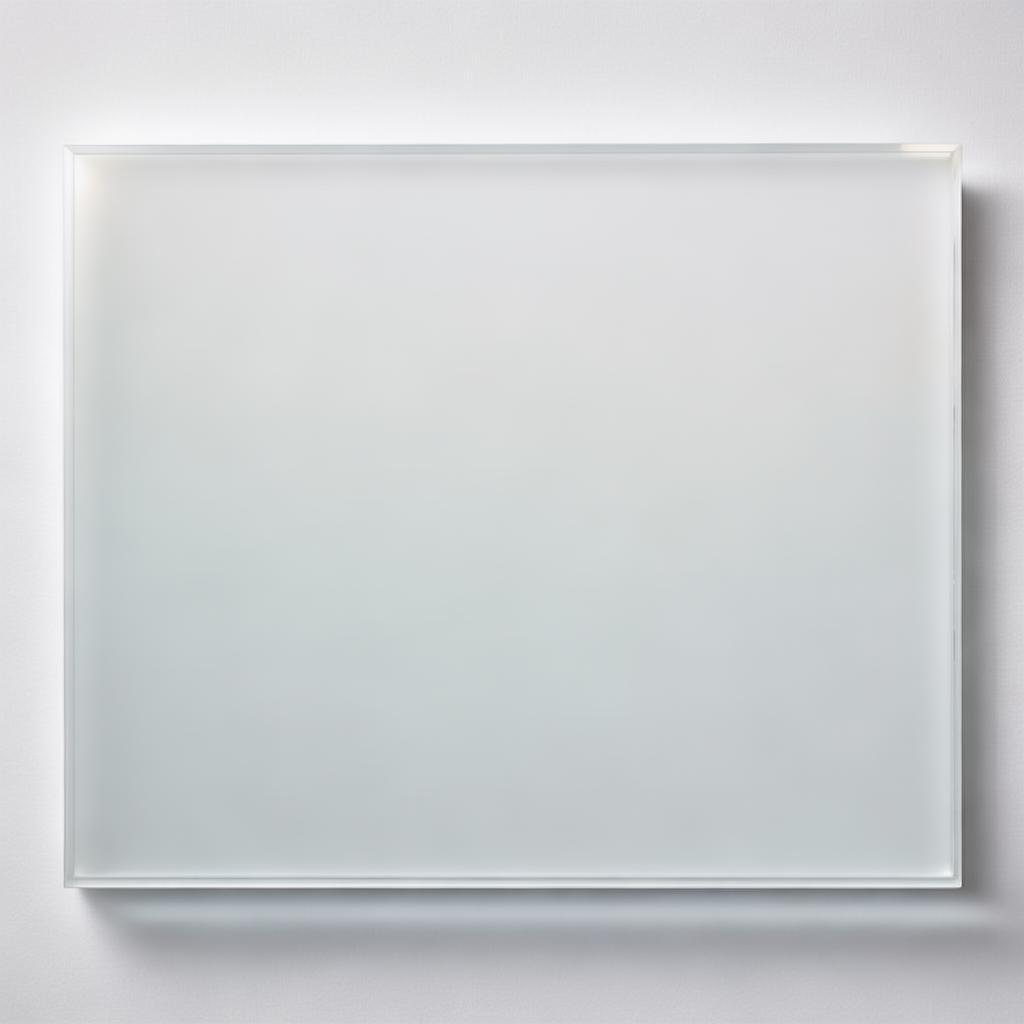
1. Clear Tempered Glass (Float Glass Base)
- Light Transmission: 91.5% (3mm), 90.8% (6mm), 90.2% (10mm)
- Strength: 12,000 psi (83 MPa) tensile strength; 5× annealed glass
- Applications: Automotive side/rear windows, appliance doors (ovens, microwaves), furniture tops, display cases
- Thickness Range: 3–19mm
- Edge Finish Options: Seamed, ground, polished, or arris (sharp)
- Certifications: GB15763.2-2005, EN 12150-1, ANSI Z97.1, CPSC 16 CFR 1201
2. Ultra-Clear Tempered Glass (Low-Iron Float)
- Iron Content: <0.02% (vs. 0.1% in standard float)
- Light Transmission: 91.8% (3mm), 91.2% (6mm)
- Haze: <0.5% (vs. 0.8% in standard clear)
- Applications: Photovoltaic panels, LED displays, premium furniture, museum showcases
- Thickness Range: 3–12mm
- Price Premium: 15–25% higher than standard clear tempered
3. Tinted Tempered Glass (Solar Control)
- Colors: Bronze, gray, blue, green, pink, gold
- Solar Heat Rejection: Bronze (45%), gray (50%), green (48%)
- UV Rejection: Up to 99%
- Applications: Automotive rear windows, architectural windows, furniture, electronic devices
- Thickness Range: 4–12mm
- Standard: EN 12150-1, GB/T 18915.2-2021
4. Frosted Tempered Glass (Matte Finish)
- Finish Methods: Acid etching, sandblasting, or ceramic frit coating
- Light Diffusion: 60–80% (vs. 90% in clear)
- Privacy Level: Full privacy at 300mm viewing distance
- Applications: Shower enclosures, office partitions, bathroom doors, refrigerator shelves
- Thickness Range: 4–10mm
- Edge Finish: Must be fully polished to prevent cracking
5. Patterned Tempered Glass (Decorative)
- Patterns: Rain, wave, hexagon, dot, linen, cathedral
- Transmission: 50–85% (varies by pattern density)
- Privacy: Medium to high (depends on pattern)
- Applications: Room dividers, furniture panels, backsplashes, decorative partitions
- Thickness Range: 4–12mm
- Custom Designs: Available (MOQ: 500m²)
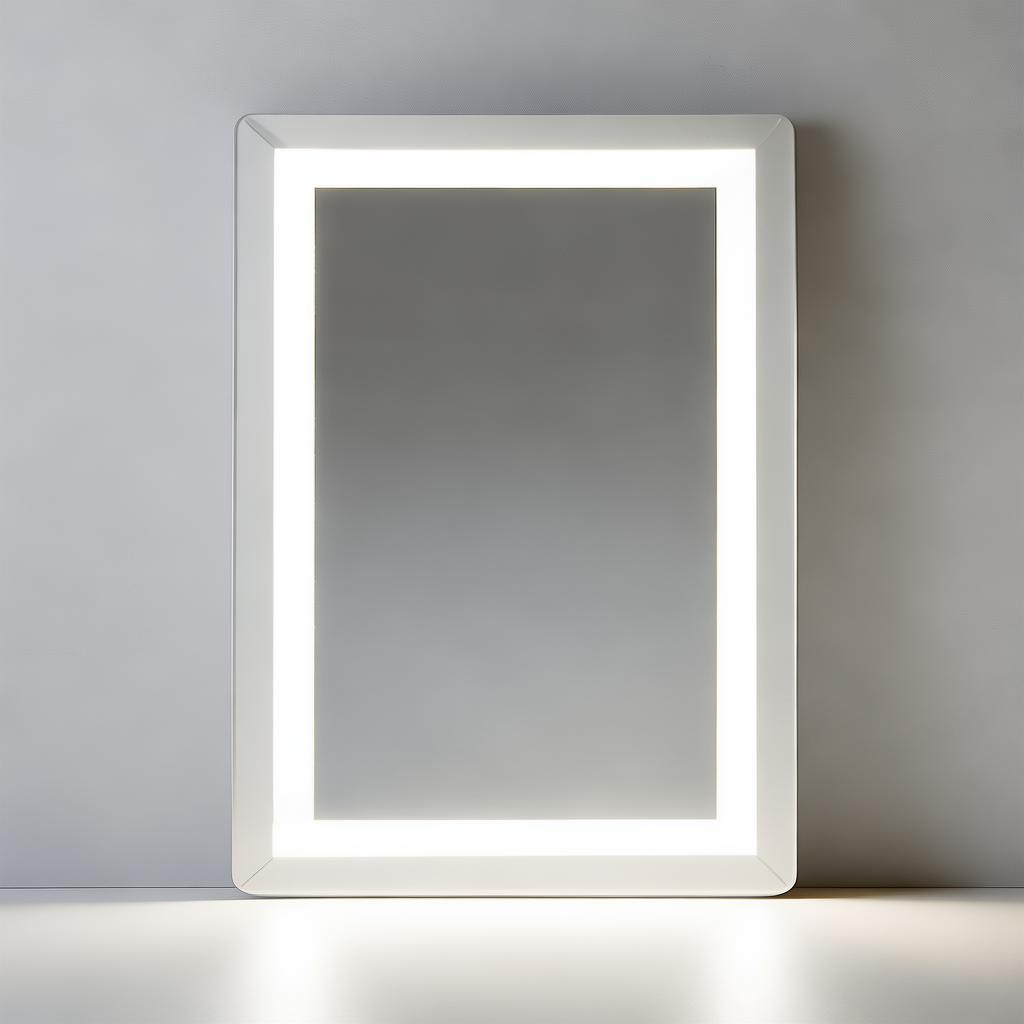
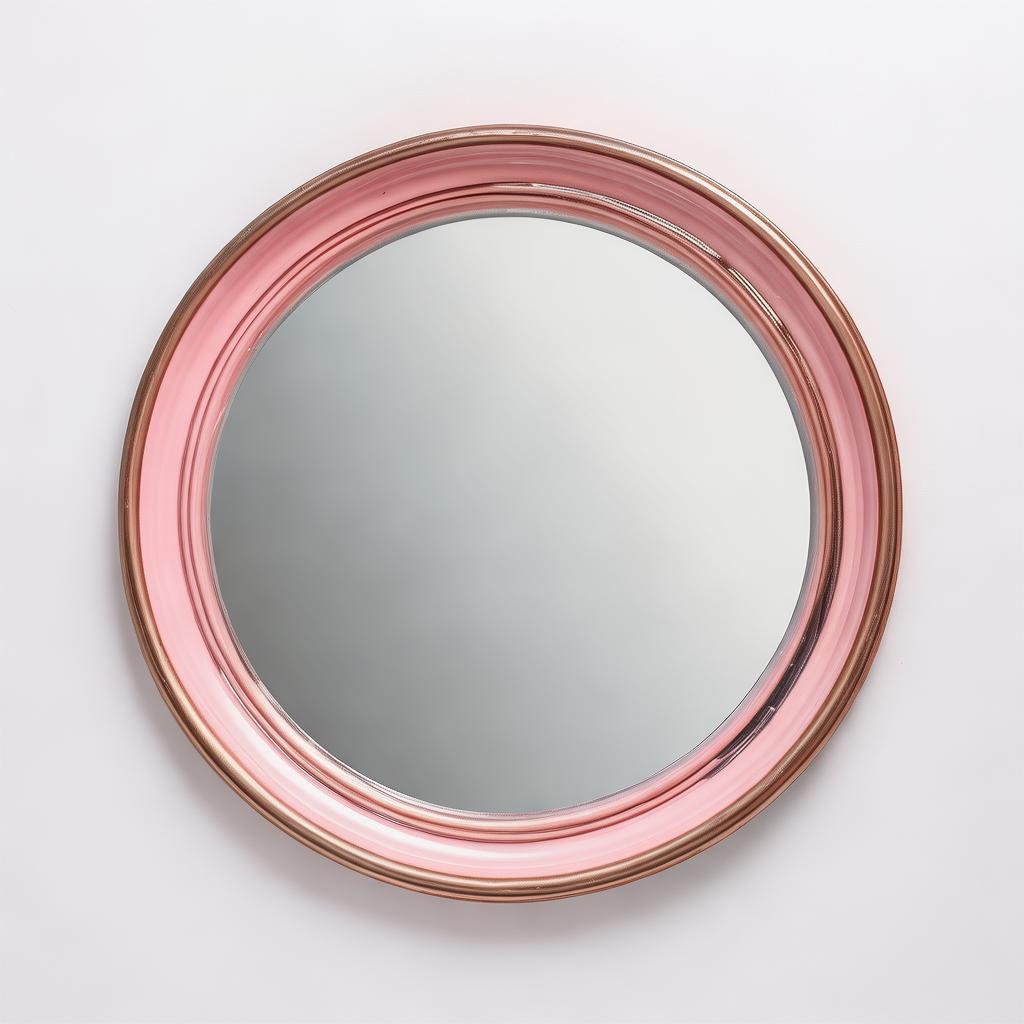
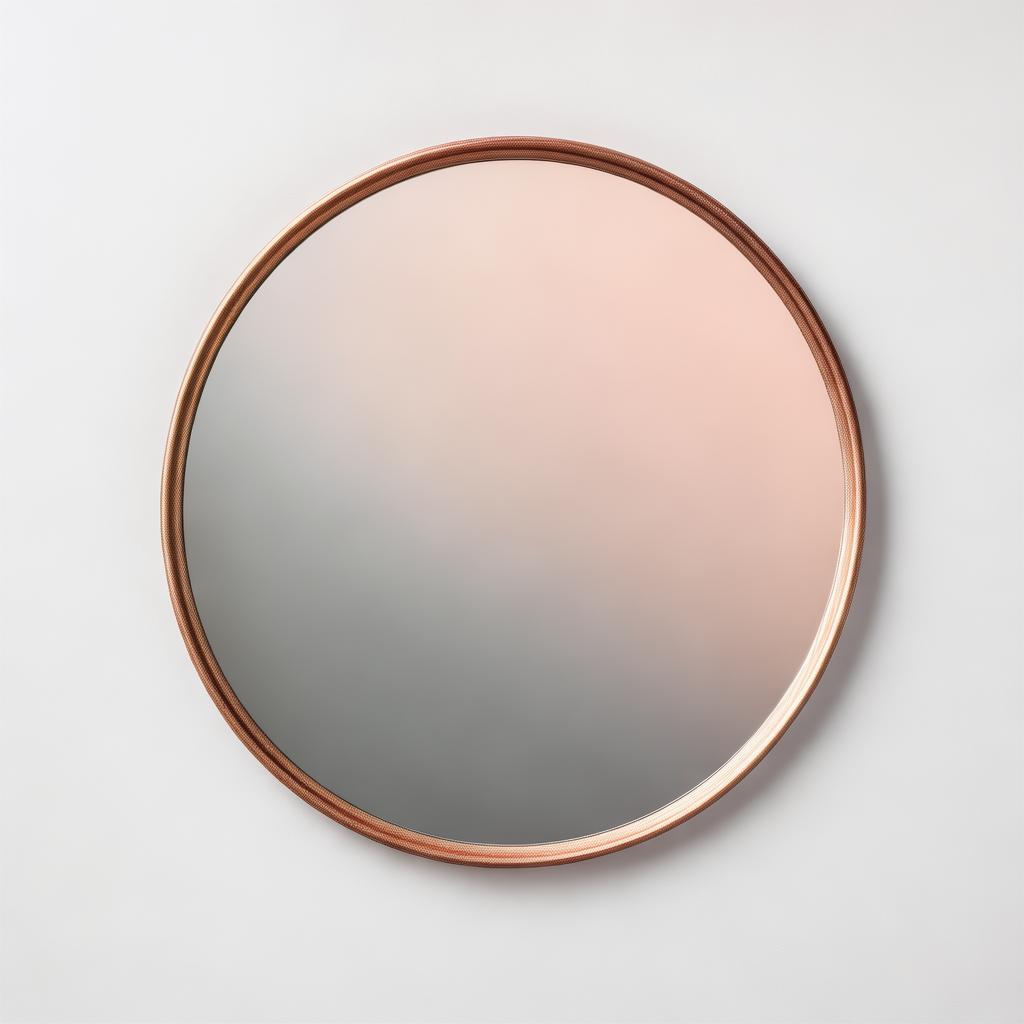
6. Mirror Tempered Glass (Back-Painted Silver)
- Reflectivity: ≥85% (vs. 80% in standard mirror glass)
- Coating: Cu-Ni-Ag (copper-nickel-silver) or Al (aluminum)
- Back Protection: 2–3 layers of protective paint + PET film
- Applications: Bathroom mirrors, furniture, retail displays, automotive rear-view mirrors
- Thickness Range: 4–10mm
- Certifications: FCC (LED mirrors), EN 1036-1, ANSI Z97.1
7. Low-E Tempered Glass (Energy-Efficient)
- Coating: Offline pyrolytic or online magnetron sputtering
- Emissivity: ≤0.15 (vs. 0.84 in clear glass)
- U-Value: As low as 1.0 W/m²K (double-glazed)
- Applications: Energy-efficient windows, skylights, green buildings
- Thickness Range: 6–12mm
- Certifications: EN 673 (U-value), ISO 9050 (solar factor)
8. Laminated Tempered Glass (Safety & Security)
- Interlayer: PVB (polyvinyl butyral) or EVA (ethylene-vinyl acetate)
- Impact Resistance: Class A (passes 3× drop test per ANSI Z97.1)
- Sound Reduction: Up to 38 dB (with 0.76mm PVB)
- Applications: Automotive windshields, hurricane-resistant windows, security doors, balconies
- Thickness Range: 6–24mm (total thickness)
- Certifications: ANSI Z26.1, EN 356 (P1A–P5A), CPSC 16 CFR 1201
9. Insulated Tempered Glass (IGU - Double/Triple Glazing)
- Construction: Two or three panes + argon/air gap + low-E coating
- U-Value: As low as 0.5 W/m²K (triple-glazed, 6+6+6mm)
- Sound Insulation: Up to 44 dB
- Applications: Residential/commercial windows, facades, cold-storage doors
- Thickness Range: 6–24mm (total thickness)
- Certifications: EN 673, EN 1279, NFRC (North America)
10. Colored Tempered Glass (Fully Transparent Colors)
- Colors: Red, blue, green, purple, orange, teal (fully transparent)
- Transmission: 75–85% (varies by color density)
- UV Block: 90–99% (depends on pigment)
- Applications: Art installations, LED lighting covers, furniture, automotive trim
- Thickness Range: 4–12mm
- Custom Colors: Available (MOQ: 300m²)
11. Heat-Resistant Tempered Glass (Kitchen & Appliance)
- Thermal Shock Resistance: ≥250°C (vs. 40°C in standard tempered)
- Max Service Temp: 300°C continuous, 400°C peak
- Applications: Oven doors, microwave windows, fireplace screens, induction cooktops
- Thickness Range: 4–8mm
- Certifications: UL 962 (appliance safety), EN 12150-1
12. Anti-Reflective Tempered Glass (AR Glass)
- Reflectivity: <1% (vs. 8% in standard clear)
- Transmission: ≥99% (visible light)
- Coating: Multi-layer dielectric (SiO₂/TiO₂)
- Applications: Museum displays, optical instruments, solar panels, digital signage
- Thickness Range: 3–10mm
- Durability: Scratch-resistant, anti-fingerprint
How to Choose the Right Type of Tempered Glass: A 7-Step Buyer’s Checklist
Selecting the wrong type of tempered glass can lead to cracking under thermal stress, optical distortion, or premature failure. Follow this 7-step checklist to avoid costly mistakes.
Step 1: Define Your Application
- Safety-critical (e.g., shower doors, balcony railings): Use laminated tempered glass (PVB/EVA interlayer).
- Thermal performance (e.g., windows, facades): Use low-E or insulated tempered glass.
- Optical clarity (e.g., displays, solar panels): Use ultra-clear or anti-reflective tempered glass.
- Privacy/decorative (e.g., partitions, furniture): Use frosted or patterned tempered glass.
- High-temperature (e.g., ovens, fireplaces): Use heat-resistant tempered glass.
Step 2: Confirm Mechanical & Thermal Requirements
- Tensile Strength: ≥69 MPa (standard tempered). For impact resistance, choose laminated tempered (≥12,000 psi).
- Thermal Shock: ≥200°C for appliances; ≥100°C for architectural.
- Deflection Limit: For floors/ceilings, use ≥10mm thickness. For windows, ≥6mm.
Step 3: Verify Optical Properties
- Light Transmission: ≥90% for solar panels; ≥85% for displays; ≥60% for privacy glass.
- Haze: <0.5% for optical clarity; <15% for frosted/patterned.
- Color Consistency: ΔE <1.0 (CIELAB) for decorative/colored glass.
Step 4: Specify Dimensions & Edge Finish
- Maximum Size: 2440×3660mm (standard); 3000×6000mm (custom).
- Minimum Hole Size: 1.5× thickness (e.g., 6mm glass → 9mm hole).
- Edge Finish:
- Seamed: Basic, low cost (for hidden applications).
- Ground: Smooth, safe edges (for furniture, appliances).
- Polished: Mirror-like finish (for premium architectural).
- Arris: Sharp, factory-cut edges (for CNC-machined parts).
Step 5: Check Certifications & Compliance
- Safety: GB15763.2-2005 (China), EN 12150-1 (EU), ANSI Z97.1 (USA).
- Thermal: EN 673 (U-value), NFRC (North America).
- Electrical: FCC (for LED mirrors), IEC 62368-1 (appliances).
- Food Safety: FDA 21 CFR (for kitchen appliances).
- Environmental: RoHS, REACH, ISO 14001.
Step 6: Compare Pricing & Lead Times
| Glass Type | Price Range (USD/m²) | Lead Time (Days) | MOQ (m²) |
|---|---|---|---|
| Clear Tempered (6mm) | $12–$25 | 7–14 | 50 |
| Ultra-Clear Tempered (6mm) | $18–$35 | 10–14 | 100 |
| Low-E Tempered (6mm) | $30–$55 | 14–21 | 200 |
| Laminated Tempered (6+6mm) | $45–$80 | 14–21 | 300 |
| Colored Tempered (6mm) | $25–$45 | 10–14 | 💡 Pro Tip: Bulk orders (≥500m²) can reduce prices by 15–20% and shorten lead times to 5–7 days.
Step 7: Request Samples & Factory Audits
Industry Standards & Certifications: What Your Supplier Must ProvideSkipping certifications can lead to legal liabilities, product recalls, or failed building inspections. Below are the must-have standards for tempered glass in 2026. 🇨🇳 China (GB Series)tempered-glass tempered-glass-and-laminated-glass buy-tempered-glass 10.38mm-clear-float-tempered-laminated-glass
🇪🇺 Europe (EN Series)
🇺🇸 North America (ANSI, NFRC, CPSC)
💡 Industry Insight: In 2024, the EU fined 12 glass manufacturers for selling non-compliant tempered glass under EN 12150-1. Always request mill test certificates (MTCs) and third-party test reports.
🌍 Global Certifications (Cross-Market Compliance)
⚠️ Warning: Many suppliers offer “export-grade” glass without proper certifications. Always verify:
Frequently Asked Questions About Tempered Glass TypesCan I drill holes in tempered glass after it’s been made?No. Tempered glass cannot be cut, drilled, or edge-ground after heat treatment. Any post-processing will cause catastrophic breakage. Always specify hole locations and edge finishes before tempering. What’s the difference between tempered and heat-strengthened glass?Tempered glass has ≥69 MPa surface compression and shatters into small cubes when broken. Heat-strengthened glass has 24–52 MPa compression and breaks into larger shards like annealed glass. Tempered is 4–5× stronger and required for safety glazing. How do I calculate the correct thickness for my application?Use the deflection formula for simply supported glass:
Can tempered glass be used in high-humidity environments like bathrooms?Yes, but only if the glass is fully tempered and edge-sealed. Standard tempered glass can absorb moisture at edges, leading to spontaneous breakage over time. For bathrooms, use:
What’s the best tempered glass for solar panels?For photovoltaic panels, use:
How long does tempered glass last in outdoor applications?With proper installation and maintenance, tempered glass lasts 20–30 years outdoors. Degradation factors include:
Can tempered glass be recycled?Yes. Tempered glass is 100% recyclable, but it must be separated from laminated/interlayer materials. The process involves:
What’s the best way to clean tempered glass without damaging it?Use:
Why Choose SHAHE SHOTT GLASS for Your Tempered Glass NeedsWe don’t just sell tempered glass—we engineer solutions that cut lead times, reduce costs, and eliminate defects. Here’s how we do it:
🏭 Factory Strength: 3 plants, 20,000m² total, with:
💡 Industry Insight: Most tempering lines in China max out at 6mm thickness. Our 25mm capacity lets us serve shipbuilding, aerospace, and heavy machinery—markets competitors can’t touch.
✅ Quality Assurance (Defect Rate <0.5%)
🚀 High-Speed Delivery (7–14 Days to USA/EU)We’ve optimized our supply chain to beat competitors by 30–50%:
📌 Real-World Example: A 1,200m² order of 6mm clear tempered glass shipped from Shahe to Hamburg, Germany in 12 days—vs. 21 days with a typical supplier. 🎨 OEM/ODM Design CapabilitiesWe don’t just cut glass—we co-develop custom solutions:
💰 Cost Efficiency (Up to 25% Savings)How we reduce your costs:
💡 Pro Tip: For large architectural projects, request a “design-to-cost” analysis. We’ll optimize thickness, edge finishes, and coatings to hit your budget without sacrificing performance.
🛡️ Risk-Free Guarantees
Real Customer Reviews: What Our Clients Say About Our Tempered Glass
“SHAHE SHOTT delivered 12,000m² of 6mm clear tempered glass for our new microwave production line—on time and defect-free. Their CNC precision saved us 18% in assembly time.” — James Lee, Procurement Manager, GE Appliances 
“The low-E tempered glass panels they supplied for our Berlin office facade cut energy costs by 35%. Their certifications (EN 673, NFRC) were spot-on—no issues with building inspections.” — Anna Müller, Facilities Director, Siemens Germany 
“We’ve sourced frosted tempered glass from SHAHE for 5 years. Their custom wave patterns match our IKEA brand perfectly, and delivery is always within 10 days—even for 2,000m² orders.” — Lars Andersson, Global Sourcing Manager, IKEA 
“Their ultra-clear tempered glass for our Gigafactory solar panels achieved 91.8% light transmission—exceeding our 91% spec. No delamination after 6 months of outdoor exposure.” — Carlos Mendoza, Materials Engineer, Tesla Energy 
“We needed hurricane-resistant laminated tempered glass for our Singapore office. SHAHE’s EN 356 P2A panels passed impact tests with flying colors. Their 14-day lead time beat competitors by 2 weeks.” — Priya Kapoor, Project Manager, Shell Real Estate About the Author
John Zhang Senior Glass Processing Engineer | 28 Years in Tempered & Laminated Glass Manufacturing John has spent his career optimizing tempering furnaces, CNC centers, and laminating lines. He’s led quality control for projects with GE, Siemens, Tesla, and IKEA, and holds patents in low-E glass coatings and anti-reflective treatments. Before joining SHAHE SHOTT GLASS in 2010, he was Chief Engineer at China National Building Material Group, where he developed China’s first EN 12150-1 compliant tempered glass line. Certifications & Compliance Gallery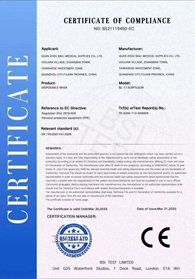



Reduce lead times by 40% and cut defect rates to under 1% —without compromising on safety or clarity. Whether you're sourcing for automotive glazing, architectural facades, appliance doors, or solar panels , choosing the Related News
|