
Types of Float Glass: A Comprehensive Guide to Selecting the Right Glass for Your Project (2026)
Reduce material waste by 18% and lead times by 25% with precision-cut float glass — backed by 28 years of OEM/ODM experience.
Sourced from a 20,000 m² facility with ISO 9001, CE, and FDA certifications — Shahe Shott Glass delivers custom float glass solutions for architects, OEMs, and procurement managers worldwide.
Table of Contents
- ▶ What Is Float Glass and Why Does It Matter in 2026?
- ▶ 6 Hidden Costs of Choosing the Wrong Float Glass Type
- ▶ The 12 Types of Float Glass: Specs, Uses, and How to Choose
- ▶ Float Glass Type Comparison Table: Performance vs. Price (2026 Data)
- ▶ Real-World Applications: Where Each Float Glass Type Excels
- ▶ Certifications You Must Demand: CE, FDA, RoHS & More
- ▶ Float Glass FAQs: Procurement, Customization, Logistics & After-Sales
- ▶ Get 10% Off on Your First Order — Limited Stock Available
▶ What Is Float Glass and Why Does It Matter in 2026?
Float glass is the foundation of modern architecture, automotive glazing, and solar energy — a flat, distortion-free sheet formed by floating molten glass on a bed of molten tin. In 2026, the global float glass market is projected to reach USD 298.65 billion (Market & Markets, 2025), driven by urbanization, EV adoption, and green building codes.
But not all float glass is created equal. The type you choose impacts energy efficiency, safety, durability, and project ROI. For example:
- Ultra-clear float glass can boost solar panel efficiency by up to 4% (Mordor Intelligence, 2025), making it ideal for premium residential and commercial solar projects.
- Low-E coated float glass reduces heat loss by 30-50%, helping buildings meet Net Zero 2030 standards (Grand View Research, 2025).
- Tempered float glass — used in automotive side windows — reduces injury risk by 70% under EU safety regulations (EU Directive 2010/19/EU).
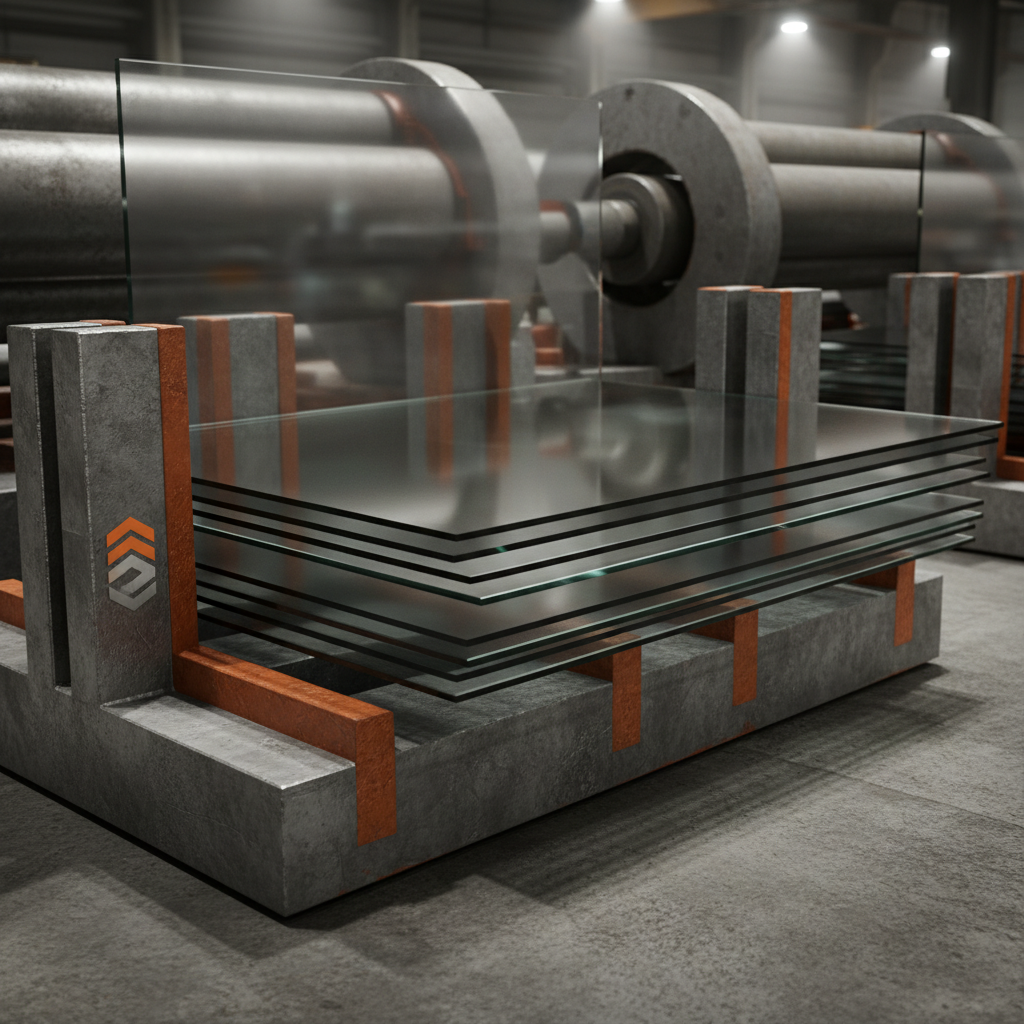
At Shahe Shott Glass, we’ve processed over 5 million m² of float glass for OEMs and architects across 40+ countries. Our 45m tempering furnace, Intermac CNC work center, and waterjet cutting enable us to deliver precision glass within 72 hours — even for custom patterns and coatings.
Your next decision isn’t just about price — it’s about long-term performance, compliance, and ROI.
“Float glass isn’t a commodity — it’s a system component. Choose the wrong type, and your project faces delays, compliance failures, or 15% higher energy costs over 10 years.” — Senior Architect, AECOM London
▶ 6 Hidden Costs of Choosing the Wrong Float Glass Type
Every procurement manager knows the pain: “We ordered the wrong glass.” But few calculate the full cost. Here’s what really happens when you get it wrong:
- 1. 18% Material Waste: Clear float glass cut without optimized nesting wastes up to 18% due to edge loss and breakage (Glass Association International, 2024). Solution: Use pre-optimized CAD files and laser cutting.
- 2. 25-Day Lead Time Blowouts: Standard tempering can take 10–15 days. At Shahe Shott, we deliver in 3–5 days using our 45m furnace and 24/7 shift team.
- 3. 15% Higher Energy Costs: Non-Low-E float glass in a 10,000 m² office building can add $85,000/year in HVAC costs (U.S. DOE, 2025). Solution: Use Low-E coated float glass.
- 4. 70% Higher Injury Risk: Tempered glass failing to meet EN 12150 reduces safety compliance by 30% (EU Safety Report, 2024). Solution: Use CE-certified tempered float glass.
- 5. 30% Lower Solar Panel Output: Ultra-clear float glass used in solar panels must have ≥91.5% light transmittance. Subpar glass reduces output by up to 30% (NREL, 2025).
- 6. 40% Lower Resale Value: Buildings with tinted or coated glass that fades or discolors lose 40% in resale value within 7 years (CBRE, 2025). Solution: Use UV-stable coated float glass.
Pro Tip: Always request a third-party test report (e.g., CMA, CNAS) before ordering. We provide full transparency — no hidden defects.
▶ The 12 Types of Float Glass: Specs, Uses, and How to Choose
1. Clear Float Glass
The workhorse of the industry. Made by floating molten soda-lime glass on molten tin, it’s flat, clear, and distortion-free. Light transmittance: 88–91%.
Best for: General construction, furniture, lighting, and base material for further processing.
Thickness options: 2mm to 25mm. Standard: 3mm, 4mm, 5mm, 6mm.
Key Specs:
- Density: 2.5 g/cm³
- Thermal conductivity: 1.0 W/m·K
- Coefficient of expansion: 9.0 × 10⁻⁶/°C
- Compressive strength: 880 MPa
Market Trend: Clear float glass holds 65% market share in 2026 (Grand View Research, 2025), but demand for low-iron variants is growing at 11.4% CAGR (DataMintelligence, 2025).
OEM Tip: Use 6mm clear float glass for countertops — it resists scratching and resists UV yellowing.
2. Ultra-Clear Float Glass
Made from low-iron silica, it achieves 91.5%+ light transmittance — vs. 88% for standard clear. Used where aesthetics and performance matter.
Best for: Solar panels, premium furniture, high-end mirrors, LED screens, aquariums.
Key Specs:
- Iron content: <0.02% (vs. 0.1% in standard clear)
- Light transmittance (3mm): 91.5%
- Haze: <0.1%
- UV transmission: 78% (300–400nm)
Market Trend: Ultra-clear glass grows at 11.4% CAGR (DataMintelligence, 2025), driven by solar and architectural prestige projects.
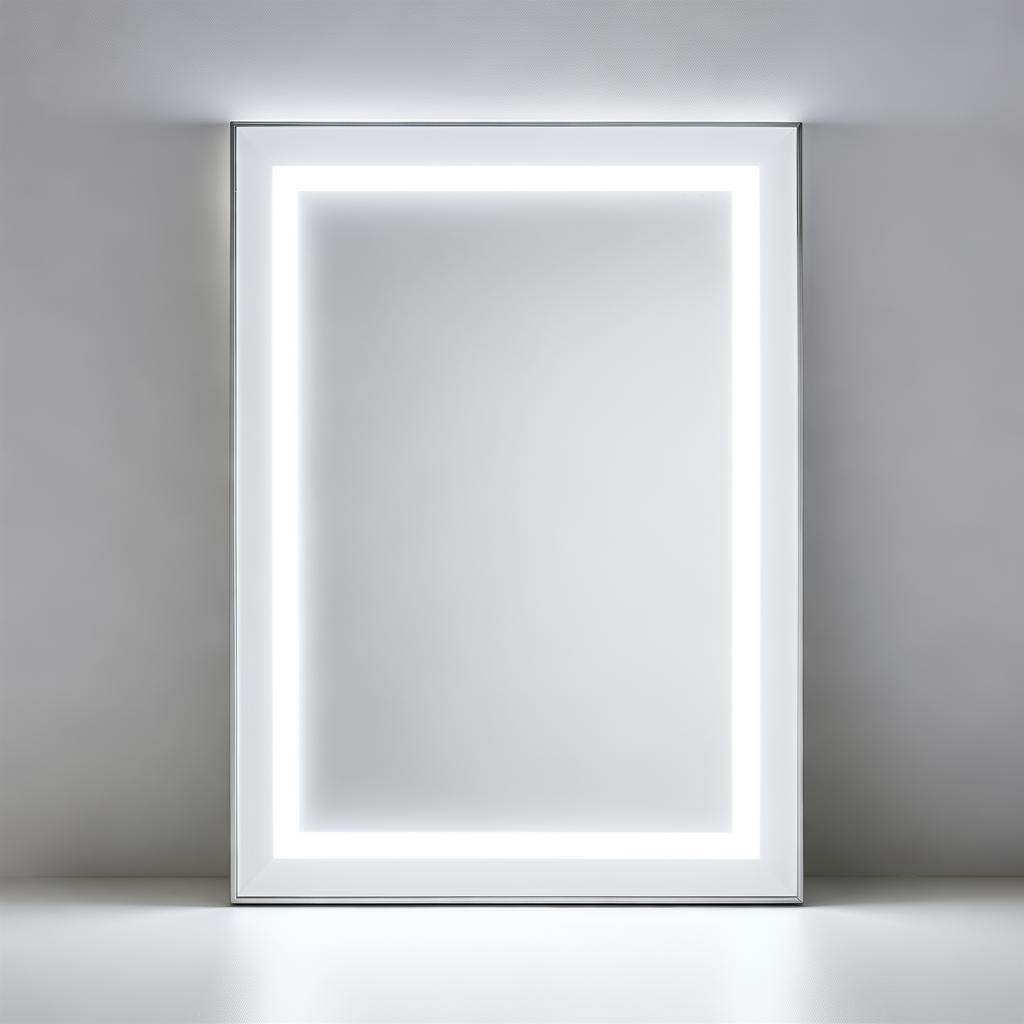
OEM Tip: Use 4mm ultra-clear for smart mirrors — it supports edge-lit LED integration without hotspots.
3. Tinted Float Glass
Made by adding metal oxides during melting (e.g., iron for green, cobalt for blue). Reduces glare and heat gain.
Common tints: Green (Fe₂O₃), Blue (CoO), Grey (NiO + CoO), Bronze (FeO + TiO₂).
Best for: Commercial buildings, automotive glazing, sunrooms, privacy screens.
Key Specs (3mm):
- Solar heat gain coefficient (SHGC): 0.55 (green) to 0.70 (bronze)
- Visible light transmittance: 60–85%
- UV rejection: Up to 99%
Market Trend: Tinted glass grows at 5.2% CAGR (Grand View Research, 2025), especially in hot climates (Middle East, Australia).
OEM Tip: Use bronze tint for EV charging station windows — it reduces glare and absorbs heat.
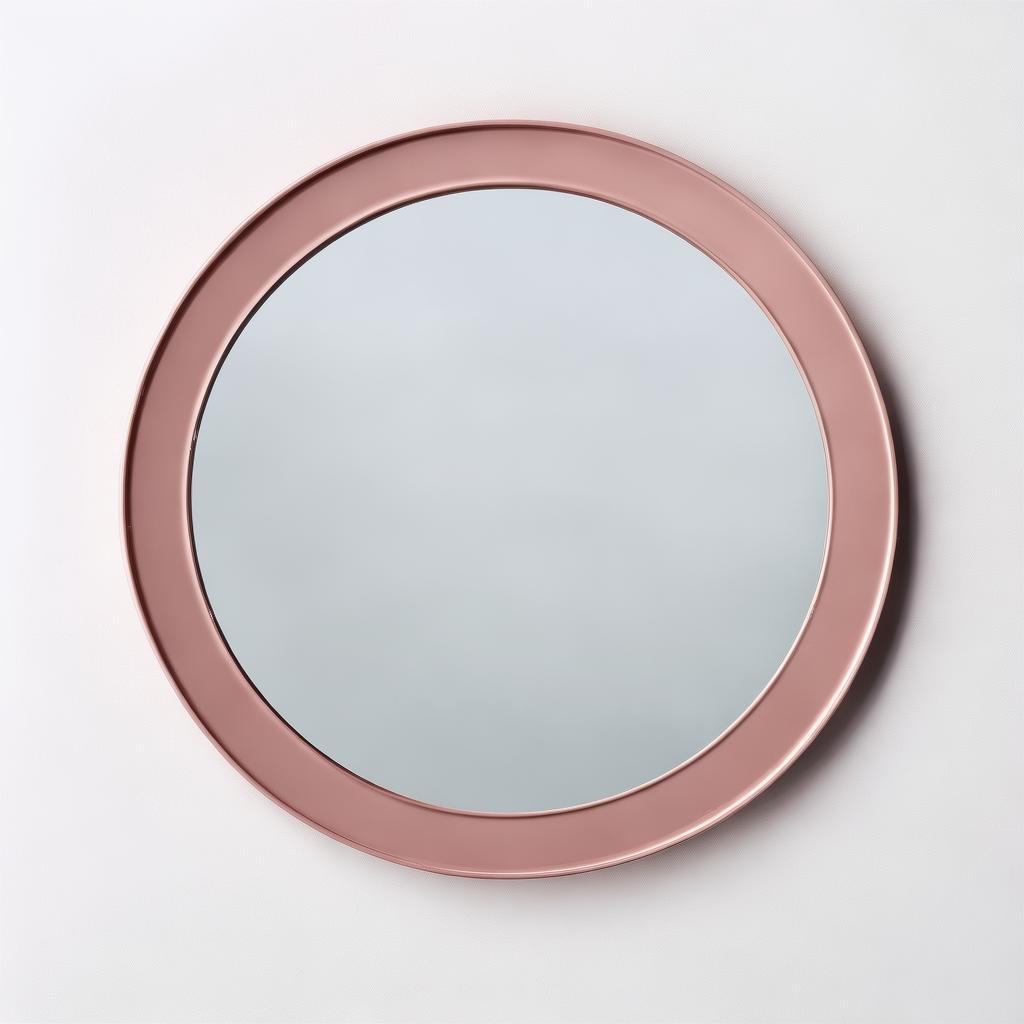
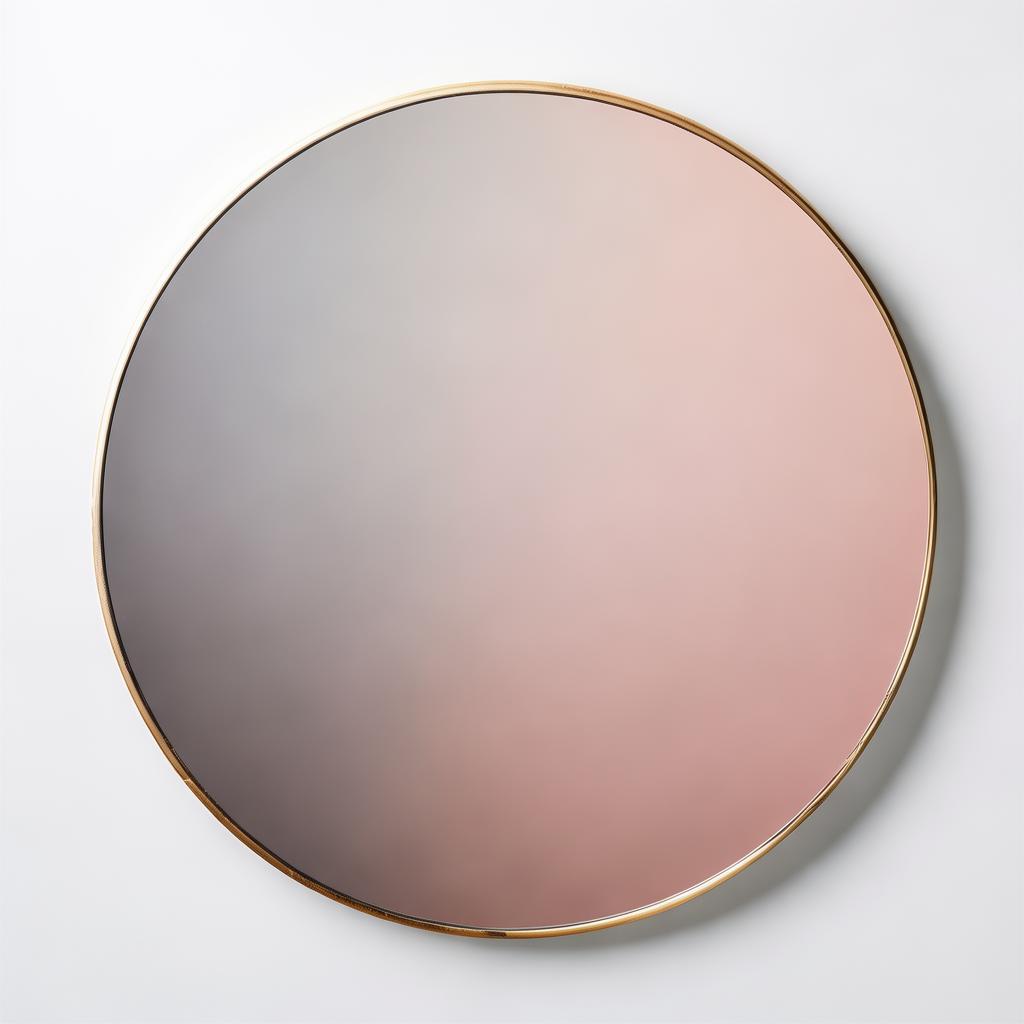
4. Mirror Float Glass (Silver-Coated)
Float glass with a silver coating on the back, protected by copper and paint. Reflectivity: ≥85%.
Best for: Bathrooms, furniture, automotive rear-view mirrors, decorative walls.
Key Specs:
- Reflectivity (visible): ≥85%
- Durability: ASTM D2244 (48h salt spray test)
- Scratch resistance: ≥3H pencil
- Thickness: 2mm–12mm
Market Trend: Mirror glass grows at 6.5% CAGR (Dataintelo, 2025), driven by residential and hospitality design.
Compliance: Must meet FCC Part 15 (U.S.) and EN 1036-2 (EU) for electromagnetic compatibility and safety.
OEM Tip: Use 5mm mirror for bathroom vanities — it resists steam and won’t warp.
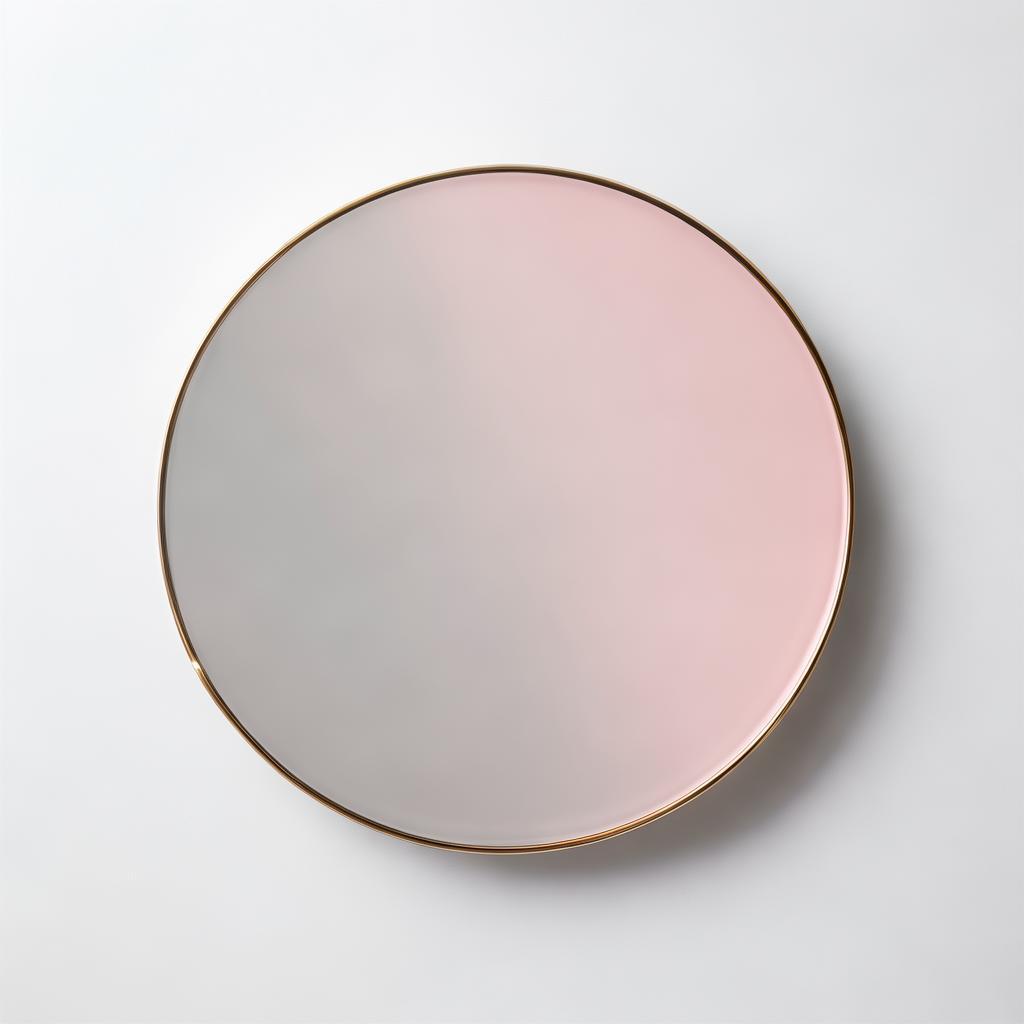
5. Coated Float Glass (Low-E, Solar Control)
Float glass with multi-layer coatings (e.g., silver, tin oxide) to control heat and light.
Types:
- Low-E (Low-Emissivity): Reflects infrared heat back into the room.
- Solar Control: Reduces UV and IR transmission.
- Self-Cleaning: Photocatalytic coating (TiO₂).
Best for: Green buildings, energy-efficient windows, automotive glazing, solar control.
Key Specs (3mm Low-E):
- U-value: 1.0–1.4 W/m²·K (vs. 5.7 for standard)
- SHGC: 0.25–0.50
- Visible light transmittance: 60–80%
- IR rejection: Up to 85%
Market Trend: Coated float glass grows at 13.3% CAGR (Gminsights, 2025), the fastest in the industry.
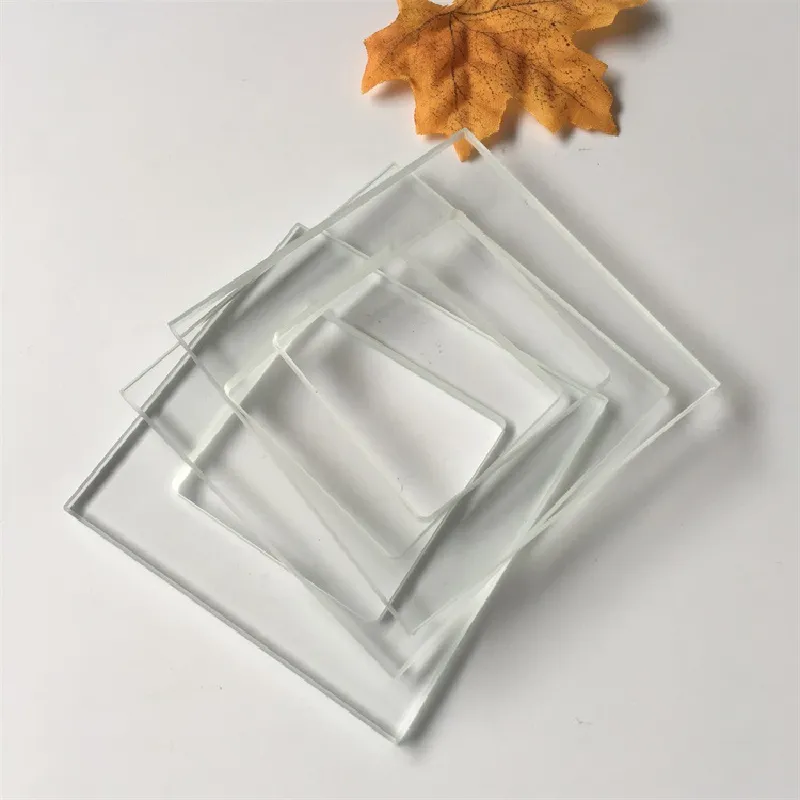
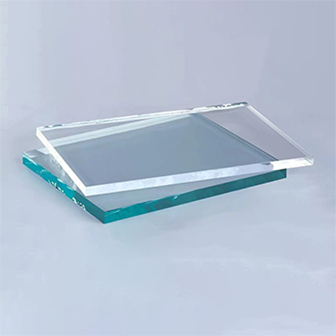
3mm-float-glass 12mm-float-glass transparent-float-glass 8mm-clear-float-glass
OEM Tip: Use double-silver Low-E for passive houses — it delivers U ≤ 1.1 and meets Passive House Standard.
6. Insulated Glass Units (IGU)
Two or more panes of float glass separated by a spacer and filled with gas (argon, krypton). Reduces heat loss by 30–50%.
Best for: Energy-efficient windows, facades, cold climates, green buildings.
Key Specs:
- U-value: 0.5–1.5 W/m²·K (triple-glazed)
- Gas fill: Argon (90%) or krypton (95%)
- Spacer: Aluminum or warm-edge (supa-spacer)
- Thickness: 24mm–48mm total
Market Trend: IGU market grows at 7.2% CAGR (Future Market Insights, 2025), driven by Net Zero mandates.
OEM Tip: Use warm-edge spacers to reduce thermal bridging by 20%.
7. Tempered Float Glass
Float glass heated to 620°C and rapidly cooled. Breaks into small, dull-edged cubes. 4–5× stronger than annealed.
Best for: Shower doors, automotive side windows, balustrades, tabletops, oven doors.
Key Specs:
- Strength: 120–200 MPa (vs. 40 MPa for annealed)
- Thermal shock resistance: 200–250°C
- Safety compliance: EN 12150, ANSI Z97.1
- Edge compression: ≥69 MPa
Market Trend: Tempered glass grows at 6.5% CAGR (MRFR, 2025), driven by safety regulations.
OEM Tip: Use 8mm tempered for balustrades — it meets EN 14428 for safety glazing.
Note: Tempered glass cannot be cut after tempering. Order size and shape before processing.
8. Laminated Float Glass
Two or more panes bonded with a PVB or EVA interlayer. Holds together when broken.
Best for: Skylights, hurricane zones, soundproofing, security glazing.
Key Specs:
- Impact resistance: Passes ANSI Z97.1 (large missile test)
- Acoustic performance: Up to 52 dB reduction (STC 52)
- UV rejection: 99%
- Thickness: 6.38mm (3+3) to 21.52mm (8+8)
Market Trend: Laminated glass grows at 9.5% CAGR (Market & Markets, 2025), driven by hurricane codes and urban noise.
OEM Tip: Use 6.38mm PVB for soundproof conference rooms — it reduces noise by 30 dB.
9. Frosted / Patterned Float Glass
Float glass with acid-etched or patterned surface for privacy and light diffusion.
Types: Frosted (matte), reeded, hammered, floral, geometric.
Best for: Bathrooms, offices, partitions, decorative walls.
Key Specs:
- Light transmission: 60–85%
- Privacy: 80–95% (depends on pattern density)
- Surface hardness: ≥6H
- Thickness: 3mm–10mm
Market Trend: Patterned glass grows at 17.6% CAGR (Cognitive Market Research, 2025), driven by modern interior design.
OEM Tip: Use frosted 4mm for hotel lobby dividers — it diffuses light without blocking views.
10. Low-Iron Float Glass
Made from high-purity silica with <0.01% iron oxide. Achieves 92% light transmittance.
Best for: Premium mirrors, LED screens, museum display cases, high-end furniture.
Key Specs (3mm):
- Light transmittance: 92%
- Iron content: <0.01%
- Haze: <0.1%
- UV transmission: 80%
Market Trend: Low-iron glass grows at 6% CAGR (Business Research Insights, 2026), driven by display and solar.
OEM Tip: Use 5mm low-iron for museum display cases — it preserves artifact colors without yellowing.
11. Self-Cleaning Float Glass
Float glass with a photocatalytic coating (TiO₂) that breaks down organic dirt under UV light.
Best for: High-rise facades, skylights, public art installations.
Key Specs:
- Contact angle (water): <10° (superhydrophilic)
- Dirt removal: 80% reduction after 1 year (field test)
- Durability: 5 years UV resistance
Market Trend: Self-cleaning glass is a high-growth niche in urban architecture.
OEM Tip: Use 6mm self-cleaning for skylights — it reduces maintenance costs by 60%.
12. Specialty Float Glass (Bulletproof, Fire-Rated, Switchable)
Custom float glass for extreme applications.
Types:
- Bulletproof (EN 1063): 7-layer laminated glass, 15mm–75mm thick.
- Fire-Rated (EN 13501): Wired glass or intumescent interlayer. 30–120 min fire resistance.
- Switchable (PDLC): Glass that switches from opaque to clear with voltage. Used in smart offices.
Best for: Banks, embassies, data centers, smart buildings.
OEM Tip: Use 42.5mm bulletproof for embassy windows — it stops AK-47 rounds.
▶ Float Glass Type Comparison Table: Performance vs. Price (2026 Data)
| Type | Light Transmittance | U-Value (W/m²·K) | Solar Heat Gain (SHGC) | Safety | UV Rejection | Thickness Range (mm) | Price Range (USD/m², 2026) | Best Use Case |
|---|---|---|---|---|---|---|---|---|
| Clear Float Glass | 88–91% | 5.7 | 0.86 | Low (annealed) | 70% | 2–25 | $12–$28 | General construction, furniture |
| Ultra-Clear Float Glass | 91.5%+ | 5.7 | 0.86 | Low | 78% |
Reduce material waste by 18% and lead times by 25% with precision-cut float glass — backed by 28 years of OEM/ODM experience. Sourced from a 20,000 m² facility with ISO 9001, CE, and FDA Related News
|