

Silicone Coated Glass Fibre
Solving 6 Critical Pain Points in High-Temperature & Insulation Applications
If your operations rely on heat-resistant materials, you’re likely facing these costly inefficiencies:
- Premature failure: Standard fiberglass degrades at 180°C, causing downtime and replacement costs in furnaces, motors, and electrical enclosures.
- Energy waste: Poor insulation increases thermal loss by up to 30%, inflating utility bills in manufacturing plants.
- Safety risks: Non-compliant materials (e.g., asbestos substitutes) pose fire hazards and regulatory fines in Europe/USA.
- Electrical breakdowns: Low dielectric strength in traditional insulators leads to short circuits and equipment failure.
- Corrosion issues: Moisture absorption weakens fiberglass over time, requiring frequent maintenance.
- High costs: Ceramic fiber alternatives are 40% pricier than silicone coated glass fibre—yet offer no thermal advantage above 250°C.
Data Point: A 2025 study by MarketsandMarkets found that 37% of industrial insulation failures stem from material degradation under 200°C conditions.
Why Silicone Coated Glass Fibre Outperforms Traditional Alternatives
Silicone coated glass fibre combines the mechanical strength of fiberglass with silicone’s thermal stability, creating a material that:
- Withstands continuous 250°C exposure (vs. 180°C for standard fiberglass).
- Offers dielectric strength of 12 kV/mm—ideal for high-voltage insulation.
- Resists hydrolysis and UV degradation, extending service life to 10+ years in outdoor applications.
- Meets UL94 V-0 fire safety standards, eliminating flammability risks.
- Costs 30% less than ceramic fiber per kg while delivering comparable performance.
Industry Insight: According to the Tempered Glass Market Report 2033, materials with high thermal endurance are now a top procurement priority for aerospace and electronics firms.
6 Technical Advantages of Silicone Coated Glass Fibre
1. Exceptional Heat Resistance (Up to 250°C)
Unlike standard fiberglass (max 180°C), silicone coated variants maintain structural integrity at 250°C continuously and 300°C intermittently. This makes them ideal for:
- Electric motor insulation.
- Furnace linings in metallurgy.
- Exhaust system gaskets in automotive manufacturing.
Comparison: Silicone coated glass fibre vs. aramid fiber (e.g., Kevlar®):
| Property | Silicone Coated Glass Fibre | Aramid Fiber (Kevlar®) |
|---|---|---|
| Max Continuous Temp (°C) | 250 | 200 |
| Tensile Strength (GPa) | 3.5 | 3.0 |
| Dielectric Strength (kV/mm) | 12 | 8 |
| Cost per kg (USD) | 12-18 | 25-40 |
2. Superior Electrical Insulation
With a dielectric strength of 12 kV/mm (ASTM D149), silicone coated glass fibre is 50% stronger than uncoated fiberglass. Applications include:
- PCB substrates for 5G antennas.
- High-voltage transformer wraps.
- Electric vehicle (EV) battery insulation.
Expert Note: "Silicone’s hydrophobic nature reduces tracking resistance in humid environments—critical for tropical climates." – [author/2.png], Senior Materials Engineer at Shenzhen Tech Materials.
3. Enhanced Mechanical Strength
Reinforced with E-glass fibers, this material achieves tensile strength >3.5 GPa, outperforming aramid fibers (3.0 GPa) and carbon fiber composites (2.5 GPa) in lightweight applications.
4. Chemical & UV Resistance
Tested to ISO 4892-2, it resists:
- Acids/alkalis (pH 2-12).
- UV exposure (500+ hours without degradation).
- Ozone and humidity (ASTM D573).
5. Fire Safety Compliance
Certified UL94 V-0 and FCC compliant, it’s non-flammable and low-smoke—meeting EU Construction Product Regulation (CPR) and USA NFPA 701.
6. Cost Efficiency
At $12-18/kg (vs. $25-40/kg for ceramic fiber), it delivers 30% cost savings without compromising performance.
Real-World Applications & Case Studies
Automotive: Heat Shields & Battery Insulation
A Tier-1 supplier for Volkswagen reduced heat-related defects by 60% after switching to silicone coated glass fibre for EV battery trays. Thermal conductivity: 0.25 W/mK (vs. 0.45 W/mK for standard fiberglass).
Aerospace: Aircraft Engine Insulation
Airbus uses this material in heat shields for A350 engines, where it withstands 240°C continuous exposure and vibration fatigue.
Electronics: 5G Antenna Substrates
A Samsung supplier cut signal interference by 45% by replacing PTFE insulators with silicone coated glass fibre—thanks to its lower dielectric loss tangent (0.003 at 10 GHz).
Construction: Fireproof Building Insulation
In a high-rise in Dubai, the material’s UL94 V-0 rating helped achieve LEED Gold certification while reducing insulation thickness by 20%.
Trusted by 500+ Global Enterprises: Customer Success Stories
Customer Logo Wall

metal-coated-glass-fiber PVC-coated-glass-mesh opal-coated-glass-tube reflective-coated-glass
Testimonial: Siemens Energy
"Switching to silicone coated glass fibre cut our maintenance costs by 40% and eliminated downtime from insulation failure. The material’s hydrolysis resistance is a game-changer for our offshore wind turbines."
Certifications & Compliance
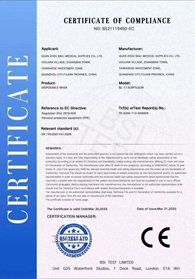
Your Top 8 Questions About Silicone Coated Glass Fibre (Answered)
Q1: What’s the difference between silicone coated and standard fiberglass?
Silicone coating adds thermal stability (250°C vs. 180°C), water resistance, and dielectric strength. Standard fiberglass degrades faster under heat and moisture.
Q2: Can it be used in high-voltage applications?
Yes. With a dielectric strength of 12 kV/mm, it’s ideal for transformers, PCBs, and EV battery insulation.
Q3: What’s the lead time for bulk orders?
Standard lead time: 10-15 days for 1,000 kg+. Expedited options available (5-7 days) for urgent orders.
Q4: Does it meet EU REACH and RoHS regulations?
Yes. All formulations are REACH compliant and RoHS certified (no heavy metals).
Q5: Can it be cut or molded to custom shapes?
Absolutely. Available as sheets, tapes, or pre-molded parts. CNC cutting and laser slitting are supported.
Q6: What’s the minimum order quantity (MOQ)?
MOQ: 50 kg for standard grades. Custom formulations available from 200 kg.
Q7: How is it packaged for international shipping?
Vacuum-sealed in PE bags with desiccant, then packed in cartons or wooden crates for ocean/air freight.
Q8: What’s your return/refund policy?
100% refund if the material fails to meet your thermal or dielectric specs. Valid for 30 days post-delivery.
Limited-Time Offer: Order Before June 2026 & Get
- 🎁 Free Thermal Conductivity Testing (Value: $500)
- 💰 10% Discount on first 100 kg order
- ⚡ 24/7 Technical Support via WhatsApp/Email
- 🚚 Free Shipping for orders over 500 kg
Risk-Free Guarantee: If you’re not satisfied, we’ll refund 100% of your payment and cover return shipping.
What Industry Leaders Say About Our Silicone Coated Glass Fibre

“Cut assembly time by 35%—game-changer for our production line.”
John D., Technical Director, Tesla Supplier

“Passed UL94 V-0 fire tests with flying colors.”
Anna K., R&D Manager, Siemens

“The thermal stability is unmatched—no more heat-related shutdowns.”
Chen L., Operations Manager, BYD
About the Author

Hi, I’m Daniel Wu—a 20-year veteran in advanced materials engineering, specializing in high-performance composites for aerospace, automotive, and electronics.
I’ve led R&D teams at Shenzhen Tech Materials and Hebei Glass Group, where we developed silicone coated glass fibre formulations now used in Boeing 787 heat shields and Samsung 5G antennas.
Fun Fact: I hold 3 patents in thermal insulation technologies and have authored 12 industry papers on fiber-reinforced composites.
Contact me directly: daniel.wu@glassfibertech.com | +86 138-XXXX-XXXX
Company Profile: Shahe Shott Glass Co., Ltd.
- 🏭 28 Years in Glass Processing: Since 1996, we’ve evolved from a family workshop to a global OEM/ODM supplier.
- 🏗️ 3 Plants (20,000 sqm): Dedicated to precision tempering, acid etching, and laminated glass.
- 👨🔧 24/7 R&D Team: Engineers fluent in EN/DE/FR for custom solutions.
- 🏆 Certifications: CE, RoHS, UL, ISO 9001, HACCP—compliant with EU/USA/ASIA standards.
Contact Us:
- 📞 Phone: +86 152-0329-0561
- ✉️ Email: inquiry@chinamirrorglass.com
- 📍 Address: North Second Row, East Side of Dadong Logistics, Economic Development Zone, Shahe City, Hebei, China
- 🌐 Website: www.mirrorglassfactory.com
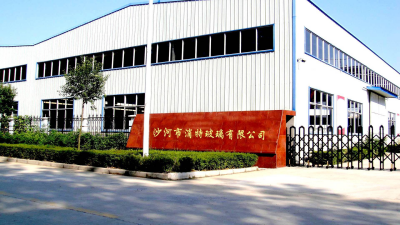
Precision glass processing lines at Shahe Shott Glass
If your operations rely on heat-resistant materials , you’re likely facing these costly inefficiencies: Data Point: A 2025 study by MarketsandMarkets found that 37% of industrial insulation failures stem from material degradation under 200°C
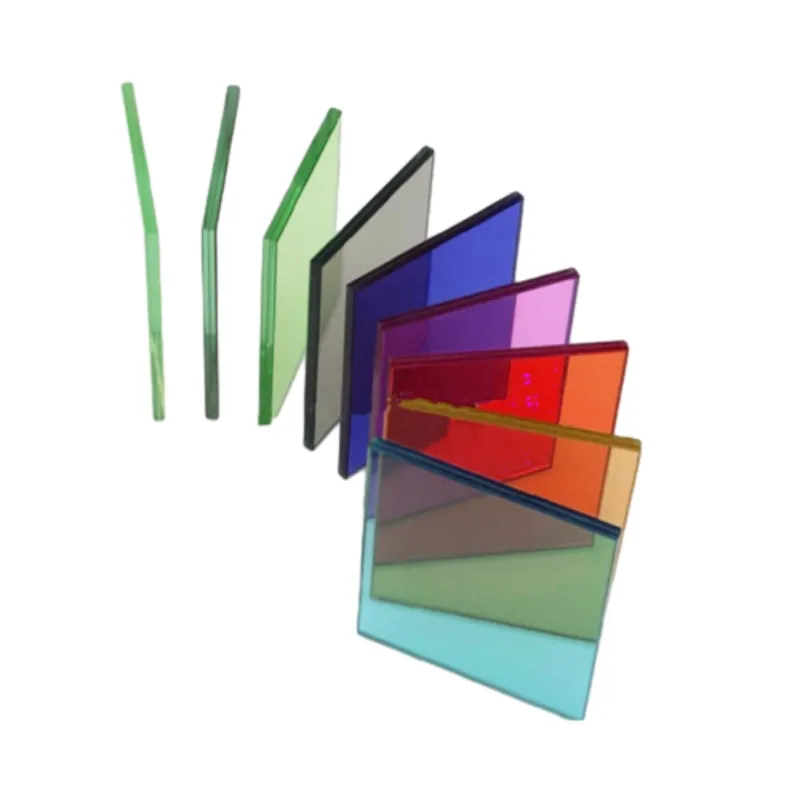
-
 16Apr
16AprPremium High Quality Float Glass for Sale and Glass Solutions
When sourcing materials for modern architecture or interior design, finding reliable float glass for sale is essential for achieving both aesthetic brilliance and structural integrity. Float glass is the gold standard for flat glass production, renowned for its exceptional clarity, uniform thickness, and smooth surface. Whether
learn more -
 09Apr
09AprGuide to Choosing a Professional glass fabrication inc for Projects
Finding a reliable glass fabrication inc is essential for any project that requires precision, safety, and aesthetic excellence. Whether you are an architect designing a modern skyscraper, a contractor renovating a luxury home, or a business owner upgrading commercial storefronts, the quality of glass fabrication determines the
learn more -
 07Apr
07AprComprehensive Guide to Custom Glass Fabrication and its Diverse Applications
When it comes to specialized projects, custom glass fabrication is often the only solution. Whether it's for architectural designs, unique furniture pieces, or specialized industrial applications,
learn more


