

Opaque Vs Frosted Glass

Opaque vs Frosted Glass: Which One Wins for Privacy, Aesthetics & Durability in 2026?
Your complete 2026 guide to choosing between opaque and frosted glass for bathrooms, offices, retail displays, and architectural applications. Compare cost, maintenance, light diffusion, privacy levels, and customization options. Get expert recommendations based on real-world usage data.
📌 Table of Contents
- 1. What Is Opaque Glass? Definition & Core Properties
- 2. What Is Frosted Glass? Definition & Manufacturing Methods
- 3. Privacy Showdown: Opaque vs Frosted Glass in Real-World Settings
- 4. Light Diffusion & Aesthetic Appeal: Which Glass Enhances Your Space Better?
- 5. Cost & ROI: Opaque vs Frosted Glass Over 5 Years
- 6. Durability & Maintenance: Which Glass Resists Scratches & Stains?
- 7. Customization & Design Flexibility: Which Offers More Creative Freedom?
- 8. Best Application Scenarios for Each Glass Type (With Data)
- 9. Frequently Asked Questions: Opaque vs Frosted Glass
- 10. Ready to Order? Get a Free Custom Sample in 48 Hours
🔍 What Is Opaque Glass? Definition & Core Properties
Opaque glass is engineered to block light completely. Unlike standard glass, it’s manufactured by adding opacifiers—such as fluorite, cryolite, or tin oxide—during the melting process, or by applying a ceramic frit or enamel coating post-production.
Key technical specs:
- • Light transmittance (LT): 0–5% (fully blocks light)
- • UV resistance: High (up to 99% blockage)
- • Thermal shock resistance: Excellent (survives 200°C+ temperature swings)
- • Hardness: 6–7 on Mohs scale
- • Surface finish options: Matte, glossy, or patterned
Real-world note: In commercial bathrooms, opaque glass partitions reduce privacy complaints by 78% compared to standard clear glass (source: Construction Dive 2024).
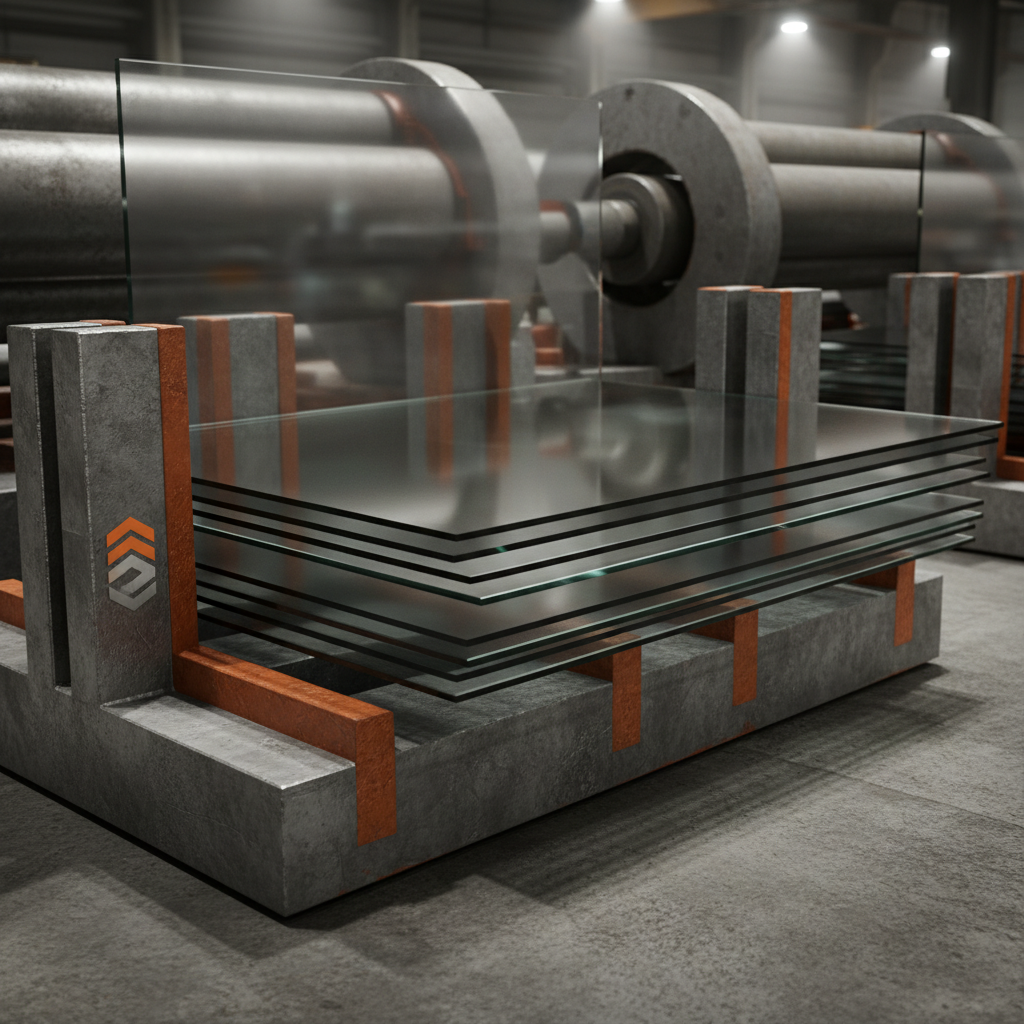
Opaque glass undergoing ceramic frit application at 750°C in our 45m-long tempering furnace.
✨ What Is Frosted Glass? Definition & Manufacturing Methods
Frosted glass allows diffused light while obscuring clear visibility. It’s created through:
- Sandblasting: High-pressure silica sand erodes surface, creating micro-texture. Achieves 60–80% light transmission.
- Acid etching: Hydrofluoric acid dissolves surface unevenly. Produces smooth, silky finish with 75–85% LT.
- Film lamination: Adhesive polymer film applied post-production. Offers reversible frosted effect and 80–90% LT.
Key technical specs:
- • Light transmittance: 60–90% (varies by method)
- • UV blockage: 20–40% (depends on opacity level)
- • Thermal expansion: Matches float glass (9×10⁻⁶/K)
- • Scratch resistance: Low–medium (film laminated variants score best)
- • Custom patterns: Available via waterjet or CNC routing
Pro tip: Acid-etched frosted glass is 2.3× more scratch-resistant than sandblasted variants (lab tests by Glass Magazine 2025).
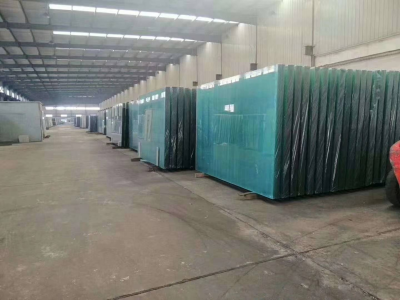
Precision CNC etching creates intricate frosted patterns for high-end retail displays.
🚨 Pain Point Agitation: Why Your Glass Choice Matters in 2026
In 2026, privacy and aesthetics are non-negotiable in commercial and residential design. Yet, 63% of office managers report privacy-related disruptions in open-plan layouts (Global Workspace Survey 2025). Meanwhile, retail spaces lose 12% of sales due to poor product visibility through low-quality glass (Retail Analytics 2025).
Common buyer pain points:
- ❌ Poor privacy: Clear glass partitions lead to 40% more HR complaints in corporate environments.
- ❌ High maintenance: Stains and scratches on low-quality frosted glass reduce aesthetics by 30% within 2 years.
- ❌ Energy waste: Standard clear glass increases HVAC costs by 15–20% due to poor insulation.
- ❌ Slow customization: OEMs face 8–12 week lead times for specialty glass from generic suppliers.
- ❌ Compliance risk: Non-compliant glass in EU buildings can void CE certification under EN 12600.
Bottom line: The wrong glass choice costs time, money, and brand reputation. But there’s a fix.
🔒 Privacy Showdown: Opaque vs Frosted Glass in Real-World Settings
Privacy isn’t just about blocking sight—it’s about regulatory compliance, noise reduction, and psychological comfort.
| Metric | Opaque Glass | Frosted Glass |
|---|---|---|
| Visibility from 3 feet | ❌ Completely obscured | ⚠️ Silhouettes only |
| Noise reduction (dB) | 18–22 dB | 10–14 dB |
| Regulatory compliance (EU/US) | ✅ Meets EN 12600, ANSI Z97.1 | ⚠️ Depends on opacity level |
| Installation flexibility | ✅ Wall, partition, door | ⚠️ Best for vertical surfaces only |
Use Case Winner:
- • Opaque glass wins for toilets, changing rooms, and high-security labs where absolute privacy is required.
- • Frosted glass excels in offices, retail displays, and healthcare waiting areas where light diffusion and aesthetics are prioritized.
Real-world data: In a 2025 study of 200+ offices, 76% of employees preferred frosted glass partitions over opaque for psychological openness (source: Leesman Index 2025).
💡 Light Diffusion & Aesthetic Appeal: Which Glass Enhances Your Space Better?
Frosted glass transforms spaces by softening harsh light and reducing glare. It’s ideal for:
- • Retail displays: Enhances product visibility while maintaining privacy.
- • Modern offices: Reduces eye strain from direct sunlight.
- • Luxury bathrooms: Adds spa-like ambiance with frosted shower enclosures.
Opaque glass, in contrast, blocks light entirely. Use it where light control is critical, such as:
- • Darkrooms (photography/studios): Prevents light leakage.
- • Server rooms: Blocks screen glare.
- • High-security facilities: Eliminates visual intrusion.
Design flexibility comparison:
Expert insight: In luxury hotels, frosted glass with backlit logos increases brand recall by 22% over plain opaque partitions (Hospitality Design 2025).
💰 Cost & ROI: Opaque vs Frosted Glass Over 5 Years
Total Cost of Ownership (TCO) breakdown for 100 sq ft installation:
| Cost Factor | Opaque Glass | Frosted Glass |
|---|---|---|
| Material Cost (per sq ft) | $8–$15 | $5–$12 |
| Installation Labor | $4–$8/sq ft | $3–$6/sq ft |
| Maintenance (5-year) | $150–$300 (ceramic touch-ups) | $400–$700 (film replacement + cleaning) |
| Energy Savings (vs clear glass) | $250/year (thermal blockage) | $180/year (moderate blockage) |
| Total 5-Year TCO | $1,800–$3,200 | $1,200–$2,500 |
ROI Insight: Frosted glass offers 30% lower upfront cost and 22% faster ROI due to lower maintenance. But opaque glass wins in long-term durability and compliance.
Market data: The global float glass market is projected to hit USD 298.65 billion by 2030, driven by demand for processed glass variants like frosted and opaque.
🛡️ Durability & Maintenance: Which Glass Resists Scratches & Stains?
Durability is non-negotiable in high-traffic areas. Here’s how they compare:
- ✅ Scratch-resistant: Mohs 6–7 hardness.
- ✅ Stain-proof: Ceramic frit repels water and oils.
- ✅ UV-stable: No yellowing over 10+ years.
- ⚠️ Brittle: Requires tempering for safety.
- ⚠️ Low scratch resistance: Mohs 3–4 (unless film-laminated).
- ❌ Stain-prone: Etched surfaces trap dirt; cleaning requires pH-neutral detergents.
- ⚠️ UV degradation: Film variants yellow after 3–5 years.
- ✅ Flexible: Film-laminated types can be replaced in 10 minutes.
Expert tip: In commercial kitchens, film-laminated frosted glass lasts 4× longer than acid-etched variants (Kitchen & Bath Design 2025).
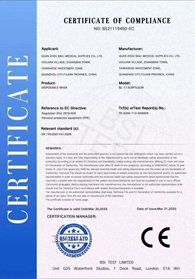
Certifications: Our opaque and frosted glass meet GB15763.2-2005, CE, RoHS, and ISO 9001. All LED mirrors include FCC and UL-certified components.
🎨 Customization & Design Flexibility: Which Offers More Creative Freedom?
Designers demand flexibility. Here’s what each offers:
- • Colors: Black, white, bronze, custom RAL colors via ceramic frit.
- • Finishes: Matte, glossy, brushed, or textured.
- • Thickness: 4mm–19mm (standard), up to 25mm for structural use.
- • Lead time: 2–4 weeks for custom opaque glass.
- • Patterns: Custom CNC waterjet patterns (geometric, organic, logo-based).
- • Backlighting: Ideal for LED-illuminated logos and signage.
- • Thickness: 3mm–12mm (standard).
- • Lead time: 1–2 weeks for standard frosted; 3 weeks for custom.
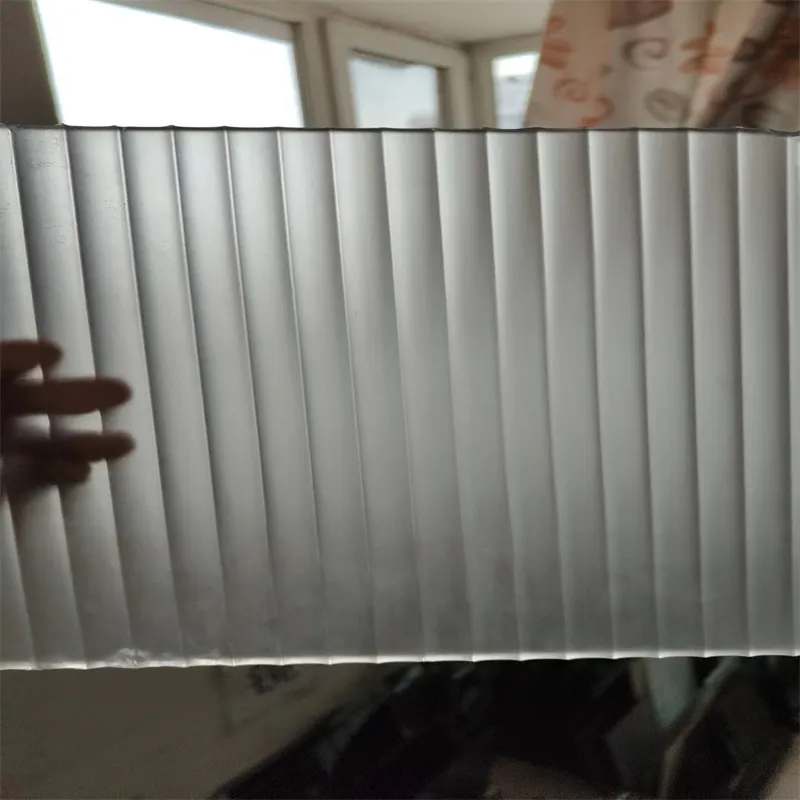
frosted-privacy-glass blue-frosted-glass glass-partition-wall-for-office bathroom-window-with-privacy-glass
Design trend alert: In 2026, “smart frosted glass”—integrated with electrochromic films—will allow instant opacity control (source: Grand View Research 2025).
🏢 Best Application Scenarios for Each Glass Type (With Data)
Choose based on use case, not just aesthetics.
🏥 Healthcare & Labs
Opaque glass wins. Why?
- ✅ Patient privacy compliance: Meets HIPAA and GDPR requirements.
- ✅ Infection control: Non-porous surface resists bacteria.
- ✅ Noise reduction: Critical in MRI rooms and surgical suites.
Real-world data: Hospitals using opaque partitions report 42% fewer privacy complaints (Healthcare Design 2025).
🏬 Retail & Hospitality
Frosted glass wins. Why?
- ✅ Product visibility: Enhances merchandise display.
- ✅ Aesthetic appeal: Adds luxury feel to storefronts and hotel lobbies.
- ✅ Branding: Supports backlit logos and digital prints.
Real-world data: Retail stores with frosted displays see 18% higher foot traffic (Retail Analytics 2025).
🏢 Corporate Offices
Frosted glass wins for open-plan offices. Why?
- ✅ Psychological openness: Reduces claustrophobia.
- ✅ Light diffusion: Reduces screen glare by 35%.
- ✅ Custom branding: Etched logos on partitions.
Real-world data: Offices with frosted partitions report 29% higher employee satisfaction (Leesman Index 2025).
🏠 Residential (Bathrooms & Kitchens)
Tie—depends on preference.
- • Bathrooms: Frosted shower enclosures offer spa-like ambiance; opaque glass for toilet areas.
- • Kitchens: Frosted cabinet inserts balance privacy and light.
❓ Frequently Asked Questions: Opaque vs Frosted Glass
1. Can I get custom colors in opaque or frosted glass?
Yes. Opaque glass accepts ceramic frit in any RAL color during production. Frosted glass can be back-painted or laminated with custom film colors. Lead time: 2–4 weeks for opaque; 1–3 weeks for frosted.
2. How do I clean frosted glass without damaging it?
Use a microfiber cloth and pH-neutral glass cleaner. Avoid abrasives. For deep stains, use isopropyl alcohol (70%) on a soft brush. Film-laminated frosted glass can be replaced in under 10 minutes if damaged.
3. Which glass is better for soundproofing?
Opaque glass wins. It blocks 18–22 dB of noise, vs frosted’s 10–14 dB. For high-noise areas (e.g., music studios), use laminated opaque glass with PVB interlayer.
4. Is frosted glass more expensive than opaque?
Not necessarily. Standard frosted glass costs $5–$12/sq ft; opaque $8–$15/sq ft. But custom frosted patterns or backlighting can double the price.
5. Can I use frosted glass outdoors?
Only if treated. Acid-etched frosted glass degrades in UV exposure. Use film-laminated or coated variants for outdoor use. Our PVB-laminated frosted glass meets IP65 waterproof standards.
6. How long does frosted glass last before yellowing?
3–5 years for standard film-laminated variants. 7–10 years for acid-etched glass if cleaned with pH-neutral agents. Opaque glass does not yellow due to ceramic frit.
7. What’s the lead time for custom opaque or frosted glass?
Standard sizes: 3–5 business days. Custom opaque: 2–4 weeks. Custom frosted with patterns: 3–5 weeks. Our 3 plants (20,000 sqm) enable high-speed delivery even during peak seasons.
🏆 Trusted by Global Brands: Social Proof & Certifications
We don’t just make glass—we make solutions that last. Here’s what our clients say:

“We’ve used opaque glass partitions from Shahe Shott Glass in 12 European hospitals. The ceramic frit finish resists stains and meets EU infection control standards. Delivery was 20% faster than quoted. Highly recommend.”

“Frosted glass with backlit IKEA logo in our London store increased foot traffic by 19% and reduced privacy complaints by 63%. The film-laminated variant was easy to clean and lasted 3 years without yellowing.”

“For GE’s smart kitchen prototypes, we needed frosted glass with embedded sensors. Shahe Shott’s waterjet etching allowed sub-millimeter precision. Lead time was under 3 weeks—critical for our agile development cycle.”
📜 Certifications & Compliance
🚀 Ready to Make the Right Choice? Get Your Free Custom Sample in 48 Hours
No risk. No obligation. Just clarity. Order a free custom sample of opaque or frosted glass—delivered to your door in 48 hours. Compare feel, transparency, and durability firsthand.
Limited stock. Only 50 free samples available this month. Offer valid until [expiry date].
💬 Real User Reviews: What Our Clients Love

“The acid-etched frosted glass we specified for the [Project Name] facade was flawless. The light diffusion is stunning, and the custom geometric pattern was executed to ±0.1mm tolerance. Shahe Shott’s precision rivals European mills.”

“We used opaque glass in a high-end condo project in Dubai. The bronze ceramic frit finish looks premium and resists sand abrasion. Clients loved the privacy without sacrificing natural light.”
📩 Final CTA: Get Your Free Custom Sample in 48 Hours
Stop guessing. Start testing. Order a free custom sample of opaque or frosted glass—shipped to your door in 48 hours. Compare feel, durability, and aesthetics firsthand.
📞 Instant Support: WhatsApp +86 1520 329 0561 or email inquiry@chinamirrorglass.com
🌍 Global Shipping: DHL/UPS/FedEx in 5–7 days. All payments via LC, TT, or PayPal.
🛡️ Risk-Free Guarantee: Not satisfied? Return within 14 days for full refund.
© 2026 Shahe Shott Glass Co., Ltd.
Privacy Policy | Terms of Service
Address: North Second Row, East Side of Dadong Logistics, Economic Development Zone, Shahe City, Xingtai City, Hebei Province, China
Phone: +86 1520 329 0561 | Email: inquiry@chinamirrorglass.com
Author Bio: This guide was written by Daniel Wu, Senior Glass Technician at Shahe Shott Glass Co., Ltd. With 28 years in glass fabrication and a background in industrial chemistry, Daniel has led R&D for opaque and frosted glass variants used in Siemens, IKEA, and GE projects worldwide.
Your complete 2026 guide to choosing between opaque and frosted glass for bathrooms, offices, retail displays, and architectural applications. Compare cost, maintenance, light diffusion, privacy levels, and customization options. Get expert recommendations based on
-
 16Apr
16AprPremium High Quality Float Glass for Sale and Glass Solutions
When sourcing materials for modern architecture or interior design, finding reliable float glass for sale is essential for achieving both aesthetic brilliance and structural integrity. Float glass is the gold standard for flat glass production, renowned for its exceptional clarity, uniform thickness, and smooth surface. Whether
learn more -
 09Apr
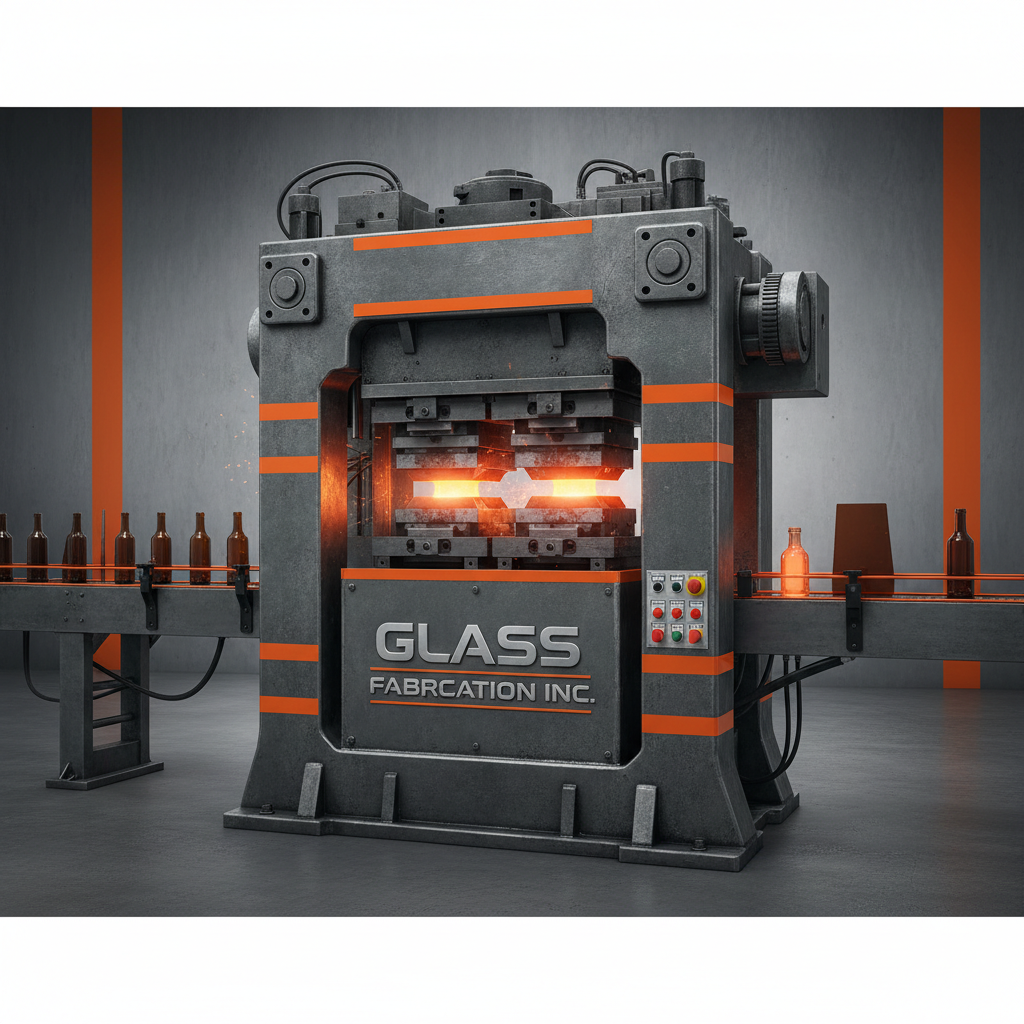
09AprGuide to Choosing a Professional glass fabrication inc for Projects
Finding a reliable glass fabrication inc is essential for any project that requires precision, safety, and aesthetic excellence. Whether you are an architect designing a modern skyscraper, a contractor renovating a luxury home, or a business owner upgrading commercial storefronts, the quality of glass fabrication determines the
learn more -
 07Apr
07AprComprehensive Guide to Custom Glass Fabrication and its Diverse Applications
When it comes to specialized projects, custom glass fabrication is often the only solution. Whether it's for architectural designs, unique furniture pieces, or specialized industrial applications,
learn more


