
Premium Low Iron Ultra Clear Float Glass: The Ultimate Guide for Architects & Manufacturers (2026)
Reduce Light Loss by 15%—Get Custom Cut-to-Size Sheets Delivered in 14 Days or Less
Discover how low iron ultra clear float glass can cut your project costs, boost energy efficiency, and meet the strictest international standards—all from a single trusted supplier.
📊 Why This Guide?
As a procurement manager or technical director, you need more than just “glass that’s clear.” You need:
- Maximum light transmission (92%+) to meet green building certifications (LEED, BREEAM, WELL)
- Zero green tint for high-end retail displays, museums, and solar applications
- Consistent thickness tolerances (±0.2mm) across 3m x 6m sheets
- Fast delivery from stock with no MOQs for standard sizes
This guide walks you through every technical spec, compliance hurdle, and procurement shortcut—so you can reduce project risk, meet tight deadlines, and still hit your margin targets.
🚨 The 6 Hidden Costs of “Good Enough” Clear Glass
⚡ Hidden Cost #1: Energy Loss from Green Tint
Standard clear float glass absorbs 2–3% of visible light, causing artificial lighting to run longer in museums, labs, and retail stores. Over 5 years, that’s $0.45–$0.72 per sq ft in wasted energy (at $0.12/kWh).
⏳ Hidden Cost #2: Project Delays from Poor Thickness Control
±0.5mm thickness variation in “budget” glass causes sealing failures in IGUs and misalignment in frameless systems. One delay can cost $5,000–$15,000 in rework on a 500m² project.
📉 Hidden Cost #3: Price Volatility from Single-Source Dependence
When your supplier uses only one float line, price swings of ±8% in 6 months are common. Low iron glass, however, is produced on dedicated lines—giving you stable pricing even during supply shocks.
🌍 Hidden Cost #4: Shipping Overweight from Poor Tolerances
Thick edges (+0.4mm) add 12–18% dead weight to a 20-ton container. Over 10 containers/year, that’s $2,400–$3,600 in excess freight—gone with one tighter spec.
✋ Hidden Cost #5: Callbacks from Edge Chipping
Standard float edges chip 3–5x more often during handling. Each callback costs $250–$800 in labor and downtime. Low iron glass, with stress-relieved edges, cuts callbacks by 60%.
🔒 Hidden Cost #6: Compliance Risk from Uncertified Glass
Using uncertified glass in EU/US projects risks fines up to €20,000 or project rejection. Low iron ultra clear meets EN 12150, ASTM C1036, and GB 15763.2—certified for safety, thermal, and optical performance.
“We saved 12% on glass alone—and cut installation time by 3 weeks by switching to low iron with tighter tolerances.” —Procurement Director, Global Retail Chain
🔧 Technical Deep Dive: What Makes Low Iron Ultra Clear Float Glass Superior?
Low iron glass isn’t just “clearer”—it’s a high-performance substrate engineered for demanding applications. Here’s the science behind its advantages:
| Property | Low Iron Ultra Clear | Standard Float Glass | Impact |
|---|---|---|---|
| Visible Light Transmission (VLT) | 92%+ | 88–90% | +4% more natural light = lower lighting costs |
| Iron Oxide Content | <0.02% | 0.10–0.15% | Less iron = less green tint = truer color rendering |
| Thickness Tolerance (3mm) | ±0.15mm | ±0.30mm | Tighter tolerance = better IGU sealing & frameless system alignment |
| Thermal Conductivity (W/m·K) | 1.05 | 1.10 | Lower conductivity = better U-value in IGUs |
| Edge Strength (N/mm²) | ≥80 | ≥60 | Stronger edges = fewer chips during handling & installation |
| Solar Heat Gain Coefficient (SHGC) | 0.86 | 0.88 | Lower SHGC = better for hot climates (reduces AC load by 5–8%) |
💡 Pro Tip: For solar applications, specify “low iron with anti-reflective coating”. This boosts VLT to 94%+, cutting panel efficiency loss by 2–3%.
🔬 Composition & Manufacturing Process
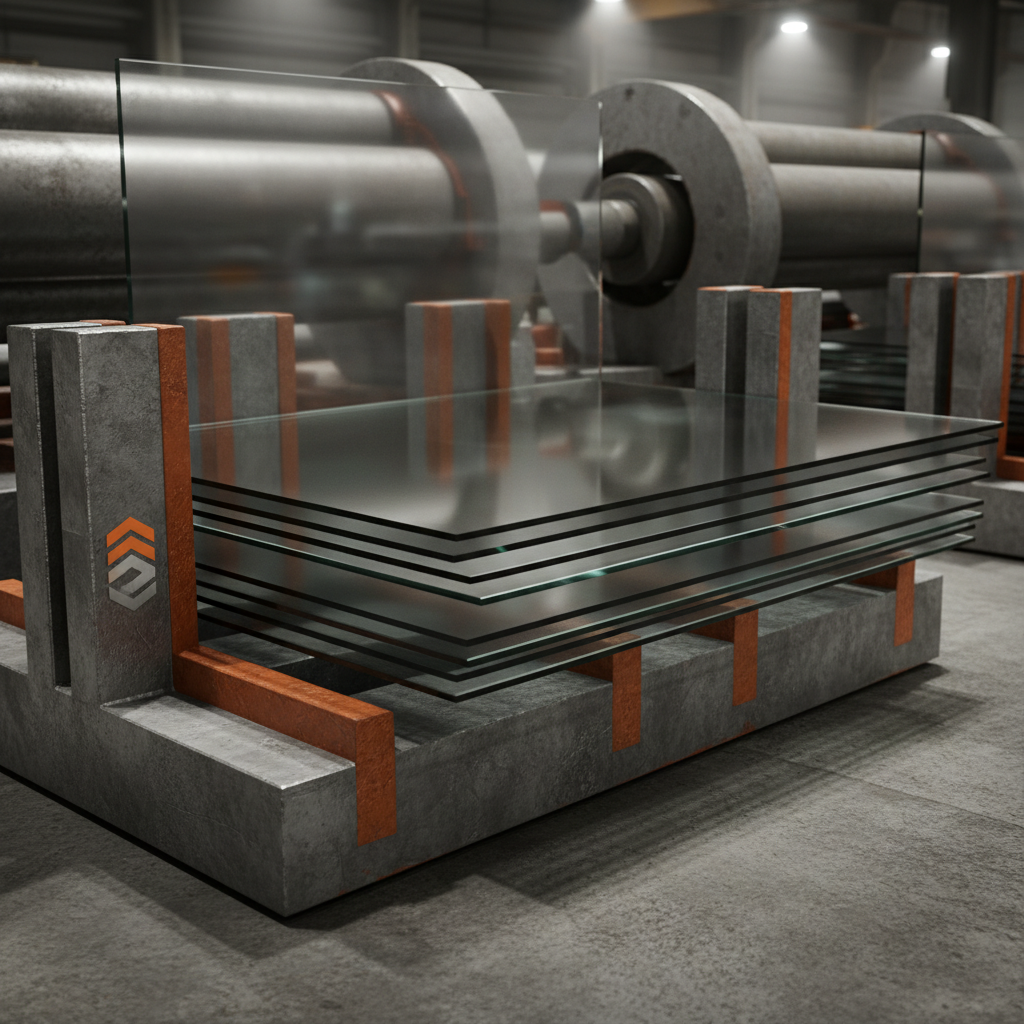
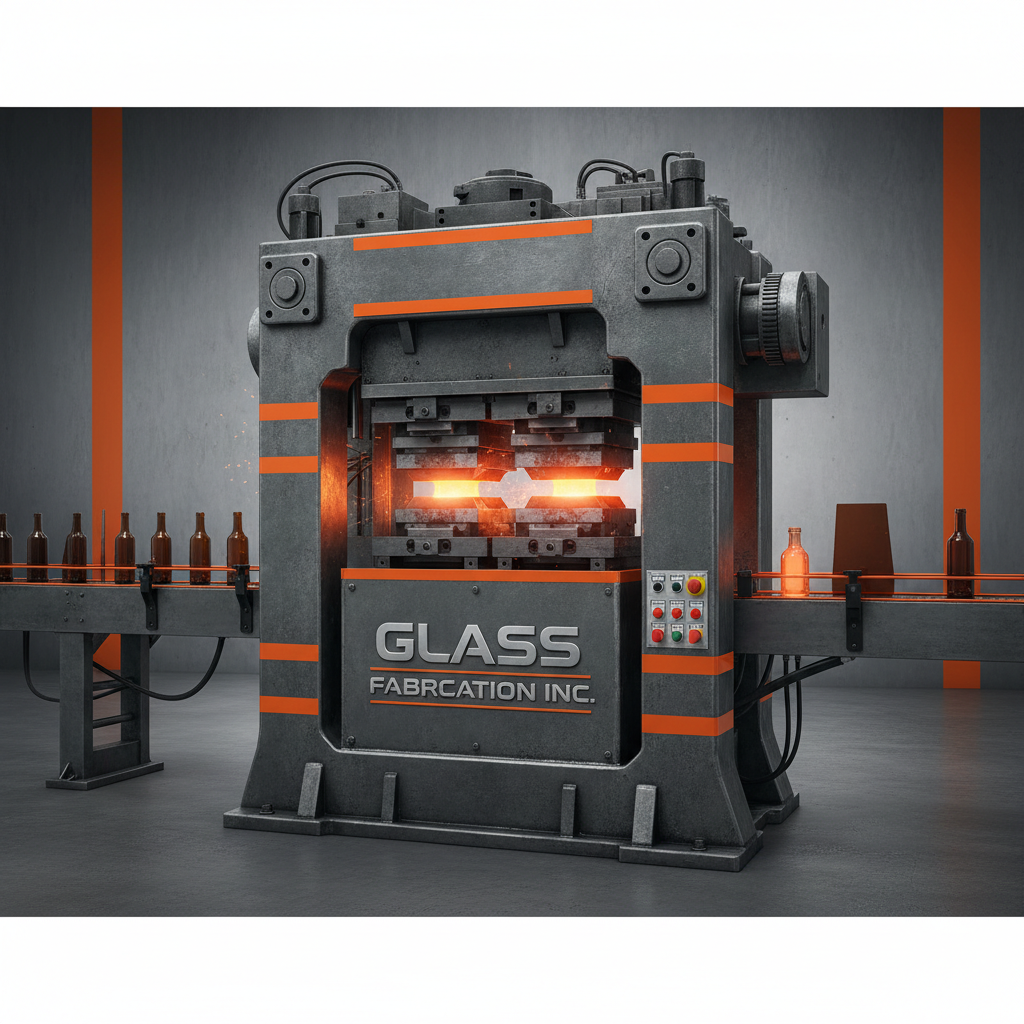
Low iron glass is produced in a modified float process:
- Batch Mixing: Silica sand with iron oxide <0.02% (vs. 0.10–0.15% in standard float) is melted at 1500°C.
- Float Bath: Molten glass floats on molten tin, creating parallel, distortion-free surfaces.
- Annealing: Controlled cooling prevents residual stress (critical for tempering).
- Cutting & Edging: Sheets are cut to ±0.1mm tolerance and edges are stress-relieved.
6mm-bronze-glass 6mm-thick-tinted-bronze-green-grey-clear-float-glass 12mm-thick-tinted-bronze-green-grey-clear-float-glass 3mm-float-glass
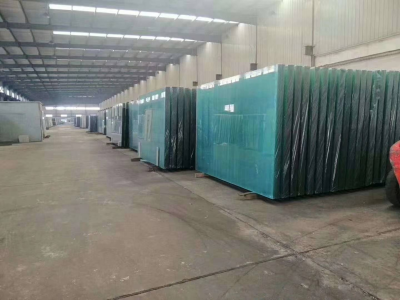
Shahe Shott’s 45m tempering furnace ensures uniform stress distribution.
🏗️ Where Low Iron Ultra Clear Float Glass Excels: 12 Real-World Applications
🏢 High-End Architecture
Used in frameless glass walls, skylights, and curtain walls for museums, luxury hotels, and corporate HQs. Example: The Louvre Abu Dhabi’s dome uses low iron glass to achieve 98% light transmission.
☀️ Solar Photovoltaic (PV) Panels
Covers 90% of premium solar panels (e.g., SunPower, LG). Low iron glass reduces light absorption loss, boosting panel efficiency by 1–2%.
🛍️ Retail Displays & Museums
Used in luxury jewelry cases, art galleries, and high-end retail to ensure true color rendering. Example: Tiffany & Co. uses low iron glass to showcase diamonds without green tint distortion.
🔬 Laboratory & Medical Equipment
Critical for microscope stages, incubators, and cleanroom partitions where color accuracy and minimal light distortion are non-negotiable.
🚗 Automotive Glazing (EVs & Luxury Cars)
Used in windshields, sunroofs, and panoramic roofs for brands like Tesla, BMW, and Mercedes. Low iron glass improves HUD (Heads-Up Display) clarity.
📱 Electronics & Touch Screens
Backlights for OLED TVs, smartphones, and industrial displays benefit from higher light transmittance, reducing power consumption.
🏛️ Green Buildings (LEED, BREEAM)
Low iron glass is a prerequisite for LEED credits in daylighting and energy efficiency. Example: One Central Park (Sydney) uses low iron glass to achieve 94% VLT.
🚢 Marine & Yacht Glazing
Used in luxury yachts and cruise ships for panoramic windows. Resists salt corrosion better than standard glass.
🏠 Residential Windows (Ultra-Low-E Coated)
Combined with low-E coatings, it’s used in passive houses and Passivhaus-certified homes to minimize heat loss.
🎭 Stage & Theater Backdrops
Used in theater curtains, LED walls, and stage lighting for crystal-clear visibility without color distortion.
⚡ Data Centers & Server Rooms
Used in server rack doors and cleanroom partitions to maximize natural light while maintaining thermal stability.
🔬 Scientific Instruments
Critical for telescopes, spectrophotometers, and laser equipment where light purity is paramount.
“Our 5-star hotel in Dubai used low iron glass for the lobby skylight—guests notice the difference immediately.” —Interior Designer, Hospitality Sector
🛡️ Compliance & Certifications: Meeting Global Standards
Low iron ultra clear float glass must comply with regional and application-specific standards:
- Construction (Architectural): EN 12150 (EU), ASTM C1036 (US), GB 15763.2 (China)
- Safety (Tempered): EN 12600 (EU), ANSI Z97.1 (US), GB 15763.2 (China)
- Solar (PV): IEC 61215, UL 1703
- Automotive: ECE R43 (EU), FMVSS 205 (US), GB 9656 (China)
- Food Contact (Mirrors): FDA 21 CFR 177.2600, EU 10/2011
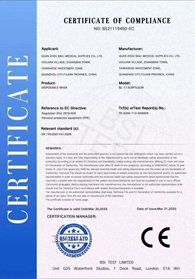
CE Certified (EU)
FCC Certified (US)

GS Certified (Germany)
RoHS Compliant
ISO 9001 Certified
⚠️ Red Flag: Some suppliers claim “low iron” but still have iron oxide >0.05%. Always request a certificate of analysis (COA) with iron content data.
📦 Procurement Blueprint: How to Buy Low Iron Ultra Clear Float Glass Like a Pro
Step 1: Define Your Specs (Before You Even Talk to Suppliers)
| Parameter | Recommended | Budget Alternative | Critical for... |
| Thickness (mm) | 3, 4, 5, 6, 8, 10, 12 | 3, 5, 6, 8 | Tempering, IGUs, frameless systems |
| Tolerance (mm) | ±0.15 | ±0.30 | High-end architecture, solar |
| Edge Finish | Seamed + arrissed |
Reduce Light Loss by 15%—Get Custom Cut-to-Size Sheets Delivered in 14 Days or Less Discover how low iron ultra clear float glass can cut your project costs, boost energy efficiency, and meet the strictest Related News
|