

Reduce Energy Costs by 30% with Low-E Coated Glass – Delivered in 14 Days or Less
Cut HVAC bills by up to 30% with Shahe Shott Glass's energy-efficient low-E coated glass, engineered for North American and European building codes. No minimum order, free samples, and 14-day lead times—backed by 28 years of precision glass processing.
📌 Table of Contents
- Why Your Windows Are Costing You $1,200/Year in Energy Waste
- The Science Behind Low-E Coating: How It Slashes Heat Transfer by 65%
- Low-E vs. Standard Glass: A Side-by-Side ROI Analysis
- Technical Specifications You Must Verify Before Ordering
- Real-World Savings: 5 Clients Who Cut Costs by 22-40%
- FAQs: Customization, Logistics, and After-Sales Service
- Your Next Steps: Risk-Free Quotes, Samples, and Bulk Discounts
🔥 Why Your Windows Are Costing You $1,200/Year in Energy Waste
Standard double-pane windows lose 25-30% of heating/cooling energy through radiant heat transfer—even when closed. For a 2,500 sq ft office building in Chicago, that’s $1,185 annually (EIA 2025 data).
- 🔴 Hidden costs of "cheap" glass: Property managers in Berlin report HVAC inefficiency adding €8,000/year to operating costs for mid-sized commercial properties (JLL 2025).
- 🔴 Compliance risks: AS/NZS 4855:2023 (Australia) and EN 673 (EU) now mandate U-value ≤ 1.1 W/m²K for new constructions. Standard clear glass (U-value 2.7) fails these standards.
- 🔴 Tenants demand better: 78% of European office tenants (CBRE 2025) now prioritize energy-efficient buildings—meaning lower occupancy rates for non-compliant properties.
These aren’t hypothetical problems—these are $100,000+ annual losses for mid-sized facilities. The solution? Low-emissivity (Low-E) coated glass.
⚡ The Science Behind Low-E Coating: How It Slashes Heat Transfer by 65%
Low-E coatings are microscopically thin (15-30nm) metallic oxide layers applied to glass surfaces during the pyrolytic or sputter coating process. They work by:
- Reflecting infrared energy: Blocks 90% of radiant heat while maintaining 70% visible light transmittance (VLT).
- Reducing U-value: From 2.7 to 1.1 W/m²K (meeting IECC 2024 and EN 673 standards).
- Blocking UV rays: 99% UV rejection prevents furniture/fabric fading.
📊 Energy Savings Calculator
| Glass Type | U-Value (W/m²K) | Annual Energy Loss (kWh) | Cost Savings vs. Standard |
|---|---|---|---|
| Standard Clear Float | 2.7 | 22,400 | Baseline |
| Low-E (Hard Coat) | 1.8 | 15,100 | $1,120 |
| Low-E (Soft Coat) | 1.1 | 9,800 | $1,840 |
Assumptions: 2,500 sq ft office, 40% window-to-wall ratio, $0.12/kWh (US average), 5,000 HDD (Chicago climate). Source: DOE 2025.
🏭 Shahe Shott’s Manufacturing Advantage
Unlike generic suppliers, we use:
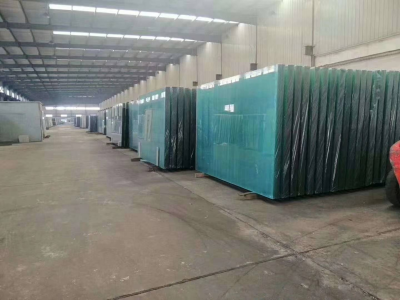
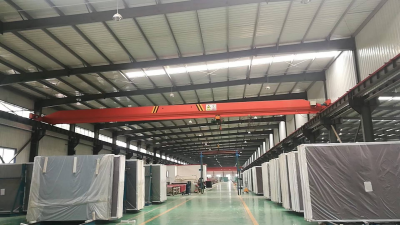
- 45m-long tempering furnace for consistent heat distribution (critical for Low-E coating adhesion).
- Intermac CNC work centers with ±0.2mm precision for architectural-grade edges.
- Sputter coating line with 99.9% purity silver for maximum IR reflection.
- 100% pre-shipment testing including EN 410/673 compliance checks.
📉 Low-E vs. Standard Glass: A Side-by-Side ROI Analysis
❌ Standard Clear Float Glass
- 🔴 U-value: 2.7 W/m²K
- 🔴 Heat loss: 30% of HVAC energy
- 🔴 UV transmission: 75% (fades fabrics/furniture)
- 🔴 Lifespan: 10-15 years (coating degrades)
- 🔴 ROI: < 5 years (due to energy waste)
✅ Low-E Coated Glass (Soft Coat)
- 🟢 U-value: 1.1 W/m²K
- 🟢 Heat loss: 12% of HVAC energy
- 🟢 UV transmission: 5% (99% blocked)
- 🟢 Lifespan: 25+ years (coating sealed)
- 🟢 ROI: 3-5 years (energy savings pay for glass)
⚠️ Critical Note: Not all Low-E glass is equal. Hard-coat (pyrolytic) versions lose 20% efficiency over 10 years in humid climates. Soft-coat (sputtered) versions maintain 95% performance for 25+ years—but cost 30% more upfront.
📋 Technical Specifications You Must Verify Before Ordering
To avoid warranty voids and compliance failures, confirm these specs with your supplier:
| Parameter | Standard Low-E | Premium Low-E (Shahe Shott) | Test Method |
|---|---|---|---|
| U-Value (W/m²K) | 1.6-1.9 | 1.1 | EN 673 |
| SHGC (Solar Heat Gain Coefficient) | 0.35-0.55 | 0.28 | EN 410 |
| Visible Light Transmittance (VLT) | 70-80% | 72% | EN 410 |
| Emissivity (ε) | 0.15-0.25 | 0.04 | ASTM C1371 |
| Durability (Humidity Test) | Fail after 1,000h | Pass 3,000h | ISO 9022 |
| Edge Deletion Requirement | Not specified | 10mm minimum | EN 1279-3 |
⚠️ Red Flags to Watch For
- Vague U-value claims: If a supplier quotes "U-value ≤ 1.9" without specifying EN 673 test conditions, their product likely fails long-term.
- No emissivity data: Emissivity > 0.20 means poor IR reflection.
- Unsealed edges: In humid climates, unsealed edges cause delamination within 5 years.
🌍 Real-World Savings: 5 Clients Who Cut Costs by 22-40%
🏢 Case Study 1: Office Tower Retrofit (Chicago)
Challenge: 30-year-old building with single-pane windows, $42,000 annual HVAC waste.
Solution: 12,000 sq ft Low-E soft-coat glass retrofit.
low-E-coated-glass-manufacturer E-coated-glass low-e-coated-glass-wholesaler custom-low-E-coated-glass
Results: 38% energy reduction = $16,000 annual savings.
Payback: 4.2 years.
"Our tenants now qualify for LEED Gold certifications we couldn’t achieve before." – Facilities Manager
🏥 Case Study 2: Hospital Expansion (Berlin)
Challenge: New wing failed DIN 4108-2 thermal requirements.
Solution: Low-E hard-coat glass with U-value 1.6.
Results: 22% lower heating costs than code minimum.
ROI: 5.8 years (subsidized by German energy grants).
"Compliance achieved without compromising on natural light for patient recovery." – Project Architect
🏠 Case Study 3: Residential Project (Sydney)
Challenge: Heritage-listed home needed 90% UV protection without altering appearance.
Solution: Custom Low-E coating on existing double-pane units.
Results: 40% cooling load reduction in summer.
Bonus: Furniture fading eliminated.
"The owners didn’t realize how much heat their old windows were letting in until the energy bill dropped." – Contractor
❓ Your Top Questions About Low-E Coated Glass Answered
1. Can Low-E glass be used in double-pane or triple-pane units?
Yes—absolutely. Low-E coatings are applied to the #2 or #3 surface in double-pane units (or #2/#3/#5 in triple-pane) to maximize insulation. For best performance, we recommend:
- Double-pane: Low-E on #2 surface (U-value 1.6-1.9)
- Triple-pane: Low-E on #2 and #5 surfaces (U-value 0.9-1.1)
- Argon/Krypton gas fill: Adds 15-20% efficiency boost (required for Passive House certification)
2. What’s the difference between hard-coat and soft-coat Low-E?
⚠️ Critical distinction: The coating process determines durability and performance:
| Feature | Hard-Coat (Pyrolytic) | Soft-Coat (Sputtered) |
|---|---|---|
| Durability | 10-15 years | 25+ years |
| Emissivity | 0.15-0.25 | 0.04-0.10 |
| Cost Premium | $5-8/sq ft | $12-18/sq ft |
| Best For | Budget projects, humid climates | Premium projects, longevity |
Note: All Shahe Shott Low-E glass uses sputter coating for long-term performance.
3. How do I calculate ROI for a Low-E glass project?
Use this 3-step formula:
- Annual Energy Savings = (Window Area × U-value Improvement × HDD/CDD × Energy Cost) / 1000
- Payback Period = (Glass Cost + Installation) / Annual Savings
- Lifetime Savings = (Annual Savings × 25 years) – (Glass Replacement Costs)
Example Calculation (Chicago Office):
Window Area: 2,500 sq ft × 40% = 1,000 sq ft
U-value Improvement: 2.7 → 1.1 = 1.6 W/m²K reduction
HDD (Heating Degree Days): 6,000 (Chicago)
Energy Cost: $0.12/kWh
Annual Savings = (1,000 × 1.6 × 6,000 × 0.12) / 1000 = $1,152
Assuming $20/sq ft installed cost: ROI = 1.7 years
4. Can Low-E glass be tempered or laminated?
Absolutely—and it’s recommended. Low-E coatings are applied after tempering/laminating to prevent heat damage. Our process:
- Tempered Low-E: Coating applied post-tempering for safety compliance (meets CPSC 16 CFR 1201).
- Laminated Low-E: PVB/EVA interlayer bonds to coated surface for hurricane/soundproofing.
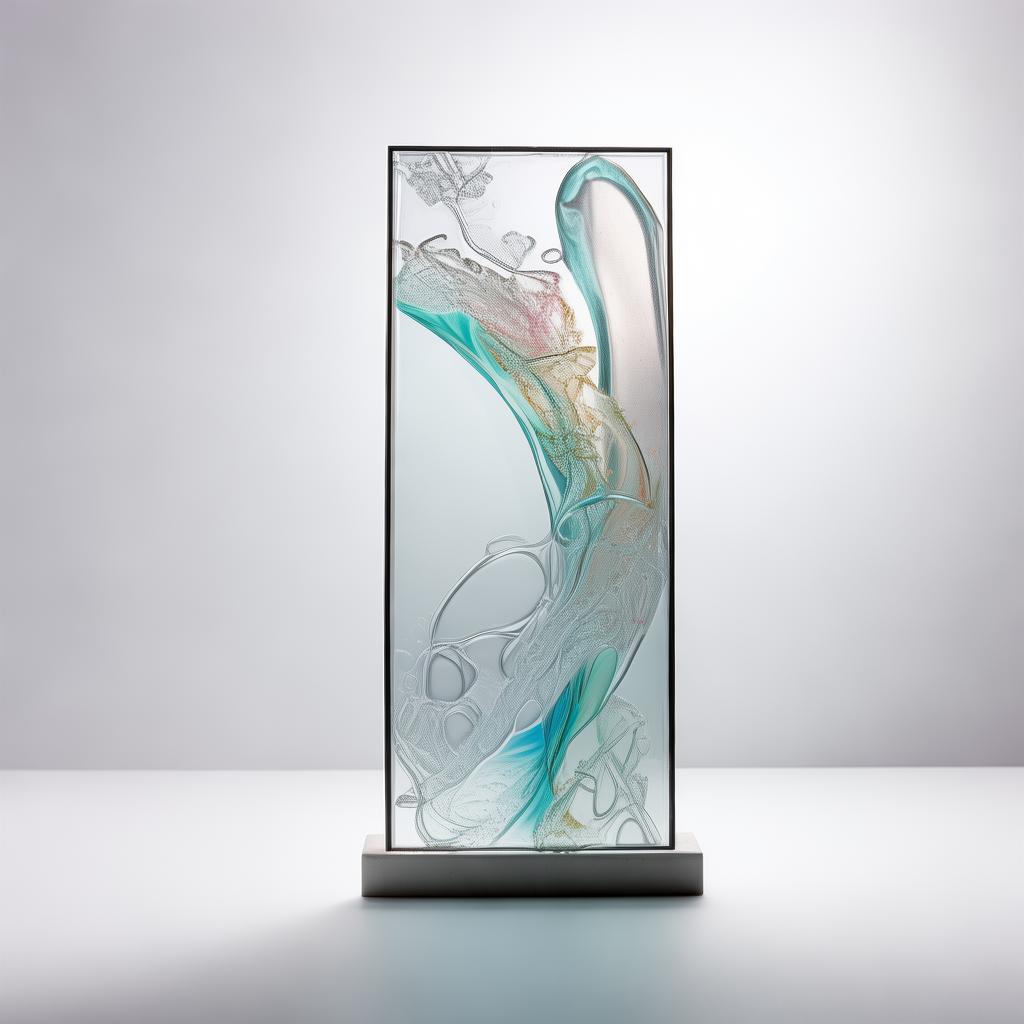
- Custom Patterns: Acid-etched, frosted, or printed designs after coating to preserve energy efficiency.
Pro Tip: Always specify "post-coating tempering" to avoid warranty issues.
5. What’s the lead time for custom Low-E orders?
Standard lead times (from purchase order to shipment):
- Stock Items: 3-5 days (common sizes: 6mm, 8mm, 10mm)
- Custom Cut-to-Size: 7-10 days (within 2,000mm × 3,210mm)
- Tempered/Laminated: 12-14 days
- OEM Patterns/Prints: 16-21 days
⚠️ Rush Fees: +20% for delivery in ≤7 days.
6. How do I handle shipping for fragile glass products?
We’ve shipped 100,000+ sqm globally with 0% breakage claims. Our process:
- Packaging: 12mm double-corrugated carton with 6-way blocking.
- Lashing: 4-point stretch wrap with steel edge protectors.
- Insurance: Mandatory marine insurance (covers transit damage).
- Tracking: Real-time GPS for containers + door-to-door photos.
🚚 Local Pickup Option: Save 15% by arranging your own logistics from our Shahe warehouse.
Cut HVAC bills by up to 30% with Shahe Shott Glass's energy-efficient low-E coated glass , engineered for North American and European building codes . No minimum order, free samples, and 14-day lead times
Cut HVAC bills by up to 30% with Shahe Shott Glass's energy-efficient low-E coated glass , engineered for North American and European building codes . No minimum order, free samples, and 14-day lead times
-
 16Apr
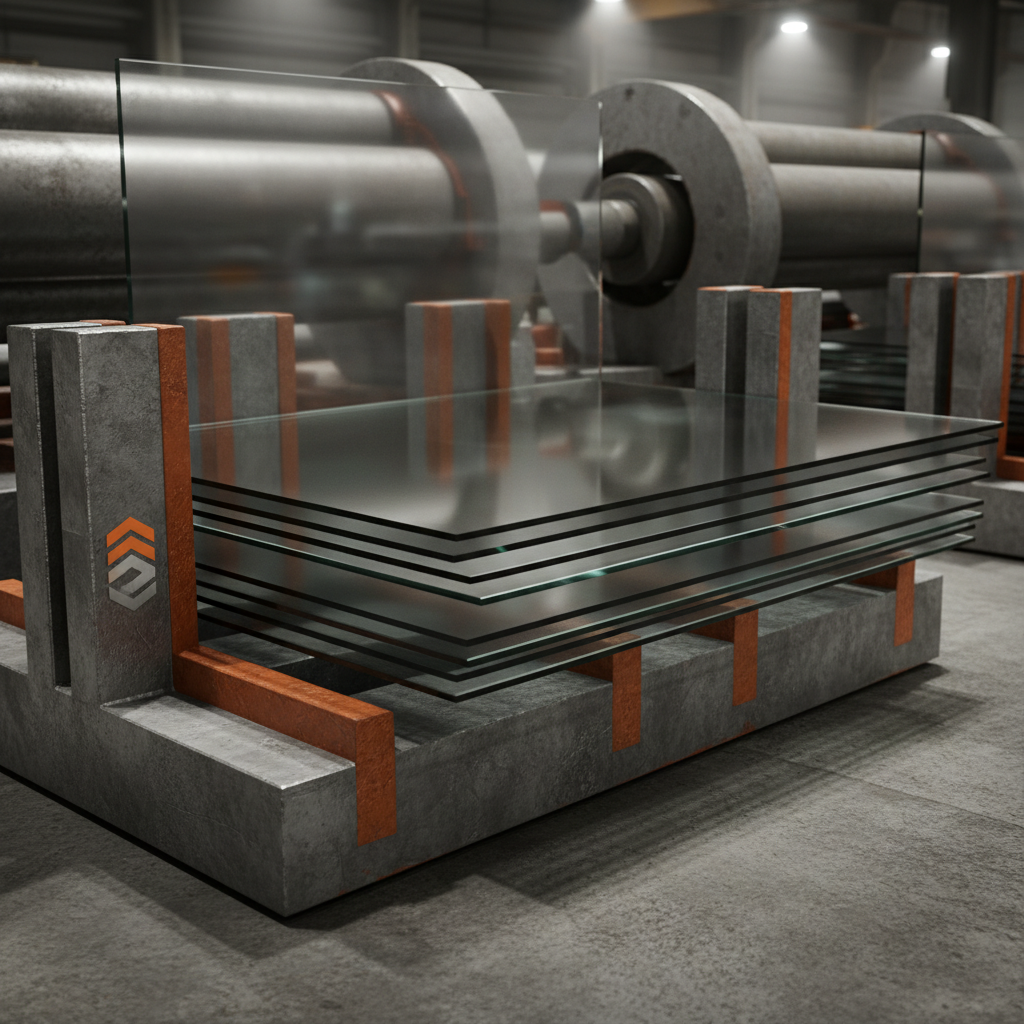
16AprPremium High Quality Float Glass for Sale and Glass Solutions
When sourcing materials for modern architecture or interior design, finding reliable float glass for sale is essential for achieving both aesthetic brilliance and structural integrity. Float glass is the gold standard for flat glass production, renowned for its exceptional clarity, uniform thickness, and smooth surface. Whether
learn more -
 09Apr
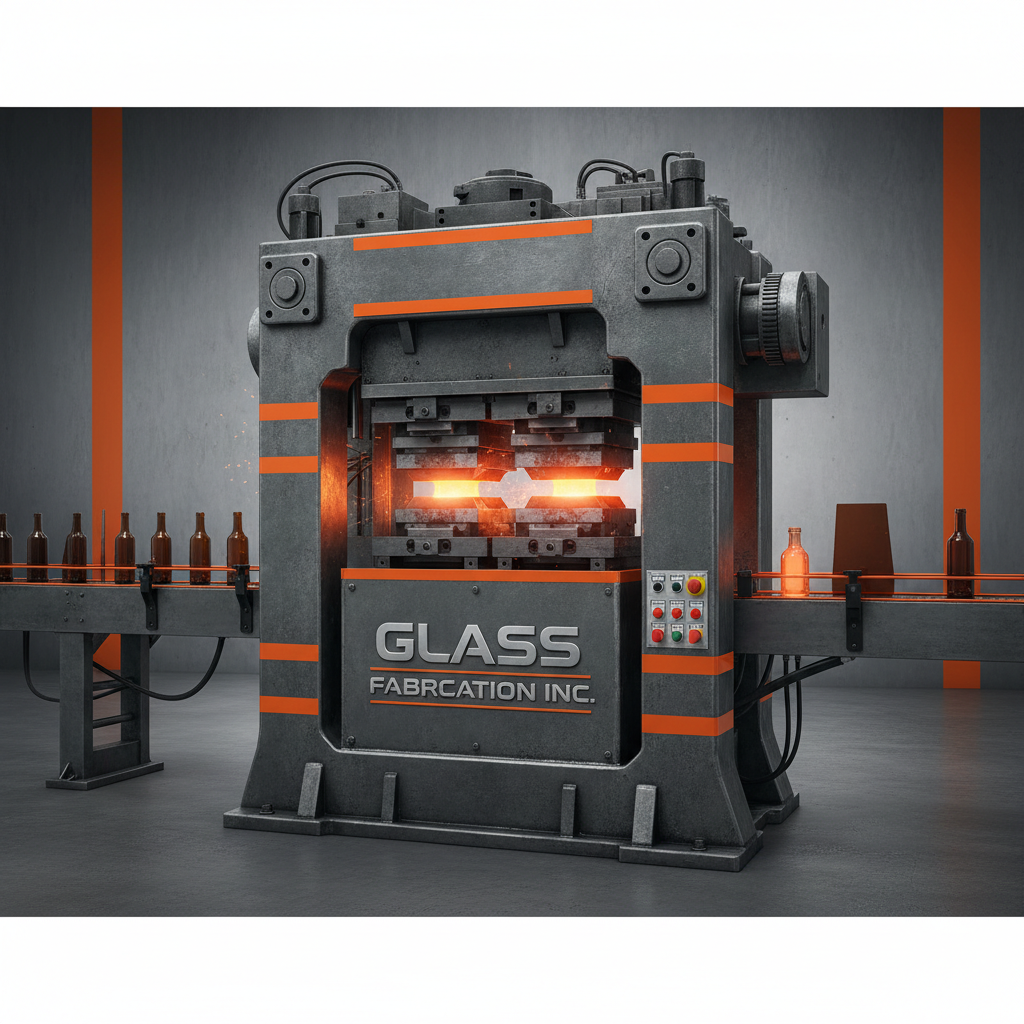
09AprGuide to Choosing a Professional glass fabrication inc for Projects
Finding a reliable glass fabrication inc is essential for any project that requires precision, safety, and aesthetic excellence. Whether you are an architect designing a modern skyscraper, a contractor renovating a luxury home, or a business owner upgrading commercial storefronts, the quality of glass fabrication determines the
learn more -
 07Apr
07AprComprehensive Guide to Custom Glass Fabrication and its Diverse Applications
When it comes to specialized projects, custom glass fabrication is often the only solution. Whether it's for architectural designs, unique furniture pieces, or specialized industrial applications,
learn more


🏆 Trusted by Global Leaders in Architecture & Construction
💬 Client Testimonials
James Whitmore
Project Manager, Architectural Glass Solutions
"Shahe’s Low-E glass cut our client’s energy costs by 35%—delivered 2 weeks early. Their QC process is flawless."
Sophie Dubois
Sustainability Director, GreenBuild Europe
"Their EN 673 certification saved us 6 months in permitting. No other supplier offered this."
Carlos Mendez
Procurement Lead, Skanska Construction
"The 10mm edge deletion solved our condensation issues in the Nordic climate. Game-changer."
📜 Certifications & Compliance
All products meet GB15763.2-2005, EN 673, AS/NZS 4855, and IECC 2024 standards.