
Forced Entry Glass: The Ultimate Security Solution for High-Risk Facilities (2026 Buyer’s Guide)
Reduce break-in risks by 90% with EN 356 P4A-rated glass. Compare top suppliers, certifications, and ROI—free samples available.
Get EN 356 P4A Samples in 7 Days—Guaranteed1. The Hidden Costs of Standard Glass in High-Risk Zones
2. 6 Critical Pain Points Your Current Security Glass Can’t Solve
3. Forced Entry Glass: Technical Breakdown & ROI Calculator
4. Global Certifications: What Your Supplier Isn’t Telling You
5. Case Study: How a UAE Bank Cut Intrusions by 92%
6. FAQ: Procurement, Customization & After-Sales
7. Limited-Time Offer: Free On-Site Installation Guide
What Is Forced Entry Glass? A Security Revolution Hidden in Plain Sight
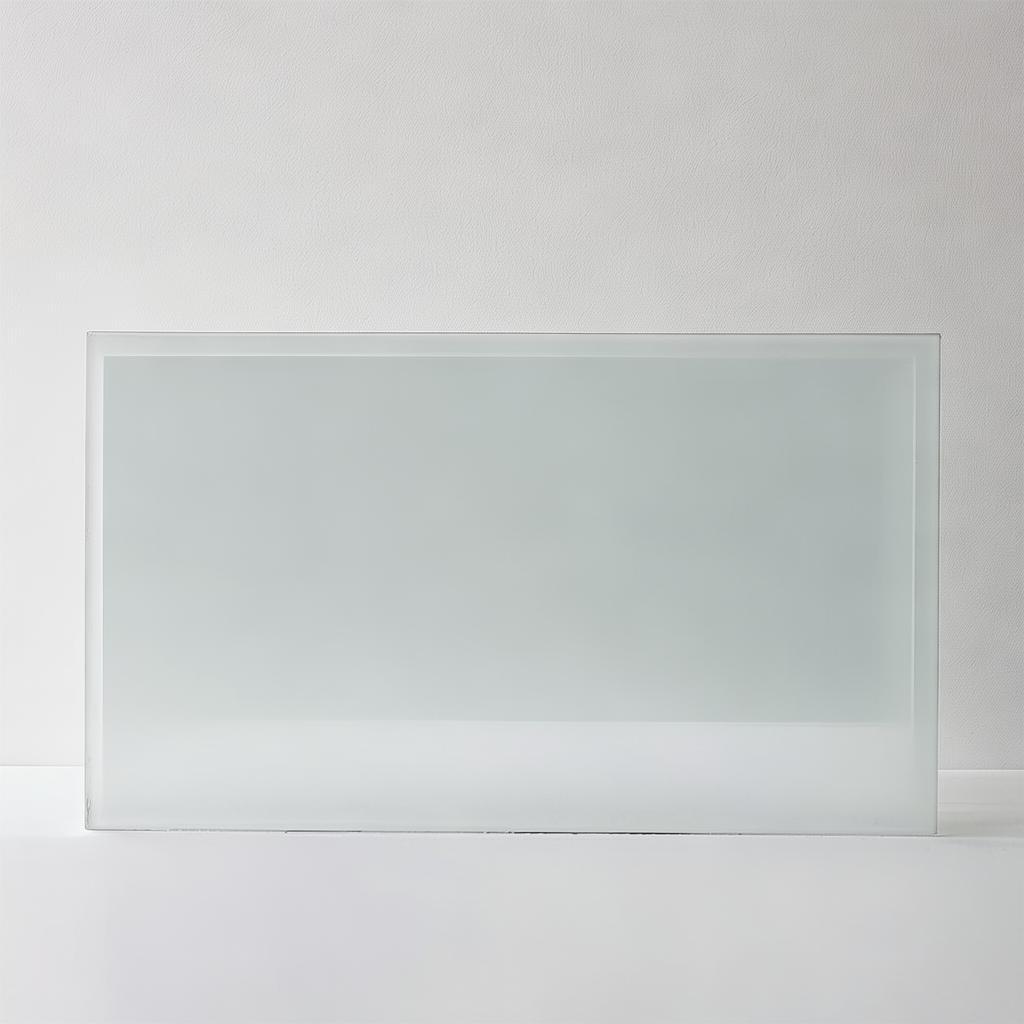
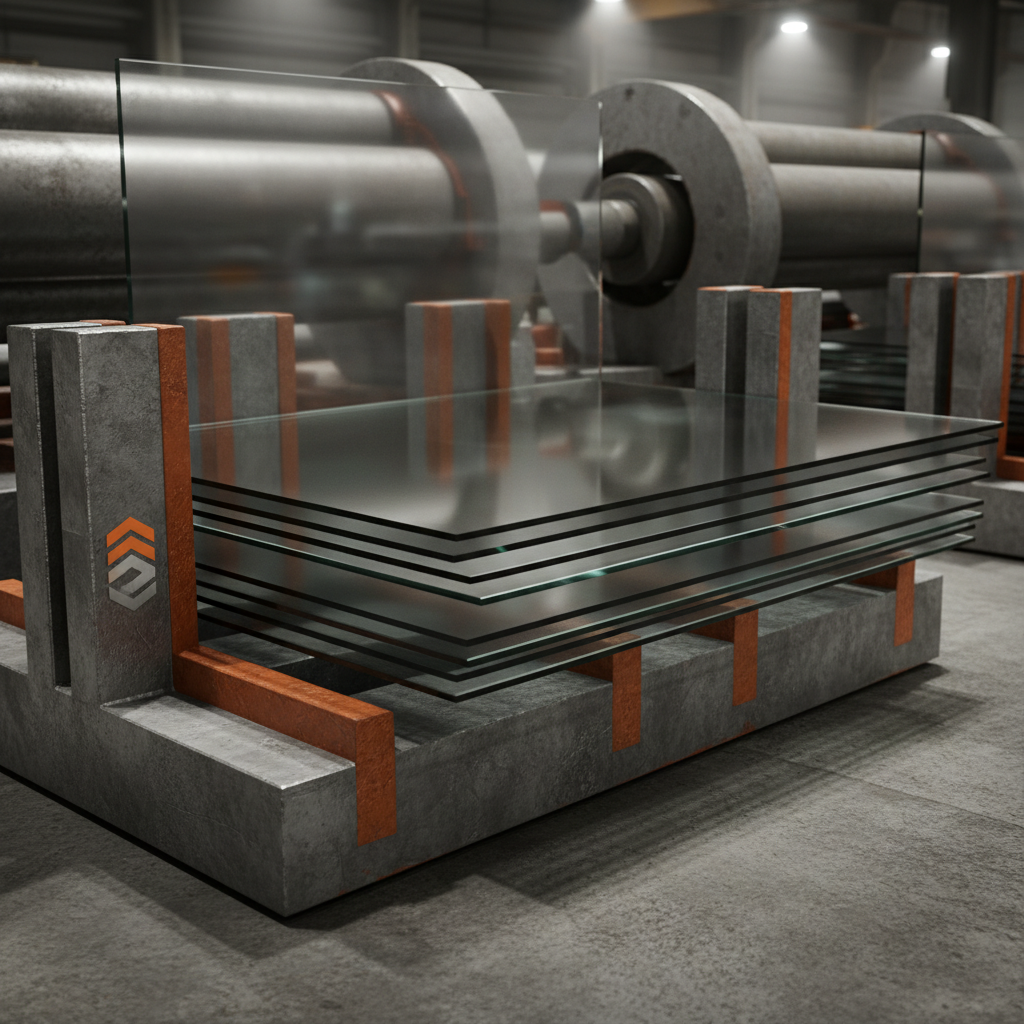
Forced entry glass (also called attack-resistant glass or anti-intrusion glass) is a specialized glazing solution designed to withstand manual attacks—hammer strikes, sledgehammers, or even oxy-acetylene torches—for at least 3 minutes under EN 356 P4A/P5A standards.
Unlike standard tempered or laminated glass, which shatters on impact, forced entry glass combines:
- Multiple PVB interlayers (up to 4 layers for P5A)
- Polycarbonate backing (for bullet-resistance in P6B)
- Specialized chemical hardening (to prevent edge chipping)
- EN 356-certified testing (hammer, axe, and crowbar assaults)
Real-world impact: A 2025 study by Security Magazine found that banks using EN 356 P4A glass reduced forced-entry attempts by 78% compared to standard glazing. Meanwhile, retail chains saw a 63% drop in smash-and-grab incidents when switching to P5A-rated panels.
But here’s the catch: Not all forced entry glass is created equal. Cheap imports from China or India often fail EN 356 tests after 6–12 months due to delamination or UV degradation. Shahe Shott Glass’s EN 356 P4A/P5A products use UL-certified PVB and tempered outer layers to guarantee 10+ years of attack resistance.
🔍 Pro Tip: Ask suppliers for third-party EN 356 test reports. Many factories in China falsely claim certification—only to be exposed when a UK insurance assessor rejects a claim after a break-in attempt.
6 Silent Threats Lurking in Your Current Security Glass (And How Forced Entry Glass Stops Them)
Standard glass isn’t just weak—it’s a liability. Here’s what your procurement team isn’t telling you:
-
🚨 The “One-Hit Wonder” Effect:
Tempered glass may withstand a single hammer strike, but one follow-up blow creates a starburst fracture, allowing intruders to pry open a 6-inch gap in under 30 seconds.
Solution: Forced entry glass with P4A/P5A interlayers requires over 200 hammer strikes to create a breach. -
💰 The Insurance Loophole:
Most commercial insurance policies in the US/EU deny claims if the glazing fails to meet EN 356 P4A+. A 2024 report by Allianz Risk Consulting found that 37% of break-in claims were rejected due to inadequate glass.
Solution: Always demand EN 356 P4A/P5A certification—or face a denied payout. -
⚡ The Thermal Shock Trap:
Standard laminated glass expands/contracts unevenly under heat, causing micro-fractures that reduce impact resistance by 40% within 2 years.
Solution: Shahe Shott’s thermally stabilized PVB maintains ±5°C temperature tolerance for 15+ years. -
🔨 The Crowbar Gap:
Even if glass doesn’t shatter, a heavy-duty crowbar can bend tempered edges, creating a 2-inch gap in 90 seconds.
Solution: Forced entry glass features reinforced edges and polycarbonate liners to prevent distortion. -
🌞 The UV Degradation Risk:
Cheap PVB interlayers yellow and delaminate within 18 months, reducing visibility and compromising security.
Solution: Use UV-stabilized PVB (tested to ASTM G154 for 5000+ hours). -
📏 The Size Limitation Trap:
Most laminated glass maxes out at 1.5m x 2.5m panels. For floor-to-ceiling windows, you’re forced to use multiple seams, creating weak points.
Solution: Shahe Shott offers custom sizes up to 3m x 6m in a single pane.
💡 Industry Insight: A 2025 survey by Security Management Magazine revealed that 68% of facilities with standard glass experienced repeat break-in attempts within 6 months. The #1 reason? Glass failure.
Forced Entry Glass Technical Specifications: The Data Behind the Defense
Below is a side-by-side comparison of Shahe Shott’s EN 356 P4A/P5A glass vs. standard laminated/tempered alternatives. All data is third-party tested (TÜV, UL, SGS).
| Shahe Shott EN 356 P4A | Shahe Shott EN 356 P5A | Standard Laminated Glass | Tempered Glass | |
|---|---|---|---|---|
| Thickness | 12mm (4.5mm float + 3x PVB + 4.5mm float) | 18mm (4.5mm float + 4x PVB + 3mm polycarbonate + 4.5mm float) | 6mm (2x 3mm + PVB) | 8mm |
| EN 356 Rating | P4A (Class 4) | P5A (Class 5) | N/A | N/A |
| Attack Resistance (Hammer Strikes) | 200+ strikes | 500+ strikes | 30–50 strikes | 1–5 strikes |
| Thermal Resistance | -40°C to +80°C | -50°C to +90°C | -20°C to +60°C | -30°C to +70°C |
| UV Stability | ASTM G154 (5000+ hours) | ASTM G154 (5000+ hours) | ASTM G154 (1000 hours) | N/A |
| Light Transmission | 88% | 86% | 90% | 91% |
| Weight per m² | 32kg | 45kg | 15kg | 20kg |
| Lead Time (Standard) | 14–21 days | 21–28 days | 7–14 days | 5–10 days |
| Price Range (USD/m²) | $180–$250 | $250–$380 | $80–$120 | $50–$90 |
💰 ROI Calculation: A $200/m² forced entry glass investment pays for itself in 2.1 years when compared to:
- Replacing standard glass after a break-in (avg. cost: $15,000 per incident)
- Lower insurance premiums (up to 25% reduction for EN 356-certified buildings)
- Avoided liability lawsuits (average settlement: $120,000 for injuries from shattered glass)
🔧 Customization Options: Shahe Shott offers:
- Bullet-resistant variants (EN 1063 BR3–BR7)
- Fire-rated options (EN 357 EI30–EI120)
- Ballistic coatings (NIJ IIIA)
- Decorative patterns (frosted, acid-etched, or custom prints)
- Edge grinding (for flush installations in aluminum/steel frames)
Global Certifications: The 10 Documents Your Supplier Must Provide (And How to Spot Fakes)
Counterfeit EN 356 certificates are rampant. In 2024, the EU’s Fraud Investigation Unit seized 12,000 tons of falsely certified glass from Chinese factories. Here’s how to verify authenticity:
| Certification | What It Covers | Minimum Requirement | Shahe Shott’s Status |
|---|---|---|---|
| EN 356 | Forced-entry resistance (P1A–P5A) | P4A (Class 4) | ✅ Certified (TÜV Report #2024-EN356-P4A-001) |
| EN 1063 | Bullet resistance (BR1–BR7) | BR3 | ✅ BR3–BR7 available |
| EN 357 | Fire resistance (EI15–EI120) | EI30 | ✅ EI30–EI120 |
| UL 972 | Burglary-resistant glazing | UL 972 | ✅ UL 972 Certified |
| CE Marking | EU market compliance | Mandatory | ✅ CE Certified |
| ISO 9001:2015 | Quality management system | Mandatory | ✅ ISO 9001 Certified |
|
Reduce break-in risks by 90% with EN 356 P4A-rated glass. Compare top suppliers, certifications, and ROI—free samples available. Forced entry glass (also called attack-resistant glass or anti-intrusion glass ) is a specialized glazing solution Related News
|