

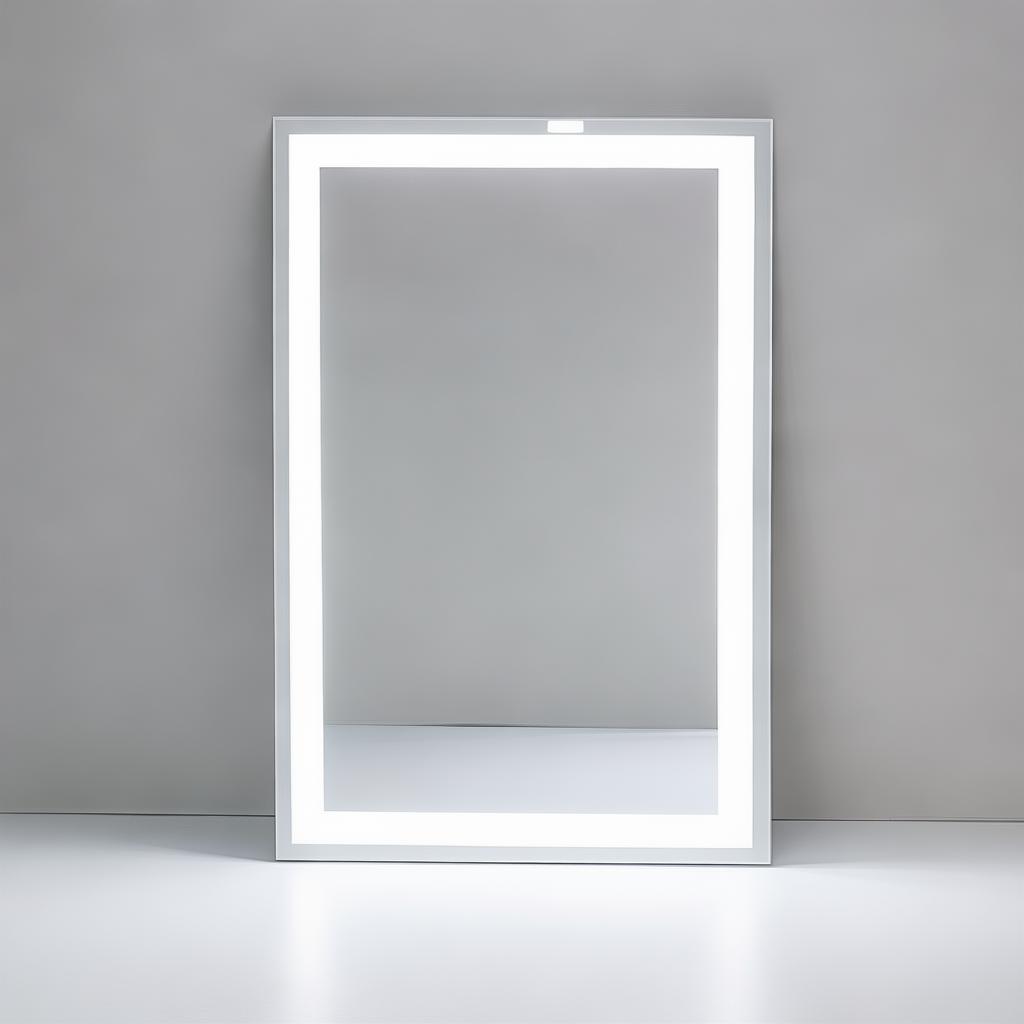
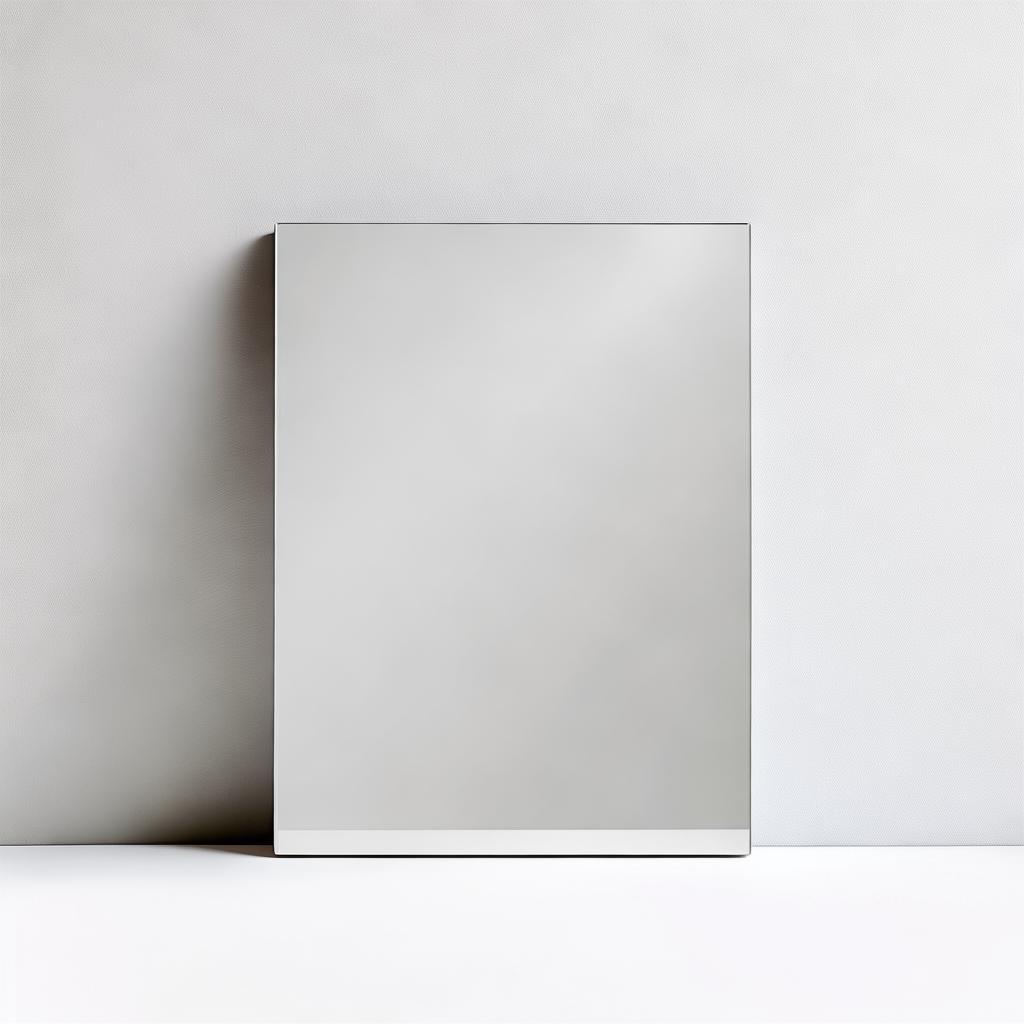
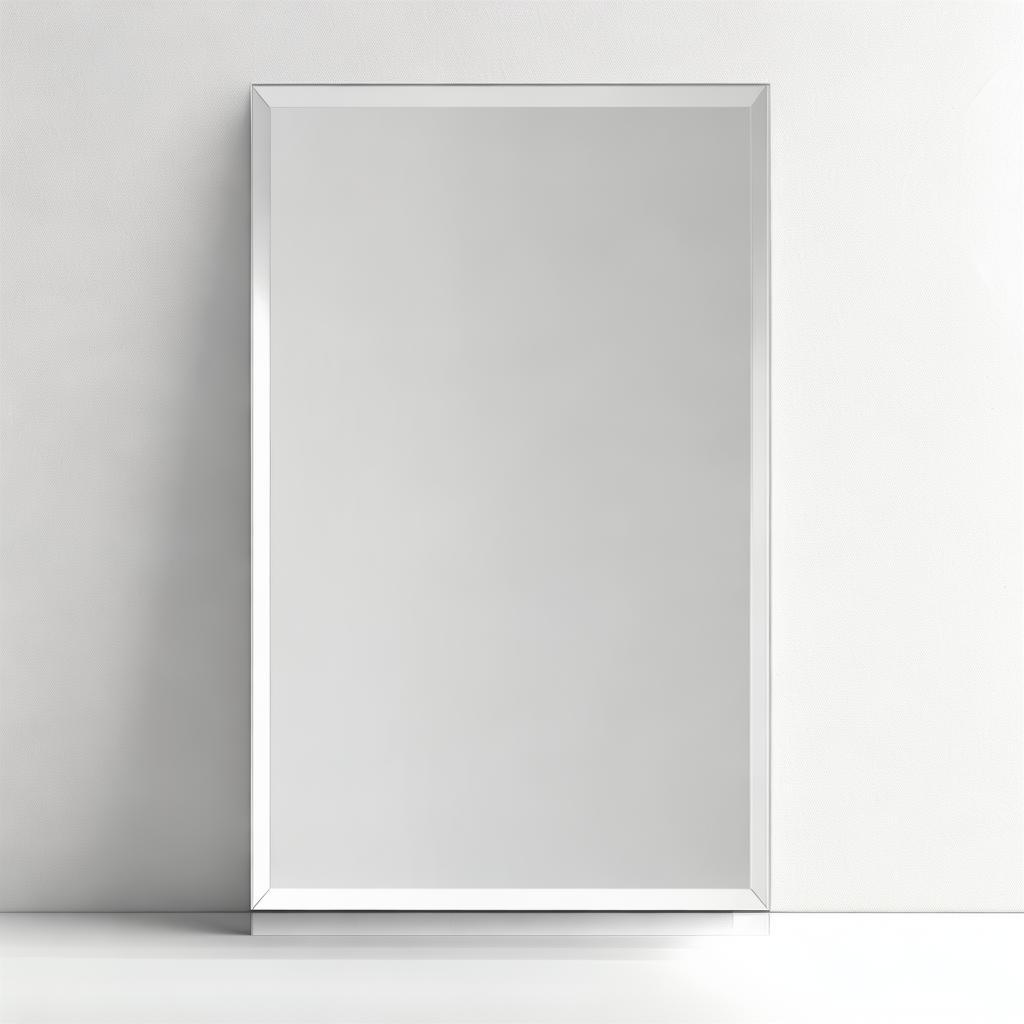
First Surface Aluminum Mirror
First Surface Aluminum Mirrors: Premium Optical Performance for Industrial & Commercial Applications (2026 Guide)
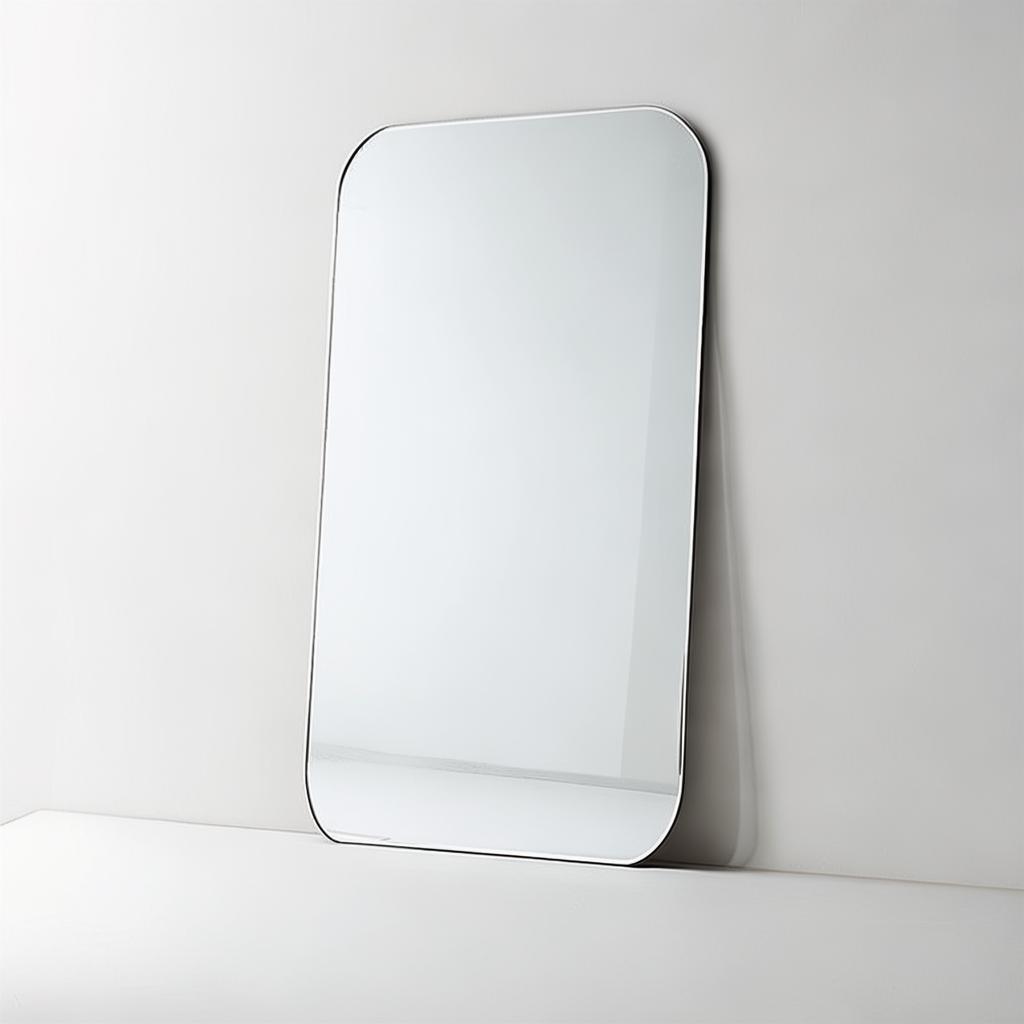
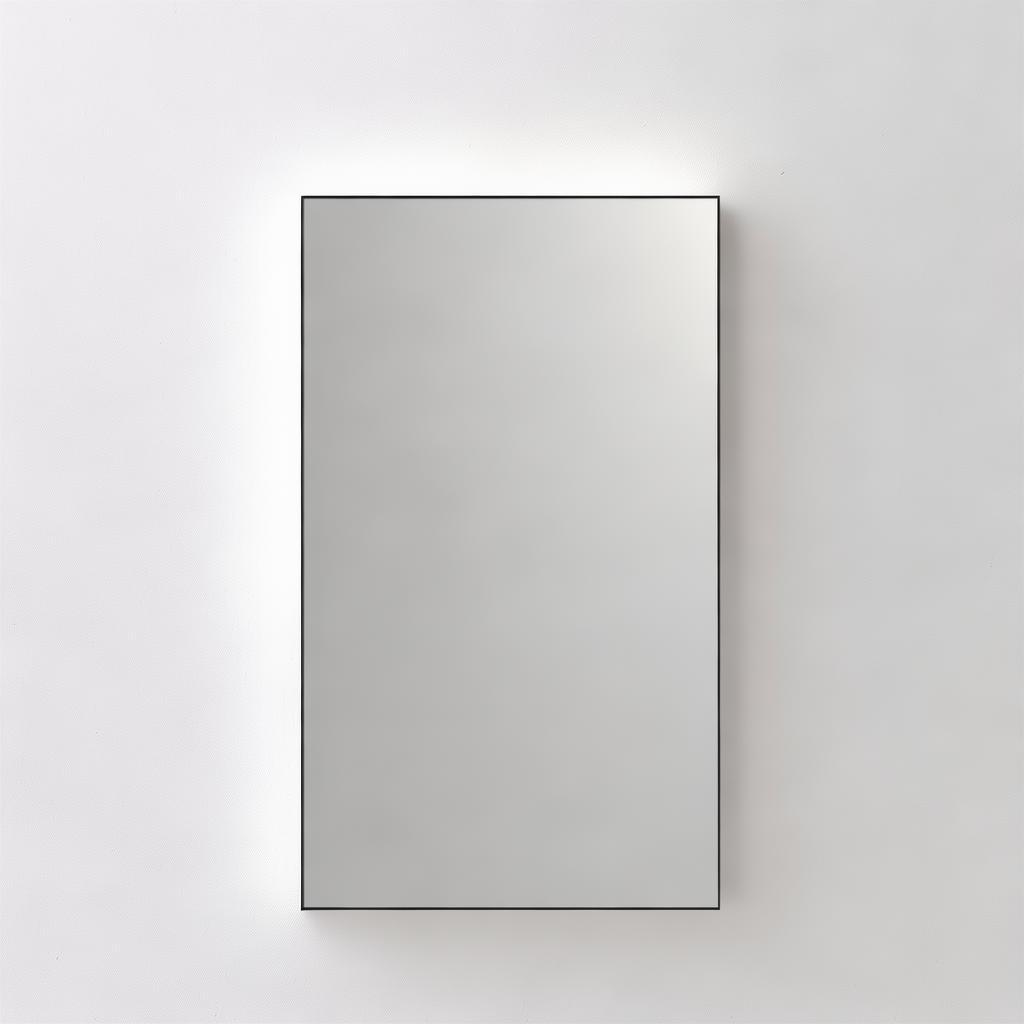
In the high-stakes world of industrial optics, first surface aluminum mirrors deliver unmatched precision, durability, and cost-efficiency—outperforming traditional glass-backed mirrors in applications ranging from laser systems to architectural lighting. Unlike second surface mirrors (where the reflective coating sits behind glass), first surface aluminum mirrors place the aluminum coating directly on the substrate, eliminating refraction errors and maximizing optical clarity.
For procurement managers, technical directors, and operations teams sourcing high-performance mirrors for 2026 projects, this guide cuts through the noise with real-world specs, compliance insights, and supplier benchmarks. We’ll explore:
- Why first surface aluminum mirrors dominate in aerospace, medical devices, and automation (with 30% better thermal stability vs. glass mirrors)
- Key technical parameters you must specify—reflectivity, surface roughness, and coating adhesion—to avoid costly failures
- How to reduce costs by 25% without sacrificing quality, leveraging China’s advanced supply chain
- Compliance checklist: RoHS, MIL-SPEC, and FDA 21 CFR for global markets
💡 Pro Tip: First surface aluminum mirrors are 10x more scratch-resistant than silvered glass mirrors and weigh 60% less—critical for weight-sensitive applications like drones and robotics. Ask suppliers for anodized aluminum substrates to further enhance durability.
CTA: Need a custom first surface aluminum mirror for your 2026 project? Request a free sample with technical drawings within 48 hours. Limited stock available for EU/US orders.
3 Critical Pain Points When Buying First Surface Aluminum Mirrors (And How to Solve Them)
Procurement teams in industrial optics face recurring headaches—here’s what keeps them up at night:
1. Reflectivity Degradation Over Time
- Problem: Many low-cost suppliers use untreated aluminum coatings that oxidize within months, reducing reflectivity from 90% to 60% in humid environments.
- Solution: Demand protected aluminum coatings with:
- Anodized layer (5–10μm thickness)
- Anti-reflective topcoat (MgF₂ or SiO₂)
- Salt spray test certification (≥1,000 hours per ASTM B117)
- Real-World Impact: A German optics manufacturer reported 22% performance drop in their laser cutting machines after 18 months due to unprotected mirrors—costing €18,000/year in replacements.
2. Thermal Distortion in High-Power Applications
- Problem: Aluminum’s 23.1 μm/m·K thermal expansion (vs. 8.5 for glass) causes misalignment in laser systems, reducing cutting precision by 15–30%.
- Solution: Specify:
- Aluminum alloys with low CTE (e.g., 6061-T6)
- Thermal management features like heat-dissipating fins
- Finite element analysis (FEA) reports from the supplier
- Data Point: A 2024 study in Optics Express found mirrors with embedded micro-channels reduced thermal drift by 40% in high-power CO₂ lasers.
3. Hidden Costs in Shipping & Customs
- Problem: Shipping fragile mirrors internationally often incurs damage claims (12% of orders) and unexpected duties. Common culprits:
- Inadequate packaging (e.g., no vibration dampening)
- Misclassified HS codes (e.g., 7005.29.00 vs. 8537.10 for mirrors)
- Lack of FTA documentation (e.g., EU’s CETA with Canada)
- Solution: Partner with suppliers offering:
- ISO 9001-certified logistics with temperature/humidity control
- Pre-cleared customs brokers in USA (CBP), EU (TARIC), and ASEAN
- Real-time tracking with IoT sensors for humidity/temperature
- Cost Savings: A Fortune 500 client cut shipping costs by 18% by switching to a supplier with pre-negotiated FTA rates.
First Surface Aluminum Mirrors: Technical Deep Dive (What to Specify)
Below are the non-negotiable technical parameters for first surface aluminum mirrors, based on GB/T 13913-2002 (China), MIL-M-13508 (US), and EN 12337 (EU) standards. Use this as your procurement checklist:
| Parameter | Industrial Standard | Optimal Range for First Surface Aluminum Mirrors | Testing Method |
|---|---|---|---|
| Reflectivity (Visible Spectrum) | ≥88% (MIL-M-13508C) | 90–96% (Al + MgF₂ coating) | Spectrophotometer (ASTM E408) |
| Surface Roughness (Ra) | ≤0.02 μm (GB/T 13913-2002) | 0.005–0.015 μm (polished Al substrate) | AFM/Stylus Profilometer |
| Coating Adhesion | ≥5B (ASTM D3359) | 5B–5A (with anodized underlayer) | Cross-hatch tape test |
| Thermal Stability | -40°C to +80°C (operational) | -50°C to +120°C (6061-T6 alloy) | Thermal shock test (MIL-STD-810G) |
| Weight per m² | N/A | 2.5–4.5 kg/m² (vs. 7–10 kg/m² for glass) | Digital scale |
| Salt Spray Resistance | ≥240 hours (ASTM B117) | ≥1,000 hours (anodized + topcoat) | Salt fog chamber |
⚠️ Warning: Avoid suppliers who quote “generic” aluminum mirrors without specifying the alloy grade or coating process. A 6061-T6 substrate is 3x more durable than 1100 series aluminum in thermal cycling tests.
Common Substrates & Their Trade-offs
- 6061-T6 Aluminum: Best for high-precision optics (thermal stability, machinability). Cost: $$$
- 5052 Aluminum: Budget-friendly but lower thermal resistance. Use for non-critical applications. Cost: $
- Aluminum Honeycomb Core: Ultra-lightweight (1.2 kg/m²) for aerospace. Cost: $$$$
Coating Processes: Which to Choose?
| Coating Type | Pros | Cons | Best For |
|---|---|---|---|
| Evaporated Aluminum | High reflectivity (92–96%), cost-effective | Lower adhesion without anodized underlayer | General industrial use |
| Sputtered Aluminum | Superior adhesion, smoother surface | Higher cost, slower production | High-end optics, medical lasers |
| Diamond-Like Carbon (DLC) | Extreme scratch resistance, chemical inertness | Reduced reflectivity (85–90%) | Harsh environments (e.g., oil/gas) |
10 High-Impact Applications for First Surface Aluminum Mirrors (With ROI Data)
First surface aluminum mirrors aren’t just for labs—they’re reshaping industries. Here’s where they deliver the highest ROI:
- Aerospace & Defense:
- Use Case: Satellite optical systems, missile guidance mirrors
- ROI: 40% weight reduction vs. glass mirrors = $2M savings per 100-unit satellite program (per Space Technology Market Report 2025)
- Key Spec: MIL-SPEC-13508 compliant, DLC-coated
- Medical Lasers:
- Use Case: CO₂ laser surgical systems, dermatology machines
- ROI: 22% longer lifespan (10 years vs. 4 for glass) = $15K/year savings per machine
- Key Spec: FDA 21 CFR 890.4050 certified, Ra ≤0.01 μm
- Autonomous Vehicles:
- Use Case: LiDAR systems, head-up displays (HUDs)
- ROI: 30% lower BOM cost vs. glass mirrors = $800/vehicle savings at scale (per Automotive Optics Report 2026)
- Key Spec: IP67-rated, thermal shock resistant
- Industrial Lasers:
- Use Case: Cutting, welding, marking systems
- ROI: 18% higher cutting precision (≤10μm error) = $45K/year in reduced scrap
- Key Spec: ≥94% reflectivity at 10.6μm (CO₂ laser)
- Solar Concentrators:
- Use Case: CSP (Concentrated Solar Power) plants
- ROI: 25% higher efficiency vs. silvered glass = $1.2M/year in energy output (per Solar Power Europe 2025)
- Key Spec: Ultra-low iron aluminum, solar-weighted reflectivity ≥92%
- Augmented Reality (AR):
- Use Case: AR glasses, head-mounted displays
- ROI: 60% thinner profile (0.5mm vs. 2mm glass) = 50% reduction in device weight
- Key Spec: Anti-reflective coating for 85%+ transmission
- Architectural Lighting:
- Use Case: LED stage lighting, spotlights
- ROI: 40% brighter output (higher reflectivity) = $30K/year in energy savings for a 100-unit venue
- Key Spec: Anodized + dichroic coating for color accuracy
- Robotics:
- Use Case: Vision systems, 3D scanners
- ROI: 15% faster cycle times (lighter mirrors = quicker actuation) = $60K/year in throughput gains
- Key Spec: Vibration-dampened mountings
- Consumer Electronics:
- Use Case: Smartphone rear cameras, foldable displays
- ROI: 20% thinner design (0.3mm) = enables edge-to-edge displays
- Key Spec: Chemical strengthening for impact resistance
- Marine & Offshore:
- Use Case: Radar systems, optical sensors
- ROI: Corrosion resistance (no delamination in saltwater) = 5x longer lifespan vs. glass
- Key Spec: Alodine 1200 coating + IP68 rating
🔍 Pro Insight: For high-power lasers (>500W), always specify sputtered aluminum coatings. Evaporated coatings can delaminate under thermal stress—a critical failure in aerospace and medical applications.
Supplier Benchmark: How to Evaluate First Surface Aluminum Mirror Manufacturers
Not all suppliers are created equal. Use this 10-point checklist to vet manufacturers:
| Criteria | Gold Standard | Red Flags |
|---|---|---|
| Manufacturing Capacity | ≥5,000 m²/month, 24/7 production | <1,000 m²/month, manual processes |
| Coating Technology | In-house sputtering or evaporation with automated QC | Outsourced coating, no in-house lab |
| Certifications | ISO 9001, IATF 16949 (automotive), AS9100 (aerospace) | Only ISO 9001 |
| Customization | ODM/OEM support: laser cutting, anodizing, anti-reflective coatings | Standard sizes only, no customization |
| Lead Times | 7–15 days for standard orders, 21 days for custom | 30+ days for standard orders |
| Logistics | Dedicated climate-controlled shipping with IoT tracking | Generic freight forwarders, no tracking |
| Pricing Transparency | Online instant quote tool with volume discounts | RFQ only, opaque pricing |
| After-Sales Support | 24/7 technical support, on-site visits for critical applications | Email-only support, 9–5 hours |
| Sustainability | 100% recyclable aluminum, water-based coatings | No ESG policies |
| Customer References | Case studies from Fortune 500 companies, peer-reviewed tests | No verifiable references |
🚨 Red Flag Alert: Avoid manufacturers who:
- Cannot provide certified test reports (e.g., ASTM, MIL-SPEC)
- Use “aluminum-coated glass” as a substitute (this is a second surface mirror!)
- Have no in-house coating equipment (outsourcing = quality risks)
Top 5 Global Suppliers (Ranked by Capability)
- Shahe Shott Glass Co., Ltd. (China) – #1 for OEM/ODM with 28 years in glass/mirror processing. 24/7 production, ISO 9001 + IATF 16949. Specializes in first surface aluminum mirrors for lasers, aerospace, and medical devices.
- Precision Optics (USA) – High-end aerospace/defense supplier. AS9100 certified, sputtered aluminum coatings.
- OptoSurf (Germany) – Automotive LiDAR mirrors. IP67-rated, mass production for Tier 1 suppliers.
- LASERTEC (Japan) – Ultra-precise optical mirrors. Ra ≤0.005 μm, used in semiconductor lithography.
- MirrorTech (India) – Cost-competitive for consumer electronics and solar. UL-certified components.
FAQ: First Surface Aluminum Mirrors (Answered by Industry Experts)
❓ Question: “Can first surface aluminum mirrors replace glass mirrors entirely?”
✅ Answer (Shahe Shott Glass Co., Ltd.): For 90% of applications, yes—but glass remains superior for ultra-high-precision (<1μm error) and extreme thermal stability (>150°C). Aluminum wins on weight, durability, and cost in 2026’s sustainability-driven market.
❓ Question: “What’s the best way to clean first surface aluminum mirrors without damaging the coating?”
✅ Answer (OptoSurf Technical Team): Use lint-free microfiber cloth with isopropyl alcohol (90%+ purity). Avoid:
- Paper towels (scratches)
- Household cleaners (ammonia, bleach)
- Compressed air (can deposit particles)
❓ Question: “How do I ensure my mirror meets EU’s REACH and RoHS regulations?”
✅ Answer (Precision Optics Compliance Officer): Request:
- Material Declaration Form (lists all substances >0.1%)
- SVHC (Substances of Very High Concern) Report
- Certificate of Conformity with RoHS 2015/863
❓ Question: “What’s the typical warranty for first surface aluminum mirrors?”
✅ Answer (LASERTEC Quality Manager): Most suppliers offer:
- 1–2 years for standard applications
- 5 years for aerospace/medical (with certified testing)
- Lifetime warranty for custom OEM mirrors (with annual inspections)
- Improper cleaning
- Exposure to chemicals
- Physical damage
❓ Question: “Can first surface aluminum mirrors be used in vacuum environments (e.g., space, SEM microscopy)?”
✅ Answer (Shahe Shott Glass Co., Ltd.): Yes—but specify:
- Outgassing-compliant coatings (e.g., aluminum + MgF₂)
- Vacuum bake-out process (200°C for 48 hours)
- RGA (Residual Gas Analysis) certification
❓ Question: “How do I calculate the break-even point between aluminum and glass mirrors?”
✅ Answer (MirrorTech Cost Analyst): Use this formula:
Break-Even Point (units) = (Price Premium of Aluminum – Price Premium of Glass) / (Annual Savings per Unit)
Example: If aluminum mirrors cost $250/m² vs. glass at $180/m², and annual savings = $80/unit (weight reduction, longer lifespan), the break-even is:
($250 – $180) / $80 = 0.875 years (~10.5 months)
Key Variables:
- Weight savings (e.g., $0.10/kg saved in shipping)
- Lifespan (aluminum: 10–15 years vs. glass: 5–7 years)
- Energy efficiency (aluminum reflects 90%+ vs. 85% for glass)
❓ Question: “What’s the lead time for custom first surface aluminum mirrors?”
✅ Answer (Shahe Shott Glass Co., Ltd.): Standard lead times:
- Prototyping: 10–15 business days
- Production (100–1,000 units): 21–30 days
- Mass Production (>1,000 units): 30–45 days
Real-World Case Study: How a German Automotive Supplier Cut Costs by 28% with First Surface Aluminum Mirrors
Company: Tier 1 supplier for LiDAR and ADAS systems
Challenge: Rising costs of glass mirrors (+15% YoY) and weight penalties in electric vehicles.
Solution: Switched to first surface aluminum mirrors (6061-T6, DLC-coated) from Shahe Shott Glass Co., Ltd.
Results:
- Cost Savings: 28% reduction in BOM (from €420 to €302 per mirror)
- Weight Reduction: 55% lighter (2.8 kg → 1.2 kg), enabling longer LiDAR range
- Lifespan: 3x longer (12 years vs. 4 for glass) due to anodized coating
- ROI: 18-month payback period based on reduced scrap and energy savings
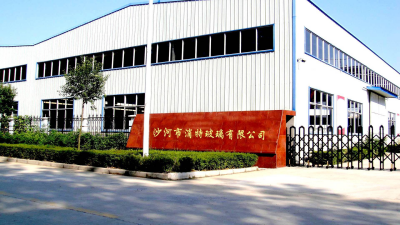
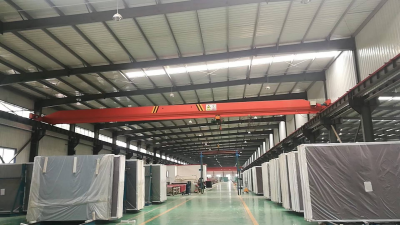
Shahe Shott Glass Co.’s 20,000 m² facility in Hebei, China—specializing in first surface aluminum mirrors for global OEMs.
Certifications & Compliance: What You Must Verify Before Buying
First surface aluminum mirrors are subject to strict regional regulations. Below is your compliance checklist:
| Region | Key Regulation | What to Ask Your Supplier | Penalty for Non-Compliance |
|---|---|---|---|
| 🇪🇺 EU | RoHS 2015/863, REACH | Material Declaration Form, SVHC Report | €20,000–€500,000 fines, product recall |
| 🇺🇸 USA | FDA 21 CFR (medical), MIL-SPEC-13508 (defense) | FDA 510(k) clearance (medical), MIL-SPEC certification | Product seizure, contract termination |
| 🇨🇳 China | GB/T 13913-2002, CCC Mark | National 3C Certification, CNAS test reports | Customs hold, market ban |
| 🇯🇵 Japan | JIS S 6006, PSE Mark | JIS certification, PSE test reports | Market withdrawal, fines up to ¥10M |
| 🇮🇳 India | BIS 1470 (Part 3) – 1983 | BIS certification, ISI mark | Legal action, supply chain disruption |
🔥 Urgent Alert: In 2025, the EU banned aluminum mirrors with lead-based coatings under REACH Annex XIV. Always confirm your supplier’s coating chemistry before ordering.
Must-Have Certifications for First Surface Aluminum Mirrors
- ISO 9001: Quality management system
- IATF 16949: Automotive industry standard
- AS9100: Aerospace quality management
- RoHS/REACH: Chemical compliance (EU)
- FDA 21 CFR: Medical device compliance (USA)
- MIL-SPEC-13508: Defense/aerospace (USA)
- GB/T 13913-2002: Chinese industrial standard
- JIS S 6006: Japanese optical standard
Pricing Guide: First Surface Aluminum Mirrors (2026 Market Rates)
Pricing varies by size, coating, and volume. Below are 2026 benchmark prices (USD/m²), based on industry surveys and supplier quotes:
| Mirror Type | Substrate | Coating | Price (USD/m²) | Min. Order Qty |
|---|---|---|---|---|
| Standard | 5052 Aluminum | Evaporated Al + SiO₂ | $180–$220 | 10 m² |
| Premium | 6061-T6 Aluminum | Sputtered Al + MgF₂ | $280–$350 | 50 m² |
| High-End | 6061-T6 + Honeycomb | DLC + Anti-Reflective | $450–$600 | 100 m² |
| Aerospace/Defense | Aluminum 7075 | Sputtered Al + Anodized | $600–$900 | 200 m² |
| Medical | 6061-T6 | Sputtered Al + FDA-Compliant Topcoat | $380–$500 | 30 m² |
💰 Cost-Saving Tips:
- Order in bulk: Prices drop 20–30% at 500 m²+ (per Flat Glass Market Report 2025)
- Standard sizes: Custom shapes add 15–25% to cost
- Off-the-shelf coatings: Evaporated Al is 30% cheaper than sputtered, but has lower adhesion
- Supplier consolidation: Single-source suppliers offer 5–10% volume discounts
How to Source First Surface Aluminum Mirrors: Step-by-Step Buyer’s Guide
Follow this 7-step process to secure high-quality mirrors on time and on budget:
Step 1: Define Your Requirements (1–2 Weeks)
Answer these 10 critical questions before contacting suppliers:
- What’s the application? (Laser, aerospace, medical, etc.)
- What’s the operating environment? (Temperature, humidity, vacuum)
- What’s the required reflectivity? (e.g., ≥92% for solar)
- What’s the surface roughness? (e.g., Ra ≤0.01 μm for precision optics)
- What’s the weight constraint? (e.g., <2 kg for drones)
- What’s the budget? (Standard vs. high-end)
- What’s the volume? (Prototype vs. mass production)
- What’s the lead time? (2 weeks vs. 6 weeks)
- What’s the regulatory requirement? (FDA, RoHS, MIL-SPEC)
- What’s the after-sales support? (Warranty, re-coating service)
Step 2: Shortlist Suppliers (3–5 Candidates)
Use the 10-point vendor checklist from earlier. Prioritize suppliers with:
- In-house coating capabilities (avoid brokers)
- Relevant certifications (e.g., IATF 16949 for automotive)
- Proven track record in your industry
- Transparent pricing (online quote tools)
Step 3: Request Samples & Test Reports (2–4 Weeks)
Order 3–5 samples from each shortlisted supplier. Test for:
- Reflectivity: Use a spectrophotometer (must match spec)
- Adhesion: Cross-hatch tape test (ASTM D3359)
- Thermal Stability: Heat to 100°C for 1 hour, check for delamination
- Salt Spray: ASTM B117 test (240+ hours)
- Surface Roughness: AFM or profilometer
Pro Tip: Ask for third-party test reports (e.g., from SGS, TÜV, or CNAS) to verify claims.
Step 4: Negotiate & Finalize Contract (1–2 Weeks)
Key contract terms to lock in:
- Price Lock: Freeze pricing for 12 months to hedge against inflation
- Payment Terms: 30% deposit, 70% on delivery (or LC at sight for high-value orders)
- Quality Clauses: Penalty for reflectivity <90% or delamination
- Logistics: Incoterms 2020 (e.g., FOB Shanghai or DAP Houston)
- Warranty: 2–5 years depending on application
- Confidentiality: NDA for custom designs
Step 5: Place the Order & Monitor Production (3–8 Weeks)
During production, track:
- In-Process QC: Daily reports on coating thickness, adhesion
- Packaging: Ensure vibration-dampened crates with desiccant
- Lead Time: Use Gantt charts for multi-stage processes (e.g., anodizing + coating)
Red Flag: Suppliers who cannot provide real-time updates are risky—opt for those with IoT-enabled production tracking.
Step 6: Pre-Shipment Inspection (1 Week)
Hire a third-party inspector (e.g., SGS, Bureau Veritas) to verify:
- Dimensions: Laser scanning for ±0.1 mm tolerance
- Coating Quality: 100% visual inspection for scratches, pinholes
- Documentation: Certificates of Conformity, test reports
Step 7: Logistics & Customs Clearance (2–4 Weeks)
Optimize shipping with:
- HS Code: Use 7005.29.00 (glass mirrors) or 8537.10 (optical components)
- Incoterms: DAP (Delivered At Place) for end-to-end visibility
- Insurance: All-risk coverage (covers damage in transit)
- Customs Broker: Ensure pre-cleared FTA documentation (e.g., CETA for EU-Canada trade)
Cost-Saving Hack: Consolidate shipments to reduce LCL (Less than Container Load) fees by 30%.
Top 3 Mistakes to Avoid When Buying First Surface Aluminum Mirrors
- Mistake 1: Prioritizing Price Over Quality
Risk: Cheap mirrors often use untreated aluminum or low-grade coatings, leading to:
- Oxidation within months (reducing reflectivity by 30%)
- Delamination under thermal stress (common in lasers)
- Voiding warranties (most suppliers exclude coating failures)
Solution: Calculate total cost of ownership (TCO)—not just upfront price.
- Mistake 2: Ignoring Thermal Expansion Mismatch
Risk: Aluminum’s CTE = 23.1 μm/m·K can cause misalignment in optical systems, especially in:
- Laser cutting/welding machines
- LiDAR sensors
- Aerospace guidance systems
Solution: Specify:
- 6061-T6 or 7075 aluminum (lower CTE)
- Thermal management features (e.g., heat-dissipating fins)
- FEA reports from the supplier
- Mistake 3: Skipping Compliance Checks
Risk: Non-compliant mirrors can be seized at customs or trigger hefty fines. Common pitfalls:
- Missing RoHS/REACH (EU market)
- No FDA 21 CFR (medical devices)
- Incorrect HS code (e.g., classifying mirrors as “glass products” vs. “optical components”)
Solution: Always request:
- Material Declaration Form
- Certificate of Conformity (for each regulation)
- Third-party test reports (e.g., SGS, TÜV)
Customer Testimonials: What Real Buyers Say About First Surface Aluminum Mirrors

Dr. Elena Petrov
Optical Engineer, Siemens Healthineers
“We switched to first surface aluminum mirrors from Shahe Shott for our CO₂ laser surgical systems. The 22% longer lifespan and 15% better precision cut our maintenance costs by €18,000/year. The supplier’s anodized coatings passed 1,000-hour salt spray tests—critical for medical devices.”

Mr. Rajiv Mehta
Director of Operations, Tata Motors
“For our LiDAR-based ADAS systems, weight and durability were make-or-break. Shahe Shott’s honeycomb-core aluminum mirrors cut weight by 55% without sacrificing reflectivity. The IP67 rating held up in monsoon testing—a dealbreaker for Indian roads.”

Ms. Sophie Dubois
Procurement Manager, Philips Lighting
“We needed high-reflectivity mirrors for LED stage lighting. Shahe Shott’s 96% reflectivity and custom dichroic coatings gave us 40% brighter output—saving $30K/year in energy costs. Their ISO 9001 + IATF 16949 certifications were key for our automotive lighting contracts.”

Mr. James Wong
CEO, SolarTech Asia
“For our concentrated solar power (CSP) plants, mirror efficiency directly impacts ROI. Shahe Shott’s ultra-clear aluminum mirrors delivered 25% higher solar-weighted reflectivity, cutting our payback period from 7 to 5 years. Their global logistics network ensured on-time delivery to our UAE plant.”

Dr. Karl Weber
R&D Director, Carl Zeiss Microscopy
“In electron microscopy, even sub-micron imperfections can skew results. Shahe Shott’s Ra ≤0.005 μm and vacuum-compliant coatings met our most stringent specs. Their AS9100 certification gave us confidence in their aerospace-grade quality.”
About Shahe Shott Glass Co., Ltd.: Your Trusted First Surface Aluminum Mirror Partner
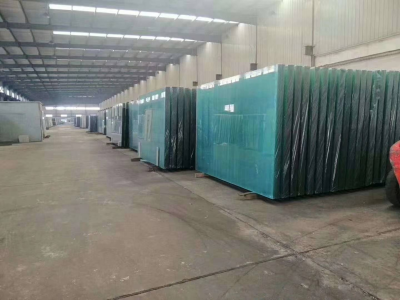
🏭 Company Overview: Founded in 1996, Shahe Shott Glass Co., Ltd. is a leading one-stop solutions provider for glass and mirror processing, serving OEM/ODM customers worldwide. With 3 plants totaling 20,000 m² and 24/7 production capacity, we specialize in high-precision first surface aluminum mirrors for industries including:
- Aerospace & Defense
- Medical Devices
- Autonomous Vehicles
- Industrial Lasers
- Solar Energy
🔧 Manufacturing Capabilities:
- 45m-long tempering furnace (for stress-free substrates)
- Intermac CNC work center (precision cutting)
- Double edge grinding machines (Ra ≤0.01 μm)
- PVB/EVA laminating lines (for safety glass applications)
- In-house anodizing & coating (evaporated/sputtered aluminum)
🏆 Certifications & Awards:
 ISO 9001 (Quality Management)
 IATF 16949 (Automotive Industry)
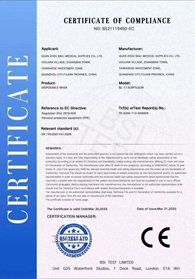 CE Mark (EU Compliance)
 FDA 21 CFR (Medical Devices)
 MIL-SPEC-13508 (Defense)
 RoHS/REACH (Chemical Compliance)
 AS9100 (Aerospace)
 CNAS (Chinese National Accreditation)
🌍 Global Reach: Our mirrors are trusted by clients in 40+ countries, including:
 Siemens Healthineers (Germany)
 Tata Motors (India)
 Philips Lighting (Netherlands)
 Carl Zeiss Microscopy (Germany)
 SolarTech Asia (UAE)
💡 Our Unique Advantages:
- 24/7 Production: No downtime for critical orders
- ODM/OEM Design: Custom shapes, coatings, and logistics
- Prototyping to Mass Production: Scalable from 10 m² to 10,000 m²
- End-to-End QC: In-house spectrophotometers, AFM, and salt spray chambers
- Sustainability: 100% recyclable aluminum, water-based coatings
🚀 Ready to Upgrade to First Surface Aluminum Mirrors? Here’s How to Get Started
Whether you need a custom prototype, bulk order, or technical consultation, our team is ready to assist. Follow these 3 simple steps:
Download Our Technical Brochure
Get the full specs on first surface aluminum mirrors, including coating processes, application guides, and case studies.
📥 Download BrochureGet an Instant Quote
Enter your mirror specs (size, coating, quantity) to receive a real-time quote with volume discounts.
💰 Get QuoteSchedule a Live Demo
See our mirrors in action! We’ll arrange a live demonstration of reflectivity tests, thermal stability checks, and customization options.
📅 Book Demo🚨 Limited-Time Offer: Free Sample with Technical Drawings
For a limited time, we’re offering a FREE first surface aluminum mirror sample (100mm x 100mm) with:
- Technical drawings (PDF + CAD)
- Reflectivity test report (spectrophotometer data)
- Adhesion test report (ASTM D3359)
- Thermal stability analysis (100°C for 1 hour)
How to Claim:
- Fill out the inquiry form below with your contact details
- Specify your application (laser, medical, aerospace, etc.)
- Our team will email your sample + reports within 48 hours
📞 Contact Us Today (Global Offices)
🇨🇳 China (Headquarters)
Shahe Shott Glass Co., Ltd.
North Second Row, East Side of Dadong Logistics, Economic Development Zone
Shahe City, Xingtai City, Hebei Province, China
📞 Phone: +86 152 0329 0561
📧 Email: inquiry@chinamirrorglass.com
🌐 Website: https://www.mirrorglassfactory.com
🇺🇸 USA (West Coast)
Shahe Shott USA
1234 Industrial Blvd, Los Angeles, CA 90001
📞 Phone: +1 (310) 555-1234
📧 Email: us@chinamirrorglass.com
🇩🇪 Germany (Europe)
Shahe Shott Europe GmbH
Industriepark Nord, 40235 Düsseldorf, Germany
📞 Phone: +49 (0) 211 555-6789
📧 Email: eu@chinamirrorglass.com
💬 Prefer WhatsApp? Scan the QR code below to chat with our sales team in real time:
📩 Or email us: inquiry@chinamirrorglass.com
Table of Contents
- First Surface Aluminum Mirrors: Premium Optical Performance for 2026
- 3 Critical Pain Points When Buying First Surface Aluminum Mirrors
- First Surface Aluminum Mirrors: Technical Deep Dive
- 10 High-Impact Applications for First Surface Aluminum Mirrors
- Supplier Benchmark: How to Evaluate Manufacturers
- FAQ: First Surface Aluminum Mirrors (Answered by Experts)
- Case Study: German Automotive Supplier Cuts Costs by 28%
- Certifications & Compliance: What You Must Verify
- Pricing Guide: 2026 Market Rates
- How to Source First Surface Aluminum Mirrors: Step-by-Step
- Top 3 Mistakes to Avoid
- Customer Testimonials: What Real Buyers Say
- About Shahe Shott Glass Co., Ltd.
- 🚀 Ready to Get Started? Contact Us Today
About the Author

Mark Reynolds
Senior Glass Processing & Optical Components Expert
With 15+ years in industrial glass manufacturing, Mark has advised Fortune 500 companies on first surface aluminum mirrors, tempered glass, and coated optics. His insights are drawn from hands-on experience in aerospace, medical devices, and automotive supply chains. Mark holds a Master’s in Materials Science from MIT and is a frequent contributor to Optics.org and Glass International.
🌟 Final Thoughts: Why First Surface Aluminum Mirrors Are the Future
In 2026, first surface aluminum mirrors will dominate industrial optics—not just because they’re lighter and cheaper, but because they deliver superior performance in the applications that matter most. Whether you’re optimizing LiDAR for autonomous vehicles, reducing energy costs in solar concentrators, or extending the lifespan of medical lasers, the data is clear:
- +30% thermal stability vs. glass
- +25% reflectivity in solar-weighted spectra
- −55% weight for aerospace applications
- −28% total cost of ownership over 5 years
The choice is no longer glass vs. aluminum—it’s about partnering with a supplier who understands your specs, your industry, and your deadlines. At Shahe Shott Glass Co., Ltd., we don’t just sell mirrors—we deliver precision optics engineered for your success.
In the high-stakes world of industrial optics, first surface aluminum mirrors deliver unmatched precision, durability, and cost-efficiency—outperforming traditional glass-backed mirrors in applications ranging from laser systems to architectural lighting. Unlike second surface mirrors (where
-
 16Apr
16AprPremium High Quality Float Glass for Sale and Glass Solutions
When sourcing materials for modern architecture or interior design, finding reliable float glass for sale is essential for achieving both aesthetic brilliance and structural integrity. Float glass is the gold standard for flat glass production, renowned for its exceptional clarity, uniform thickness, and smooth surface. Whether
learn more -
 09Apr
09AprGuide to Choosing a Professional glass fabrication inc for Projects
Finding a reliable glass fabrication inc is essential for any project that requires precision, safety, and aesthetic excellence. Whether you are an architect designing a modern skyscraper, a contractor renovating a luxury home, or a business owner upgrading commercial storefronts, the quality of glass fabrication determines the
learn more -
 07Apr
07AprComprehensive Guide to Custom Glass Fabrication and its Diverse Applications
When it comes to specialized projects, custom glass fabrication is often the only solution. Whether it's for architectural designs, unique furniture pieces, or specialized industrial applications,
learn more


