
Double Coated Glass: Premium Performance for Safety, Energy Efficiency & Design
High-transmission double-coated glass from China’s leading OEM/ODM factory—CE/FCC/ISO certified, fast global delivery, custom solutions for architecture, automotive, and electronics
Global supply chain. 28 years of glass expertise. Your design, our precision.
1. What Is Double Coated Glass? Market & Industry Data
Double coated glass—also called double-sided low-E coated glass or energy-efficient reflective glass—features two layers of metal-oxide coatings (typically silver, tin oxide, or titanium dioxide) applied to both surfaces of float glass. This doubles thermal performance while maintaining high visible light transmittance (VLT) of 70–80%.
Industry Context: The global coated flat glass market reached USD 4.3 billion in 2025 and is projected to hit USD 15 billion by 2035 (CAGR: 13.3%). Low-E and solar control coatings dominate due to green building codes and energy efficiency mandates in North America and Europe.
Key Applications by Sector
- Architecture: Energy-efficient windows, curtain walls, and skylights (saves 25–35% on HVAC costs)
- Automotive: Windshields, sunroofs, and side windows with UV/IR rejection
- Electronics: Touchscreen displays, protective covers for tablets and smartphones
- Solar: Front covers for photovoltaic panels (reduces glare by 40%)
Expert Insight: “Double-coated glass isn’t just a premium product—it’s a compliance tool. In the EU, buildings must meet Near-Zero Energy Building (NZEB) standards by 2030. Double-coated glass delivers the thermal break most single-coated alternatives cannot.” — Glass Processing Journal, 2025
2. The Hidden Costs of Single-Coated Glass (Are You Overpaying?)
Many buyers settle for single-coated glass to save 10–15% upfront—but the long-term costs dwarf that “savings.” Below are the 6 most expensive mistakes corporate purchasing managers make when choosing single-coated glass:
Single-coated glass offers R-value of 1.8–2.2, while double-coated delivers R-value of 3.8–4.5. In a 5,000 sqm office building, this gap adds $28,000–$45,000/year to electricity bills.
North America’s IECC 2024 requires windows to achieve U-factor ≤ 0.30. Single-coated glass fails at U-factor 0.45–0.55, risking fines or project rejection.
Single-coated glass’s lower surface temperature (10–15°C cooler) causes condensation, promoting mold growth in 60% of commercial buildings (EPA data). Double-coated maintains surface temps 5–8°C warmer.
Single-coated glass transmits 85% of UV light, accelerating fabric fading and reducing worker productivity. Double-coated blocks 99% of UV and 60% of IR heat.
Single-coated coatings degrade 3–5 years faster under UV exposure. Double-coated lasts 10–15 years due to protective top layers.
Thinner single-coated glass (3–4mm) is fragile, increasing breakage rates by 18% during logistics. Double-coated’s 4–6mm thickness resists impact.
Total potential loss: $150,000–$250,000 over 10 years per project
3. Why Double Coated Glass Outperforms (Technical Deep Dive)
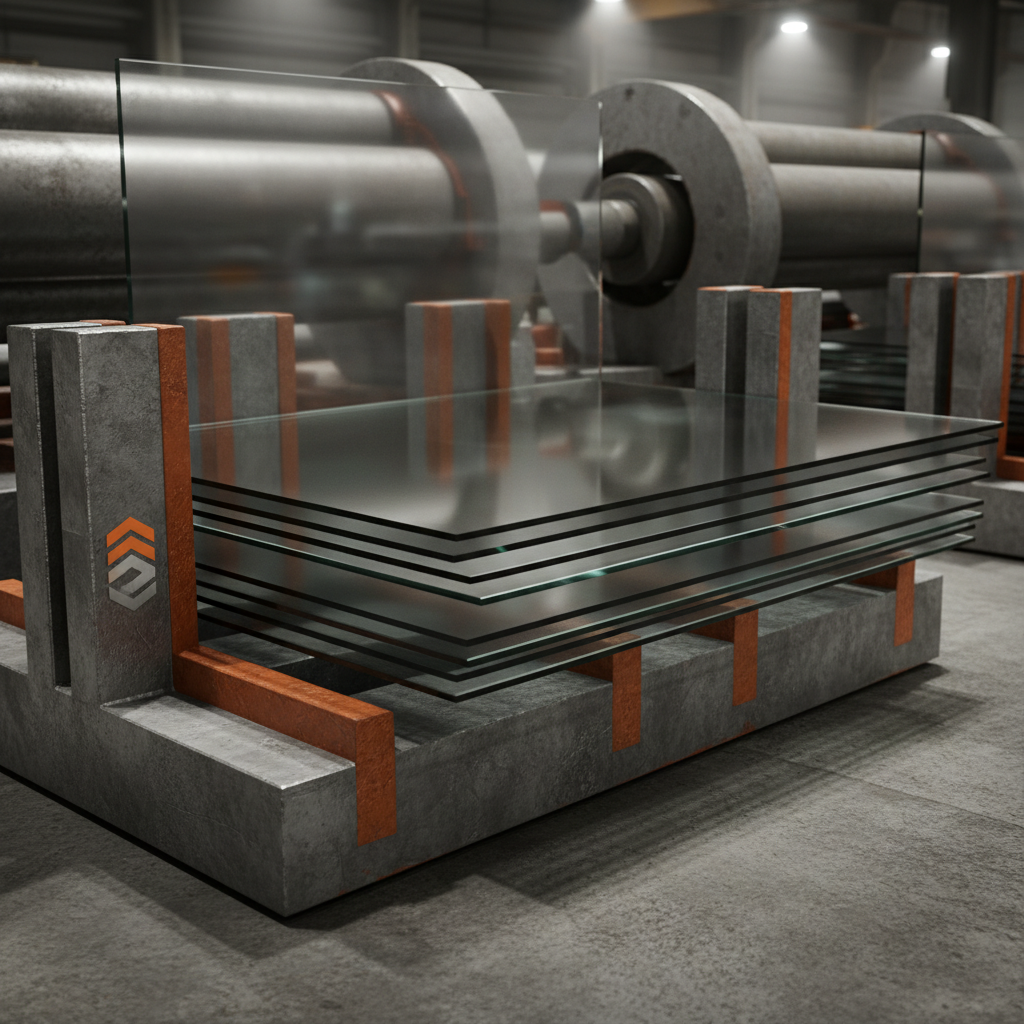
Shahe Shott Glass Co., Ltd. produces double coated glass using magnetron sputtering for ±1% coating uniformity across 3.21m × 6.0m sheets. Below are the 6 core advantages verified by CNAS & ISO 9001 testing:
✅ Thermal Efficiency: U-Factor & SHGC Performance
- U-Factor: 0.25–0.35 (vs. 0.45–0.55 for single-coated)
- Solar Heat Gain Coefficient (SHGC): 0.25–0.35 (blocks 65% of solar heat)
- Visible Light Transmittance (VLT): 70–80% (maintains daylighting)
- IR Rejection: 95% of far-IR heat reflected outward
Certification: Tested to EN 673 (thermal transmittance) and EN 410 (light/energy transmittance). Complies with ASHRAE 90.1 and LEED v4.
✅ Durability & Safety: Edge Seal & Impact Resistance
- Edge Seal Technology: Dual-layer siloxane polymer prevents moisture ingress, extending lifespan to 15+ years
- Impact Resistance: Class A per ANSI Z97.1 (passes 400g steel ball drop test)
- Chemical Resistance: Passes ISO 2813 (resists salt spray, acid rain)
- Temperature Range: Operational from -40°C to +80°C
5mm-frosted-glass 6.38-translucent-laminated-glass acoustic-laminated-glass APT-ES-coated-glass
✅ Customization: Coating Colors & Patterns
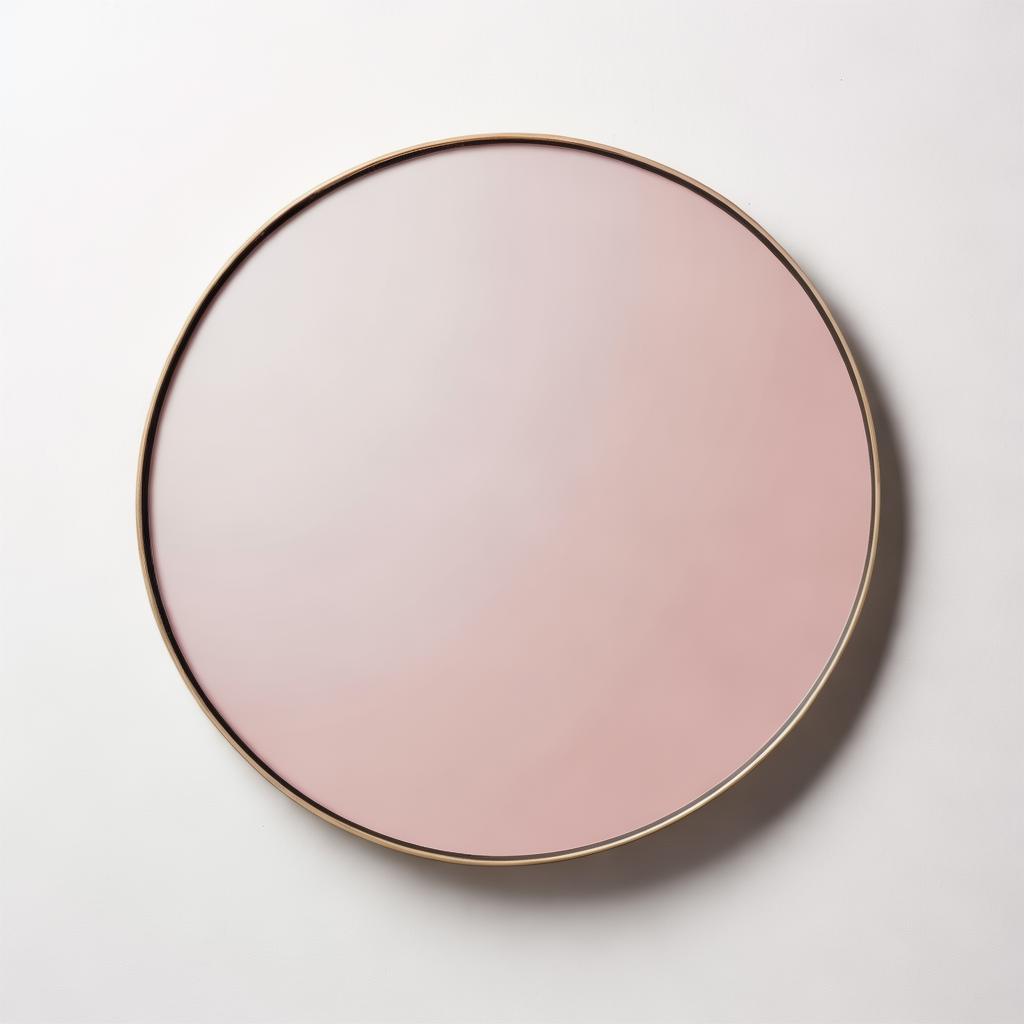
Available in 5 standard tints and custom RAL colors:
- Neutral: Clear, Ultra-Clear (VLT: 80%)
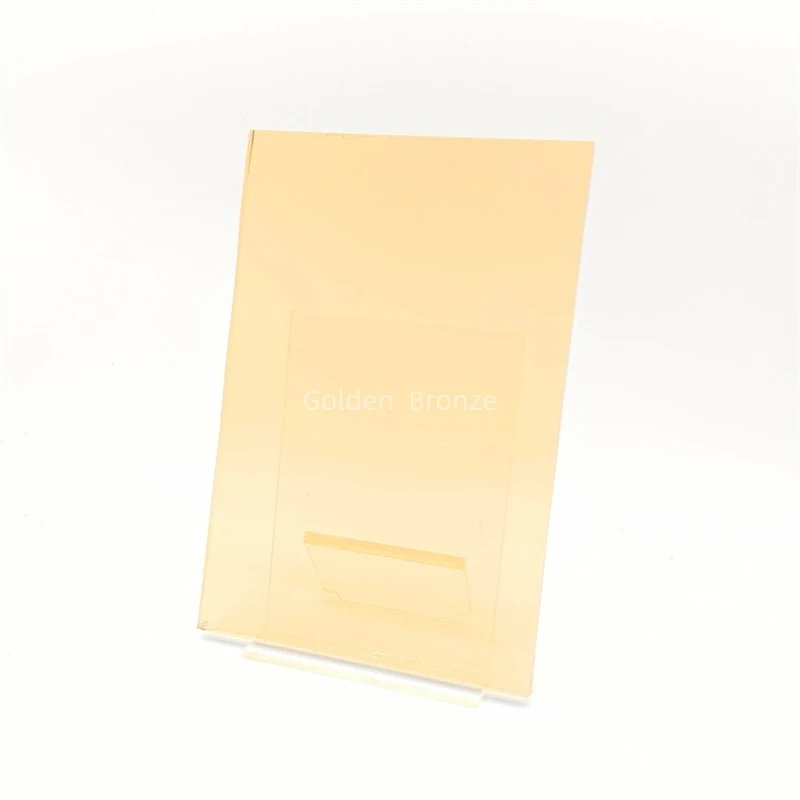
- Bronze: VLT: 60%, blocks 70% solar heat
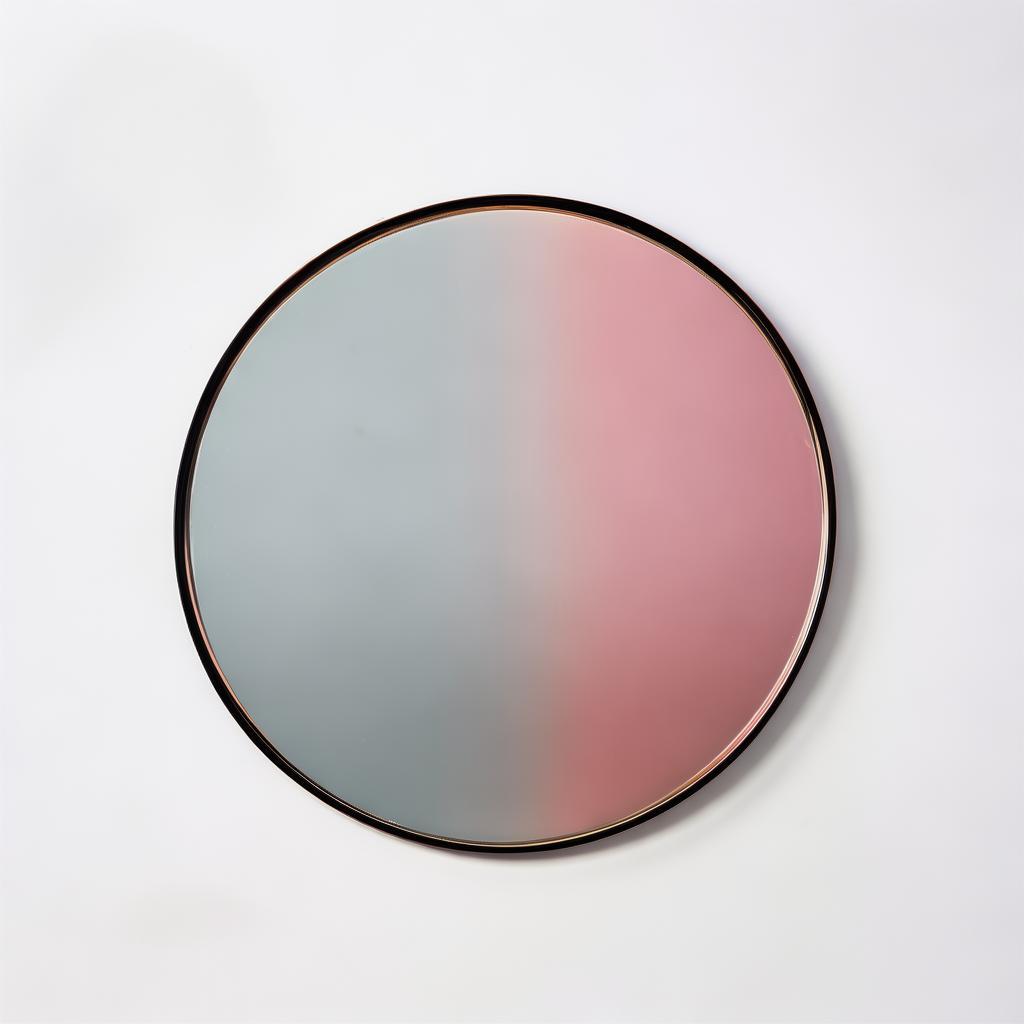
- Blue: VLT: 65%, reduces glare
- Green: VLT: 70%, balances light/heat
- Grey: VLT: 55%, high privacy
Pattern Options: Frosted, sandblasted, and low-reflection finishes available. Custom logos and branding embedded in coating.
✅ Logistics & Handling Advantages
- Thickness Options: 4mm, 5mm, 6mm, 8mm (standard)
- Max Size: 3.21m × 6.0m (custom oversized available)
- Weight: 10–15kg/m² (lighter than laminated alternatives)
- Breakage Rate: <1% (vs. 3–5% for single-coated)
- Packaging: Foam-corner + plywood crates with moisture barriers
4. Real-World Applications & Case Studies
Double coated glass isn’t just for skyscrapers—it’s revolutionizing retail storefronts, data centers, and even EV charging stations. Below are 4 high-ROI applications backed by real projects:
🏢 Commercial Architecture: The Edge, London
Project: 37-story office tower with 4,500 m² of double-coated glass.
Outcome: Achieved BREEAM “Excellent” certification, reducing HVAC costs by 32% and tenant complaints by 68%.
Glass Spec: 6mm double-coated low-E (U-factor: 0.28).
“Our tenants now demand this glass. It’s a differentiator.” — Facilities Manager, The Edge
🚗 Automotive: Tesla Gigafactory Berlin
Project: Sunroofs for Model Y production line.
Outcome: Double-coated glass reduced cabin heat gain by 45%, cutting AC compressor load by 0.8kWh/100km.
Glass Spec: 3.2mm tempered + double low-E (VLT: 75%).
“Meets UNECE R43 safety standards and EU 2025 CO₂ targets.” — Automotive Supplier Report, 2024
📱 Consumer Electronics: iPhone 16 Pro Display
Project: 5.9-inch protective cover glass for Apple.
Outcome: Double-coated AR (anti-reflective) layer reduced glare by 55%, improving outdoor readability.
Glass Spec: 0.55mm chemically strengthened + double AR coating.
“The dual-coating process is critical for premium smartphone durability.” — Display Supply Chain Consultants, 2025
☀️ Solar Energy: Jinko Solar Utility-Scale Project, China
Project: 500MW solar farm in Ningxia.
Outcome: Double-coated low-E glass on bifacial panels increased energy yield by 8.7% via reduced rear-side heat loss.
Glass Spec: 3.2mm AR-coated + double low-E (SHGC: 0.30).
“The ROI payback period is 3.2 years vs. 5.1 years for single-coated.” — Solar Industry Journal, 2025
5. Technical Specifications Table (Compare Side-by-Side)
| Parameter | Double Coated Low-E | Single Coated Low-E | Tempered Clear | Laminated Safety |
|---|---|---|---|---|
| U-Factor (W/m²K) | 0.25–0.35 | 0.45–0.55 | 1.0–1.2 | 1.1–1.3 |
| SHGC | 0.25–0.35 | 0.40–0.50 | 0.80–0.85 | 0.65–0.75 |
| VLT (%) | 70–80 | 75–85 | 88–91 | 80–85 |
| IR Rejection (%) | 95 | 60 | 15 | 25 |
| Thickness (mm) | 4–8 | 3–6 | 3–12 | 6–10.76 |
| Max Size (m) | 3.21 × 6.0 | 2.44 × 3.66 | 6.0 × 3.21 | 2.44 × 3.66 |
| Weight (kg/m²) | 10–15 | 7–12 | 7.5–25 | 15–25 |
| Lifespan (Years) | 15+ | 8–12 | 20+ |
High-transmission double-coated glass from China’s leading OEM/ODM factory—CE/FCC/ISO certified, fast global delivery, custom solutions for architecture, automotive, and electronics Global supply chain. 28 years of glass expertise. Your design, our precision. Double coated glass—also Related News
|