
Introduction: The Future of Sustainable & Functional Glass in Modern Architecture
By 2026, the global flat glass market is projected to reach USD 313.9 billion, with ceramic frit glass panels emerging as a cornerstone of high-performance building design. Unlike conventional glazing, frit glass integrates embedded ceramic particles that deliver superior solar control, privacy, and durability — all while maintaining 90%+ light transmittance.
Imagine a glass façade that reduces HVAC costs by up to 25%, blocks 98% of harmful UV rays, and enhances acoustic insulation — all in one panel. That’s the power of ceramic frit glass.
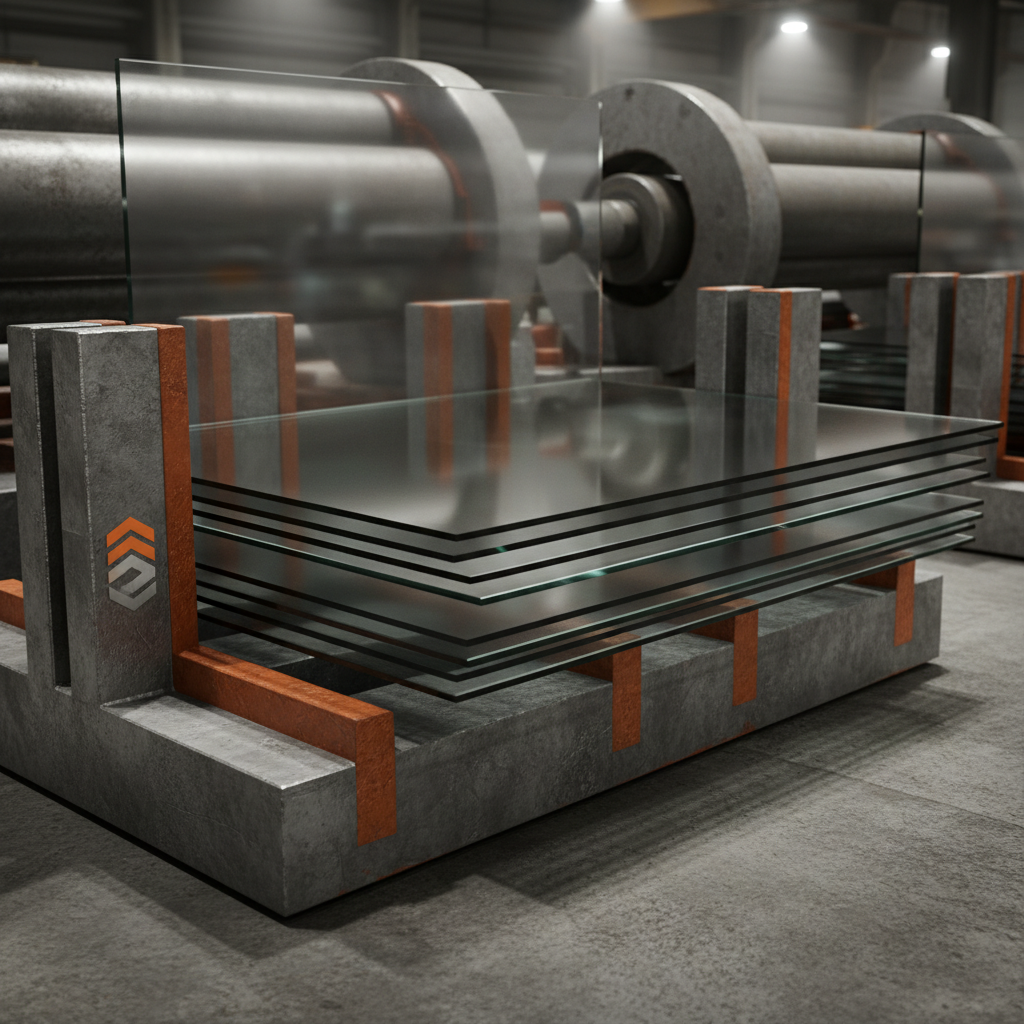
At SHAHE SHOTT GLASS Co., Ltd., we’ve spent 28 years perfecting the art of glass processing. With three 20,000 m² plants, advanced tempering, laminating, and cutting-edge CNC technology, we don’t just supply glass — we deliver precision-engineered solutions that meet the demands of architects, engineers, and developers worldwide.
Industry Insight: According to Market & Markets (2025), the global float glass market is growing at 11.7% CAGR, driven by urbanization and energy-efficient building codes. Ceramic frit panels, as a high-value processed product, are positioned to capture a growing share of this expansion.
This guide unpacks everything you need to know — from technical specs and compliance to real-world ROI and how to order. Whether you're specifying glass for a 60-story tower in Dubai or a sustainable villa in Germany, this is your definitive resource.
What Is Ceramic Frit Glass Panel?
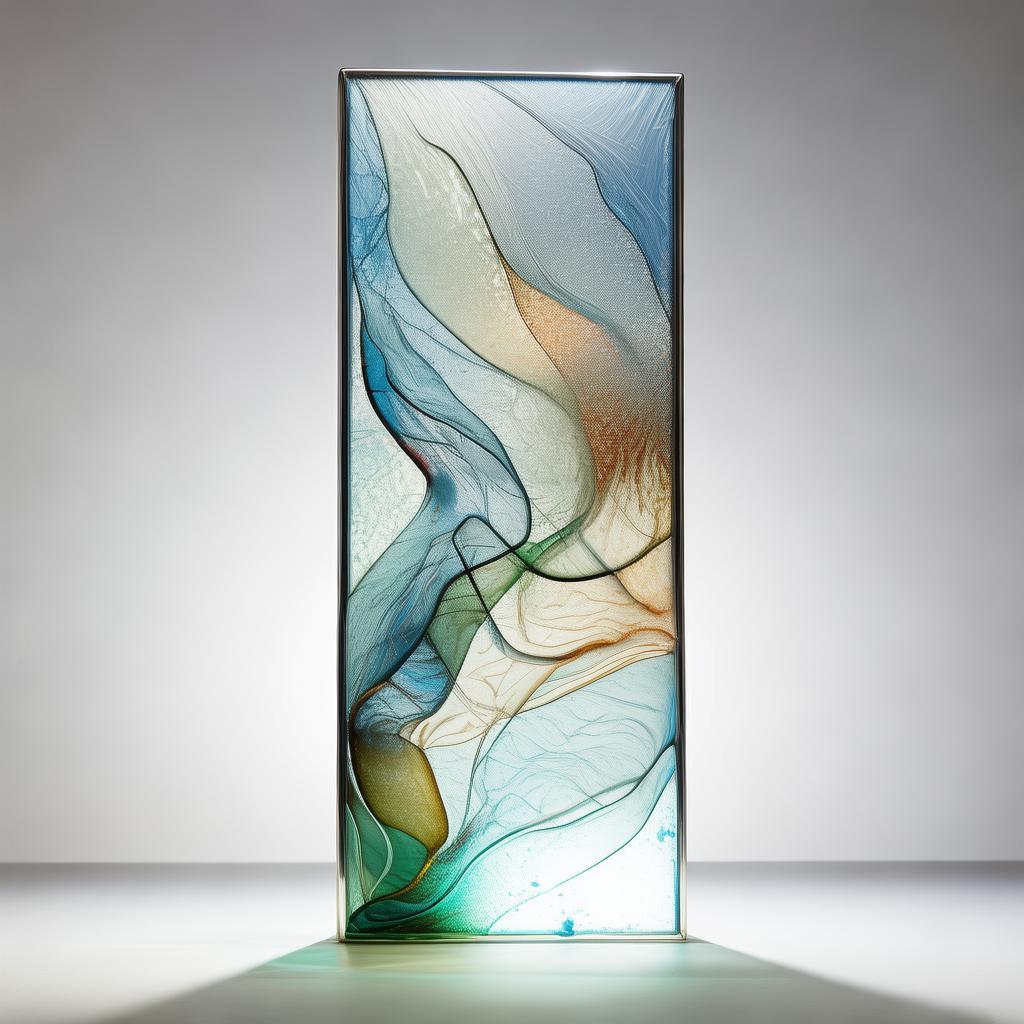
Ceramic frit glass is a tempered or laminated glass substrate with a permanently fused ceramic coating applied to one or both surfaces. The frit pattern is created using high-temperature ceramic ink, which is baked into the glass at 600°C, making it scratch-resistant, UV-stable, and weatherproof.
🏗️ Structure:
- Base: Clear or ultra-clear float glass (91.5%+ light transmittance)
- Frit Layer: Ceramic oxide particles (SiO₂, Al₂O₃, ZrO₂)
- Process: Frit ink screen-printed → Firing at 600°C → Tempering at 650°C
- Result: Single-sided or double-sided frit with patterns from 20% to 80% coverage
🎯 Key Features:
- ✅ High opacity & privacy (up to 80% pattern density)
- ✅ Solar control (reduces heat gain by 30-50%)
- ✅ UV protection (blocks 98% UV-A/B)
- ✅ Aesthetic versatility (patterns, gradients, logos, text)
- ✅ Durability (resists acid, alkali, and salt spray)
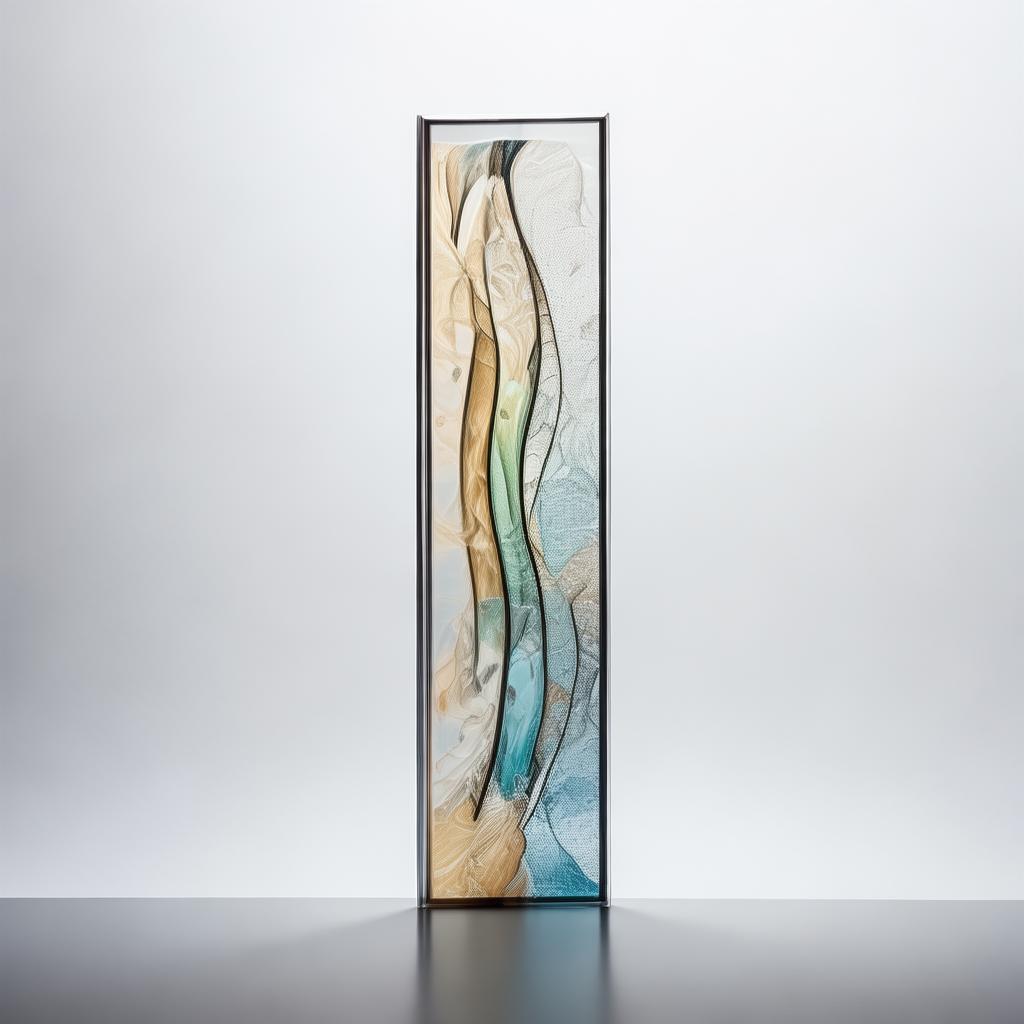
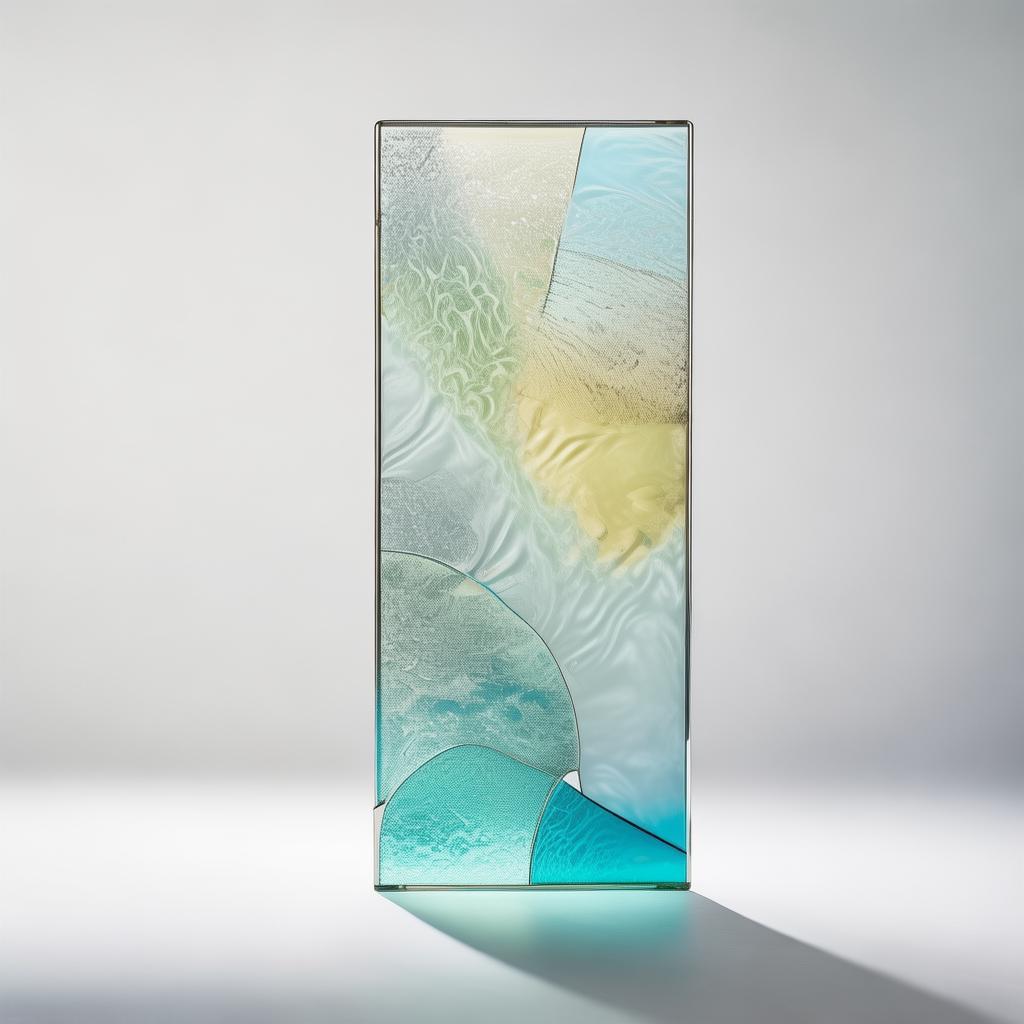
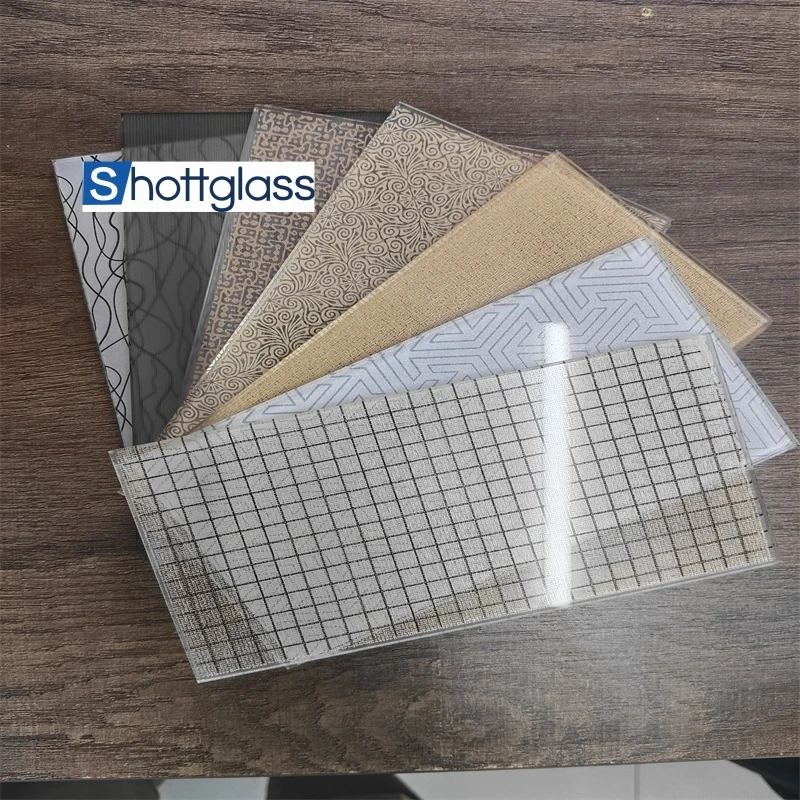
Available in custom patterns (dots, lines, geometric shapes, even company logos), frit glass is ideal for façades, partitions, shower enclosures, elevator panels, and interior design.
Pro Tip: Frit patterns can be front-fritted (on the exterior) or back-fritted (on the interior). Front frit is more durable but slightly less transparent. Back frit offers higher clarity but is prone to wear if cleaned with abrasives.
Why Choose Ceramic Frit Glass Over Conventional Solutions?
❌ The Problem With Standard Glass
- 🌡️ Poor thermal control: Clear float glass transmits 84% solar heat, increasing HVAC costs.
- ☀️ No UV protection: Allows 90%+ UV-A/B — fades furniture, harms skin.
- 🔊 Poor acoustics: Single-pane glass transmits 32 dB of noise.
- 🔄 Limited aesthetics: Only clear, tinted, or frosted — no branding or pattern control.
- ⚠️ Safety risk: Ordinary glass breaks into large, sharp shards.
✅ The Frit Glass Solution
- 🌡️ Solar heat reduction: Up to 50% reduction in heat gain.
- ☀️ UV blocking: Blocks 98% UV-A/B — protects interiors.
- 🔊 Acoustic insulation: Laminated frit glass reduces noise by up to 40 dB.
- 🎨 Design freedom: Custom patterns, gradients, logos — brand your space.
- 🛡️ Safety: Tempered frit glass breaks into small, dull granules.
- 🔄 Long lifespan: Ceramic frit lasts 25+ years without fading or peeling.
ROI Example: A commercial tower in Singapore using 2,500 m² of frit glass reported 22% reduction in cooling costs and 40% less interior fade damage over 3 years — translating to USD 85,000 in annual savings.
Technical Specifications & Performance Data
Below are the industry-standard technical specs for ceramic frit glass panels, based on GB15763.2-2005 (China), EN 12150 (EU), and ASTM C1036 (US). All data is tested at 23°C ±2°C, 50% RH.
| Parameter | Value | Test Standard | Notes |
|---|---|---|---|
| Glass Type | Clear Float / Ultra-Clear / Tinted (Bronze, Grey, Blue) | GB 11614 / EN 572 | Ultra-clear achieves 91.8% light transmittance |
| Thickness | 4mm, 6mm, 8mm, 10mm, 12mm, 15mm | GB 15763.2 / ASTM C1036 | Standard: 6mm (façade), 8mm (safety), 10mm+ (structural) |
| Frit Coverage | 10% to 80% (custom) | Visual / Image Analysis | 50% coverage = 35% solar reduction |
| Light Transmittance (Visible) | 70% – 91% (depends on frit density) | EN 410 | Ultra-clear + 10% frit = 89% LT |
| Solar Heat Gain Coefficient (SHGC) | 0.35 – 0.65 | NFRC 200 / EN 410 | Lower = better heat rejection |
| UV Transmission | < 2% | ISO 9050 | Protects fabrics and artwork |
| Thermal Conductivity (U-value) | 1.8 – 2.2 W/m²K (single), 1.1 – 1.4 (double) | EN 673 | Lower = better insulation |
| Sound Reduction | 32 – 42 dB (laminated frit) | ISO 717-1 | Ideal for airports, offices, hospitals |
| Mechanical Strength | ≥120 MPa (tempered) | EN 12150 | 4x stronger than annealed glass |
| Thermal Shock Resistance | ≥200°C | GB 15763.2 | Survives sudden temp changes |
📊 Real-World Performance: A Berlin office building using 8mm frit glass (50% coverage) reduced peak indoor temps by 4°C and cut HVAC energy by 18% over one summer season (source: Grand View Research, 2025).
Need custom specs? Upload your pattern, thickness, and region. We’ll return a free technical datasheet within 24 hours.
Real-World Applications & Industry Use Cases
🏢 Commercial Façades
Frit glass creates solar-responsive façades that adjust opacity based on sun angle, reducing glare and heat load.
- Used in: Dubai Marina towers, London Shard, Shanghai World Financial Center
- Pattern: Dot matrix (20-40% coverage)
- Thickness: 8-12mm
- Benefit: 30% HVAC savings
🚪 Interior Partitions
Privacy glass with branding — ideal for offices, co-working spaces, and luxury hotels.
- Pattern: Logos, gradients, geometric
- Thickness: 6-8mm laminated
- Benefit: 40% noise reduction, brand identity
🛁 Shower Enclosures
Frosted or patterned frit glass for bathrooms — combines privacy with durability.
- Pattern: Frosted dots, stripes
- Thickness: 8mm tempered
- Benefit: Resists water spots, no need for film
🚆 Elevator Panels
Custom-branded frit glass for high-end elevators — adds prestige and safety.
- Pattern: Company logos, city skylines
- Thickness: 10-12mm
- Benefit: No fading, scratch-proof
🏠 Residential Windows
Energy-efficient frit glass for passive houses and green certifications.
- Pattern: Subtle dots or lines
- Thickness: 6-8mm double-glazed
- Benefit: Passive House certified
🛡️ Security Glazing
Laminated frit glass with PVB interlayer — bullet-resistant and anti-intrusion.
- Pattern: Random speckles
- Thickness: 15-21.5mm
- Benefit: Class P1A / EN 356
💡 Application Tip: For curved glass, frit can be applied post-bending. Contact us for free CAD samples.
Ceramic Frit vs. Standard Glass vs. Other Alternatives
| Feature | Ceramic Frit Glass | Standard Tempered Glass | Frosted Glass (Sandblasted) | Smart Glass (PDLC) |
|---|---|---|---|---|
| Privacy | ✅ High | ❌ None | ✅ Medium | ✅ On-Demand |
| UV Protection | ✅ 98% Blocked | ❌ None | ❌ None | ❌ None |
| Solar Heat Reduction | ✅ 30-50% | ❌ 0-5% | ❌ 0% | ✅ 30-70% (with film) |
| Durability | ✅ 25+ Years | ✅ 10-15 Years | ⚠️ 5-8 Years | ✅ 10+ Years |
| Custom Patterns | ✅ Yes | ❌ No | ❌ No | ✅ Limited |
| Cost (per m²) | $45 – $120 | $12 – $35 | $25 – $50 | $150 – $400 |
| Lead Time | 10–15 Days |
By 2026 , the global flat glass market is projected to reach USD 313.9 billion , with ceramic frit glass panels emerging as a cornerstone of high-performance building design . Unlike conventional glazing, frit Related News
|