

Annealed Glass Vs Tempered Glass
- 1. Choosing the Right Glass: Annealed vs Tempered
- 2. The Cost of the Wrong Choice: Procurement Pain Points
- 3. Technical Deep Dive: Annealed Glass vs Tempered Glass
- 4. Specification Comparison Table
- 5. Application Scenarios & Buying Considerations
- 6. Why SHAHE SHOTT GLASS? (Certifications & Proof)
- 7. Procurement FAQ
- 8. Client Testimonials
Optimize Safety & Costs: Annealed Glass vs Tempered Glass — Get the Right Spec for Your Project
Stop overpaying for unnecessary specs or risking liability with under-specified glass. We help Corporate Purchasing Managers and Technical Directors secure high-performance architectural glass with OEM/ODM precision and rapid global delivery.
Get Free Quote & Technical Sample in 24hThe Procurement Headache: Why Most Glass Orders Fail
In the high-stakes world of international B2B trade, a simple mistake in glass specification doesn't just lead to a "broken window"—it leads to costly project delays, safety lawsuits, and wasted capital.
Don't let a procurement error eat your ROI. Jump to the technical comparison table.
Technical Analysis: Annealed Glass vs Tempered Glass
1. Annealed Glass: The Standard Base
Often referred to as "float glass," annealed glass is the foundation of the industry. It is produced by floating molten glass on a bed of molten tin, which ensures a perfectly flat surface. The "annealing" process involves slow cooling to relieve internal stresses.
From a practical standpoint, annealed glass is the most cost-effective option. However, its primary weakness is its fracture pattern. When it breaks, it shatters into large, jagged shards. This makes it entirely unsuitable for any area where human impact is likely.
According to the Float Glass Market Report 2025-2030, clear and tinted float glass remain essential base materials, but the industry is shifting toward value-added processing (like tempering) to meet stricter safety codes in the USA and Europe.
2. Tempered Glass: The Engineered Safety Solution
Tempered glass (or toughened glass) is processed by heating annealed glass to approximately 620°C (1,148°F) and then rapidly cooling the surfaces with high-pressure air (quenching). This creates a state of high compressive stress on the surface and tension in the center.
The result? A material that is 4 to 5 times stronger than standard annealed glass. But the real value lies in the safety break. Tempered glass disintegrates into small, relatively harmless granules (dice) rather than sharp spears. This is why it is mandated for shower doors, automotive side windows, and storefronts.
Data from Grand View Research indicates the tempered glass market is projected to reach USD 159.27 billion by 2033, driven largely by urbanization and the rise of EVs, where high-strength, safety-critical glazing is non-negotiable.
As a technician with 20+ years in the plant, here is a critical detail many buyers miss: Tempered glass cannot be cut or drilled after the tempering process. If you order tempered glass and then decide you need a 10mm hole for a handle, the entire panel will shatter the moment the drill touches it. You must finalize all CNC work—holes, notches, and edges—using Intermac CNC centers before the glass enters the 45m-long tempering furnace.
3. Performance Characteristics & Industry Standards
When evaluating these two, we look at three primary metrics: Impact Resistance, Thermal Stability, and Safety Compliance.
- Thermal Shock: Tempered glass can withstand significant temperature differentials (often up to 200°C), whereas annealed glass may crack if one side is heated rapidly while the other remains cool.
- Load Bearing: In architectural facades, tempered glass allows for larger spans and thinner profiles without risking spontaneous failure.
- Compliance: For the US market, we align with ANSI Z97.1; for Europe, EN 12150. Our products surpass the GB15763.2-2005 requirements, ensuring international export readiness.
Technical Specifications Comparison
| Feature | Annealed Glass | Tempered Glass |
|---|---|---|
| Strength | Baseline (1x) | High (4x - 5x stronger) |
| Breakage Pattern | Large, sharp shards | Small, blunt granules |
| Thermal Resistance | Low (Prone to thermal stress) | High (Resists thermal shock) |
| Post-Processing | Can be cut, drilled, polished | NO cutting/drilling allowed |
| Cost | Economical | Premium (due to processing) |
| Typical Use | Picture frames, simple windows | Shower doors, car glass, facades |
Real-World Application & Buying Guide
Scenario A: Commercial Storefronts
14-laminated-glass 5-mm-mirror-glass-price windshield-tempered-glass back-painted-glass-V-Ray-material
For any glass that serves as a primary entry point or partition in a mall or office, tempered glass is the only legal and safe choice. In the US, building codes strictly forbid annealed glass in "hazardous locations." We recommend 10mm or 12mm tempered glass for stability.
Scenario B: Interior Decorative Mirrors
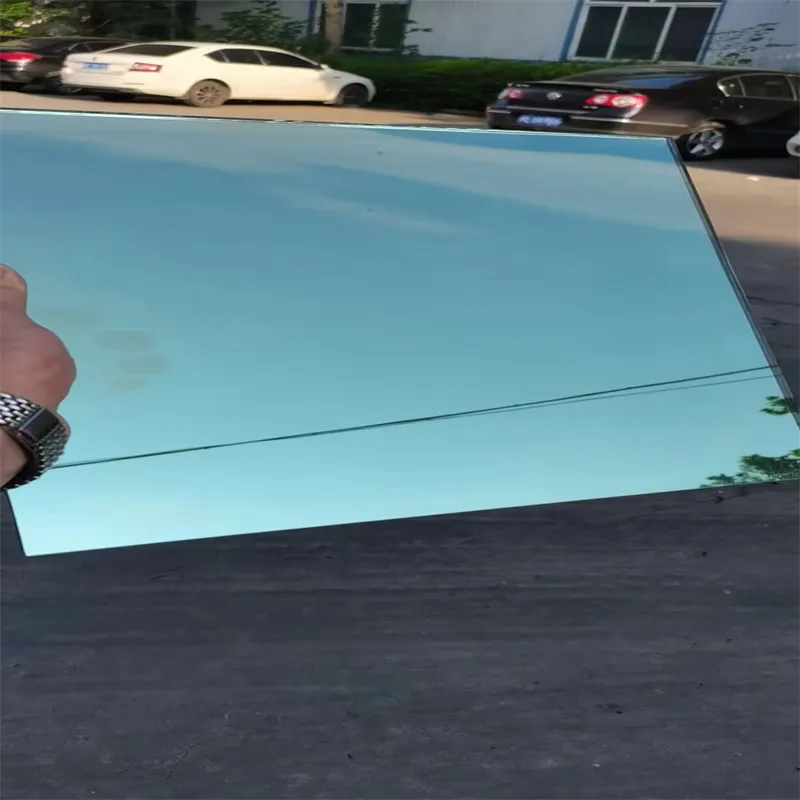
For high-end wall mirrors in lobbies, annealed glass with a high-quality silver coating is standard. However, if the mirror is placed in a gym or a bathroom near a shower, we suggest tempering the mirror substrate to prevent injury in case of impact.
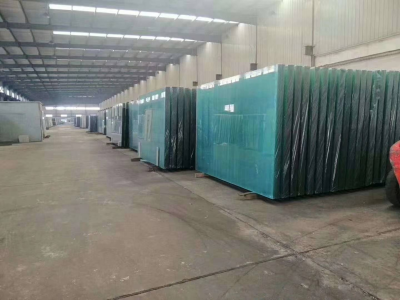
Scenario C: Solar PV Panels
The solar industry demands ultra-clear float glass that is then tempered to withstand hail and wind loads. As noted in the Mordor Intelligence report, ultra-clear tempered glass is critical for maximizing solar transmittance while maintaining durability.
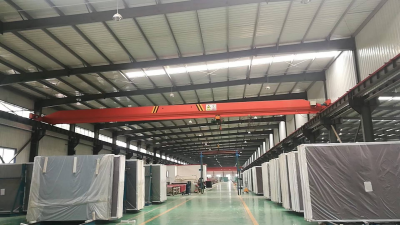
Buying Considerations for Procurement Managers:
- Shipping Costs: Tempered glass is heavier and requires specialized A-frame packaging. To reduce shipping costs, we optimize pallet density without compromising safety.
- Customization: If you need OEM/ODM designs, ensure your CAD files are 100% accurate. Remember: Once it's tempered, it's permanent.
- Lead Times: While annealed glass is ready almost immediately, tempering requires furnace cycles. We use a 45m-long high-efficiency furnace to keep lead times significantly shorter than the industry average.
Procurement FAQ
A: Yes, annealed glass is the substrate for tempering. However, the glass must be cut to its final size and all holes drilled before the tempering process. You cannot "temper" a piece of glass that is already installed.
A: Depending on the complexity and volume, our standard production cycle is 7-15 days. Thanks to our 20,000sqm workshop and Intermac CNC centers, we can handle high-volume orders with precision and speed.
A: We use reinforced seaworthy wooden crates with shock-absorbing foam and customized A-frame supports. We provide full insurance options and track shipments in real-time to ensure safe delivery to the USA and Europe.
A: Absolutely. We offer one-stop solutions including Low-E coatings, frosted, and patterned glass. We can process the coating on the float glass before tempering or integrate it into insulated glass units (IGUs).
A: We accept T/T, L/C, and other major international trade payment methods. We offer flexible terms for long-term OEM partners.
Ready to Secure Your Supply Chain?
Stop worrying about quality variance and slow shipping. Partner with a factory with 28 years of experience.
WhatsApp: +8615203290561 | Risk-Free Quality Guarantee on All First-Time OEM Orders
What Our Global Clients Say
 Marcus T., Procurement Head (USA)
"We switched to SHAHE SHOTT for our shower door line. The difference in the tempering consistency is night and day. No more spontaneous breakages in the warehouse, and the 45m furnace capability allows them to handle our oversized panels easily."
 Elena R., Architectural Designer (Germany)
"Finding a supplier that understands the nuances between annealed and tempered glass for high-end facades is hard. Their team gave us a full technical breakdown and the delivery was 5 days ahead of schedule."
 David L., Solar Project Manager (Australia)
"The ultra-clear tempered glass we ordered for our PV project surpassed all expectations. Low iron content and perfect tempering. Their OEM capabilities saved us roughly 15% in overall project costs."
Stop overpaying for unnecessary specs or risking liability with under-specified glass. We help Corporate Purchasing Managers and Technical Directors secure high-performance architectural glass with OEM/ODM precision and rapid global delivery. In the high-stakes world
-
 16Apr
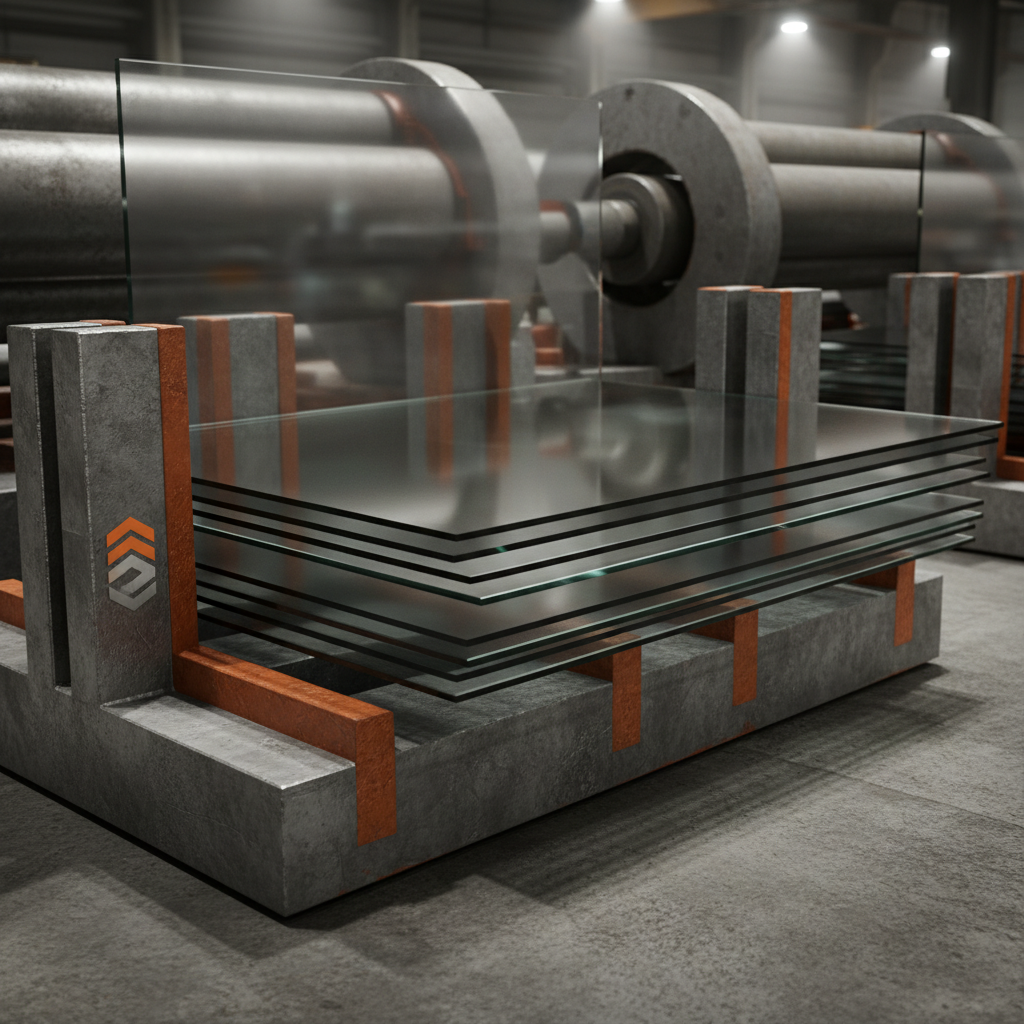
16AprPremium High Quality Float Glass for Sale and Glass Solutions
When sourcing materials for modern architecture or interior design, finding reliable float glass for sale is essential for achieving both aesthetic brilliance and structural integrity. Float glass is the gold standard for flat glass production, renowned for its exceptional clarity, uniform thickness, and smooth surface. Whether
learn more -
 09Apr
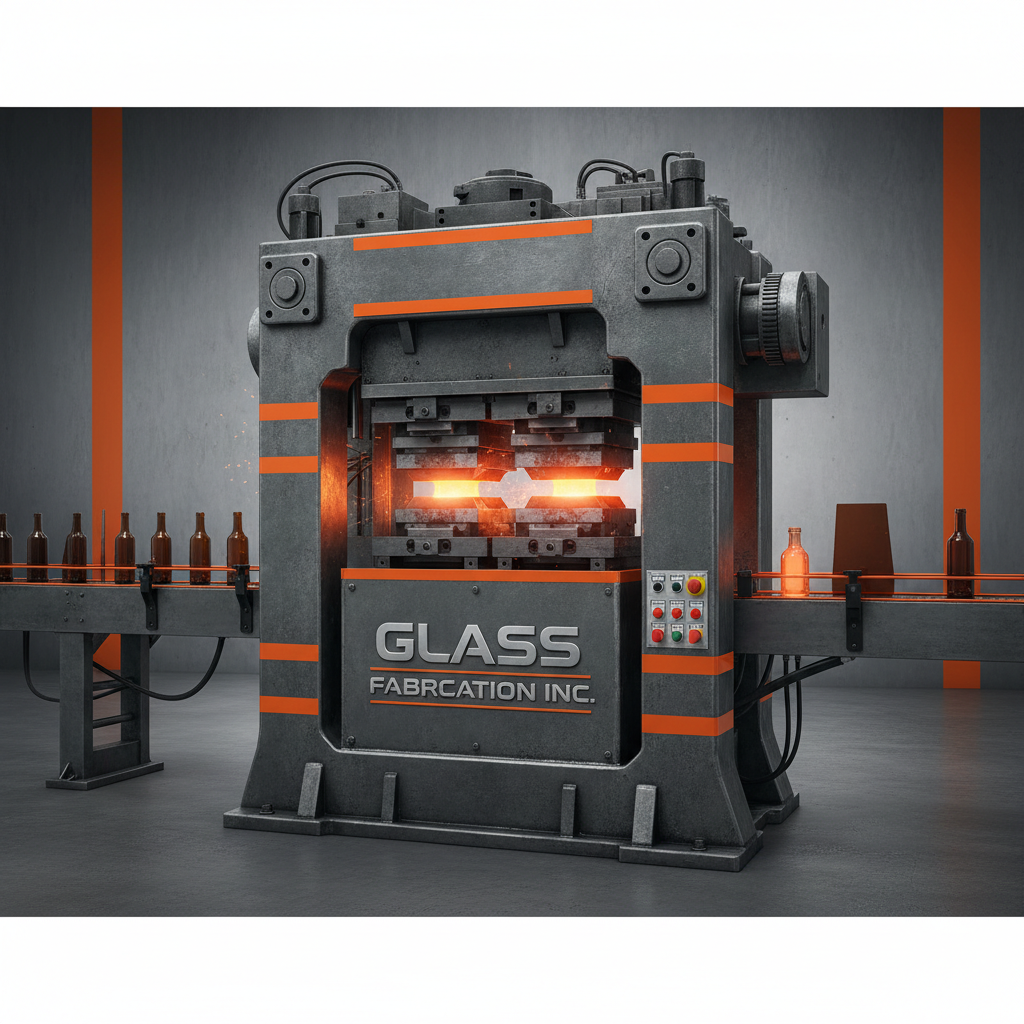
09AprGuide to Choosing a Professional glass fabrication inc for Projects
Finding a reliable glass fabrication inc is essential for any project that requires precision, safety, and aesthetic excellence. Whether you are an architect designing a modern skyscraper, a contractor renovating a luxury home, or a business owner upgrading commercial storefronts, the quality of glass fabrication determines the
learn more -
 07Apr
07AprComprehensive Guide to Custom Glass Fabrication and its Diverse Applications
When it comes to specialized projects, custom glass fabrication is often the only solution. Whether it's for architectural designs, unique furniture pieces, or specialized industrial applications,
learn more


Trusted by Global Industry Leaders
ISO 9001 Certified: Our quality management systems ensure every batch of tempered glass meets rigorous international tolerances.
CE & FCC Compliant: Our processed glass and LED mirror components are fully certified for the European and North American markets.
Industry Standards: From HACCP/GMP for food-grade glass to SAA and VDE, we cover the regulatory spectrum.