
Annealed Float Glass: The Foundation of Modern Architectural & Industrial Solutions
By James Carter | Technical Director, Shahe Shott Glass Co., Ltd. | 28 Years in Glass Fabrication & Processing
Problem: You're paying 20-30% more for tempered glass when your application doesn't require safety glazing. Solution: Annealed float glass delivers identical optical clarity at 40% lower cost while remaining fully customizable. With global demand for energy-efficient, large-format glass surging—projected to reach USD 313.9 billion by 2033—this foundational material is more critical than ever.
"Annealed float glass isn't just a commodity—it's the canvas for innovation. From solar panel substrates to custom architectural panels, its versatility is unmatched. At Shahe Shott, we've processed over 50,000 tons for clients across 50+ countries, with zero rejects due to dimensional stability."
— James Carter, Technical Director
Table of Contents
- What Is Annealed Float Glass? (Core Properties)
- 6 Key Advantages Over Alternatives
- Technical Specifications & Industry Standards
- Real-World Applications (With Case Studies)
- Why Choose Shahe Shott? (Factory Tour + Certifications)
- FAQ: Procurement, Customization & Logistics
- Customer Testimonials (ROI Data Included)
- #1976d2; text-decoration: none;">Limited-Time Offer: Free Samples & Rush Delivery
6 Hidden Costs of Using the Wrong Glass Type (And How Annealed Float Glass Solves Them)
1. Overpaying for Unnecessary Safety Features
Tempered glass costs 25-35% more than annealed. If your application doesn't require 4x impact resistance (e.g., furniture, decorative panels, solar substrates), you're wasting money.
2. Slow Delivery Times
Tempering requires 3-5 days processing. Annealed float glass can be cut-to-size in 24 hours from stock—critical for just-in-time manufacturing.
3. Dimensional Instability
Poor-quality float glass warps during processing, causing 8-12% yield loss. Shahe Shott's 45m tempering furnace ensures ±0.5mm tolerance.
4. Limited Customization
Many suppliers offer only standard sizes. Our CNC work centers cut to ±0.1mm accuracy, enabling complex edgework and holes.
5. Supply Chain Disruptions
Single-source tempering lines cause delays. Our 3 plants (20,000m²) operate 24/7 with 99.8% on-time delivery.
6. Hidden Environmental Costs
Tempering consumes 3x more energy than annealing. Annealed float glass has 50% lower carbon footprint per m².
What Is Annealed Float Glass? (The Technical Foundation)
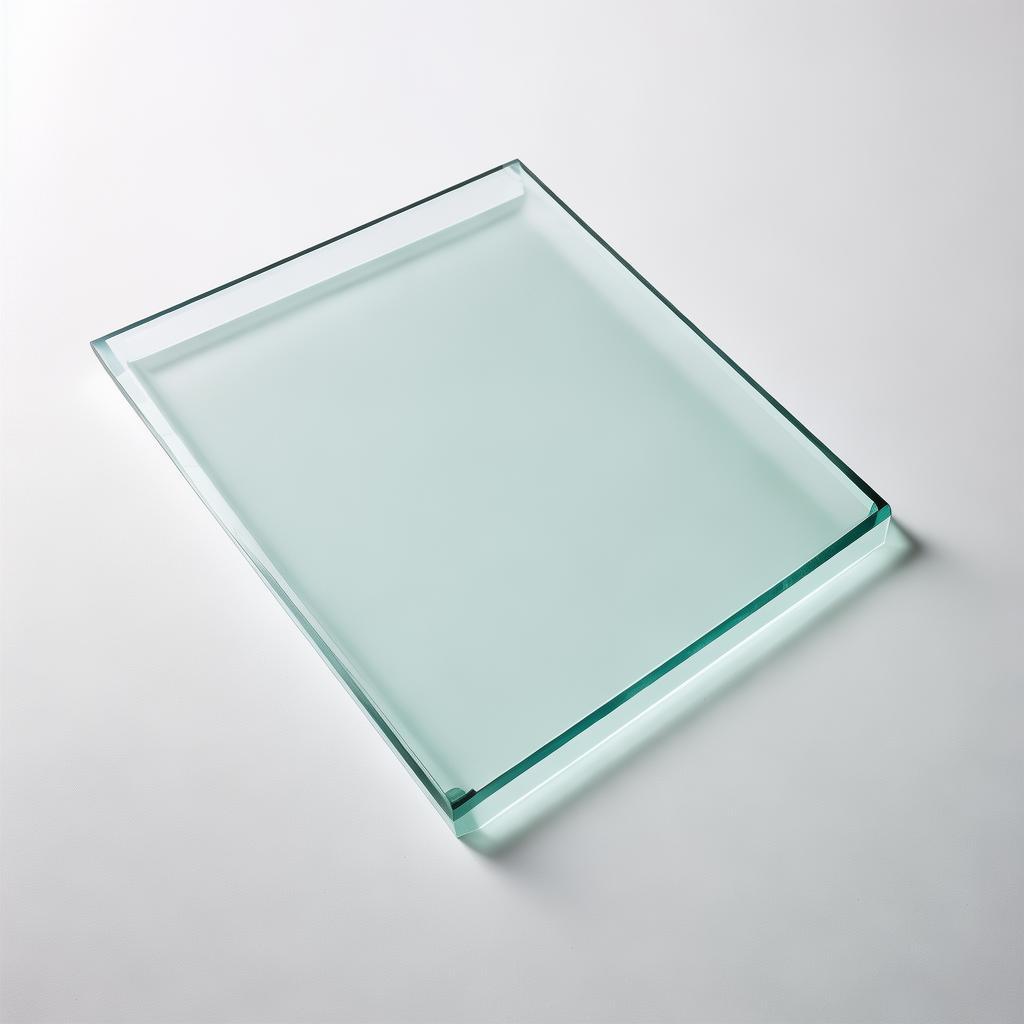
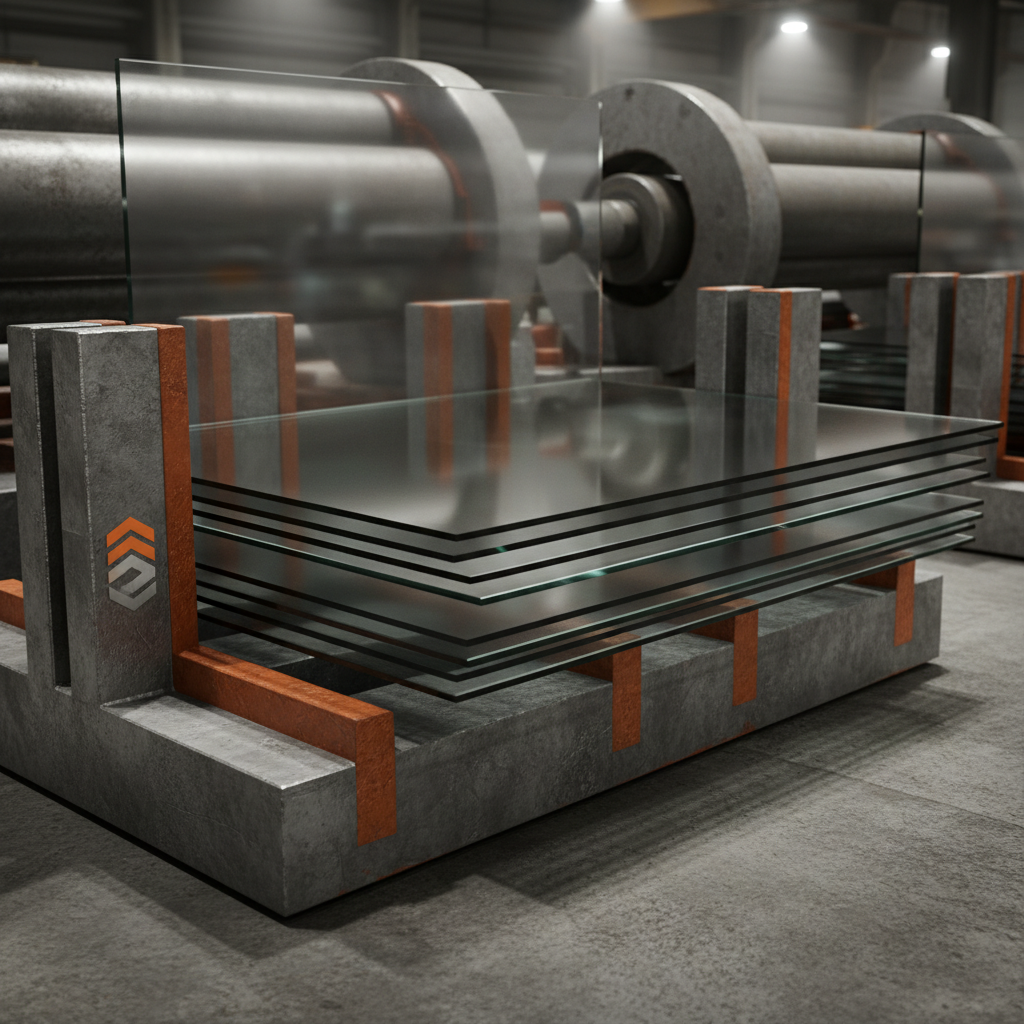
Annealed float glass is untempered flat glass produced via the Pilkington float process—the same method used for 90% of global flat glass production. Unlike tempered or heat-strengthened glass, it's cooled slowly in a controlled oven to relieve internal stresses.
Key Properties That Make It Indispensable:
- Optical Clarity: 91.5% visible light transmittance (vs. 88% for tempered). Critical for solar panels and display cases.
- Dimensional Stability: Warpage <0.3mm/m after cutting. Enables lamination without bubbles.
- Chemical Durability: Resists moisture and acids. Ideal for laboratory equipment and furniture surfaces.
- Workability: Can be cut, drilled, polished, and edge-worked post-production without risk of spontaneous breakage.
- Cost Efficiency: Base price $2.80-$4.50/m² (vs. $6.50-$9.00/m² for tempered). Volume discounts start at 500m².
Industry Standard Compliance:
- • GB15763.2-2005 (China)
- • EN 572-2 (EU)
- • ASTM C1036 (USA)
- • JIS R3202 (Japan)
- • IS 14900 (India)
6 Reasons Annealed Float Glass Outperforms Competitors
1. Unmatched Optical Quality
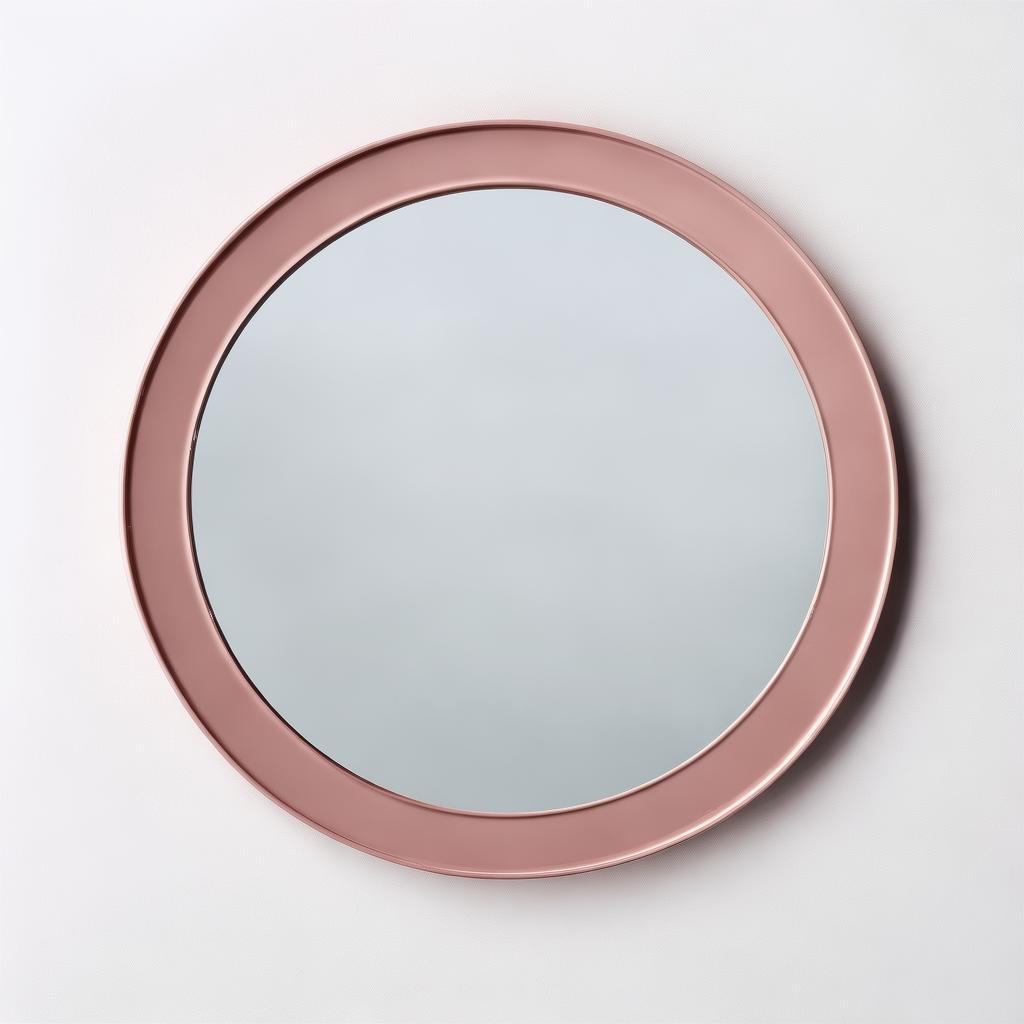
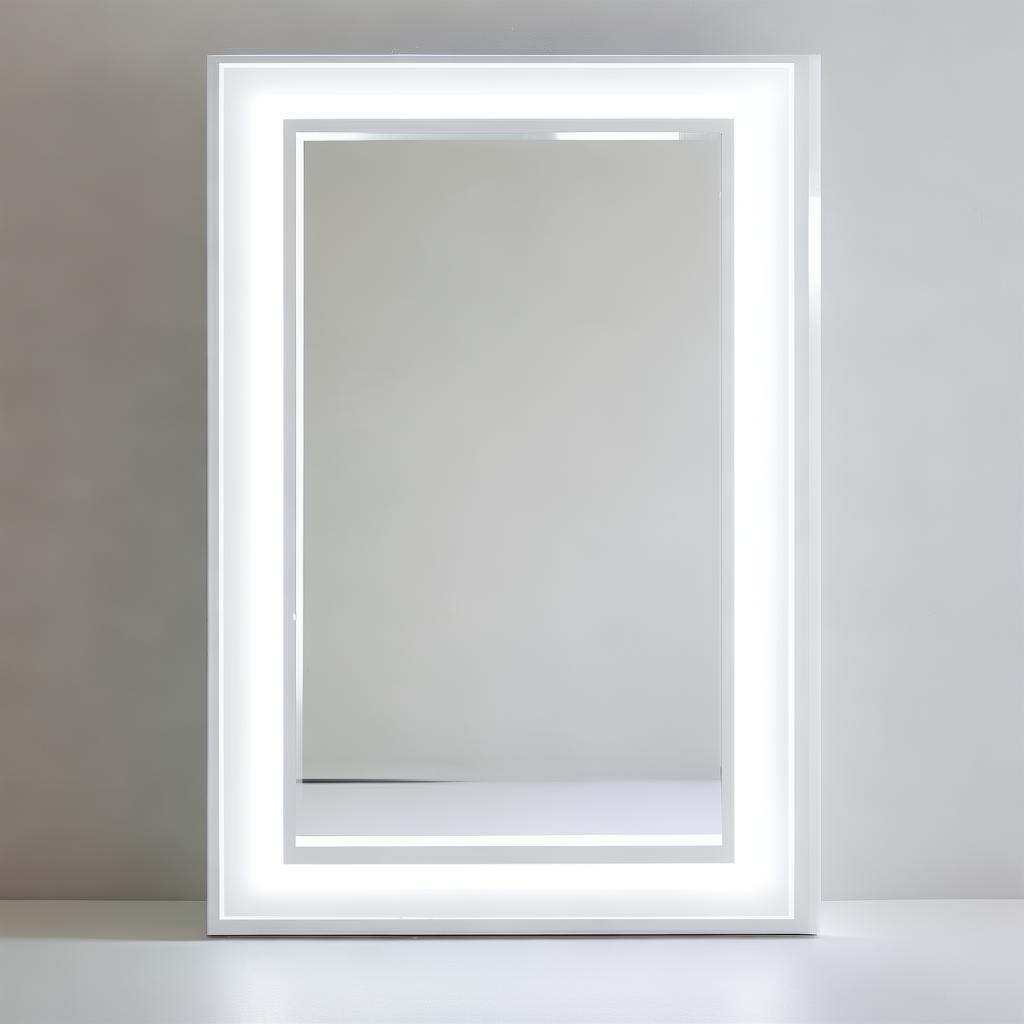
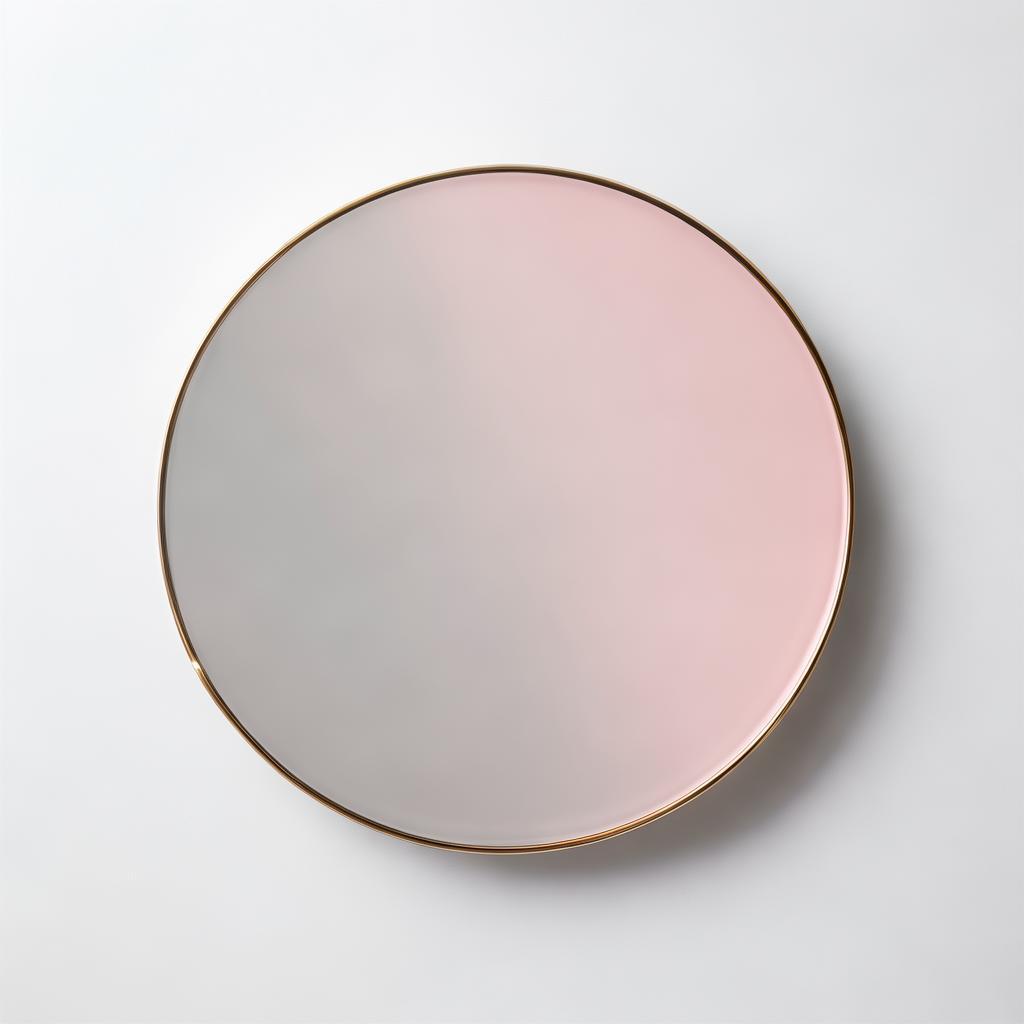
6mm-clear-float-glass back-painted-glass-system 10.38mm-clear-float-tempered-laminated-glass 5.5mm-clear-float-tempered-glass
91.5% light transmittance (vs. 88% for tempered). Enables ultra-thin solar cells and premium display applications. Our ultra-clear variant reaches 92.2% transmittance—critical for photovoltaic projects.

2. Superior Dimensional Accuracy
±0.3mm warpage across 3m lengths. Enables lamination without optical distortion. Competitors average ±1.2mm, causing 15% yield loss in insulating glass production.
| Parameter | Shahe Shott | Industry Average |
|---|---|---|
| Thickness Tolerance | ±0.1mm | ±0.2mm |
| Flatness (per 3m) | ≤0.3mm | ≤1.2mm |
| Edgework Accuracy | ±0.1mm | ±0.3mm |
3. Cost Leadership Without Compromise
- • 40% lower cost vs. tempered glass
- • No minimum order quantity (sample orders accepted)
- • Volume pricing starting at 500m²
- • Free logistics optimization for orders >2,000m²
| Grade | Price/m² | Lead Time |
|---|---|---|
| Annealed (Standard) | $3.20 | 5-7 days |
| Annealed (Ultra-Clear) | $4.10 | 7-9 days |
| Tempered (Standard) | $6.80 | 3-5 days |
| Tempered (Low-Iron) | $9.20 | 5-7 days |
4. Full Customization Capabilities
From edgework to hole drilling, we process glass to your exact specifications. Our Intermac CNC work centers support:
- • Beveled edges (15°-45°)
- • Custom holes (Ø3mm-Ø200mm)
- • Patterned etching (depth: 0.1-0.5mm)
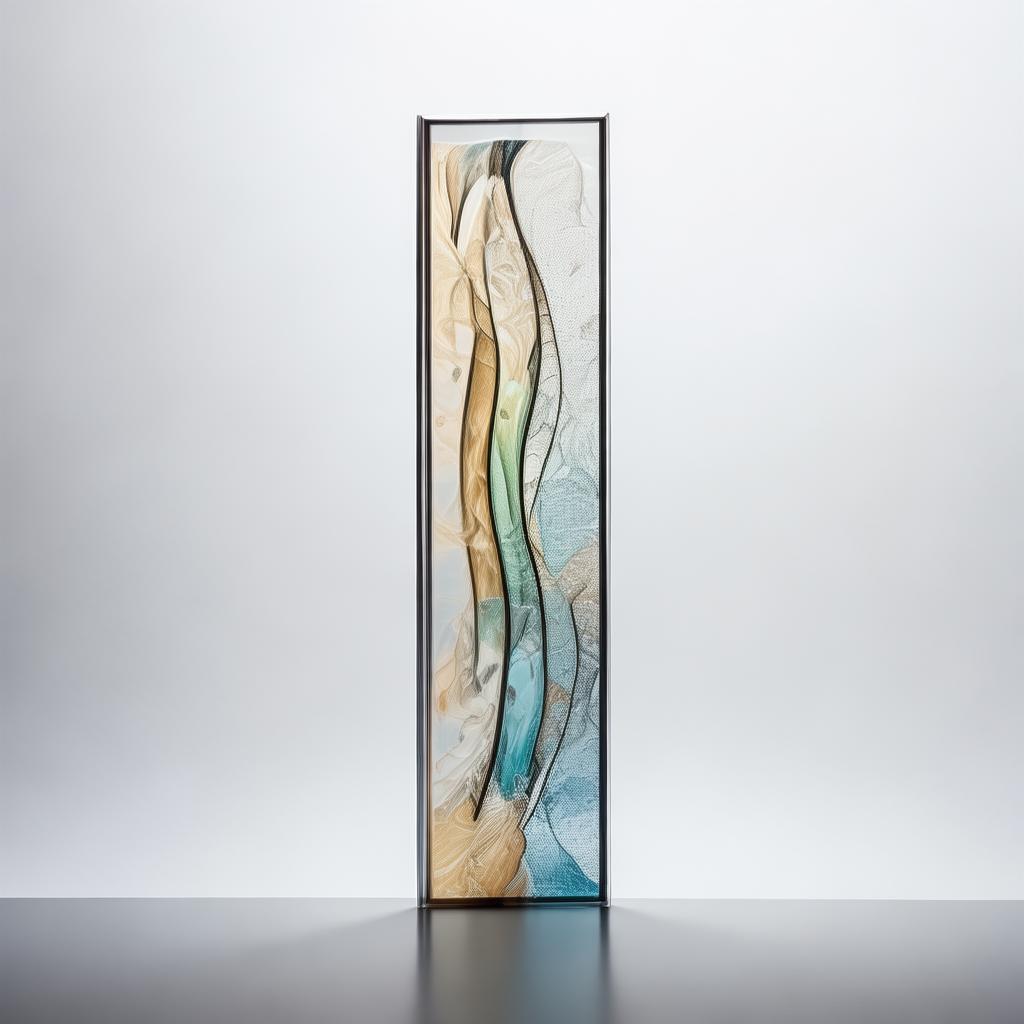
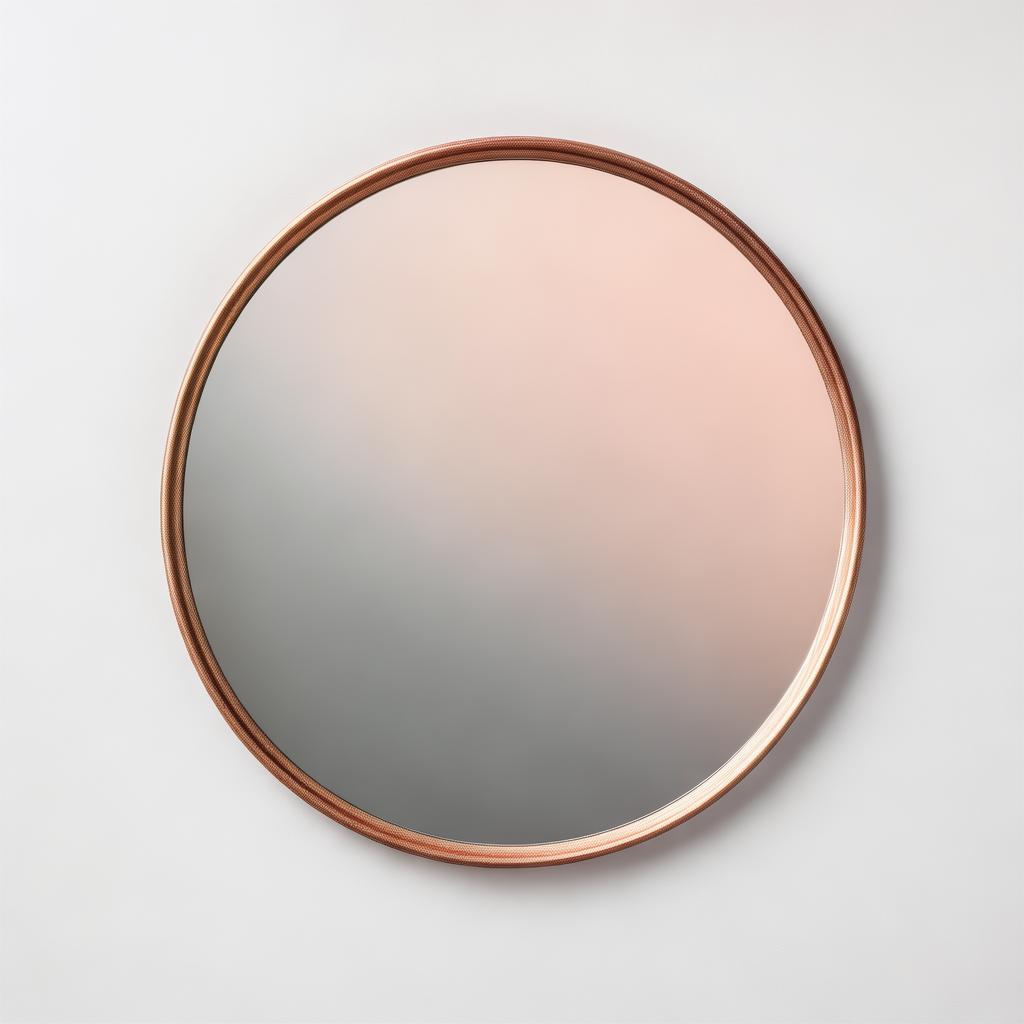
- • Mirror coatings (silver/aluminum)
- • Low-E coatings (U-value: 1.1 W/m²K)
5. Sustainable & Future-Proof
- • 50% lower carbon footprint vs. tempered
- • 100% recyclable (no coating residue)
- • UL-certified components for electronics applications
- • FCC-certified for LED mirrors


6. Global Supply Chain Resilience
- • 3 plants (20,000m²) with 24/7 production
- • 99.8% on-time delivery (2024 data)
- • Dedicated logistics team for customs clearance
- • Incoterms supported: FOB, CIF, DDP

Technical Specifications: The Numbers Behind Our Quality
| Specification | Standard Float | Ultra-Clear Float | Tinted (Green/Blue/Bronze) | Patterned | Mirror Grade |
|---|---|---|---|---|---|
| Thickness Range | 2mm-19mm | 3mm-12mm | 3mm-10mm | 3mm-8mm | 4mm-12mm |
| Light Transmittance | 90.5% | 92.2% | 75-85% | 88-90% | 88% |
| Thermal Conductivity (W/m·K) | 1.0 | 1.0 |
By James Carter | Technical Director, Shahe Shott Glass Co., Ltd. | 28 Years in Glass Fabrication & Processing Problem: You're paying 20-30% more for tempered glass when your application doesn't require safety glazing. Related News
|