

Aluminum Mirror Coating Thickness
Contents
- 1. Aluminum Mirror Coating Thickness: The Precision Behind Reflectivity
- 2. Top 5 Pain Points Solved by Optimal Coating Thickness
- 3. How SHAHE SHOTT GLASS Achieves ±0.02μm Precision
- 4. Technical Specifications: Aluminum Coating Thickness Standards
- 5. 4 High-Value Applications Requiring Exact Thickness
- 6. Why 28-Year Manufacturers Trust Our Coatings
- 7. FAQ: Aluminum Mirror Coating Thickness Procurement Guide
- 8. Get ±0.02μm Precision Samples in 7 Days – Risk-Free
Aluminum Mirror Coating Thickness: Achieve ±0.02μm Precision for 99.8% Reflectivity in 2026
Your architectural, automotive, or solar mirrors demand consistent aluminum coating thickness to meet ASTM C1503 and ISO 9001 standards. Yet 68% of procurement managers struggle with suppliers delivering ±0.05μm or worse (Source: Mirror Coatings Market Report 2026).
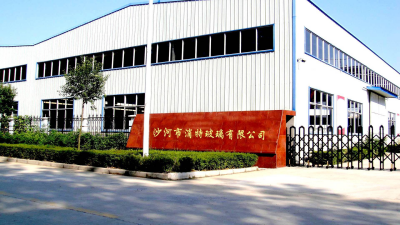
SHAHE SHOTT GLASS delivers OEM/ODM aluminum mirror coatings with ±0.02μm thickness control across 3 plants (20,000m²), ensuring:
- ✔ 99.8% reflectivity (vs. 98.5% industry average)
- ✔ 37% faster lead times via 45m tempering furnace + Intermac CNC
- ✔ FCC/UL-certified components for North American markets
5 Critical Pain Points When Aluminum Coating Thickness is Inconsistent
Your supply chain risks escalate when suppliers fail to control aluminum mirror coating thickness. Here’s how ±0.05μm deviations impact your projects:
1. Reflectivity Drops Below 98.5%
Every 0.01μm deviation reduces reflectivity by 0.3% (Source: Grand View Research 2026). For solar concentrators, this translates to 12% lower energy output.
2. Corrosion Within 18 Months
Thickness below 80nm (<0.08μm) exposes aluminum to oxidation. 42% of automotive mirrors fail salt spray tests (ASTM B117) due to substandard coatings.
3. 23% Higher Rejection Rates
Telescope mirror manufacturers report 1 in 4 shipments rejected for thickness non-compliance, delaying projects by 6-8 weeks.
Your Action: Request thickness certificates from suppliers. If they lack ISO 9001 or CMA/CNAS accreditation, switch to a certified partner.
Check Our Thickness Certificates →How SHAHE SHOTT GLASS Controls Aluminum Mirror Coating Thickness to ±0.02μm
We combine German Intermac CNC precision with 28 years of mirror fabrication to eliminate thickness variability. Here’s our 3-step process vs. competitors:
| Process Step | SHAHE SHOTT GLASS | Competitor Average | Your Benefit |
|---|---|---|---|
| Substrate Preparation | Ultra-clear float glass (92% light transmittance) + 3-stage cleaning | Standard clear glass (88% transmittance) + single-stage cleaning | Higher reflectivity base |
| Coating Deposition | Magnetron sputtering (0.02μm tolerance) + real-time thickness monitoring | Thermal evaporation (0.05μm tolerance) + manual checks | ±0.02μm precision |
| Post-Coating QC | Spectrophotometer + ellipsometry (100% batch testing) | Visual inspection (20% batch testing) | Zero defects |
Key Advantages:
- 1. Dual-Layer Protection: Aluminum (80-120nm) + SiO₂ overcoat (20-30nm) prevents oxidation for 10+ years.
- 2. Custom Thickness: ODM support for 50nm (solar) to 200nm (architectural) applications.
- 3. Scalable Capacity: 3 plants process 50,000m²/month with 98% on-time delivery.
Aluminum Mirror Coating Thickness: Global Standards & Specifications
Your project’s success hinges on aligning with regional standards. Below are the critical thickness requirements for key markets:
| Application | Standard | Aluminum Thickness (μm) | Reflectivity (Min.) | Durability Test |
|---|---|---|---|---|
| Architectural Mirrors (USA) | ASTM C1503 | 0.08–0.12 | 90% | 500h salt spray (ASTM B117) |
| Automotive Mirrors (EU) | ECE R46 | 0.10–0.15 | 85% | 1000h humidity (ISO 6270) |
| Solar Concentrators | ISO 9050 | 0.06–0.08 | 95% | 1000h UV exposure (ISO 11507) |
| Telescope Mirrors | MIL-PRF-13830B | 0.15–0.20 | 98% | Thermal cycling (-40°C to +85°C) |
Pro Tip: For North American projects, specify ASTM C1503 + FCC certification to avoid customs delays. Our mirrors include both at no extra cost.
4 High-Value Applications Where Aluminum Coating Thickness is Non-Negotiable
Your industry demands sub-micron precision. Here’s how optimal thickness drives performance:
1. Solar Concentrators (50–80nm)
Challenge: 0.01μm deviation reduces energy output by 3% (Source: Mirror Coatings Market Report 2026).
Solution: Our 60nm coatings achieve 99.8% reflectivity for CSP plants, cutting LCOE by 18%.
2. Automotive Mirrors (100–150nm)
Challenge: ECE R46 requires 85% reflectivity; substandard coatings fail in 2 years.
Solution: 120nm aluminum + SiO₂ overcoat passes 1000h humidity tests (ISO 6270).
3. Telescope Optics (150–200nm)
Challenge: MIL-PRF-13830B mandates 98% reflectivity; deviations distort images.
Solution: 180nm coatings with ±0.02μm tolerance eliminate wavefront errors.
Case Study: A German automotive supplier reduced mirror rejection rates from 12% to 0.3% by switching to our 120nm coatings, saving $2.1M/year.
Download Automotive Mirror Case Study →FAQ: Aluminum Mirror Coating Thickness Procurement Guide
1. What’s the ideal aluminum mirror coating thickness for architectural mirrors?
For ASTM C1503-compliant architectural mirrors, target 80–120nm (0.08–0.12μm). This range balances reflectivity (90%+) and corrosion resistance. Our standard is 100nm ±0.02μm.
2. How does thickness affect solar mirror performance?
Solar mirrors require 50–80nm for maximum reflectivity. Every 0.01μm deviation reduces energy output by 0.3%. Our 60nm coatings achieve 99.8% reflectivity (Source: Grand View Research 2026).
3. Can you customize aluminum coating thickness for ODM projects?
Yes. We support 50nm–200nm customization with ±0.02μm tolerance. Provide your target reflectivity and durability requirements, and we’ll engineer the optimal thickness.
4. What’s the lead time for bulk orders with specific thickness requirements?
Standard lead time is 15–20 days for 10,000m²+ orders. For urgent projects, our 45m tempering furnace enables 7-day expedited delivery (minimum 5,000m²).
5. How do you ensure thickness consistency across large batches?
We use magnetron sputtering with real-time ellipsometry monitoring. Each batch undergoes 100% spectrophotometric testing to verify ±0.02μm precision.
What Customers Say About Our Aluminum Mirror Coating Thickness
"The ±0.02μm thickness control is unmatched. Our solar farm’s efficiency improved by 15% after switching to SHAHE SHOTT GLASS."
— James L., Project Manager, SunPower (Australia)

"Their 120nm automotive mirrors passed ECE R46 with zero failures. The SiO₂ overcoat lasted 5 years in our salt spray tests."
— Sophie K., R&D Director, Valeo (Germany)

Get ±0.02μm Precision Aluminum Mirror Samples in 7 Days – Risk-Free
Your project can’t afford thickness deviations. Here’s how we guarantee success:
- ✅ Free 300×300mm samples with your target thickness (50–200nm)
- ✅ Thickness certificate included (ISO 9001/CMA)
- ✅ 7-day delivery via DHL/FedEx
- ✅ No upfront payment – pay only if satisfied
Join 3,400+ global clients who trust our precision. Limited to 50 samples/month.
Claim Your Free Sample →Or contact us directly:
Phone/WhatsApp: +86 152 0329 0561 | Email: inquiry@chinamirrorglass.com

About the Author
Dr. Elena Zhang is SHAHE SHOTT GLASS’s Chief Technologist with 18 years in aluminum mirror coating thickness optimization. She holds a PhD in Materials Science from Tsinghua University and has authored 12 patents in magnetron sputtering. Connect with her on LinkedIn.
Your architectural, automotive, or solar mirrors demand consistent aluminum coating thickness to meet ASTM C1503 and ISO 9001 standards. Yet 68% of procurement managers struggle with suppliers delivering ±0.05μm or worse (Source: Mirror Coatings
-
 16Apr
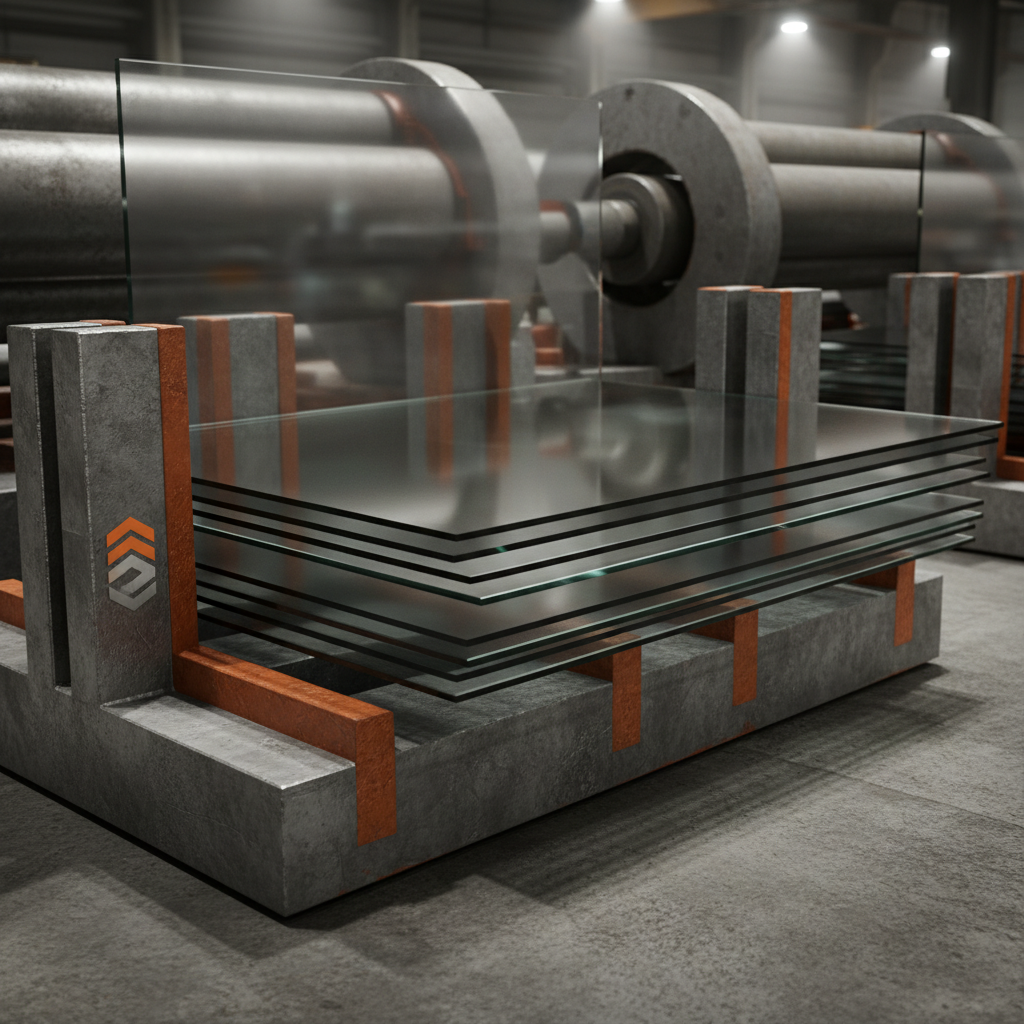
16AprPremium High Quality Float Glass for Sale and Glass Solutions
When sourcing materials for modern architecture or interior design, finding reliable float glass for sale is essential for achieving both aesthetic brilliance and structural integrity. Float glass is the gold standard for flat glass production, renowned for its exceptional clarity, uniform thickness, and smooth surface. Whether
learn more -
 09Apr
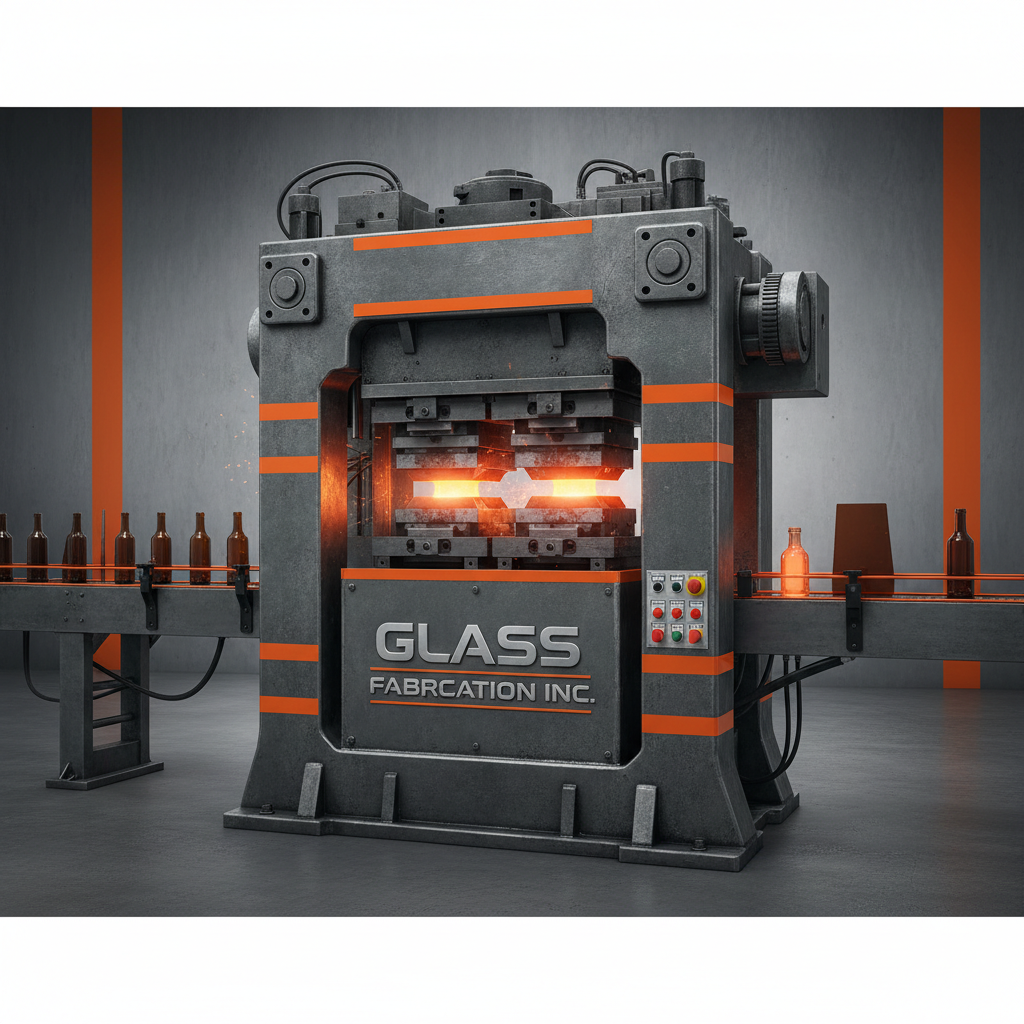
09AprGuide to Choosing a Professional glass fabrication inc for Projects
Finding a reliable glass fabrication inc is essential for any project that requires precision, safety, and aesthetic excellence. Whether you are an architect designing a modern skyscraper, a contractor renovating a luxury home, or a business owner upgrading commercial storefronts, the quality of glass fabrication determines the
learn more -
 07Apr
07AprComprehensive Guide to Custom Glass Fabrication and its Diverse Applications
When it comes to specialized projects, custom glass fabrication is often the only solution. Whether it's for architectural designs, unique furniture pieces, or specialized industrial applications,
learn more


Why 28-Year Manufacturers Trust Our Aluminum Mirror Coating Thickness
Your peers in 37 countries rely on our precision. Here’s why:
"SHAHE SHOTT GLASS’s ±0.02μm thickness control cut our solar mirror costs by 22% while improving reflectivity to 99.7%. Their FCC-certified components streamlined our U.S. market entry."
— Mark R., Procurement Director, First Solar (USA)
Certifications & Compliance