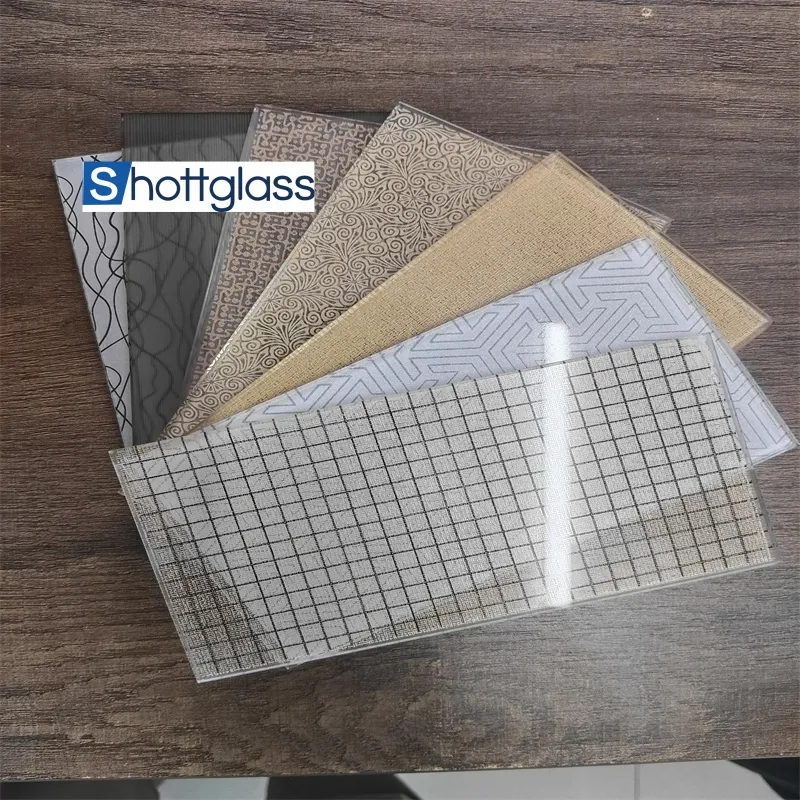

High Quality Architectural 5mm reflective glass price Guide
When selecting architectural glass for modern facades or interior partitions, the balance between light transmission, privacy, and thermal control is critical. For many project managers and designers, understanding the factors that influence the 5mm reflective glass price is the first step in optimizing both the budget and the building's energy efficiency. Reflective glass is engineered to reduce solar heat gain while maintaining a sleek, mirrored aesthetic that blends seamlessly with urban environments.
Whether you are sourcing for a commercial high-rise or a specialized residential project, the choice of glass thickness and coating determines the structural integrity and the visual impact of the installation. By leveraging advanced fabrication techniques, such as precision tempering and CNC processing, suppliers can provide customized solutions that meet strict safety standards without compromising on the desired decorative effect.

The Technical Mechanics of Reflective and Patterned Glass Solutions
Reflective glass is created by applying a thin, metallic layer to the surface of the pane, which allows it to bounce back a significant portion of solar radiation. This process not only provides a mirrored look but also acts as a thermal barrier, reducing the reliance on internal cooling systems. In the realm of deep-processed glass, this is often combined with patterning to create versatile architectural elements that serve multiple functional purposes.
Patterned glass, for instance, is classified by its visual permeability. Depending on the project requirements, it can be selected as nearly transparent, slightly transparent, or completely invisible. This versatility allows designers to control the level of privacy in areas like conference rooms or bathroom partitions while still permitting natural light to diffuse throughout the space. The synergy between reflective coatings and textured patterns offers an unparalleled level of control over the interior environment.
From a manufacturing perspective, the strength of these products is significantly enhanced when they undergo tempering. Tempered glass is several times stronger than regular annealed glass, making it the industry standard for safety-critical applications. The use of specialized machinery, such as 45m-long tempering furnaces and Intermac CNC work centers, ensures that every piece meets precise dimensional tolerances and structural requirements.

Strategic Application Scenarios for Privacy and Light Management
The application of specialized glass extends far beyond simple windows. In modern office design, interior partitions made from patterned or reflective glass are used to define zones without creating dark, claustrophobic spaces. By diffusing light, these materials prevent direct visibility—protecting sensitive business discussions in boardrooms—while maintaining a bright, airy atmosphere that boosts employee productivity.
In residential sectors, the use of textured surfaces is ideal for bathroom doors and windows. The ability to obscure vision while allowing sunlight to pass through eliminates the need for heavy curtains or blinds, which often trap dust and reduce the aesthetic value of the room. Furthermore, these glasses can be integrated into stained glass art or used as decorative elements to add elegance to luxury interiors.
For external facades, the primary goal is often the mitigation of the "greenhouse effect." Reflective glass effectively reduces the amount of infrared light entering the building, which stabilizes internal temperatures and lowers operational costs. When specified at a 5mm thickness, the glass provides an optimal balance between weight and strength, making it suitable for a wide range of framing systems and installation methods.
Procurement Considerations and Quality Evaluation for OEM Buyers
For global OEM/ODM customers, sourcing glass is not just about the unit cost; it is about the capability of the fabrication partner to deliver a one-stop solution. A reliable supplier should possess a comprehensive suite of machinery to handle everything from raw cutting to final polishing. The presence of Intermac cutting tables and double-edge grinding machines indicates a commitment to precision that prevents failures during installation.
Quality evaluation should focus on the consistency of the coating and the clarity of the patterns. Inconsistent reflective layers can lead to "oil canning" or visual distortions, which are unacceptable in high-end architectural projects. Additionally, buyers should verify the capabilities of the laminating lines—such as PVB and EVA—if the project requires safety glass that remains intact upon impact.
Customization is another critical factor. The ability to provide a variety of patterns—such as Reed/Fluted, Diamond, or Bamboo—and a wide spectrum of colors (from ultra-clear to bronze and black) allows architects to realize complex design visions. When evaluating a supplier, ask about their acid etching and silkscreen-printing capabilities, as these processes are essential for creating high-contrast decorative effects and specialized industrial markings.
Technical Specifications and Selection Framework
| Property / Option | Standard Specification | Available Variations | Primary Use Case |
|---|---|---|---|
| Common Thickness | 5mm | 3mm to 10mm+ | Architectural Facades |
| Standard Dimensions | 1500x2000mm | Custom Sizes Available | Custom Partitioning |
| Pattern Types | Reed / Fluted | Diamond, Bamboo, Bubble | Privacy Screening |
| Color Palette | Clear / Ultra Clear | Blue, Green, Grey, Bronze | Aesthetic Integration |
| Processing Capability | Tempered | Laminated, Acid Etched | Safety & Security |
Manufacturing Excellence in Glass Fabrication
The transition from a raw sheet of glass to a high-performance architectural component requires a rigorous sequence of industrial processes. Precision begins at the cutting table, where CNC technology ensures that edges are perfectly square and dimensions are exact. This is followed by double-edge grinding and waterjet cutting for complex shapes, ensuring that the glass can be fitted into intricate frames without gaps.
The tempering process is where the glass gains its structural resilience. By heating the glass to extreme temperatures and then cooling it rapidly, internal stresses are created that make the material significantly more resistant to thermal shock and mechanical impact. For reflective glass, the timing and temperature of this process are critical to ensure the metallic coating does not degrade or discolor.
Furthermore, the addition of PVB and EVA laminating lines allows for the production of composite glass. By sandwiching a plastic interlayer between two sheets of glass, manufacturers create panels that are not only strong but also provide acoustic insulation and UV protection. This integrated approach to fabrication ensures that the final product meets the diverse needs of global infrastructure projects.
Future Trends in Sustainable Glass Technology
The industry is moving toward "smart" glass solutions that can dynamically adjust their reflective properties based on the intensity of sunlight. While static reflective coatings provide a baseline of efficiency, the integration of electrochromic layers is the next frontier. This will allow building managers to control heat gain in real-time, further reducing the carbon footprint of large-scale commercial properties.
Another emerging trend is the use of bio-mimetic patterns in textured glass. By imitating natural structures, manufacturers are creating glass that diffuses light more efficiently while providing higher levels of privacy. This intersection of art and engineering is making patterned glass a primary choice for sustainable "well-being" architecture, which emphasizes the importance of natural light for human health.
As global supply chains evolve, the demand for OEM partners who can offer a full spectrum of processing—from acid etching to mirror production—will grow. The ability to consolidate multiple processes under one roof reduces lead times and minimizes the risk of damage during transit, making integrated fabrication the most viable path for large-scale urban development.
Frequently Asked Questions About Reflective Glass
What factors typically influence the 5mm reflective glass price?
The cost is primarily driven by the type of reflective coating used, the specific pattern chosen, the required dimensions, and the additional processing involved, such as tempering or laminating. Custom sizes and specialized colors may also affect the final quote.
How does reflective glass differ from standard clear glass in terms of heat control?
Reflective glass contains a metallic layer that reflects a portion of the solar spectrum, significantly reducing the amount of heat (infrared radiation) that enters a building, whereas clear glass allows most of the heat to pass through.
Can patterned glass be tempered for safety purposes?
Yes, patterned glass can be tempered. When tempered, it becomes several times stronger than regular glass and, if broken, shatters into small, blunt pieces rather than sharp shards, making it suitable for high-traffic areas.
Which patterns are best for maximum privacy in office partitions?
For maximum privacy, completely invisible or slightly transparent patterns are recommended. Patterns like Reed, Fluted, or Bubble effectively obscure the view while still allowing light to penetrate the room.
What is the benefit of using an OEM supplier with an integrated fabrication line?
An integrated supplier can provide one-stop solutions—including cutting, tempering, grinding, and laminating—which ensures better quality control, shorter lead times, and more competitive pricing by eliminating middle-man handling.
Are there specific color options available for reflective glass?
Yes, reflective glass is available in a wide range of colors including clear, ultra-clear, blue, pink, green, grey, black, and bronze to match various architectural styles.
Technical Industry Resources
- Glass Industry Standards and Specifications
- ISO Standards for Safety Glass Manufacturing
- ASTM International Material Testing Guides
- Department of Energy Building Efficiency Guidelines
Finding the right balance between aesthetics and performance requires a partner with deep technical expertise and advanced manufacturing capabilities. If you have specific requirements for reflective or patterned glass, our team is ready to help you realize your vision with precision and quality.
Related Glass Solutions